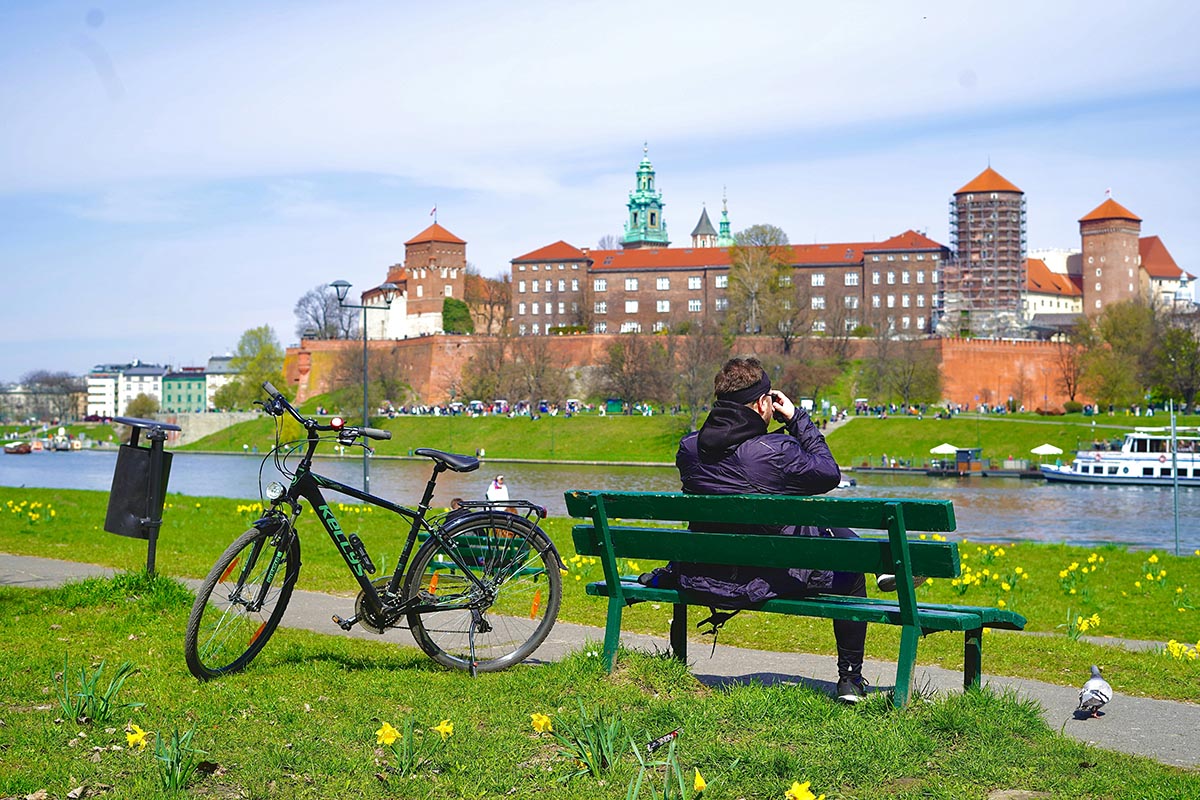
Cycling can make history something you travel through, instead of observing. Historic routes also encourage a slower pace than driving, giving you time to notice old milestones and buildings between major attractions. Across Europe and beyond, former trade roads and pilgrimage paths now offer rewarding cycling journeys. By following them, you can understand how geography shaped the way they travelled, worked and lived.
Ancient Roads That Still Tell a Story
Ancient roads reveal how earlier societies connected cities, ports and settlements. Italy’s Via Appia provides a striking example, with sections of Roman paving and monuments still visible outside Rome.
Cycling these routes helps you understand distances that can seem abstract in a history book. Hills and exposed stretches suddenly matter when you experience them yourself. Choose sections with surviving historical features and quieter roads, as modern traffic has transformed many ancient routes.
Europe’s Most Remarkable Heritage Cycling Routes
France’s Loire Valley lets you ride between towns and Renaissance châteaux, while routes beside Germany’s Rhine connect castles and communities shaped by centuries of river trade.
Travelling by bike also gives you more flexibility than a tightly scheduled sightseeing tour. A moderate daily distance leaves time to visit museums or explore historic centres rather than simply passing them. You can also stop at smaller landmarks that travellers in cars or coaches may overlook.
Exploring Historic Trade and Pilgrimage Paths by Bike
Pilgrimage and trading routes show how people exchanged ideas as well as goods. Spain’s Camino de Santiago remains famous for walkers, but recognised cycling routes also lead towards Santiago de Compostela.
Elsewhere, sections associated with the Silk Road reveal the scale of historic connections across Eurasia. Conditions vary greatly, however, so research individual sections rather than treating the historic network as one continuous cycling route.
Castles, Canals and Cultural Landmarks Along the Way
Canal routes offer an accessible introduction to industrial heritage. In Britain, towpaths take you alongside locks, aqueducts, warehouses and former manufacturing districts, often away from busy roads.
Castles tell another geographical story. Along the Rhine, fortifications overlook waterways and historic trading points. When you cycle between them, their positions make more sense because you see the landscape that rulers wanted to observe or control.
Planning a Safe and Enjoyable Heritage Cycling Adventure
Historic routes can include cobbles, gravel, narrow lanes and modern roads, so check surfaces and elevation before deciding how far to ride. Local cycling organisations and reliable mapping tools can help you identify difficult sections.
Careful preparation also reduces the risk of cycling accidents. Check your brakes and tyres, carry basic repair equipment and use suitable lights. Allow extra time for stops and unexpected delays, as a relaxed schedule means you can approach unfamiliar roads carefully without sacrificing your plans.
History at the Speed of a Bicycle
The real value of heritage cycling lies between the famous landmarks. When you follow an old river crossing or climb towards a fortified town, you experience some of the practical realities that influenced earlier travellers.
That perspective can change how you understand historic landscapes. Roads become evidence of movement and canals reveal patterns of work and trade. You return with a clearer sense of how places connected and why those connections mattered.



Leave a Reply
You must be logged in to post a comment.