Travel Thru History

Historical and cultural travel experiences

  • Home
  • Airfare Deals
  • Get Travel Insurance
  • Writers Guidelines

Experience the Magic of the Mardi Himal Trek and Annapurna Base Camp Trek in the Annapurna Region

Introduction to the Beautiful Annapurna Region

The Annapurna region is one of the most famous trekking places in Nepal. It is full of natural beauty, big mountains, and peaceful villages. Many trekkers from all over the world come here every year. They want to see snow peaks, green forests, and the simple life of local people. This region gives a feeling of adventure and calm at the same time.

Two of the most amazing treks here are Mardi Himal Trek and Annapurna Base Camp Trek. Both treks are different, but both are very beautiful. One is quiet and less crowded, and the other is popular and full of energy. When you do both, you understand the real magic of the Himalayas.

Why Choose Mardi Himal Trek and Annapurna Base Camp Trek

Choosing both treks is like getting two experiences in one journey. The Mardi Himal trek is short, peaceful, and less busy. The Annapurna Base Camp trek is longer, more famous, and full of culture and views.

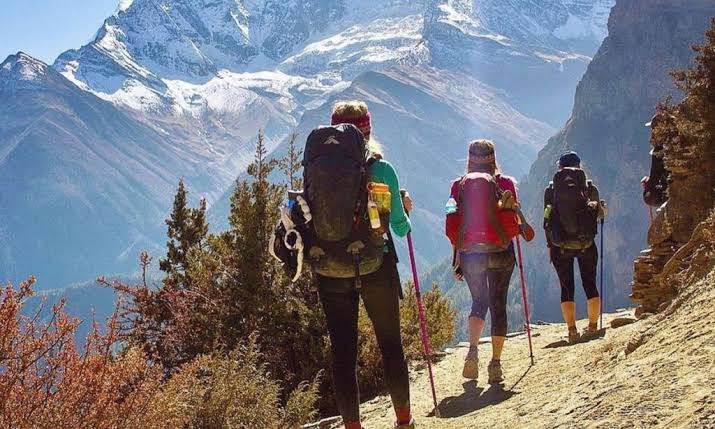
You walk through forests, villages, rivers, and mountains. Sometimes the path is easy, sometimes hard, but always interesting. You see sunrises on mountains, clouds below your feet, and stars in the night sky. It is not just trekking; it is feeling something deep inside.

Overview of Mardi Himal Trek

The Mardi Himal trek is a hidden gem. Not too many people go there, so it feels calm and fresh. The trail goes through dense forests, with birds singing and wind blowing softly. Slowly, you climb higher, and the views start to open.

You can see Machhapuchhre mountain very closely. It looks sharp and beautiful. The trail is narrow sometimes but safe and exciting. The higher you go, the more amazing it becomes.

Short days, peaceful nights, and less noise. This trek is perfect if you want a quiet adventure.

Mardi Himal Peak – A Special Highlight

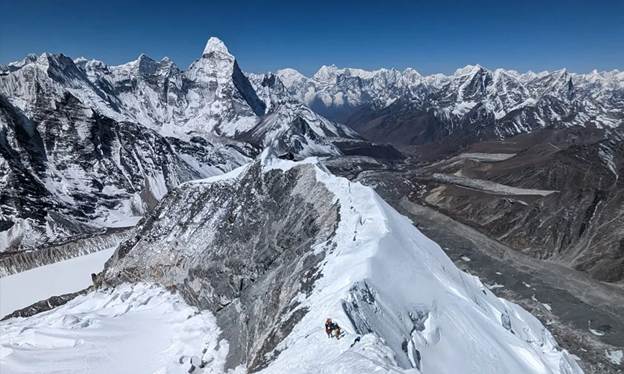
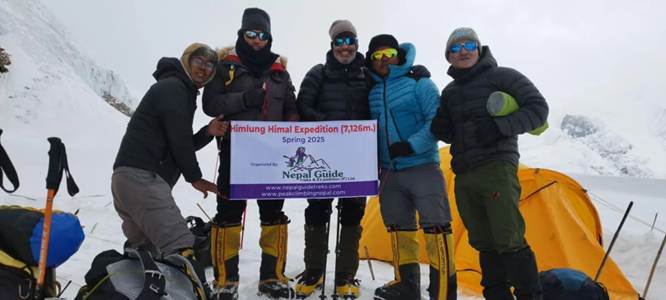
Mardi Himal Peak is one of the most beautiful points of this trek. It is not a climbing peak for beginners, but you can go near and see it clearly. The view from high camp is unforgettable.

Snow everywhere, sky so blue, and mountains all around. You feel small but also strong. Reaching near Mardi Himal Peak is like a dream coming true.

The sunrise here is very magical. First light touches the snow, and everything becomes golden. It is a moment you never forget.

Journey of Annapurna Base Camp Trek

The Annapurna Base Camp trek is more popular and longer. Many trekkers choose this because it gives a full Himalayan experience. The trail passes through villages like Chhomrong and Bamboo.

You walk along rivers, cross suspension bridges, and climb stone steps. It is sometimes tiring, but every step is worth it. You meet other trekkers, share stories, and enjoy tea houses.

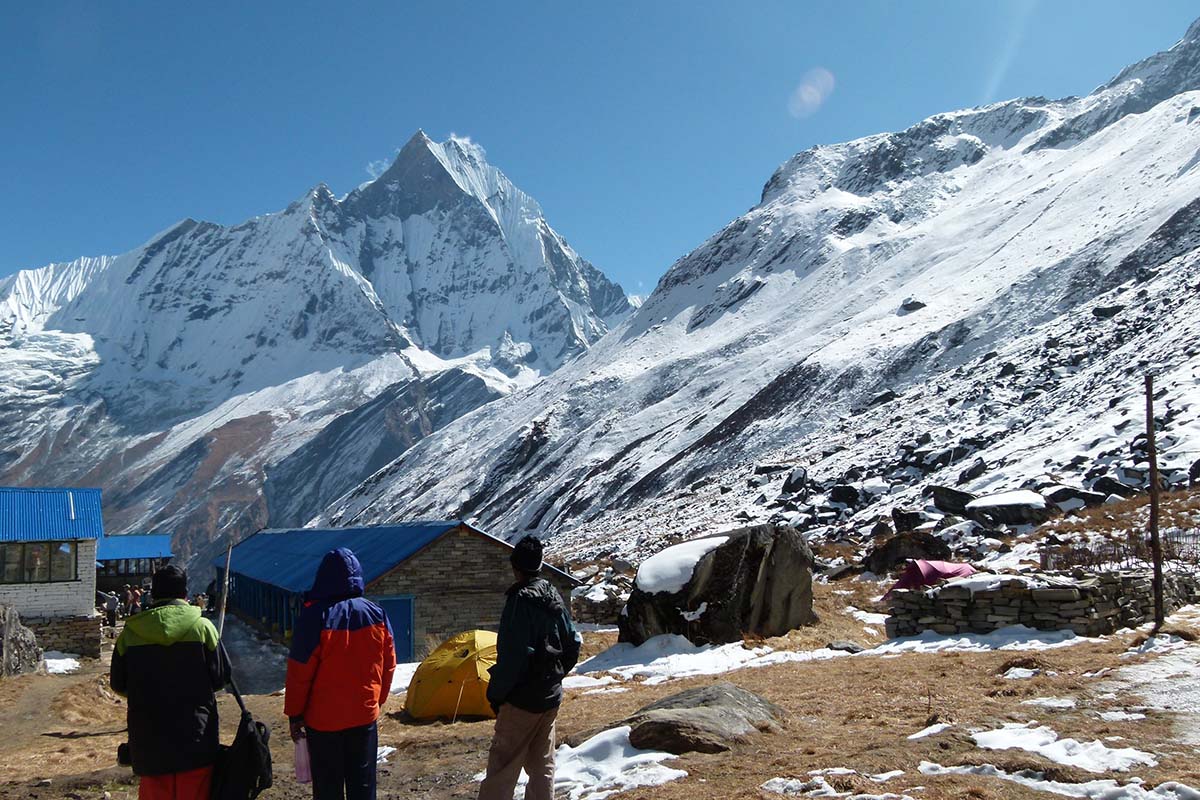
Finally, you reach the base camp. Surrounded by big mountains, it feels like being inside a bowl of snow peaks. Annapurna I, Machapuchare, and many others stand tall around you.

Natural Beauty on the Trails

Both treks are full of natural beauty. Forests of rhododendron, bamboo, and pine trees make the journey colorful. In spring, flowers bloom everywhere.

You may see animals like monkeys, birds, and sometimes even deer. Rivers flow fast, making fresh sounds. Waterfalls fall from high cliffs.

The higher you go, trees disappear and snow starts. The landscape changes slowly, and every change is beautiful.

Culture and Local Life

The Annapurna region is not just about mountains. It is also about people. Gurung and Magar communities live here. They are simple, kind, and welcoming.

You stay in tea houses, eat local food, and talk with locals. Dal bhat is a common meal, simple but strong. People smile easily and help without asking.

Their life is hard, but they are happy. You learn many things from them, even without words.

Difficulty and Trekking Experience

The Mardi Himal trek is moderate. Not too hard, not too easy. Good for beginners with basic fitness. The Annapurna Base Camp trek is a bit more challenging. Longer days and more altitude.

Sometimes you feel tired. Legs ache, and breath is heavy. But then you see a mountain, and all pain goes away.

Trekking teaches patience. Slow steps, take a deep breath, and keep going. That is the way.

Best Time to Visit

The best time for both treks is spring and autumn. In spring, the weather is nice and flowers are blooming. In autumn, the sky is clear and views are sharp.

Winter is cold, with snow. The monsoon is rainy and slippery. So better to avoid those times.

Choosing the right time makes your journey more enjoyable and safe.

Accommodation and Food

Tea houses are available on both treks. They are simple but comfortable. Rooms have basic beds, sometimes shared.

Food is warm and filling. Dal Bhat, noodles, soup, and tea. You eat more because trekking needs energy.

At night, you sit near fire, talk with others, and rest. Simple life, but very peaceful.

Packing Essentials

You need good shoes, warm clothes, and a backpack. Weather can change fast, so be ready.

Carry a water bottle, snacks, and basic medicine. A sleeping bag is useful on cold nights.

Do not carry too much. A light bag makes walking easy.

The Magical Feeling of the Himalayas

There is something special in the Himalayas. It is not just mountains. It is feeling.

Silence, fresh air, and wide views make your mind calm. You forget stress and worry. You feel free.

When you stand at the Mardi Himal viewpoint or Annapurna Base Camp, you feel something strong inside. Like you are part of nature.

That is the magic.

Combining Both Treks

Many trekkers combine the Mardi Himal trek and the Annapurna Base Camp trek. It gives a complete experience of the Annapurna region.

First, you enjoy the peaceful Mardi trail. Then, you go to famous Annapurna Base Camp. It is a mix of a quiet and lively journey.

It takes more time but gives more memories.

Safety Tips

Always trek with a guide or group if possible. Weather can change quickly.

Drink enough water, walk slowly, and listen to your body. Altitude sickness can happen, so be careful.

Follow local advice. Stay safe, enjoy more.

Conclusion

Mardi Himal Trek and Annapurna Base Camp Trek are two beautiful journeys in the Annapurna region. Each one is special in its own way.

One is quiet, one is popular. One is short, one is long. But both give unforgettable memories.

Mountains, forests, people, and peaceful moments. Everything comes together to create magic.

If you love nature and adventure, this is a journey you must do. Not just for photos, but for feeling something real.

FAQs

  1. Is the Mardi Himal trek suitable for beginners?
    Yes, it is moderate and good for beginners with basic fitness.
  2. How long is the Annapurna Base Camp trek?
    It usually takes 7 to 12 days depending on route and pace.
  3. Can I do both treks together?
    Yes, many people combine both for a full experience.
  4. What is the best season for these treks?
    Spring and autumn are best for clear views and good weather.
  5. Do I need a guide?
    It’s not mandatory, but a guide makes the journey safer and easier.
  6. What food is available on the trek?
    The journey is mostly local food like Dal Bhat, noodles, soup, and tea.
  7. Is altitude sickness common?
    It can happen, so walk slow, drink water, and rest when needed.


Tagged With: Nepal treks Filed Under: Asia Travel

12 Things to Do in Bali – Travel Guide


bali tourist

Bali offers an incredible range of experiences for travelers seeking adventure, culture, and natural beauty. Choosing the right things to do can turn a good vacation into an extraordinary journey that stays with you long after you return home.

From volcanic peaks above emerald rice paddies to pristine beaches and crystal-clear waters teeming with marine life, each region has its own charm. In this article, we’ll guide you through the best things to do in Bali so you can make the most of your trip.

Visiting Bali

Bali is one of Indonesia’s most iconic islands, blending adventure, culture, and natural beauty in a way that captivates travelers from around the world. What makes this island truly special is the rhythm of daily life. Ceremonies fill the streets with color and music, artisans keep ancient crafts alive, and warm hospitality greets travelers in every village.

Diving in NUSA Lembongan

diver in bai

Nusa Lembongan is a diver’s paradise, offering clear waters, vibrant reefs, and some of Bali’s most exciting underwater encounters. The island’s relaxed atmosphere makes it a great base, but beneath the surface is where the real magic happens.

Short boat rides connect you to world‑class dive sites, while local dive centers provide training and guided trips, including sidemount diving for those who want to refine their skills and explore new techniques.

Explore Ubud’s Sacred Monkey Forest

Ubud is Bali’s cultural heart, alive with art, dance, and tradition. Nightly performances showcase classical Balinese dance, while galleries display everything from traditional paintings to modern works. The Sacred Monkey Forest Sanctuary is home to hundreds of macaques among moss‑covered temples and giant banyan trees. Ubud’s bustling market offers fresh produce and handmade crafts, while yoga studios and organic cafés give the town its wellness‑focused vibe.

Highlight: Visiting the Monkey Forest

The Sacred Monkey Forest Sanctuary in Ubud is home to hundreds of macaques among moss‑covered temples and giant banyan trees. It’s a lively mix of wildlife encounters and Balinese spirituality.

Experiencing Gitgit Waterfall

Northern Bali hides dozens of waterfalls in lush jungle settings. Sekumpul Waterfall is the most dramatic, with multiple cascades tumbling from great heights, while Gitgit Waterfall is easier to reach but just as photogenic. Visiting during the dry season makes trekking safer, though the wet season brings more powerful flows. Guided tours often combine several waterfalls in one day, offering a full immersion into Bali’s natural beauty.

Highlight: Visiting Munduk Waterfall

The Sacred Monkey Forest Sanctuary in Ubud is home to hundreds of macaques among moss‑covered temples and giant banyan trees. It’s a lively mix of wildlife encounters and Balinese spirituality.

Hit the Slides at Waterbom

Waterbom in Kuta is Bali’s top water park, offering thrills for all ages. Extreme slides challenge adrenaline seekers, while lazy rivers and shaded gardens provide a more relaxed experience. Families love the dedicated kids’ areas, and food options range from snacks to full meals. Arriving early helps beat the crowds, and online tickets often come with discounts.

Highlight: Trying Thrilling Water Attractions

Waterbom in Kuta delivers adrenaline with vertical drops and looping slides like The Climax. For a slower pace, lazy rivers and shaded gardens make it a full‑day escape for families and thrill seekers alike.

Beach-Hopping on Uluwatu’s Bukit Peninsula

Uluwatu’s Bukit Peninsula is home to some of Bali’s most striking beaches, framed by dramatic cliffs and turquoise waters. Padang Padang, made famous by Eat Pray Love, is small but stunning, while Bingin draws surfers with its laid‑back vibe. For those seeking solitude, Nyang Nyang offers wide stretches of sand after a steep descent. Clifftop spots like Single Fin bring the day to a close with ocean views, music, and unforgettable sunsets.

Highlight: Visiting Padang Padang Beach

Padang Padang’s small cove, made famous by Eat Pray Love, offers turquoise waters and a lively surf scene. Sunset here is especially magical as waves crash against the cliffs.

Visit Pura Besakih, Bali’s Most Important Temple

Pura Besakih sits on the slopes of Mount Agung and is Bali’s largest and most sacred temple complex. With over 80 temples connected by pathways, it’s a spiritual hub for ceremonies and festivals. The volcanic backdrop adds drama to the setting, especially in the morning when clouds haven’t yet rolled in. Sarongs and sashes are required, and while touts can be persistent near the entrance, the temple itself is serene and awe‑inspiring.

Highlight: Exploring Edelweiss Park

Near Besakih Temple, Edelweiss Park provides sweeping views of Mount Agung and colorful flower fields. It’s a scenic stop that pairs perfectly with a temple visit.

Enjoy Bali’s World-Class Beach Clubs at Finns

Finns in Canggu is one of Bali’s most iconic beach clubs, with ocean views, multiple pools, and a lively atmosphere that lasts from day to night. It’s the perfect place to relax, swim, and enjoy sunset cocktails. For a balanced experience, many travelers pair the energy of Finns with a visit to Carla Spa 66 in Double Six Seminyak, where traditional treatments offer a calm way to recharge after a day by the beach.

Highlight: Visiting Finns Beach Club

Finns in Canggu combines multiple pools, oceanfront views, and a vibrant atmosphere. Sunset cocktails by the infinity pool are a must‑do for visitors.

Take a Boat Ride to the Ulun Danu Bratan Temple

Pura Ulun Danu Bratan is one of Bali’s most iconic temples, set on the shores of Lake Bratan in the cool highlands. Its unique position makes it appear as though it’s floating on the water, especially when the lake rises during the rainy season. The temple is dedicated to Dewi Danu, the goddess of water, and plays a vital role in Bali’s irrigation traditions.

Highlight: Sunrise on Lake Bratan

Morning boat rides reveal Pura Ulun Danu Bratan surrounded by mist and soft light. The temple’s reflection on the water makes it one of Bali’s most photogenic spots.

Experience Sunrise from Mount Batur

Mount Batur is an active volcano and one of Bali’s most popular trekking destinations. The climb begins in the early hours of the morning, with hikers using headlamps to navigate volcanic terrain under the stars. The trek is moderately challenging but accessible to most travelers, making it a rewarding adventure for those seeking both exercise and breathtaking views.

Highlight: Summit Views of Mount Agung

From Mount Batur’s summit, you’ll see Mount Agung, Lake Batur, and distant horizons. Clouds often settle below, creating surreal views as guides prepare simple breakfasts with volcanic steam.

Visit Jatiluwih Rice Terraces

The Jatiluwih Rice Terraces are a UNESCO World Heritage site, celebrated for their ancient subak irrigation system that has sustained Balinese agriculture for centuries. The terraces stretch across rolling hillsides, creating a patchwork of emerald green fields that change with the growing seasons.

Highlight: Morning Walks Through the Terraces

Jatiluwih’s UNESCO‑listed rice terraces glow in shades of green at sunrise. Small warungs along the trails serve traditional meals with fresh local ingredients.

Explore Nusa Penida

Nusa Penida is Bali’s rugged sister island, known for dramatic cliffs, hidden beaches, and crystal‑clear waters. Compared to Nusa Lembongan, Penida feels wilder and less developed, making it a favorite for adventurous travelers. The island is accessible by a short boat ride from Bali, and once there, scooters or cars are the best way to explore its vast terrain.

Highlight: Visiting Kelingking Beach

Kelingking Beach on Nusa Penida is famous for its T‑rex‑shaped cliffs and turquoise bay. The steep hike down rewards with pristine sand and solitude.

Visit Tanah Lot Temple

Tanah Lot is one of Bali’s most famous temples, perched dramatically on a rocky outcrop just offshore. At high tide, the temple appears completely surrounded by the ocean, creating a mystical silhouette against the waves. It’s a place where spirituality meets natural beauty, and its coastal setting makes it especially popular with visitors.

Highlight: Sunset at Tanah Lot

Tanah Lot Temple becomes a striking silhouette at sunset, framed by golden skies and crashing waves. Vendors nearby make it easy to linger and soak in the view.

Wrapping Up

From visiting Bali’s sacred temples to advancing your skills through a PADI speciality course, the island offers experiences that match every traveler’s energy and curiosity. Beach relaxation, cultural immersion, adventure sports, and spiritual exploration all coexist here, creating journeys that feel both diverse and unforgettable.


Filed Under: Asia Travel

Essential Details About Choosing The Right Motorcycle Rental Option

motorbike woman

Have you ever thought about taking a bike ride in a new city and felt confused about which rental option to pick?

It’s a common thought. Choosing the right motorcycle rental can make your whole trip smooth, comfortable, and full of good memories. When everything feels easy and sorted, you enjoy the ride more and stress less.

In today’s time, motorcycle rentals are becoming a simple and popular way to move around, especially when you want freedom and flexibility. But picking the right one needs a little understanding. Let’s talk about it in a clear and friendly way so you can make a good choice without any confusion.

Understanding Your Travel Needs

Before you choose any motorcycle, it helps to first think about what you actually need. Everyone’s plan is different, so your choice should match your style and comfort.

Daily Travel Or Leisure Ride

If you are planning to use the bike for daily travel, like going to work or visiting nearby places, a simple and comfortable bike is enough. It should be easy to handle and give a relaxed ride. On the other hand, if your plan is more about enjoying long rides or exploring new areas, then a slightly stronger and smoother bike will make your experience more enjoyable.

Short-Term Or Long-Term Rental

Some people rent bikes for just a day or two, while others prefer keeping them for a week or more. If your stay is longer, you can look for rental options that give better value for extended use. It helps you stay relaxed and enjoy your time without worrying about frequent renewals.

Choosing The Right Type Of Motorcycle

Once you understand your needs, the next step is picking the right type of motorcycle. This part is important because it directly affects your comfort and riding experience.

Scooter Or Gear Bike

Scooters are light and very easy to ride. They are perfect if you want something simple and smooth for city use. Gear bikes, on the other hand, are better if you enjoy riding and want more control on the road. Many people prefer gear bikes for longer rides because they feel more stable.

Engine Capacity And Comfort

Engine capacity plays a role in how the bike performs. A smaller engine is good for short city rides, while a slightly bigger engine gives a steady feel on highways. At the same time, seat comfort and riding position should match your body. When you feel relaxed while riding, everything feels better.

Checking Rental Policies Clearly

After selecting the type of bike, it’s good to look at the rental terms. Clear understanding helps you stay relaxed during your rental period.

Documents And Requirements

Most rental services ask for basic documents like an ID and a valid driving license. Keeping these ready makes the process quick. Some places also have simple rules that are easy to follow, which makes the whole experience smooth.

Pricing And Duration

Rental pricing is usually based on hours, days, or weeks. It’s always helpful to check what fits your plan. Some options give better value when you rent for longer periods. When pricing is clear, you can plan your budget easily.

Importance Of Bike Condition

The condition of the motorcycle plays a big role in your overall experience. A well-maintained bike always feels better and gives you confidence on the road.

Clean And Well-Maintained Bikes

A good rental service keeps their bikes clean and in proper working condition. When you receive a bike that looks neat and runs smoothly, it adds to your comfort. It also shows that the service takes care of their vehicles.

Smooth Ride Experience

A bike that runs smoothly helps you focus on enjoying your ride. You don’t have to worry about anything, and everything feels simple. That’s what makes a good rental experience.

Location And Accessibility

Where you pick up the bike also matters. Easy access saves time and effort.

Pickup And Drop Options

Many rental services offer flexible pickup and drop options. This is very helpful, especially when you are new to a place. You can choose a location that is convenient for you and plan your ride easily.

Local Availability

In cities like Jakarta, finding a reliable option is quite simple. For example, choosing a service that offers jakarta motorcycle rental can give you a wide range of bikes and flexible options that match your needs. It helps you move around the city comfortably and at your own pace.

Safety And Riding Comfort

Feeling safe and comfortable while riding is always important. A good rental option supports this in many ways.

Helmet And Basic Gear

Most rental services provide helmets along with the bike. Wearing a helmet makes your ride feel more secure and relaxed. Some also offer additional gear that adds to your comfort.

Easy Handling And Control

A bike that is easy to handle gives you confidence. Especially if you are riding in a new place, smooth control makes everything feel natural. You enjoy the ride more when you feel in control.

Customer Support And Service

Good service always makes a difference. When support is friendly and helpful, your experience becomes better.

Simple Booking Process

A clear and easy booking process saves time. Many rental services now allow online booking, which makes things quick and convenient. You can select your bike, choose the duration, and confirm everything without any stress.

Helpful Assistance

If you have any questions or need help, a supportive team makes things easy. They guide you properly and make sure you feel comfortable before you start your ride.

Making The Final Choice

After looking at all these points, choosing the right motorcycle rental becomes simple. It’s all about matching your needs with the right option.

Balance Between Comfort And Budget

You don’t need to go for anything complicated. Just pick something that feels comfortable and fits your budget. When both things are balanced, your experience becomes enjoyable.

Trust Your Feel

Sometimes, your own feeling also matters. When a bike feels right and the service seems clear and friendly, you can go ahead with confidence. It’s all about feeling relaxed and happy with your choice.

Final Thoughts

Choosing the right motorcycle rental is all about understanding what you need and picking something that feels comfortable and simple. When the bike is easy to ride, the process is clear, and everything is well-managed, your whole experience becomes smooth and enjoyable. With the right choice, every ride feels light, free, and full of good moments.

Filed Under: Asia Travel

The Tin Barons and Sino-Portuguese Spirits: Uncovering the Forgotten History of Phuket’s Old Town

Phuket Old Town

When strolling through the pastel-colored streets of Phuket’s Old Town, it’s easy to get lost in the beauty of it all. The closed windows and ornate archways look like something out of a movie set, but have you ever wondered who actually built these lavish mansions? While there’s beauty to the island of Phuket, there’s also a gritty and glittering past of Black Gold, the tin that made this island the richest province in Thailand.

Let’s give you a brief sneak peek into the history of Phuket’s Old Town.

The Men Who Built an Empire from Mud

Phuket, in the mid-19th century, was no beach destination. In fact, it was a rugged frontier. The arrival of massive tin deposits saw thousands of Hokkien Chinese migrate to Phuket, braving the treacherous frontier to get rich. Among them were the Tin Barons, men such as Phraya Ratsadanupradit Mahitsaraphakdi, also known as Khaw Sim Bee Na Ranong. They weren’t just businessmen; they were visionaries who transformed a muddy mining outpost into a cosmopolitan hub.

They didn’t just dig for ore; they built legacies. One can still witness the legacy of the past in the Ang Mor Lao, or the Grand Mansions, like the Baan Chinpracha, built in 1903. As you walk through the Italian tile floors and the open-air courtyards, you can’t help but think that it was never about the money; it was about creating a home that would combine their Chinese heritage with European flair.

A Fusion of Two Worlds: The Sino-Portuguese Legacy

Why does Phuket differ from the rest of Thailand? It’s all because of the trade routes. As the tin industry grew, the island became a melting pot of Chinese craftsmanship and Portuguese flair. It was not a forced colonial style but a practical and beautiful combination.

The famous shophouses were built with a five-foot way (arcade) that protects pedestrians from the tropical sun and rain. If you’ve spent any time Thailand island hopping, you know how quickly the weather can turn! However, while most people use Phuket merely as a stepping-stone for island-hopping, visitors who linger in Old Town soon realize that these structures were the hub of a community that helped fund the infrastructure that the island uses today.

Spirits and Shrines: The Hidden Guardians

It was not just the barons who shaped the town; it was the spirits they brought along. To conquer the perils of deep shaft mining, the Chinese settlers relied on their faith. This gave birth to the colorful shrines hidden in the narrow alleys of the town, such as the Shrine of the Serene Light.

This shrine, built in 1891 by a family in the area, was concealed behind a plain-looking store for over a century. It was a spiritual sanctuary for the tin miners, where they could pray for protection from the spirits of the earth they were digging out. Even today, the aroma of incense and the bright murals of Taoist gods remind us that the pulse of Old Town is still very much connected to its roots.

The End of the Boom and the Birth of a Museum

By the 1980s, however, the tin reserves had run out, and a shift towards other materials occurred. The dredgers were no longer used, and the mines were left to deteriorate, eventually being filled with rainwater and becoming lagoons such as those found in Laguna Phuket.

However, the history doesn’t end. If you go a little off the beaten track to the Kathu Tin Mining Museum, you can get a sense of the scale of the operation. It’s a sobering reminder of the cost of the beauty surrounding the tin-mining heritage of the lovely shophouses along Thalang Road. The spirits of the tin days may be gone, but they’re not forgotten. They’re just relocated from the tin mines to the museums and the lovingly restored cafes in the old town.

Why This History Still Matters

Phuket’s Old Town is not just a backdrop for tourists to take photos in front of. It is a testament to an era when tin was king, and Phuket was the crossroads of the world. The Barons may be gone, and the mines may be silent, but the Sino-Portuguese spirit remains.

Next time you’re passing through, take a moment to look past the souvenir shops. Can you hear the echo of the tin dredgers in the distance? Or perhaps smell the scent of history in a 100-year-old pharmacy? Phuket’s past is right there, waiting for those who care to look.

Have you been to Phuket’s Old Town? How was your experience? Share your thoughts in the comments below. You can also share the attractions and activities that you think are a must for anyone visiting Phuket’s Old Town.


Tagged With: Phuket old town Filed Under: Asia Travel

Light Up Hope: Tadingyut Festival in Myanmar

Tadingyut Festival in Myanmar

It was October, the time when I usually had to return to Myanmar from my home country. Myanmar wasn’t my personal choice; it was the series of life’s high waves and tsunamis that brought me there. I just obediently accepted the offers my life gave me until I found myself living there.

My relationship with Myanmar wasn’t always easy. I adored her and couldn’t wait to come back; I hated her and couldn’t wait to leave; we had a very close relationship and we had a long-distance relationship; I tried to understand the cultural differences between us, and I couldn’t accept what felt illogical; I was full of love and gratitude, and I was annoyed and irritated. We went through all the stages, from denial to acceptance. I cried when I left for good.

October was a time for the Fire Festival – Tadingyut. I didn’t know much about that festival until one late evening, when I entered the gate of my hotel. The hotel looked mysterious. Everything was dark; only the entrance curbs were dotted with tea candles.

Boy lighting candles

After I checked-in, I looked around. The candles were everywhere: on the altar, around the altar at the entrance, along the road, on the stairs, in the windows. When you see it for the first time, you feel as if time stopped and you are time travelling. The sounds are hushed. You can only hear the chirping of insects and the croaking of frogs. The electrical lights are dimmed, or even completely turned off.

When I entered my room, the hotel manager called. She invited me to a free dinner, as part of the tradition of feeding guests on that night.

This hotel didn’t have a canteen large enough, but they were planning an expansion and were constructing a new seven-storey building. All guests were invited to have dinner at the construction site. In the future lobby, they had set a long table with lots of pots with different curries and other dishes. We could help ourselves as much as we needed to feel full and happy.

The building didn’t have doors and windows yet; it was open to the fresh October breeze. Candles were lit around. It was like a candlelit dinner, but on a construction site. There was something surreal about it. Remembering moments like this makes my heart ache – this is when I miss my Myanmar the most.

The next morning, everything seemed normal again. The soundscape was restored: cleaning girls were singing, the honking of hurried motorbikes could be heard in the distance again, and exotic birds made their typical, very distinctive koo-ooo sound. The sun was as bright as ever. And I had to continue my journey deeper into Upper Burma.

The bus journey was long and tiring. It took around twelve hours. If at the beginning of my journey I was absorbed in watching favourite landscape and a less favourite but inevitable Burmese TV comedy; by the end, I was deep asleep. The bus attendant woke me up already in Meikhtila.

When I arrived at my hotel, it was already dark. Everything around me was bathing in warm candlelight here too. The neighbouring pagodas, the late-open teahouse, even girls selling betelnut had a couple of little candles on the rim of their stalls.

The next evening, when my work was done and after we had finished dinner, I was sitting on the porch of my bungalow and listening to the noises from beyond the fence.  Then I thought, “I am sitting here and wishing to be there. I really want to experience this new, exotic festival with the local villagers. What am I afraid of? I’ll just go!”

I left the hotel premises through the back gate and walked towards the sound. Usually, after sunset people stay at home. There is not much to do after the dark. Local people follow the natural rhythm of life: they wake up with the sunrise, wind down at the dusk, and go to bed after sunset. But this time, the usually quiet back road was full of motorbikes carrying girls in beautiful dresses and guys in crisp longyi. I followed them.

In the middle of a field stood a pagoda complex I hadn’t usually noticed. It was somewhere in the distance. But that night it was full of life and light. People moved from stupa to stupa, lighting candles, laying flowers, singing. They looked like shadows. In the field next to the pagodas, people gathered in a circle and watched a performance by a man dressed in a women’s clothing. He was a nat kadaw, which can be translated as a “spouse of a spirit”. These people are believed to be mediums, connecting with spirits, and are invited to perform at different ceremonial rituals and festivals. These men are highly respected during the rituals, and people bring them offerings and donations. But in everyday life they can be hated and severely beaten. Society is not consistent or logical.

I had heard about nat kadaws and seen them in various documentaries about Myanmar, but I had never encountered one in real life until that moment. And it was something absolutely surreal. He was dancing to the trance-like rhythm of the drums; they spun and swirled through the dance. We were all under his hypnotic influence. People were chanting and singing together, following a shared, unified rhythm. I felt as if I were dreaming. I was losing my connection to reality.

Usually, I was the center of everyone’s attention when walking down the street or eating at a café. But not that night. Strangely, people accepted me as if I belonged their world; I wasn’t a tourist there. They shared their festive treats and invited to dance with them. They offered me the chance to experience their tradition together. But I had to break the illusion and rush back to the hotel before they closed the gate for the night.

Tadingyut also symbolises the end of rainy season and the beginning of the dry season. It is an ideal period of time: the constant rains have already ended, but oppressive heat has not yet begun. It’s the perfect time to visit and enjoy Myanmar. It is the time when people celebrate weddings, as the Lent and fasting are over. During Tadingyut, young people show special care and respect for their elders: they bring presents and ask forgiveness for anything they may have done.

I fell in love with Tadingyut. On the one hand, it is a very noisy festival, like any celebration in Myanmar – full of music and sharp bangs of fireworks. On the other hand, it is a deep, peaceful, soul-to-soul holiday.

Even in the city center, among crowds gathered to celebrate, where butter sizzles and the aroma of street food invites you to try something new and festive, where music is loud, where motorbikes and people share the same road, where fireworks crack and explode in unpredictable directions – you can feel tranquil and at peace. It’s something intimate, not for everyone.

Against the dark sky, paper lanterns rise, illuminating the darkness. They carry someone’s wishes and hopes, flying far away giving the promise to fulfil the dream. Believe it or not, my dream came true.

My last Tadingyut happened during the COVID-19 period. All the celebrations and gatherings were cancelled and prohibited. Yet every single corner was still decorated with tiny tea candles: on the stairs and steps of houses, hotel and pagodas; along pavements and balconies; even bicycle rims, sidecars, and rickshaw carts. Even homeless people decorated their small spaces on the pavement, reminding us that they, too, had dreams and hopes.

Every single candle was someone’s prayer and longing. Burning candles melted away our sadness, sorrows, and griefs. Above us, a huge, luminous, perfectly round moon reflected anticipation and hope. Even if not this year, then maybe next year?

People say that on the last day of Tadingyut there must be rain – the last rain of the rainy season. And every time on the last day, as if by magic, it rained, washing away the last dust of the year, the last troubles of the year. It is a fresh start.


About the author:

Elena Seroshtan is a writer, interpreter, and ESL teacher. Teaching English around the world has allowed her not only to work and travel, but also to become part of local communities and see each country through a more intimate lens. She spent nearly seven years in Myanmar and has been living in Slovakia for the past four years. Her writing explores cultural identity and the emotional relationships we form with the places that are not our home of origin. Her work has taken her to Sudan and Pakistan, and her curiosity has led her to Algeria and Iran. At the present moment she is working on her memoir “My Burmese Days Diary.”


Photo credits:
All photographs are by Elena Seroshtan.


Tagged With: Myanmar customs Filed Under: Asia Travel

  • 1
  • 2
  • 3
  • …
  • 44
  • Next Page »
lazy person's secret

MORE TRAVEL STORIES:

France: Finding the Real Paris

Chanukah: Dedicated to the Power of Miracles

The Butterfly Lovers of Hangzhou

Señora de Cao, the Tattooed Mummy of Peru

What Makes Private Surf Lessons in West Maui Different from Group Sessions?

Fort Kumbhalgarh, With Its Amazing Wall

8 Ways to Avoid Credit Card Fraud and Skimming Scams When Traveling

Ecuador: The Vibrant City of Otavalo


SEARCH

DESTINATIONS

  • Africa Travel
  • Antarctica travel
  • Asia Travel
  • Australia travel
  • Caribbean Travel
  • Central America Travel
  • Europe Travel
  • Middle East Travel
  • North America Travel
  • Oceania Travel
  • South America Travel
  • Travel History
  • Travel News
  • UK Travel
  • Uncategorized
  • World Travel
facebook
Best Travel Blogs - OnToplist.com

Copyright © 2026 Cedar Cottage Marketing | About Us | Contact | Privacy Policy | Terms & Conditions | Copyright Notice | Log in