The Origins of Napa Valley’s Wine Legacy
Long before Napa Valley became synonymous with luxury and prestige, it was a quiet agricultural region shaped by early settlers and visionary winemakers. In the mid-19th century, pioneers recognized the valley’s unique climate and fertile soil, laying the foundation for what would become one of the most celebrated wine regions in the world.
Early vineyards were humble, often family-operated, and closely tied to the natural rhythms of the land. As these growers experimented and refined their craft, attention gradually shifted toward exceptional bottles like the sought-after Hundred Acre Napa wines, reflecting Napa’s evolving standards. Over time, their dedication to understanding how grape varieties adapted to local microclimates led to wines that rivaled European benchmarks and positioned Napa on the global stage.
Today, travelers who explore Napa Valley are not just visiting vineyards; they are stepping into a living history. Every estate, cellar, and tasting room carries echoes of those early days when ambition and craftsmanship first transformed the region.
From Local Craft to Global Prestige
Napa Valley’s transformation from a regional producer to an international icon didn’t happen overnight. It was a gradual process fueled by dedication, innovation, and a relentless pursuit of excellence.
The turning point came when Napa wines began to earn recognition on the global stage, proving that California could produce world-class vintages. This recognition elevated Napa’s reputation and attracted a new wave of winemakers eager to push boundaries further.
As wine tourism grew, so did the allure of discovering rare and exceptional bottles. Visitors began seeking not just scenic vineyard views, but stories behind the wines themselves. This shift turned Napa into a destination where history, craftsmanship, and exclusivity intersect.
It is within this context that collectors and enthusiasts started paying close attention to rare labels, including the sought-after Hundred Acre Napa wines, which reflect the culmination of decades of refinement and dedication to quality.
The Rise of Cult Wines and Collector Culture
One of the most fascinating chapters in Napa Valley’s history is the emergence of cult wines. These are not simply wines; they are highly limited releases that have gained near-mythical status among collectors.
Cult wines are defined by their scarcity, meticulous production, and exceptional quality. Often produced in small quantities, they are crafted with an almost obsessive attention to detail. This rarity naturally drives demand, making them highly desirable among those who appreciate both the artistry and investment potential of fine wine.
For travelers exploring Napa Valley, encountering these wines adds a unique dimension to the experience. It transforms a simple tasting into a deeper appreciation of the craftsmanship and patience required to produce something truly extraordinary.
Walking Through Vineyards That Shaped History
Exploring Napa Valley today is like walking through a timeline. Historic estates stand alongside modern wineries, each contributing to the region’s evolving narrative.
Visitors can wander through vineyards that have been cultivated for generations, learning how traditional techniques continue to influence modern winemaking. Barrel rooms, often tucked beneath the surface, reveal the aging process that gives each wine its character and depth.
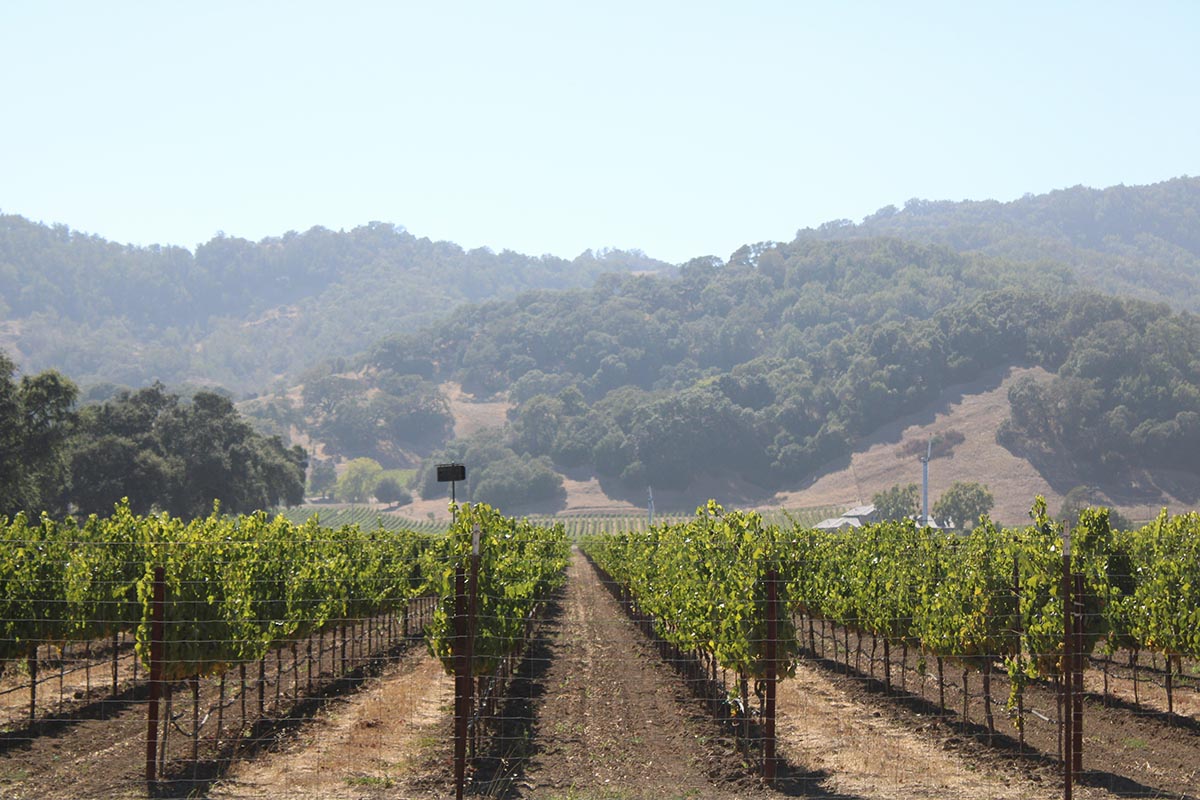
The landscape itself tells a story. Rolling hills, sunlit valleys, and carefully tended vines reflect the harmony between nature and human expertise. It is this balance that has allowed Napa Valley to maintain its reputation for excellence over time.
The Experience of Wine Travel in Napa Valley
Wine travel in Napa Valley is about more than tasting. It is an immersive journey that combines history, culture, and sensory exploration.
Travelers often begin their day with vineyard tours, where they learn about grape cultivation and harvesting. This is followed by guided tastings that highlight the nuances of different vintages. Each sip reveals layers of flavor shaped by soil, climate, and craftsmanship.
Beyond the vineyards, Napa offers a rich cultural experience. Local cuisine, art galleries, and scenic drives all contribute to the overall journey. The region invites visitors to slow down and appreciate the finer details, much like the wines themselves.
Preserving Tradition While Embracing Innovation
Despite its long history, Napa Valley continues to evolve. Winemakers are constantly experimenting with new techniques while staying true to traditional methods that have stood the test of time.
Sustainability has also become a key focus. Many vineyards now prioritize environmentally friendly practices, ensuring that future generations can continue to enjoy the region’s offerings.
This blend of tradition and innovation keeps Napa relevant in an ever-changing world. It ensures that the wines produced today not only honor the past but also set new standards for the future.
Why Napa Valley Remains a Timeless Destination
What makes Napa Valley truly special is its ability to connect people with history through wine. Each bottle represents years of dedication, from the careful tending of vines to the precise art of fermentation and aging.
For travelers, this connection creates a deeper appreciation for what they are experiencing. It transforms a visit into a meaningful journey that goes beyond the surface.
Whether you are drawn by the scenic beauty, the rich history, or the allure of rare and collectible wines, Napa Valley offers an experience that is both timeless and unforgettable.



Leave a Reply
You must be logged in to post a comment.