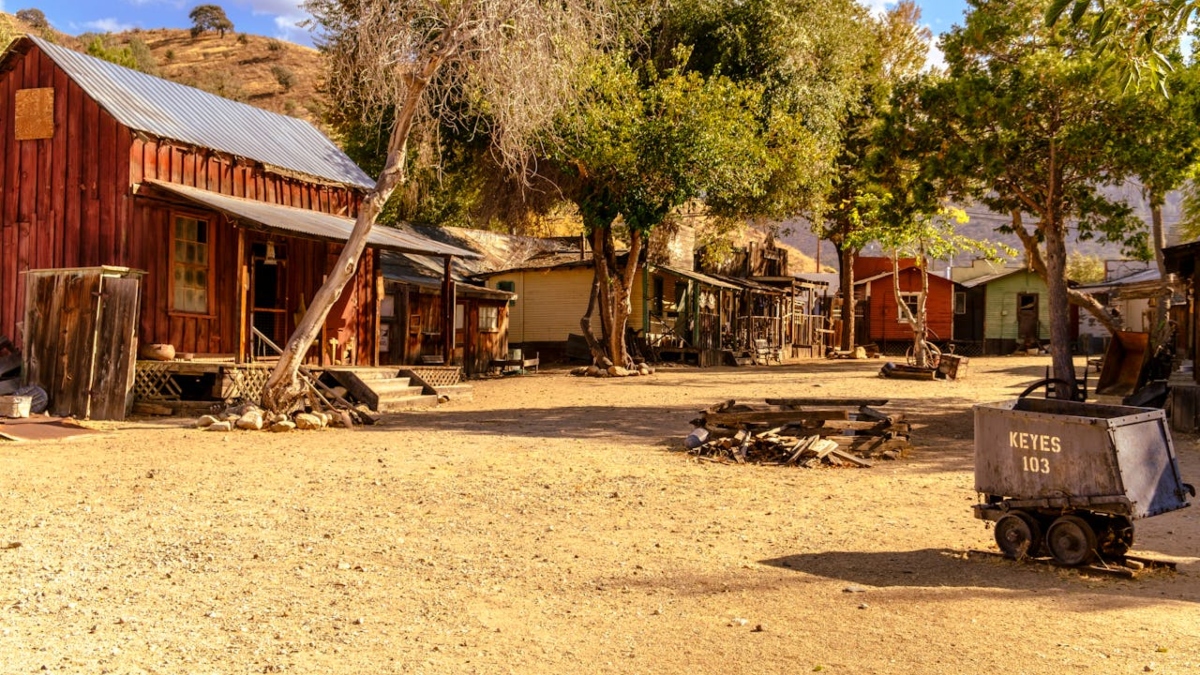
The first visit to the mountains revealed California’s High Sierra ghost towns in a way no book or photograph could capture. Quiet streets and weathered buildings created a sense of suspended history. Each step felt deliberate, as if the past demanded careful attention. Wooden porches creaked under shifting winds, echoing former activity. Faded signs still hinted at busy days long gone. These towns appeared not as abandoned stories, but as paused conversations. They seemed to wait patiently for visitors willing to observe and listen.
Discovering the Purpose of the Journey
The idea of exploring the ghost towns began as casual curiosity. Over time, that curiosity developed into a focused plan shaped by research and quiet reflection. The goal became clearer with each discovery: to understand why people chose such remote places to build lasting communities. Therefore, maps and weathered journals guided route selection and daily planning. Local archives revealed forgotten trails and abandoned access points. As these details came together, each source added depth and a subtle sense of presence. Through careful preparation, general interest turned into a clear intention to experience places frozen in time.
Preparation Before the First Step
Every meaningful trip benefits from early preparation and clear steps, especially when connected to a larger life change. For anyone learning how to plan a long-distance move to California, exploring nearby historic towns offers insight into both the region and its forgotten past. Empty streets and fading structures reveal how earlier settlers faced distance, risk, and uncertainty. Timing, routes, and essential supplies require close attention during both relocation and travel planning. In unfamiliar areas, emergency planning matters more than convenience. Careful preparation helps prevent small mistakes from becoming serious problems. Through thoughtful planning, uncertainty fades, and long-term confidence grows.
Mapping Routes and Trails
Thoughtful travel includes planning a trek in California with realistic expectations. Trails near ghost towns vary widely in condition and accessibility, often reflecting years of neglect and weather damage. Some require only short, manageable hikes, while others demand careful climbing and steady balance along crumbling paths. Local ranger stations often provide reliable updates on weather and trail safety. In remote areas, faded markers sometimes disappear without warning, leaving only faint traces of former routes. Wind, snow, and time slowly erase signs of human passage. As a result, strong navigation skills remain essential throughout the journey.
Daily Life in Abandoned Settlements
Walking through empty streets reveals clear traces of daily routine and social structure, even in complete silence. Rusted stoves suggest shared meals and family gatherings that once filled small kitchens with noise and warmth. School desks recall organized education and childhood discipline in now-abandoned classrooms. Mailboxes point to active communication networks and steady connections with the outside world. Churches reflect strong community bonds and shared values that once brought neighbors together. Old hotels hint at seasonal visitors and traveling workers who passed through briefly. Together, these objects help reconstruct how everyday life once functioned in places now left behind.
Understanding the Mining Past
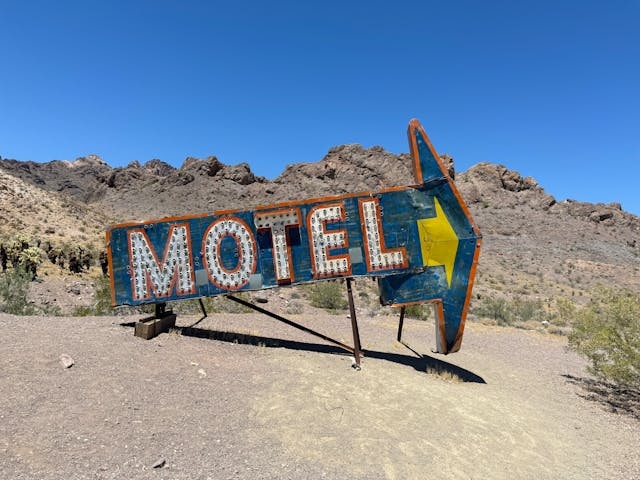
Most High Sierra ghost towns grew from early mining hopes and strong economic ambition. Prospectors searched for gold, silver, and other valuable minerals in harsh terrain. Temporary camps slowly became busy settlements with permanent housing and services. As populations increased, stores, schools, and newspapers followed. Strong optimism fueled rapid expansion and risky investment. When resources declined, collapse arrived quickly. These cycles left lasting marks on every remaining structure.
Why California’s High Sierra Ghost Towns Still Matter
The survival of these towns carries strong cultural and educational value for future generations. Each remaining building preserves evidence of human effort, ambition, and risk. Together, they document migration patterns and early labor systems shaped by difficult conditions. They also reflect the environmental challenges of long-term mountain living. Their remains support ongoing historical and archaeological research. Visitors gain a clearer perspective on economic instability and social change. Continued preservation ensures that these lessons remain visible and relevant.
From Mining Camps to Silent Ruins
Many settlements originated during the nineteenth-century gold rush and later became part of gold rush ghost towns and ruins in California’s High Sierra. Mining claims attracted investors, laborers, and merchants seeking quick profit. Equipment and supplies arrived through difficult mountain routes. Temporary camps gradually expanded into structured towns with homes, shops, and schools. When ore deposits declined, populations moved away with little warning. Buildings remained without caretakers and slowly deteriorated. Today, these ruins serve as physical records of ambition, risk, and rapid change.
Personal Reflections Among Ruins
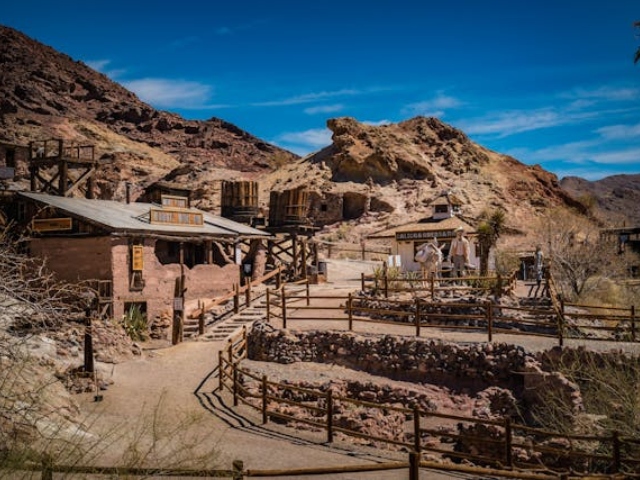
While standing near collapsed cabins, attention often returns to California’s High Sierra ghost towns and their lingering presence. The heavy silence encourages slower movement and sharper observation. Each weathered structure reflects choices shaped by hope, risk, and economic pressure. Faded doorways and broken windows hint at lives interrupted rather than erased. These stories still connect with modern migration patterns. In the quiet mountain air, history feels close and unresolved.
Environmental Influence on Settlement Patterns
High altitude strongly affects both construction and long-term survival in mountain settlements, leaving visible marks on every abandoned structure. Harsh winters once limited access to supplies and isolated entire communities for months. Heavy snow loads placed constant pressure on roofs and weakened support beams over time. Spring floods slowly eroded foundations, tilting walls, and breaking floors. Frequent temperature shifts caused wood and stone to crack and separate. These forces worked quietly year after year.
Respectful Tourism and Preservation
Responsible visitors play an important role in protecting fragile sites by following preservation guidelines. Staying on marked paths reduces erosion and limits damage to unstable ground. Avoiding the removal of artifacts helps preserve the stories still tied to abandoned objects. Volunteers support cleanup and maintenance projects throughout the year. Their quiet efforts slow natural decay. When guided by respect, tourism becomes part of long-term conservation rather than a threat.
Learning From Local Historians
Conversations with regional historians added meaningful depth by linking personal memories with documented research. Family records and private archives showed how local history developed over time. Oral histories filled gaps that official sources could not cover. Old photographs revealed buildings and streets that no longer exist. Their dedication preserved fragile community memory. Continued collaboration helps keep these stories accurate and alive.
Emotional Impact of Silent Towns
Extended time in abandoned spaces gradually reshapes perception and awareness. Reduced noise allows the mind to settle and sharpens sustained concentration. Visual simplicity removes unnecessary stimulation and encourages deeper reflection. The absence of commerce and advertising reduces mental pressure and outside distraction. As a result, visitors slow their pace and move with greater intention. Thoughts begin to organize naturally without constant interruption. This quiet exposure supports emotional balance and clearer inner focus.
Reflecting on California’s High Sierra Ghost Towns
My journey ended with renewed respect for California’s High Sierra ghost towns and their enduring lessons. Ambition once reshaped remote valleys into active centers of work and settlement. As speculation increased, early success began to hide serious risks. When markets collapsed, resilience became necessary for survival. That resilience remains visible in weathered walls and worn pathways. Through continued preservation, these silent towns continue to communicate their stories.
About the author:
June Lee is a travel writer who focuses on history, relocation, and regional exploration. She writes about places shaped by migration, memory, and change. Her work blends research with on-site observation to create grounded, engaging narratives.