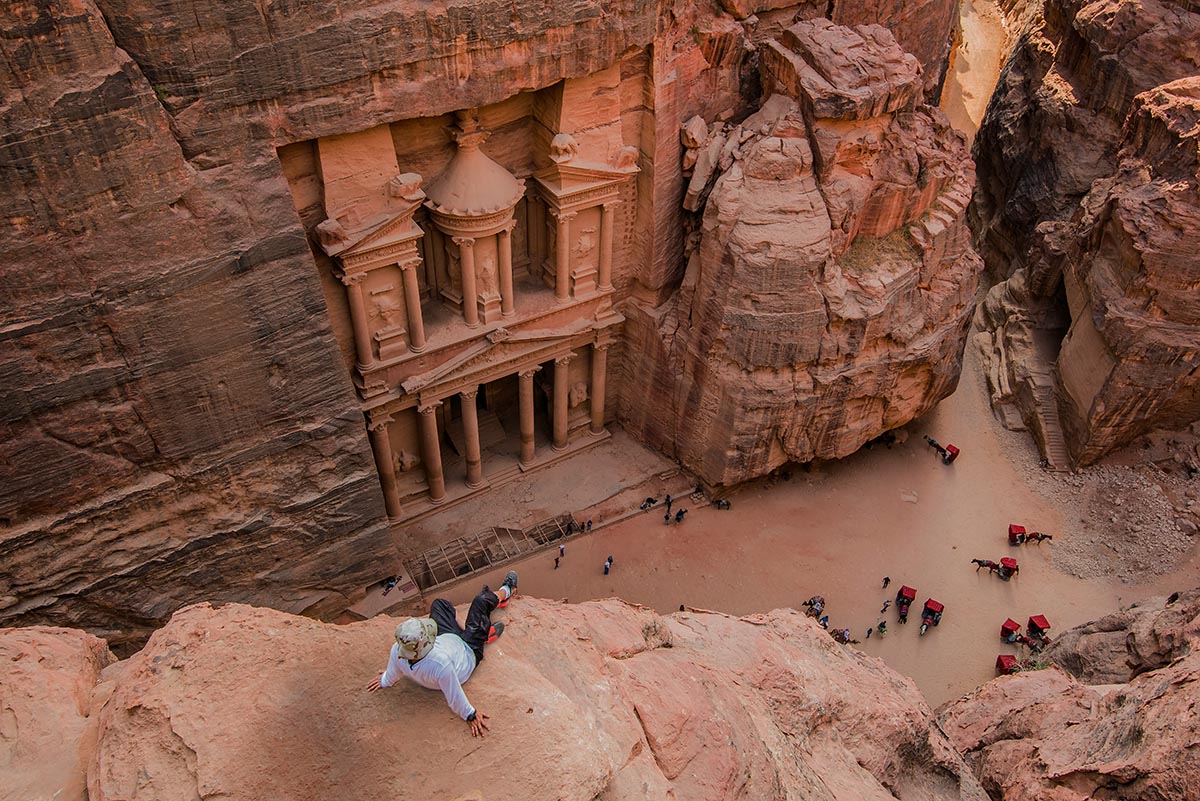
Have you ever seen photos of a huge pink stone building carved into a mountain and thought about how people created something like that many centuries ago?
Petra in Jordan is one of those places that instantly makes people curious. When travelers walk through its stone paths and look at the carved structures, it feels like stepping into a beautiful chapter of human history. Petra is famous for its rock-cut architecture, warm sandstone colors, and peaceful desert surroundings.
Many visitors say the moment they enter Petra, they feel calm and amazed at the same time.
The ancient city shows how people in the past used creativity, skill, and patience to build something truly memorable. Petra continues to attract visitors from many countries because of its unique beauty and rich cultural story.
Walking through its paths, looking at tall rock walls, and seeing ancient structures carved into stone, the visit feels meaningful and unforgettable.
The Historical Beauty Of Petra
Petra stands in the southern part of Jordan and has been admired for centuries because of its architecture and history with slot gacor game. The city was built by the Nabataeans, an ancient Arab community known for their building skills and trade networks. They carved buildings, tombs, and temples directly into pink sandstone cliffs.
This method created structures that appear naturally connected with the mountains around them. The city became an important center for trade because it stood along routes used by travelers and merchants.
Today, Petra is recognized as a UNESCO World Heritage Site and continues to impress visitors with its timeless charm and cultural importance.
The Siq: The Beautiful Entrance Path
The Siq is the narrow passage that leads visitors into Petra. It is a natural canyon with tall rock walls rising on both sides. Walking through the Siq feels peaceful as sunlight softly touches the stone walls.
The path gently curves until visitors finally see Petra’s most famous structure at the end. Many people say this walk is one of the most memorable parts of visiting Petra because it slowly reveals the beauty of the ancient city.
The Treasury: Petra’s Iconic Landmark
At the end of the Siq appears the magnificent building known as the Treasury. The structure stands tall with detailed carvings and columns cut directly into the rock.
Its pink and golden colors change slightly as sunlight moves across the surface during the day. Travelers often pause here to admire the artistic details and take photographs. The Treasury represents the craftsmanship and imagination of the Nabataean builders who created it many centuries ago.
The Royal Tombs
Another beautiful area of Petra includes the Royal Tombs. These tombs were carved high into the cliffs and show impressive architectural designs. Each tomb has its own pattern and structure, giving visitors a chance to see different styles used by ancient builders. Standing near these tombs allows visitors to appreciate how carefully the builders shaped every detail into the stone walls.
Cultural And Architectural Highlights Of Petra
Petra offers many structures and spaces that show how people lived, gathered, and celebrated life in ancient times. Walking through the city reveals temples, gathering areas, and beautifully carved monuments. These places help visitors imagine daily life in Petra many centuries ago.
The Monastery: A Grand Stone Structure
The Monastery is one of the largest monuments in Petra. Reaching it requires a pleasant walk along stone steps that lead higher into the mountains. When visitors arrive, they see a massive building carved into the cliff with wide columns and decorative carvings. The peaceful surroundings and open space around the Monastery create a calm atmosphere that many travelers enjoy.
The Ancient Theater
Petra also includes a large theater carved directly into the rock. This theater once hosted gatherings and events where people could watch performances or meetings. Its curved seating areas face a central stage and show how carefully the Nabataeans planned public spaces. Standing in the theater today allows visitors to imagine lively moments that once took place here.
The Colonnaded Street
The Colonnaded Street was once a lively part of Petra where people walked, traded goods, and interacted with one another. Stone columns line the street, creating a pathway that still feels impressive today. This area gives visitors a sense of the active community that once thrived within the ancient city.
Some interesting highlights visitors often notice include:
• Tall sandstone cliffs with natural patterns and warm colors
• Beautiful stone carvings created directly in the mountain walls
• Wide open spaces surrounded by historic structures
• Calm desert scenery that adds to the peaceful atmosphere
These details make Petra feel both historic and visually impressive.
Natural Beauty Around Petra
Petra is not only admired for its architecture but also for the surrounding desert scenery. The area includes hills, valleys, and rock formations that change colors throughout the day as sunlight moves across them. The warm tones of the stone often appear pink, gold, or soft orange.
Desert Paths And Scenic Views
Many visitors enjoy walking along the desert paths around Petra. These paths lead to viewpoints where people can see the city from above. Looking down at carved structures surrounded by mountains creates a beautiful scene that photographers and travelers appreciate.
Sunlight And Sandstone Colors
One of the most special aspects of Petra is how the sandstone reflects sunlight. Early morning light brings soft pink shades while afternoon sunlight creates warm golden colors. In the evening the cliffs appear calm and peaceful under gentle light. This natural change of color adds charm to the entire site.
Important Places To See In Petra
Petra contains many locations that visitors enjoy exploring during their visit. Each place offers a different view of the city’s architecture and culture.
| Place In Petra | What Makes It Special | Experience For Visitors |
| The Siq | Narrow canyon entrance | Peaceful walk between tall rock walls |
| The Treasury | Iconic carved structure | Admire detailed stone architecture |
| Royal Tombs | Cliffside burial sites | View impressive ancient carvings |
| The Monastery | Large rock monument | Enjoy wide open mountain views |
| Ancient Theater | Carved gathering space | Imagine cultural events of the past |
These places together create a rich picture of Petra’s historical beauty and cultural importance.
Simple Tips For Visitors
People visiting Petra often enjoy taking their time to walk through the city and appreciate its surroundings. A calm pace allows visitors to notice the carvings, colors, and atmosphere more clearly.
Enjoy The Walk Through History
Walking remains one of the best ways to experience Petra. As visitors move from one monument to another, they gradually see different aspects of the ancient city. This slow exploration helps people connect with the history of the place.
Notice The Small Details
Petra includes many small carvings and decorative shapes in the rock. Looking closely at these details helps visitors understand the artistic skill of the ancient builders. Even small patterns carved into stone reflect careful work and creativity.
Capture Memories With Photos
Visitors often enjoy taking photos of Petra’s buildings and scenery. The natural lighting and colorful stone cliffs create beautiful images that help people remember their visit. Early morning and late afternoon light often brings especially soft and warm colors.
Final Thoughts
Petra in Jordan remains one of the most fascinating historical places in the world. Its carved monuments, peaceful desert scenery, and rich cultural story create an unforgettable experience for visitors. Walking through the narrow canyon, seeing the Treasury appear between towering cliffs, and exploring ancient structures carved into stone all add to the charm of this remarkable city.
Petra continues to remind people of the creativity and dedication of ancient builders who transformed mountains into beautiful architecture. Through its timeless beauty and cultural value, Petra offers visitors a meaningful connection to history and a chance to appreciate the artistic achievements of the past.

