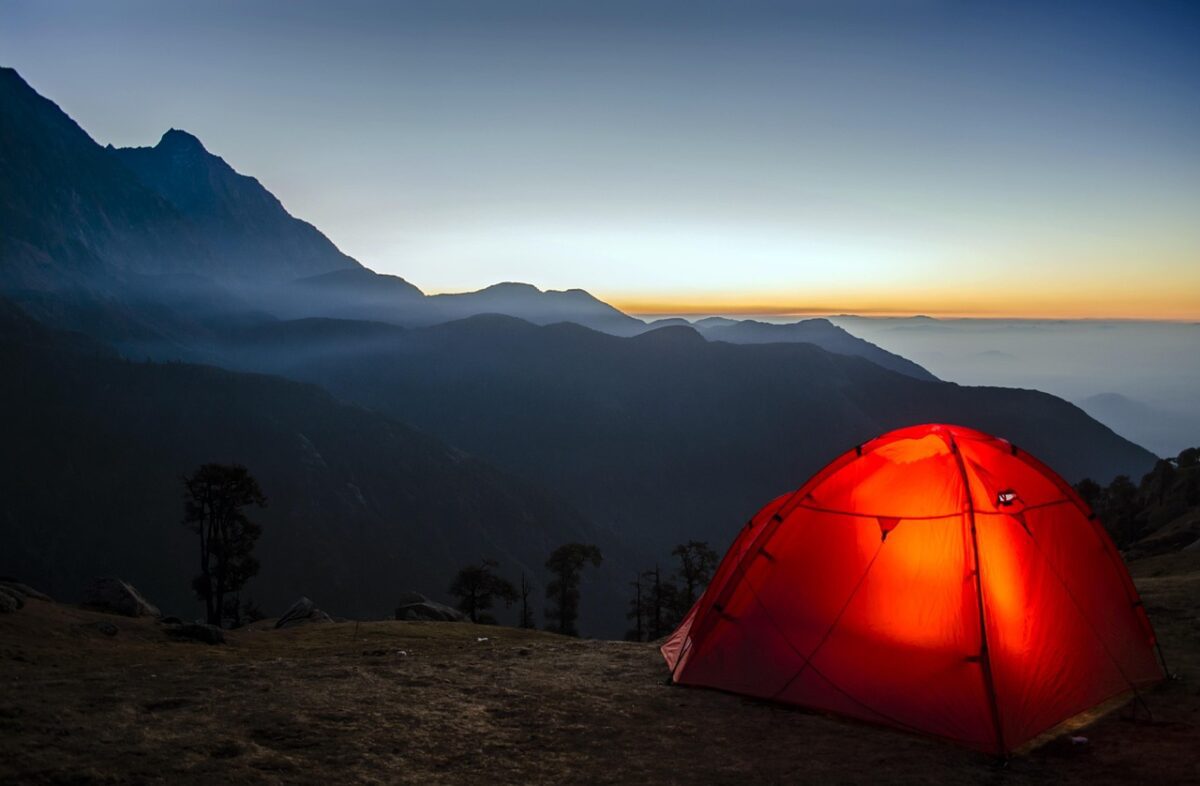
Are you planning a trek in California? That is a really good call. The country’s mountain trails offer some of the most rewarding trekking experiences. From quiet forest paths to wide alpine views, the variety alone makes every trail feel special. It is the kind of place where each step feels earned, and every pause feels worth it.
But here is something many people learn only after their first long trek: How much you enjoy the experience depends heavily on what you bring with you. Not just the clothes, but the smaller details too. The way you plan food. Even the tools tucked into your pack. They may seem minor at first, but out on the trail, they often make the biggest difference.
So, before heading out, take a moment to walk through this article. From shelter to safety, it covers everything you truly need to pack alongside your clothes for California’s mountain trails.
Basic Shelter and Sleeping Essentials
California’s mountain weather can change quickly, even on well-marked trails. A sunny afternoon can turn cool once the sun drops, and higher elevations often bring unexpected wind or sudden temperature shifts. That is why reliable shelter is not just helpful, but essential.
At the most basic level, you need to pack:
- A lightweight tent or bivy protects from wind and moisture.
- A sleeping pad adds insulation from the cold ground.
- Proper layers help trap warmth when temperatures fall overnight.
Once those basics are covered, it is worth thinking about the smaller tasks involved in setting up camp. For example, pitching a tent often requires cutting cord, trimming excess material, or adjusting gear. This is where a reliable knife becomes useful. It helps with these simple tasks, so you are not left improvising or struggling with awkward solutions.
Consider a practical outdoor option, such as a butterfly knife. It folds securely, takes up very little space, and handles basic campsite tasks without unnecessary complexity. Plus, when sourced from established retailers like PVK, these tools come built for durability and steady use, making them hold up well in outdoor conditions.
Along with that, it also helps to pack a few other small essentials, such as an extra cord, repair tape, or tent stakes, which can quietly solve common campsite issues. Together, these items support proper rest, which directly affects energy levels, mood, and focus the next day.
Cooking and Food Essentials
Food on the trail serves a different purpose than food at home. It is about steady energy, warmth, and simplicity. Long treks can drain energy faster than expected, especially at elevation, so meals should be easy to prepare and easy to digest.
Most trekkers rely on lightweight cooking setups or simple no-cook meals, depending on trip length. The goal is not variety, but consistency. Meals that are familiar and filling tend to work best. Hydration also plays a key role, especially in California’s drier mountain air.
A practical food setup often includes:
- Lightweight meals that pack well
- A compact stove or heating option if cooking is planned
- Adequate water storage
- A method to purify water along the trail
When food is planned calmly, it becomes something to enjoy at rest stops instead of a rushed necessity.
Safety and Navigation Essentials
Even well-known California trails can start to feel unfamiliar once you move deeper into the mountains. Trail junctions can look similar, weather can shift without much warning, and visibility can change as clouds roll in or light fades. In these moments, having basic navigation tools helps you stay oriented and calm, rather than second-guessing every step.
Preparation here is less about anticipating problems and more about giving yourself confidence. Simple tools and habits make a noticeable difference, especially on longer treks where fatigue can set in.
It helps to carry:
- A physical map or trail guide, which works even when devices lose signal
- A GPS device or navigation app, used as a backup rather than a sole guide
- An emergency whistle or headlamp, useful for visibility or signaling if conditions change unexpectedly
These small steps create a sense of reassurance. They allow you to focus on the trail itself, knowing you have options if plans shift slightly along the way.
Personal Items and First-Aid Basics
Personal items tend to feel unimportant until they are suddenly needed. Small issues like blisters, muscle soreness, or minor cuts are common on the trail, especially over multiple days. Having a few basic supplies on hand allows these issues to be managed quickly before they affect the rest of the trek.
A simple personal kit might include:
- Blister care supplies, such as bandages or tape
- Basic medications, including pain relief or personal prescriptions
- Simple first-aid items, like antiseptic wipes and gauze
- Personal comfort items, such as lip balm or hand sanitizer
These items do not take up much space, but they offer peace of mind. When small concerns are handled early, it becomes easier to stay present and enjoy the experience rather than focusing on discomfort.
Wrapping Up
Packing for a California mountain trek does not require excess gear or complicated systems. It requires thoughtful choices that support comfort, rest, and steady movement. When shelter, food, safety, and first-aid tools are selected with care, the trail feels more inviting and less demanding. Good preparation allows the experience to slow down, making space for the views, the quiet moments, and the satisfaction of moving through the mountains with confidence.



Leave a Reply
You must be logged in to post a comment.