California holds old missions, chapels, and church grounds that still shape how people read the state’s past. These places tell stories about faith, rule, labor, and daily life across many generations. They also show beauty, tension, and survival in one setting. The story of landmarks across California becomes clearer when you stand inside these spaces and read the marks they left behind. White walls and bell towers may draw visitors in first. Yet human history keeps its attention much longer.
Mission San Diego and First Impressions
Mission San Diego de Alcalá is often seen as the starting point of the mission chain in California. Founded in 1769, it helped set the pattern for sites that came after it. The church looks calm today, but its history carries hard truths about power and forced change. Visitors can still sense how prayer, work, and discipline shaped life there. Seeing a place with this much weight feels very different from finding a local secret in Menlo Park on a relaxed afternoon. This mission asks people to look past the postcard view and think harder.
Carmel and the Meaning of Place
Mission San Carlos Borromeo in Carmel helps newcomers understand California on a deeper level before they settle in. If you are asking what to expect when moving here, the mission gives part of that answer through history, faith, and local tradition. It also fits the dos and don’ts of California relocation, because new residents should take time to learn what shaped the places around them instead of focusing only on present-day life. A visit here turns relocation into more than a move by adding culture and context to the experience.
San Juan Capistrano and the Pull of Return
Mission San Juan Capistrano remains one of the most visited historic sites in the state. Its broken stone arches and old courtyards create a look that stays with people long after they leave. Many visitors arrive knowing the story of the returning swallows, and that gives the mission a warm public image. Yet the site means much more than one famous tradition. It shows how religion shaped town life, education, farming, and public order in early California. That mix of beauty and history gives the mission lasting strength.
Island Chapels and Sea Air
California’s sacred history also reaches beyond the mainland missions. Small chapels in coastal towns and on islands carry their own local meaning. In that spirit, exploring Catalina Island can become more than a day trip filled with sun and sea views. Older church spaces there reflect family life, work, and worship in a close-knit setting. They may be modest, but they often feel personal in a way large sites do not. These places remind visitors that history can live in quiet rooms as well as famous compounds.
Santa Barbara and a Beautiful Contradiction
Mission Santa Barbara is easy to admire because its setting is so striking. The twin towers, garden paths, and mountain backdrop create a strong first impression. Still, the site matters for more than its beauty. It stands as a living church and a record of a system that brought big change to Native communities. Visitors can feel both devotion and control in its long history. That contrast gives the mission a seriousness that simple praise would miss.
Santa Ana and Community Memory
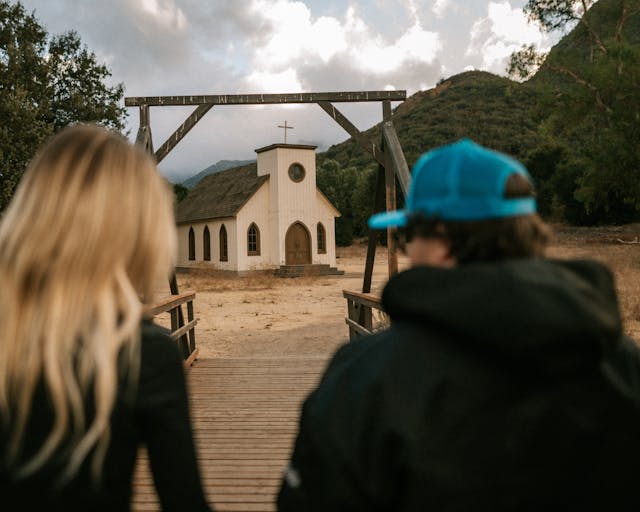
Old religious landmarks matter in cities too, especially in places where daily life moves fast, and older buildings can fade into the background. In Santa Ana, church sites help tell the story of families, migration, and neighborhood life over time. A visit to the Bowers Museum can deepen that understanding because it places local history within a wider cultural frame. Nearby churches then feel tied to real people instead of sitting apart as silent monuments. This pairing of museum context and sacred architecture works very well for curious visitors. It turns a city visit into a fuller history lesson.
San Luis Rey and the Scale of Power
Mission San Luis Rey stands out because it feels large even by mission standards. Its long arcades, wide courtyards, and broad grounds show how much authority the mission system aimed to hold. The space was built for worship, labor, housing, and control all at once. That design reveals the mission’s practical purpose with unusual clarity. People often describe the site as peaceful, and it is. Still, the calm of the present should not hide the strict structure of the past.
Mission Dolores in a Changing City
Mission Dolores offers a different kind of visit because a modern city surrounds it on every side. The chapel is one of San Francisco’s oldest surviving buildings, and that age gives it a special force. Inside, the space feels intimate, direct, and close to the past. Outside, the district shows how much has changed around it. This mission helps people see that San Francisco did not begin with cable cars or new tech offices. It began with sacred ground, Native presence, and colonial plans.
San Gabriel and the Reach of History
Mission San Gabriel Arcángel has long shaped the wider Los Angeles region. Its sturdy design and old church walls give it a look that feels distinct from several other missions. The site also shows how landmarks across California can reveal shared patterns of settlement, labor, worship, and conflict. Years of repair and renewed care have added another layer to its story. Preservation here means more than keeping a building upright. It means deciding how honestly the building will speak to the public.
Small Churches That Still Matter
California’s sacred history does not live only in famous places. Small parish churches, cemetery crosses, and roadside chapels often hold deep meaning for local families. A modest building can preserve memory in a very direct way. People marry there, mourn there, and return there across many years. These sites often tell stories that feel close to daily life. Their value may be quiet, but it is real and lasting.
Why Landmarks Across California Still Matter Today
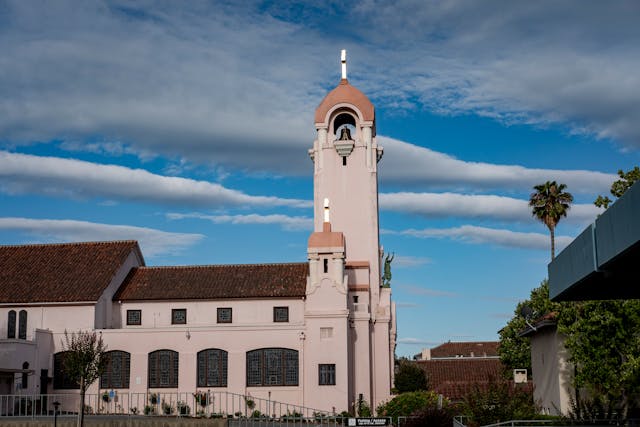
Old missions and religious sites remain important because they connect modern life to stories that still need attention. They preserve art, craft, memory, and faith, but they also hold records of pain and control. Seeing both sides gives visitors a clearer view of the state’s past. The story of landmarks across California is strongest when beauty and truth stay together on the same ground. These places still matter because they ask people to admire, question, and remember. That is what gives them such deep cultural roots.
About the author:
Clara Bennett is a California travel and culture writer with a strong interest in local history, mission heritage, and community stories. She writes clear, engaging articles that connect readers with the places, people, and traditions that shaped the state. Her work focuses on making California’s past feel accessible, relevant, and interesting for modern readers.