Planning a trip to Mexico often brings up images of expensive beach resorts and high-end tourist traps, but it is entirely possible to explore this culturally rich nation without breaking the bank. In 2026, you can travel comfortably on a budget in Mexico for about $45 to $60 USD, or 700 to 1,000 MXN, per day. This allows you to experience the country’s major highlights without feeling restricted.
The secret lies in shifting your focus away from typical coastal hotspots and instead:
- Exploring vibrant inland cultural cities
- Utilizing efficient long-distance buses or budget airlines
- Indulging in authentic meals at local markets
By prioritizing free or low-cost experiences, you can build an incredible itinerary that maximizes value while delivering an unforgettable adventure.
What does a realistic daily budget look like in Mexico for 2026?
If you are aiming for a super low budget, you can expect to spend between 400 and 600 MXN per day. This requires:
- Staying in hostel dorms
- Eating exclusively at local markets or street food stalls
- Relying on public transport
- Sticking to free sights
For a more comfortable budget, plan for 700 to 1,000 MXN per day, which allows for a private hostel room or simple guesthouse, a few restaurant meals, and a mix of buses and rideshares.
The standard backpacker benchmark sits right around 900 MXN per day, offering a balanced mix of dorm stays, self-cooked meals, and a few paid attractions. If you are planning a two to three-week adventure, a realistic on-the-ground budget, excluding international flights, will range from 15,000 to 25,000 MXN. For instance, a two-week budget trip in Mexico City typically totals around $560 to $840 USD, covering all basic needs and selective attractions.
Which inland destinations offer the best cultural highlights for less?
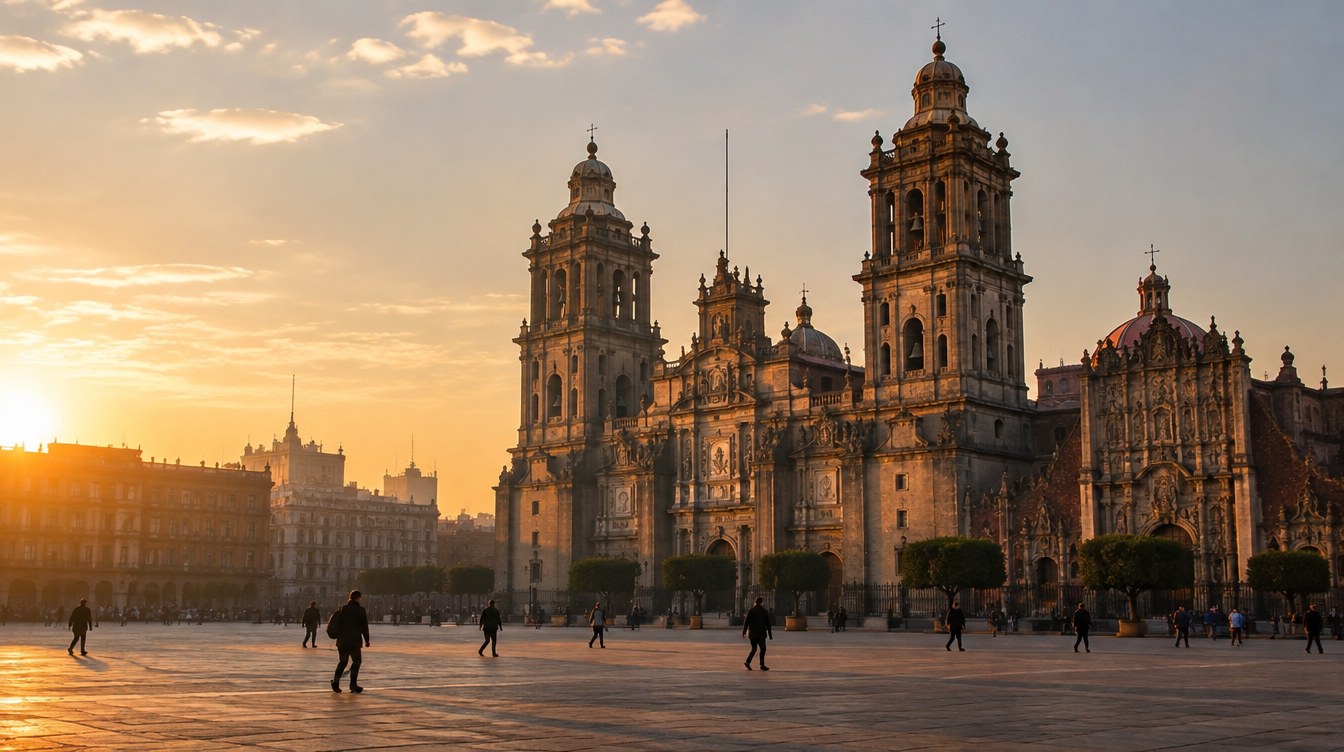
Your choice of destination plays a massive role in your overall expenses, as inland and cultural destinations are generally 30 to 50 percent cheaper than beach resorts. Mexico City remains one of Latin America’s most affordable major capitals, offering world-class museums, the historic Zocalo, and vibrant neighborhoods like Coyoacan at a fraction of the cost of coastal cities. Oaxaca City is another incredible option, famous for its exceptional food, mezcal, and indigenous culture, with hostel beds starting around $8 USD.
Other high-value regions include Puebla, known for its colonial center and mole poblano, and Merida in the Yucatan, which serves as a highly affordable base for exploring Mayan ruins and cenotes. In contrast, Caribbean and Pacific beach resorts like Cancun, Tulum, and Los Cabos have seen 15 to 20 percent year-over-year price increases for mid-range properties due to the peso boom. To balance your budget, consider a strategy that combines an iconic, more expensive location with a cheaper emerging cultural destination, such as pairing Puerto Vallarta with Guadalajara or Oaxaca with Puebla.
When is the cheapest time of year to visit Mexican cities?
Timing your trip correctly can lead to massive savings, as prices in Mexico swing heavily with the tourist seasons. The absolute cheapest time of year to visit is during the low and shoulder seasons, specifically in the months of May, June, September, and October. Traveling during these windows yields accommodation and transport rates that are often 30 to 40 percent cheaper, along with the added benefit of smaller crowds and better service. The period between late April and early December is considered the low season, offering great value for budget travelers.
Christmas, New Year, Easter week, and the mid-July to August school holidays see sharp price increases across the board, particularly in coastal areas and popular cities. Furthermore, during major events or tournament seasons, hotels in host cities can cost 50 to 100 percent more than normal rates, so planning your dates carefully is essential.
What are the best transportation strategies for moving around the country?
Navigating Mexico affordably requires a mix of:
- Long-distance buses
- Strategic domestic flights
- Local public transit
Intercity buses are the backbone of cheap travel, with major companies like ADO, Estrella de Oro, and Primera Plus offering comfortable, reliable service. For long journeys, taking express buses is highly recommended, and booking your tickets online three to five days in advance can help you avoid paying up to 30 percent more on day-of purchases. An express bus ticket from Mexico City to Guadalajara, for example, costs about 525 MXN one-way.
For popular tourist routes like Mexico City to Oaxaca, carpooling platforms can save you 30 to 50 percent compared to standard bus tickets. When covering massive distances, budget airlines like Volaris and Viva Aerobus are incredibly useful; a four-hour domestic flight from Cancun to Puerto Vallarta might cost roughly 1,200 MXN one way, provided you travel with a carry-on only to avoid steep checked bag fees. Inside the cities, rely on the metro and local buses. The Mexico City metro costs just 5 MXN per ride, allowing you to explore extensively for under $2 USD a day, while ride-sharing apps like Uber offer a safe, transparently priced alternative to traditional taxis for late-night travel.
How can you find affordable accommodation during your trip?
Hostel dorm beds form the backbone of budget lodging, usually costing between 225 and 350 MXN per night, which translates to roughly $10 to $25 USD depending on the city and season. If you prefer a bit more privacy while staying on a budget, private hostel rooms generally range from 600 to 1,900 MXN per night, while basic budget hotels typically cost between 300 and 1,000 MXN per night.
In major hubs like Mexico City, entire apartments rented through home-sharing platforms usually range from 800 to 1,500 MXN per night, making them a solid mid-range option, especially if you book a stay of a week or longer to secure weekly discounts. To maximize your savings, always prioritize hostels or guesthouses in central locations that are walkable to major highlights, which will significantly reduce your daily transport costs. Additionally, budget travelers can consider hospitality exchanges with locals to eliminate accommodation costs entirely while gaining invaluable insider tips about free attractions and cheap eateries.
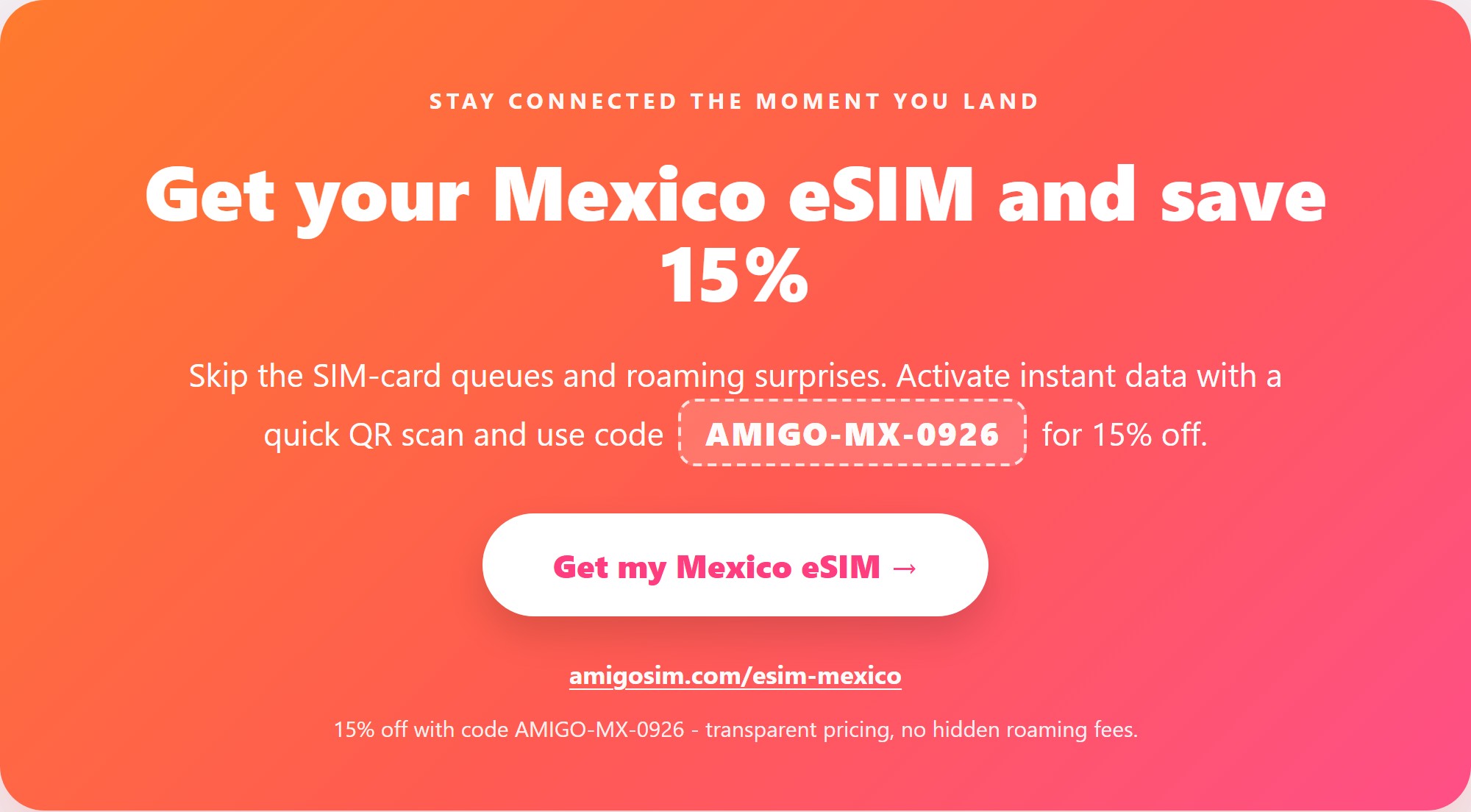
If you are heading to Mexico this year, you can use the code AMIGO-MX-0926 for 15% off any plan at amigosim.com/esim-mexico, with the eSIM ready to activate the moment you land.
What are the cheapest ways to eat authentic Mexican food?
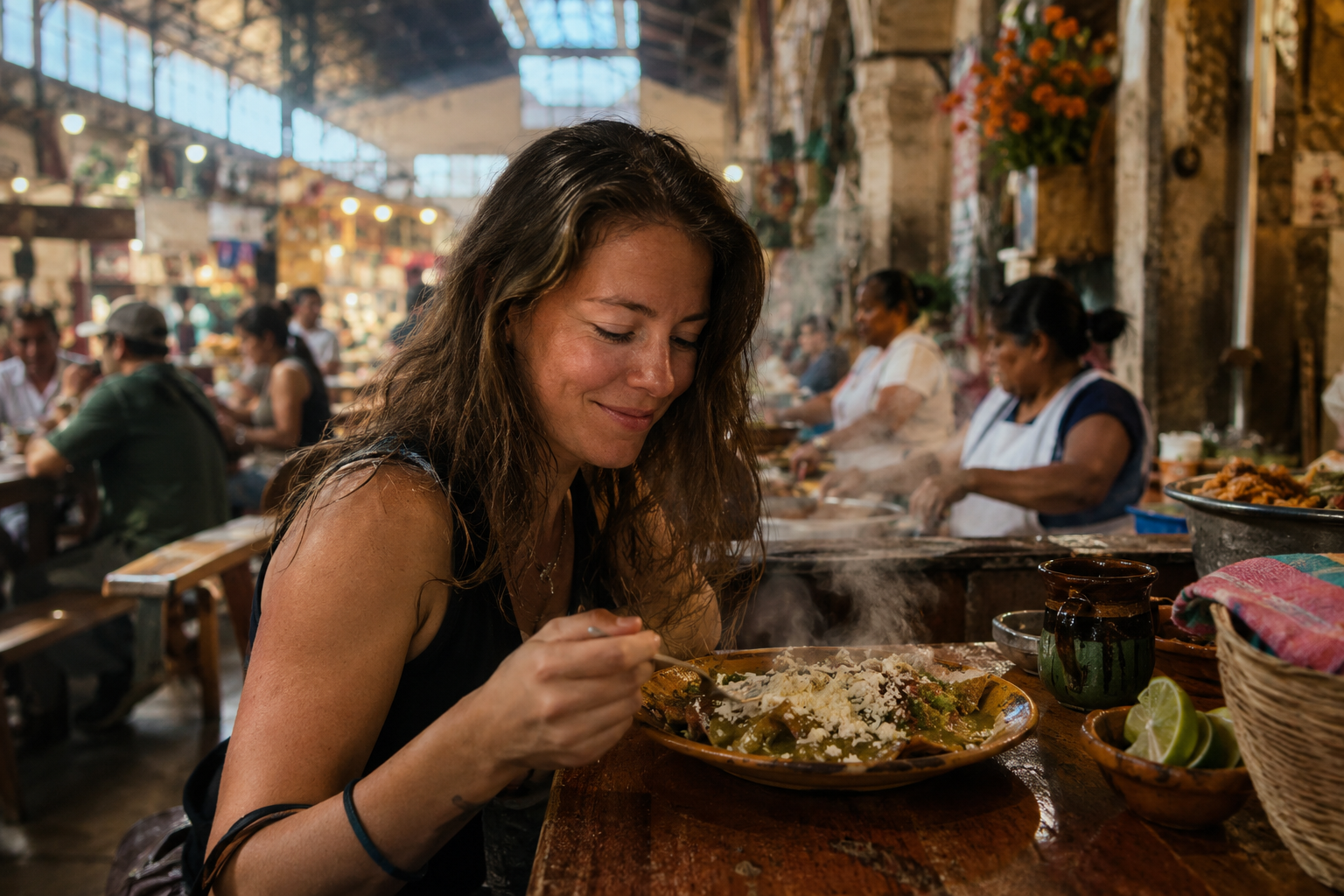
Mexico’s culinary scene is a massive highlight of any trip, and you can eat exceptionally well on a tight budget by following a few simple rules. A realistic full food budget for travelers is about 200 to 300 MXN per day, which is easily achievable if you focus on local markets and street food. A golden rule among budget backpackers is to always eat breakfast at the market, where a filling plate of eggs or chilaquiles usually costs just 30 to 60 MXN, roughly 70 percent cheaper than eating in a restaurant. For lunch, seek out comida corrida, a set lunch menu that normally costs 80 to 120 MXN and includes an appetizer, soup, main course, dessert, and a drink.
Street food is perfect for dinner and snacking; antojitos such as tacos, tamales, and gorditas often cost just 15 to 50 MXN each. By sticking to these local spots, you can easily enjoy three satisfying meals for $12 to $18 USD a day. To stay on budget, it is crucial to avoid restaurants and bars situated in heavy tourist zones that cater exclusively to foreigners with high markups. Reduce expenses by purchasing alcohol at local stores instead of overpriced bars and clubs.
How do you stay connected affordably while navigating new cities?
Navigating massive urban centers, translating menus at local markets, and booking last-minute bus tickets all require a reliable internet connection. In the past, budget travelers had to rely on hunting down free Wi-Fi in cafes or dealing with the hassle of purchasing physical SIM cards at inflated airport prices. Today, staying connected affordably is much easier thanks to digital alternatives that eliminate traditional roaming fees.
Having continuous access to maps, ride-sharing applications, and translation tools is a critical safety and logistical asset when exploring neighborhoods off the beaten path. By planning connectivity before your flight, you ensure immediate network access upon arrival, allowing seamless navigation to your accommodation.
Why is a country-specific digital plan essential for navigation?
When you are trying to catch a local colectivo or find a hidden street food stall recommended by a local, losing your internet connection is the last thing you want. A country-specific digital plan ensures that you are tapping directly into the strongest local networks, providing uninterrupted high-speed data exactly where you need it. Securing an eSIM for Mexico before your trip means you can enjoy instant digital activation the moment you arrive, completely bypassing the need to hunt for a physical SIM card vendor.
This targeted approach not only guarantees affordable high-speed internet tailored for travelers but also allows you to keep your original phone number active for important calls and dual-factor authentication messages.
What makes a global connectivity network trustworthy for backpackers?
Backpackers and long-term travelers require digital solutions that are as flexible and reliable as their itineraries. A trustworthy network offers transparent, low-cost plans without hidden fees or surprise roaming charges that could derail a carefully planned daily budget. When evaluating options, travelers look for providers that offer global data plans and effortless QR-code installations prior to travel.
For instance, solutions like Amigo eSIM allow travelers to get online instantly, leveraging their borderless coverage to ensure a seamless connection across multiple regions. Choosing a safe eSIM provider means you are protected from insecure public Wi-Fi networks while enjoying highly affordable mobile data. Digital SIM activation allows backpackers to securely and affordably navigate, manage finances, and stay connected.



Leave a Reply
You must be logged in to post a comment.