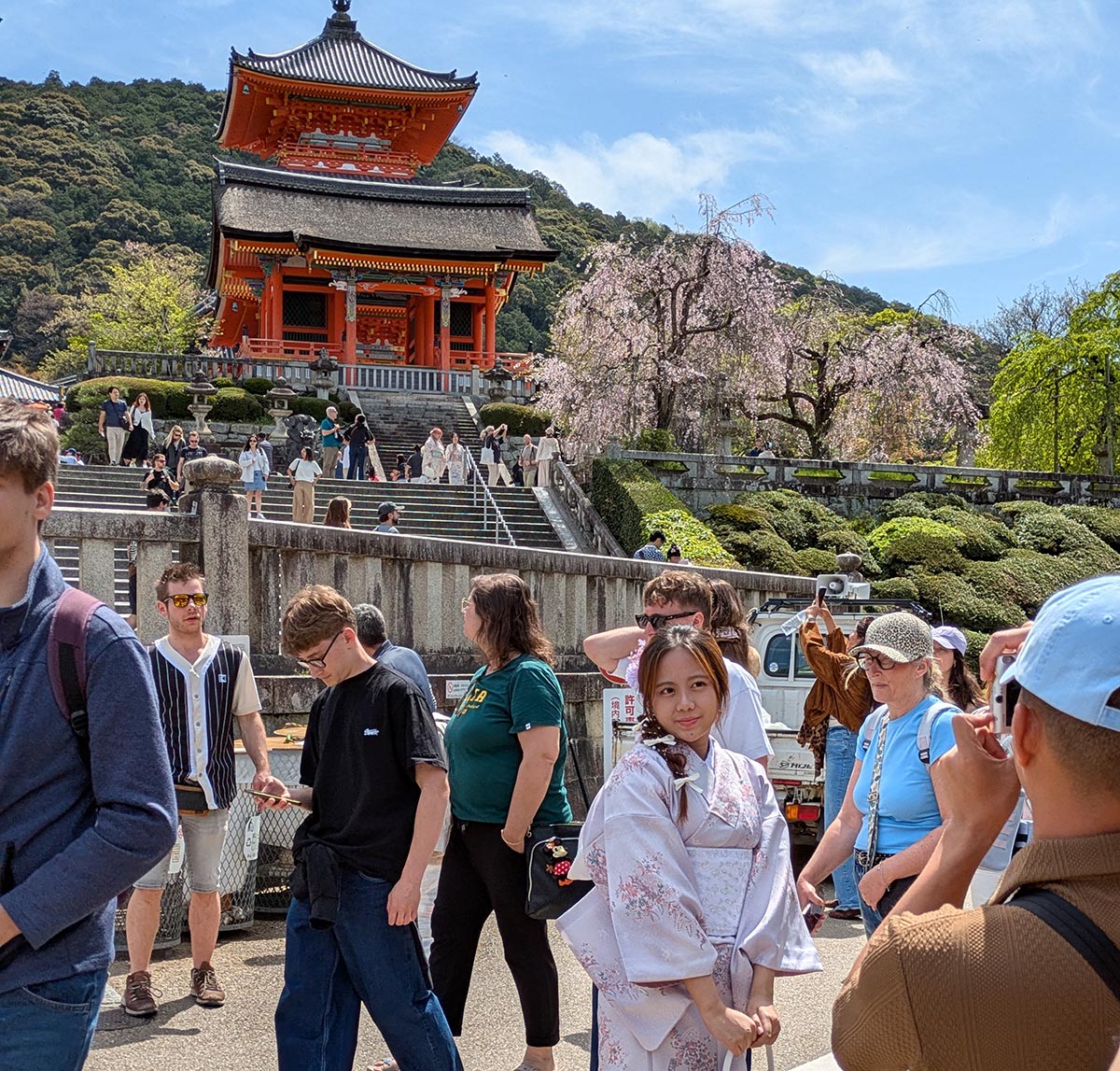
Most trips leave you with hundreds of photos, and most of them never get looked at again. They sit on your phone or laptop, buried under newer images, even though they capture moments you actually care about. Printing a few of them changes that. It brings those memories back into your day-to-day space instead of leaving them tucked away. The challenge is working out how to display them without it looking forced or overdone. Here are some ideas:
Create a photo wall
A set of photo tiles for your wall is one of the easiest and most versatile, buildable ways to bring a group of images together. Instead of scattering frames around the house, you keep everything in one place and let the collection build over time.
You can organize it however you like. Some people group photos by trip, while others mix locations to create a broader view of where they have been. There is no fixed rule here, but it helps to keep some level of consistency so it does not feel random.
Use your photos in everyday items
Photos aren’t just for the wall. A small number of well-chosen images can work on items you already use, like cushions or throws.
This works best when you keep it restrained. One or two pieces usually feel more natural than covering everything in prints. A single cushion with a landscape shot or a blanket with a subtle collage can add a personal touch without taking over the room.
Make a travel photo book
A photo book is one of the most practical ways to keep a large number of images without cluttering your walls. It also gives you a reason to go back through your photos properly instead of leaving them unsorted.
You can organize it by trip, by year, or however you prefer. Adding short notes alongside the images can help bring back the details that a photo on its own might not capture.
Photo books are something you can keep building over time. Each trip becomes part of a larger record rather than a separate set of images you forget about.
Use a digital frame
If you want variety without committing to a fixed display, a digital frame is a good option. It lets you rotate through a larger selection of photos without needing wall space for all of them.
You can update it whenever you like, which keeps things from feeling static. It is also useful if you take a lot of photos and struggle to narrow them down to a small set for printing.
Placed in a living room or hallway, it gives you a regular reminder of different trips without needing to constantly swap physical prints.
Turn photos into a calendar
A calendar is a straightforward way to keep your photos visible throughout the year. Pick twelve images and assign one to each month.
A calendar works well because it changes regularly. Each time you turn the page, you see something different, which keeps the display from fading into the background.
It is also practical. You are using something you already need, just with a more personal set of images.
Try a simple DIY piece
If you prefer something more hands-on, you can turn your photos into a small project. A lampshade, for example, can work well if you keep the layout clean and avoid overcrowding it.
Printing a few images onto thin paper and spacing them out around the shade can create a softer effect when the light is on. It is a subtle way to bring those images into the room without adding more frames to the walls.
As with the other options, restraint matters. A simple layout will usually look better than trying to fit in too many photos.
Bringing it together
You do not need to use every idea here. In most cases, one or two approaches will be enough. A photo wall combined with a book, or a digital frame alongside a few printed pieces, tends to cover both display and storage.
The main thing is to bring those photos back into view. Once they are part of your space, you are far more likely to revisit the moments they capture, rather than leaving them buried in a folder you never open.
Photo credit: © Cedar Cottage Marketing



Leave a Reply
You must be logged in to post a comment.