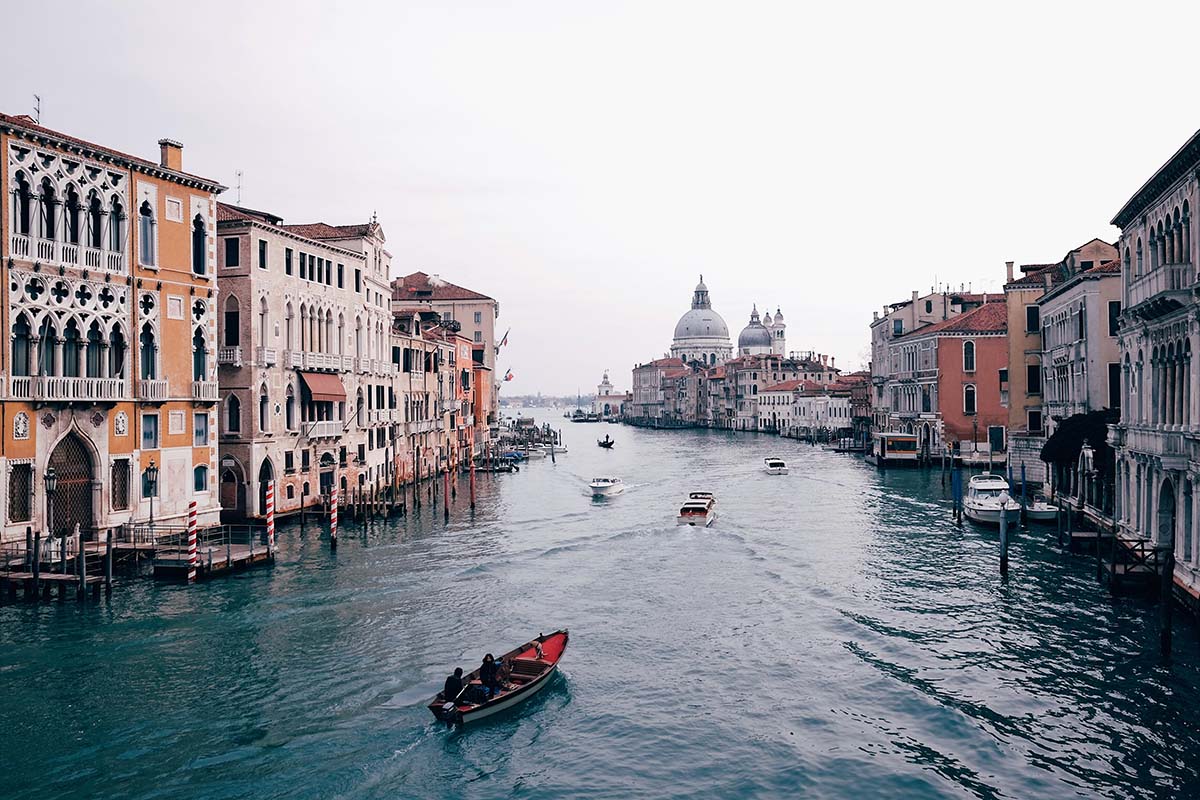
Timing decides whether your Italian trip feels magical or miserable. Get it wrong, and you queue for hours in 90°F heat. Get it right, and you stroll empty piazzas in perfect light. Travel specialists broadly agree that the sweet spots run April to June and September to October, when temperatures sit between 59°F and 77°F. This guide breaks down every season so you book with confidence.
The Short Answer: The Best Time to Travel to Italy
The best time to travel to Italy is spring and early fall. Specifically, target late April through June, then September and October. You get warm, dry days, open attractions, and lighter crowds than peak summer.
These shoulder seasons also protect your budget. Flights and hotels cost less than in July and August, when Italians and international visitors flood the country together. If you want one word of advice, go in May or October.
Spring in Italy (March to May)
Spring wakes Italy up. Wildflowers bloom across Tuscany and Umbria, and the air stays crisp and clear. March is still shoulder season, with northern cities ranging from the mid 30s°F to low 60s°F.
April and May are stronger. Days lengthen, café terraces fill, and ferry routes along the Amalfi Coast and the lakes begin reopening. Crowds grow toward late May, so book popular sites like the Colosseum and the Uffizi well ahead.
- Best for: city sightseeing, countryside drives, hiking.
- Watch out for: Easter crowds and higher prices around the holiday.
Summer in Italy (June to August)
Summer is peak season, and it shows. Rome, Florence, and Venice often climb above 86°F, with heavy humidity that makes midday sightseeing exhausting. Early June still feels manageable, but July and August turn scorching.
August brings a twist. Around Ferragosto on August 15, many locals shut their shops and head to the coast. Beaches in Puglia, Sicily, and Sardinia buzz, while big cities feel emptier yet hotter.
If summer is your only window, plan smart. Visit museums and churches early, rest through the afternoon heat, and save walks for golden evenings.
Fall in Italy (September to November)
Fall rivals spring as the finest time to visit. September keeps summer warmth without the crush, with daytime highs near 80°F in Rome. The sea stays warm enough for swimming in the south well into the month.
October is arguably the single best month. Rome averages around 73°F and Florence near 70°F, ideal for long days on foot. Harvest season also delivers new olive oil, fresh wine, and white truffles in the north.
November signals the off-season. Days shorten and rain increases, but Venice turns refreshingly quiet and prices drop sharply.
Winter in Italy (December to February)
Winter splits Italy in two. The Dolomites fill with skiers, while cities like Rome and Florence stand nearly crowd-free. January and February are the quietest months for urban sightseeing.
December is festive. Christmas markets light up northern towns, and shoppers crowd the main streets. Expect cold, damp weather, yet also some of the lowest hotel rates of the year.
Winter is the smart choice if you value empty museums and cheap flights over beach weather.
Best Time to Visit by Travel Style
Your ideal month depends on what you want from the trip. Match the season to your priority below.
- Fewer crowds: April, early June, late September, November.
- Beaches and coast: June to early September in the south.
- City sightseeing: April, May, September, October.
- Food and wine harvest: late September and October.
- Skiing: January and February in the Dolomites.
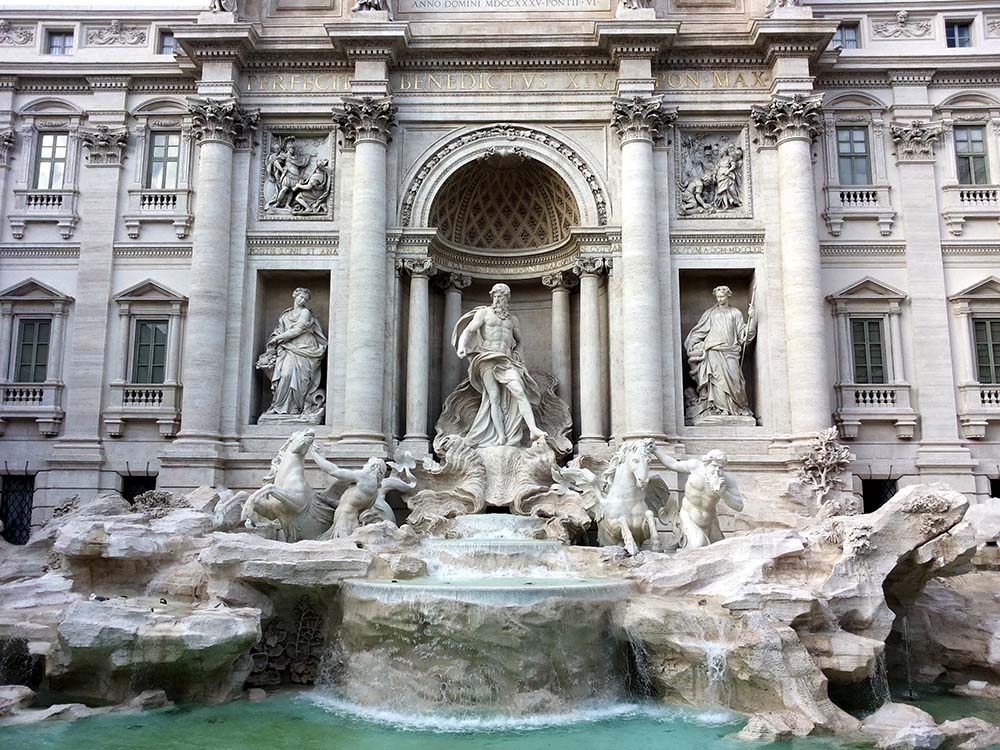
Planning a city-first trip? Pair this calendar with a detailed complete guide to Rome to fine-tune your days in the capital.
One Practical Tip Before You Fly
Whenever you go, staying connected makes Italy easier. You will want maps, train updates, restaurant bookings, and real-time weather in your pocket. A travel eSIM solves this without hunting for a local shop on arrival.
Services like Holafly let you activate a European data plan before departure, so your phone works the moment you land in Rome or Milan. It is a small step that saves real hassle on day one.
Frequently Asked Questions
What is the cheapest time to visit Italy?
Mid November to February, excluding the Christmas and New Year window, brings the lowest flight and hotel prices. Cities stay open and far less crowded.
When should I avoid traveling to Italy?
Skip July and August if you dislike heat and crowds. Major cities turn hot, humid, and packed, and prices peak alongside demand.
What is the best month for the Amalfi Coast?
May, June, and September are ideal. Ferries run, the sea is warm, and the coastal path stays comfortable for walking.
Is one week enough to see Italy?
One week suits two or three cities, such as Rome, Florence, and Venice. Add days if you want the coast or countryside too.
When is the weather most reliable?
June offers the most dependable dry, sunny days nationwide. Spring and fall are lovely but carry a slightly higher chance of rain.



Leave a Reply
You must be logged in to post a comment.