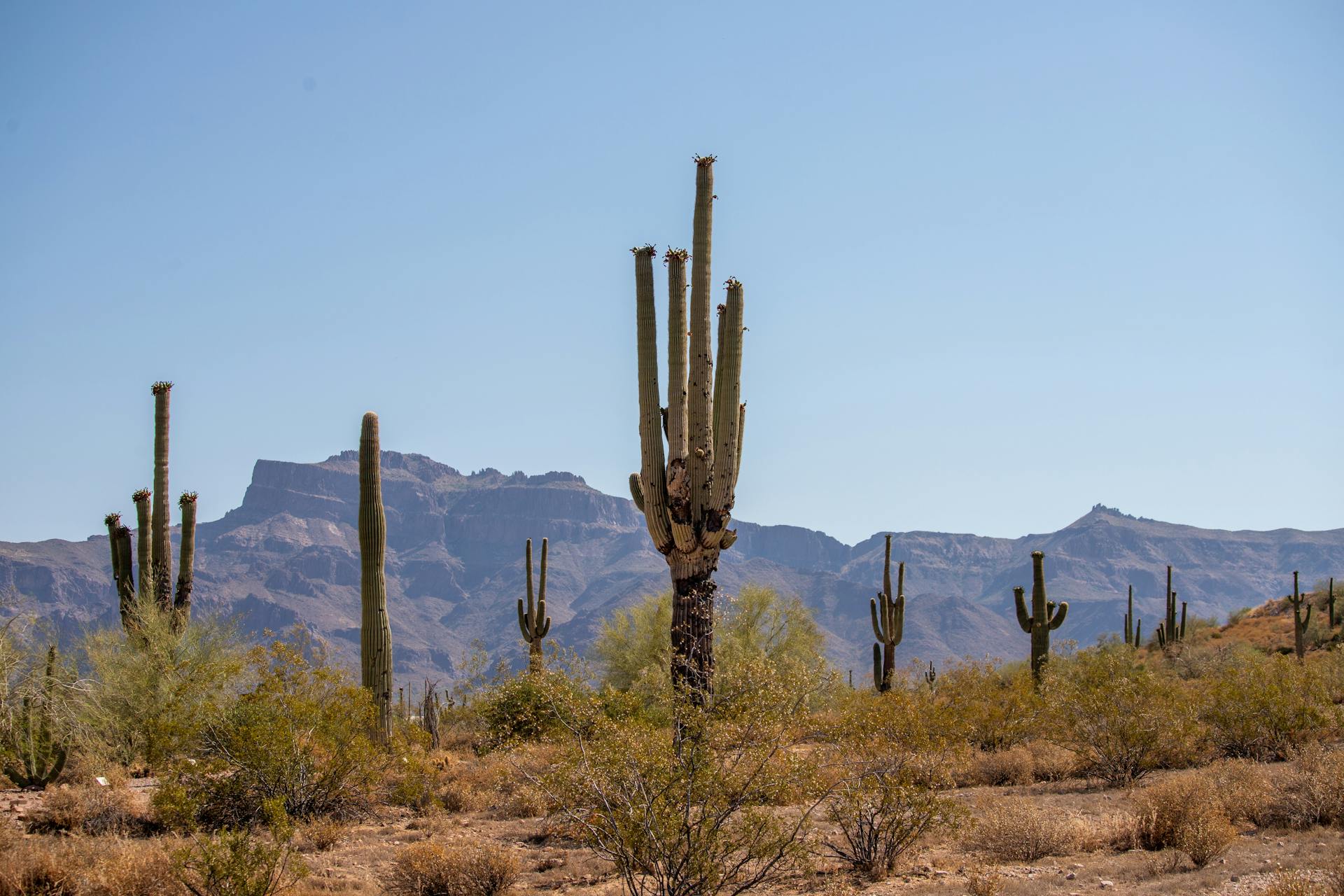
Towering red rock formations, dusty frontier towns, and endless desert horizons have made Arizona one of the most recognizable landscapes in American cinema. Long before digital effects could create any backdrop imaginable, filmmakers traveled west in search of authentic scenery. Understanding why Arizona became America’s Wild West movie set reveals how geography, history, climate, and culture combined to create the perfect setting for some of Hollywood’s most memorable Western films.
What Made Arizona Look Like The Wild West People Imagined?
Arizona looked exactly like the frontier audiences expected to see. Vast deserts, rugged mountains, and isolated settlements matched the popular image of the American West that emerged in books, dime novels, and newspaper stories.
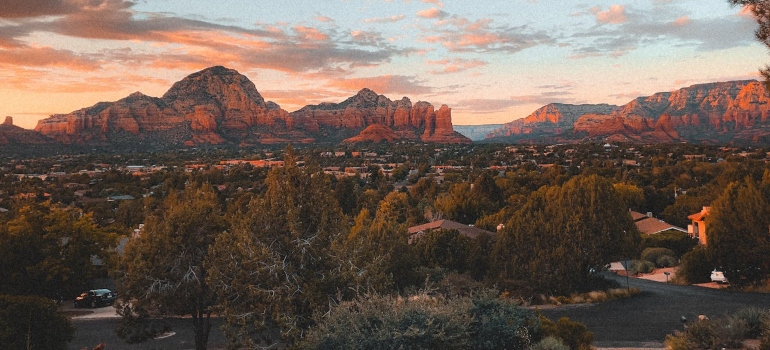
Many travelers exploring the Southwest were drawn to the same dramatic scenery that filmmakers later embraced. Historic sites connected to frontier life continue to attract visitors today, much like those interested in exploring ancient Phoenix often discover layers of history that stretch far beyond modern city limits.
Unlike many regions that had already become heavily developed, Arizona retained large areas that appeared untouched. Directors could capture expansive landscapes without modern buildings, power lines, or highways interfering with the scene.
How Did Arizona’s Climate Help Film Production?
Travel planning and understanding the relocation costs often played a role in large productions moving equipment across remote regions, as it meant transporting people, animals, props, and equipment between filming locations. Arizona offered one major advantage that filmmakers valued immediately: reliable weather.
Early movie productions depended heavily on natural light. Frequent rain or cloudy conditions could delay filming for days or even weeks. Arizona’s dry climate provided long stretches of sunshine that allowed production schedules to stay on track.
Film crews also appreciated the consistency of the environment. Desert conditions changed little from day to day, making it easier to maintain visual continuity between scenes filmed over extended periods.
Why Did Hollywood Studios Prefer Arizona Over Other States?
Arizona offered authenticity that studio backlots could not replicate.
During the early twentieth century, many Western films relied on artificial sets built near Hollywood. These sets worked for simple scenes but lacked the dramatic scale audiences increasingly wanted.
Arizona provided:
- Vast open deserts
- Natural canyons and cliffs
- Historic mining towns
- Frontier-era architecture
- Mountain backdrops
- Unique rock formations
These natural settings reduced the need for expensive set construction while creating a more believable viewing experience.
As international tourism expanded, filmmakers also drew inspiration from destinations around the world. Industry professionals comparing landscapes occasionally referenced popular film locations in New Zealand when discussing how natural scenery can become an attraction in its own right.
Why Arizona Became America’s Wild West Movie Set For Generations
Arizona became the preferred Wild West backdrop because it delivered realism, convenience, and visual drama in one location.
The state’s landscapes helped define what audiences believed the American frontier looked like. Even viewers who had never visited the Southwest came to associate Arizona-style scenery with cowboys, outlaws, sheriffs, and frontier towns.
The popularity of Western films created a self-reinforcing cycle. As more movies were filmed in Arizona, audiences increasingly expected Westerns to look like Arizona. Future filmmakers then returned to the state to meet those expectations.
This influence extended beyond cinema. Television programs, advertisements, books, and tourism campaigns frequently adopted visual elements first popularized through Arizona-based Western productions.
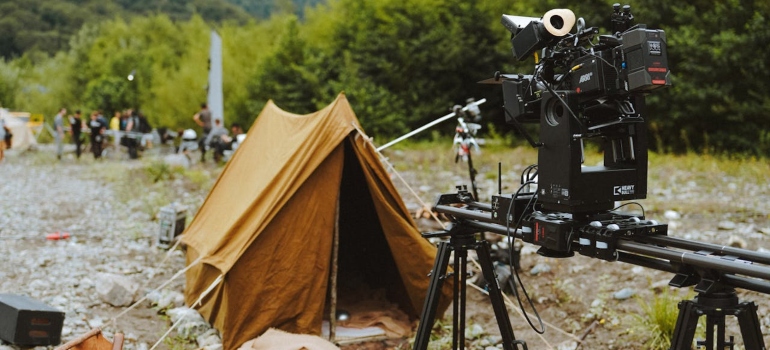
Which Famous Movies Were Filmed In Arizona?
Numerous classic Westerns and adventure films used Arizona landscapes.
Some of the most recognized productions filmed in Arizona include:
- Stagecoach (1939)
- My Darling Clementine (1946)
- Broken Arrow (1950)
- The Lone Ranger television productions
- Tombstone (1993)
- 3:10 to Yuma (2007)
Monument Valley often receives much of the attention, although many iconic scenes were filmed throughout Arizona’s deserts, forests, and historic communities.
Different regions offered distinct visual styles. Northern Arizona featured dramatic rock formations and elevated terrain, while southern Arizona delivered classic desert scenery associated with frontier storytelling.
How Did Real Frontier History Strengthen Arizona’s Appeal?
Arizona offered more than beautiful scenery. The state possessed a genuine connection to frontier history.
Many locations featured authentic buildings, mining sites, railroad infrastructure, and communities that dated back to the nineteenth century. Filmmakers could incorporate real historical elements into productions rather than constructing every detail from scratch.
Towns associated with figures such as Wyatt Earp and events like the Gunfight at the O.K. Corral added historical credibility to Western narratives. Audiences often appreciated knowing that some filming locations existed during the actual frontier era.
Historical tourism remains popular today because visitors can experience many of the same places that inspired filmmakers decades ago.
What Impact Did Western Films Have On Arizona Tourism?
Western movies transformed Arizona into a destination long before social media and online travel marketing existed.
Film audiences frequently became interested in visiting locations they had seen on screen. Arizona benefited enormously from this exposure. Travelers arrived hoping to experience dramatic desert landscapes and frontier heritage firsthand.
Many visitors continue to seek:
- Historic Western towns
- Desert landscapes
- National parks
- Scenic drives
- Movie filming locations
- Cultural heritage sites
Modern travel trends still reflect the influence of cinema. Many travelers research destinations after seeing them featured in films, television series, or streaming productions.
Anyone planning a trip to remote regions should also consider safety concerns to better prepare for unfamiliar environments and travel conditions.

Why Does Arizona Continue To Attract Filmmakers Today?
Arizona remains attractive because its landscapes continue to offer visual qualities that cannot easily be replicated elsewhere.
Modern technology allows filmmakers to create digital environments, but authentic locations still provide realism that audiences recognize. Natural lighting, genuine terrain, and practical filming locations often improve production quality.
The state’s diverse geography also allows filmmakers to represent multiple settings without extensive travel. Deserts, forests, mountains, canyons, and historic towns can all be found within Arizona.
Contemporary productions may not focus exclusively on Western stories, but Arizona’s scenery remains a valuable cinematic resource.
Arizona’s Lasting Place In Film History
The answer to why Arizona became America’s Wild West movie set lies in a combination of natural beauty, historical authenticity, dependable weather, and cinematic tradition. Few places matched the visual image of the frontier as effectively as Arizona’s deserts, canyons, and historic communities. Decades of filmmaking reinforced that connection, turning the state into the definitive backdrop for Western storytelling. Today, the legacy remains visible both on screen and across the landscapes that helped shape America’s most enduring movie genre.
Author’s bio:
Jane Mercer is a freelance writer and film history enthusiast based in Tucson, Arizona. With over a decade of experience covering American culture, travel, and cinema, she has written for regional magazines, travel blogs, and entertainment publications. When she’s not researching her next article, she can be found hiking Arizona’s canyon trails.



Leave a Reply
You must be logged in to post a comment.