Travel Thru History

Historical and cultural travel experiences

  • Home
  • Airfare Deals
  • Get Travel Insurance
  • Writers Guidelines

Essential Details About Choosing The Right Motorcycle Rental Option

motorbike woman

Have you ever thought about taking a bike ride in a new city and felt confused about which rental option to pick?

It’s a common thought. Choosing the right motorcycle rental can make your whole trip smooth, comfortable, and full of good memories. When everything feels easy and sorted, you enjoy the ride more and stress less.

In today’s time, motorcycle rentals are becoming a simple and popular way to move around, especially when you want freedom and flexibility. But picking the right one needs a little understanding. Let’s talk about it in a clear and friendly way so you can make a good choice without any confusion.

Understanding Your Travel Needs

Before you choose any motorcycle, it helps to first think about what you actually need. Everyone’s plan is different, so your choice should match your style and comfort.

Daily Travel Or Leisure Ride

If you are planning to use the bike for daily travel, like going to work or visiting nearby places, a simple and comfortable bike is enough. It should be easy to handle and give a relaxed ride. On the other hand, if your plan is more about enjoying long rides or exploring new areas, then a slightly stronger and smoother bike will make your experience more enjoyable.

Short-Term Or Long-Term Rental

Some people rent bikes for just a day or two, while others prefer keeping them for a week or more. If your stay is longer, you can look for rental options that give better value for extended use. It helps you stay relaxed and enjoy your time without worrying about frequent renewals.

Choosing The Right Type Of Motorcycle

Once you understand your needs, the next step is picking the right type of motorcycle. This part is important because it directly affects your comfort and riding experience.

Scooter Or Gear Bike

Scooters are light and very easy to ride. They are perfect if you want something simple and smooth for city use. Gear bikes, on the other hand, are better if you enjoy riding and want more control on the road. Many people prefer gear bikes for longer rides because they feel more stable.

Engine Capacity And Comfort

Engine capacity plays a role in how the bike performs. A smaller engine is good for short city rides, while a slightly bigger engine gives a steady feel on highways. At the same time, seat comfort and riding position should match your body. When you feel relaxed while riding, everything feels better.

Checking Rental Policies Clearly

After selecting the type of bike, it’s good to look at the rental terms. Clear understanding helps you stay relaxed during your rental period.

Documents And Requirements

Most rental services ask for basic documents like an ID and a valid driving license. Keeping these ready makes the process quick. Some places also have simple rules that are easy to follow, which makes the whole experience smooth.

Pricing And Duration

Rental pricing is usually based on hours, days, or weeks. It’s always helpful to check what fits your plan. Some options give better value when you rent for longer periods. When pricing is clear, you can plan your budget easily.

Importance Of Bike Condition

The condition of the motorcycle plays a big role in your overall experience. A well-maintained bike always feels better and gives you confidence on the road.

Clean And Well-Maintained Bikes

A good rental service keeps their bikes clean and in proper working condition. When you receive a bike that looks neat and runs smoothly, it adds to your comfort. It also shows that the service takes care of their vehicles.

Smooth Ride Experience

A bike that runs smoothly helps you focus on enjoying your ride. You don’t have to worry about anything, and everything feels simple. That’s what makes a good rental experience.

Location And Accessibility

Where you pick up the bike also matters. Easy access saves time and effort.

Pickup And Drop Options

Many rental services offer flexible pickup and drop options. This is very helpful, especially when you are new to a place. You can choose a location that is convenient for you and plan your ride easily.

Local Availability

In cities like Jakarta, finding a reliable option is quite simple. For example, choosing a service that offers jakarta motorcycle rental can give you a wide range of bikes and flexible options that match your needs. It helps you move around the city comfortably and at your own pace.

Safety And Riding Comfort

Feeling safe and comfortable while riding is always important. A good rental option supports this in many ways.

Helmet And Basic Gear

Most rental services provide helmets along with the bike. Wearing a helmet makes your ride feel more secure and relaxed. Some also offer additional gear that adds to your comfort.

Easy Handling And Control

A bike that is easy to handle gives you confidence. Especially if you are riding in a new place, smooth control makes everything feel natural. You enjoy the ride more when you feel in control.

Customer Support And Service

Good service always makes a difference. When support is friendly and helpful, your experience becomes better.

Simple Booking Process

A clear and easy booking process saves time. Many rental services now allow online booking, which makes things quick and convenient. You can select your bike, choose the duration, and confirm everything without any stress.

Helpful Assistance

If you have any questions or need help, a supportive team makes things easy. They guide you properly and make sure you feel comfortable before you start your ride.

Making The Final Choice

After looking at all these points, choosing the right motorcycle rental becomes simple. It’s all about matching your needs with the right option.

Balance Between Comfort And Budget

You don’t need to go for anything complicated. Just pick something that feels comfortable and fits your budget. When both things are balanced, your experience becomes enjoyable.

Trust Your Feel

Sometimes, your own feeling also matters. When a bike feels right and the service seems clear and friendly, you can go ahead with confidence. It’s all about feeling relaxed and happy with your choice.

Final Thoughts

Choosing the right motorcycle rental is all about understanding what you need and picking something that feels comfortable and simple. When the bike is easy to ride, the process is clear, and everything is well-managed, your whole experience becomes smooth and enjoyable. With the right choice, every ride feels light, free, and full of good moments.
Filed Under: Asia Travel

The Tin Barons and Sino-Portuguese Spirits: Uncovering the Forgotten History of Phuket’s Old Town

Phuket Old Town

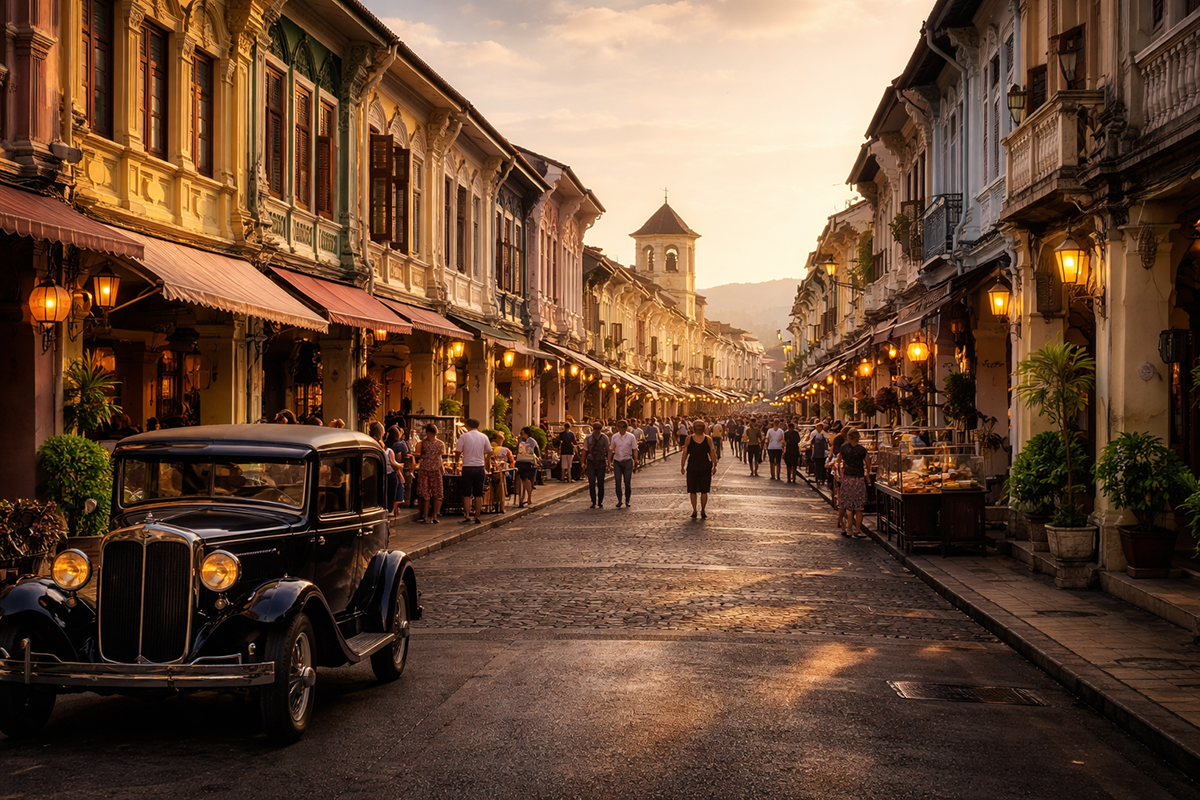
When strolling through the pastel-colored streets of Phuket’s Old Town, it’s easy to get lost in the beauty of it all. The closed windows and ornate archways look like something out of a movie set, but have you ever wondered who actually built these lavish mansions? While there’s beauty to the island of Phuket, there’s also a gritty and glittering past of Black Gold, the tin that made this island the richest province in Thailand.

Let’s give you a brief sneak peek into the history of Phuket’s Old Town.

The Men Who Built an Empire from Mud

Phuket, in the mid-19th century, was no beach destination. In fact, it was a rugged frontier. The arrival of massive tin deposits saw thousands of Hokkien Chinese migrate to Phuket, braving the treacherous frontier to get rich. Among them were the Tin Barons, men such as Phraya Ratsadanupradit Mahitsaraphakdi, also known as Khaw Sim Bee Na Ranong. They weren’t just businessmen; they were visionaries who transformed a muddy mining outpost into a cosmopolitan hub.

They didn’t just dig for ore; they built legacies. One can still witness the legacy of the past in the Ang Mor Lao, or the Grand Mansions, like the Baan Chinpracha, built in 1903. As you walk through the Italian tile floors and the open-air courtyards, you can’t help but think that it was never about the money; it was about creating a home that would combine their Chinese heritage with European flair.

A Fusion of Two Worlds: The Sino-Portuguese Legacy

Why does Phuket differ from the rest of Thailand? It’s all because of the trade routes. As the tin industry grew, the island became a melting pot of Chinese craftsmanship and Portuguese flair. It was not a forced colonial style but a practical and beautiful combination.

The famous shophouses were built with a five-foot way (arcade) that protects pedestrians from the tropical sun and rain. If you’ve spent any time Thailand island hopping, you know how quickly the weather can turn! However, while most people use Phuket merely as a stepping-stone for island-hopping, visitors who linger in Old Town soon realize that these structures were the hub of a community that helped fund the infrastructure that the island uses today.

Spirits and Shrines: The Hidden Guardians

It was not just the barons who shaped the town; it was the spirits they brought along. To conquer the perils of deep shaft mining, the Chinese settlers relied on their faith. This gave birth to the colorful shrines hidden in the narrow alleys of the town, such as the Shrine of the Serene Light.

This shrine, built in 1891 by a family in the area, was concealed behind a plain-looking store for over a century. It was a spiritual sanctuary for the tin miners, where they could pray for protection from the spirits of the earth they were digging out. Even today, the aroma of incense and the bright murals of Taoist gods remind us that the pulse of Old Town is still very much connected to its roots.

The End of the Boom and the Birth of a Museum

By the 1980s, however, the tin reserves had run out, and a shift towards other materials occurred. The dredgers were no longer used, and the mines were left to deteriorate, eventually being filled with rainwater and becoming lagoons such as those found in Laguna Phuket.

However, the history doesn’t end. If you go a little off the beaten track to the Kathu Tin Mining Museum, you can get a sense of the scale of the operation. It’s a sobering reminder of the cost of the beauty surrounding the tin-mining heritage of the lovely shophouses along Thalang Road. The spirits of the tin days may be gone, but they’re not forgotten. They’re just relocated from the tin mines to the museums and the lovingly restored cafes in the old town.

Why This History Still Matters

Phuket’s Old Town is not just a backdrop for tourists to take photos in front of. It is a testament to an era when tin was king, and Phuket was the crossroads of the world. The Barons may be gone, and the mines may be silent, but the Sino-Portuguese spirit remains.

Next time you’re passing through, take a moment to look past the souvenir shops. Can you hear the echo of the tin dredgers in the distance? Or perhaps smell the scent of history in a 100-year-old pharmacy? Phuket’s past is right there, waiting for those who care to look.

Have you been to Phuket’s Old Town? How was your experience? Share your thoughts in the comments below. You can also share the attractions and activities that you think are a must for anyone visiting Phuket’s Old Town.


Tagged With: Phuket old town Filed Under: Asia Travel

Light Up Hope: Tadingyut Festival in Myanmar

Tadingyut Festival in Myanmar

It was October, the time when I usually had to return to Myanmar from my home country. Myanmar wasn’t my personal choice; it was the series of life’s high waves and tsunamis that brought me there. I just obediently accepted the offers my life gave me until I found myself living there.

My relationship with Myanmar wasn’t always easy. I adored her and couldn’t wait to come back; I hated her and couldn’t wait to leave; we had a very close relationship and we had a long-distance relationship; I tried to understand the cultural differences between us, and I couldn’t accept what felt illogical; I was full of love and gratitude, and I was annoyed and irritated. We went through all the stages, from denial to acceptance. I cried when I left for good.

October was a time for the Fire Festival – Tadingyut. I didn’t know much about that festival until one late evening, when I entered the gate of my hotel. The hotel looked mysterious. Everything was dark; only the entrance curbs were dotted with tea candles.

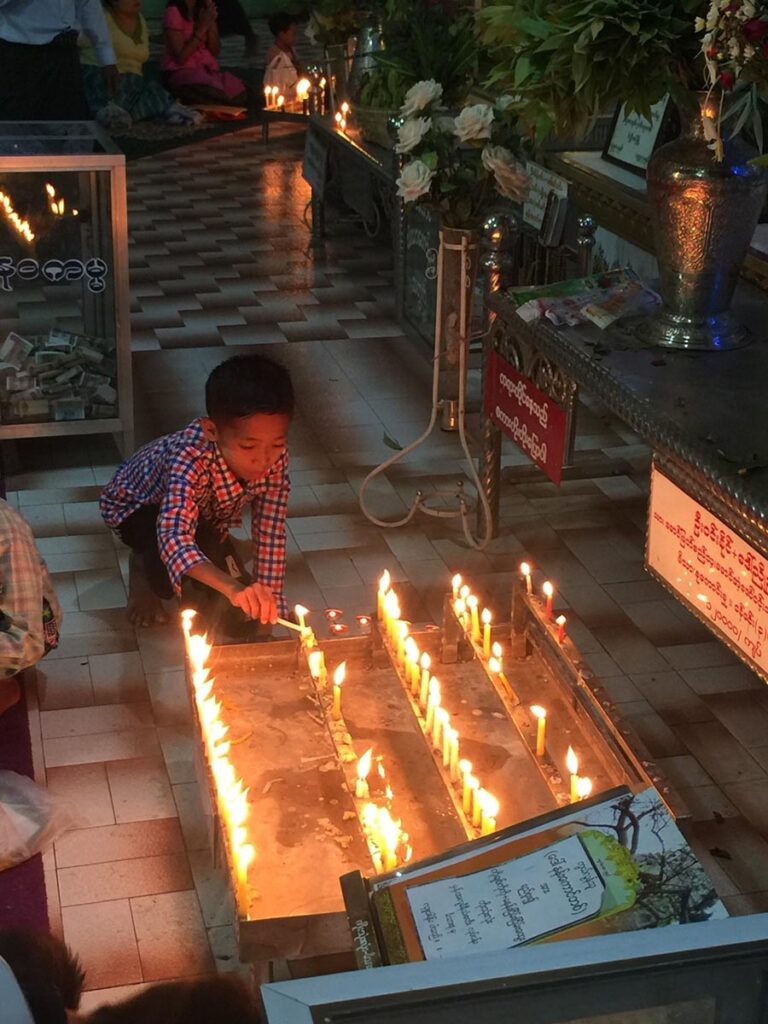
Boy lighting candles

After I checked-in, I looked around. The candles were everywhere: on the altar, around the altar at the entrance, along the road, on the stairs, in the windows. When you see it for the first time, you feel as if time stopped and you are time travelling. The sounds are hushed. You can only hear the chirping of insects and the croaking of frogs. The electrical lights are dimmed, or even completely turned off.

When I entered my room, the hotel manager called. She invited me to a free dinner, as part of the tradition of feeding guests on that night.

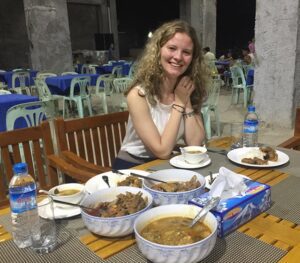
This hotel didn’t have a canteen large enough, but they were planning an expansion and were constructing a new seven-storey building. All guests were invited to have dinner at the construction site. In the future lobby, they had set a long table with lots of pots with different curries and other dishes. We could help ourselves as much as we needed to feel full and happy.

The building didn’t have doors and windows yet; it was open to the fresh October breeze. Candles were lit around. It was like a candlelit dinner, but on a construction site. There was something surreal about it. Remembering moments like this makes my heart ache – this is when I miss my Myanmar the most.

The next morning, everything seemed normal again. The soundscape was restored: cleaning girls were singing, the honking of hurried motorbikes could be heard in the distance again, and exotic birds made their typical, very distinctive koo-ooo sound. The sun was as bright as ever. And I had to continue my journey deeper into Upper Burma.

The bus journey was long and tiring. It took around twelve hours. If at the beginning of my journey I was absorbed in watching favourite landscape and a less favourite but inevitable Burmese TV comedy; by the end, I was deep asleep. The bus attendant woke me up already in Meikhtila.

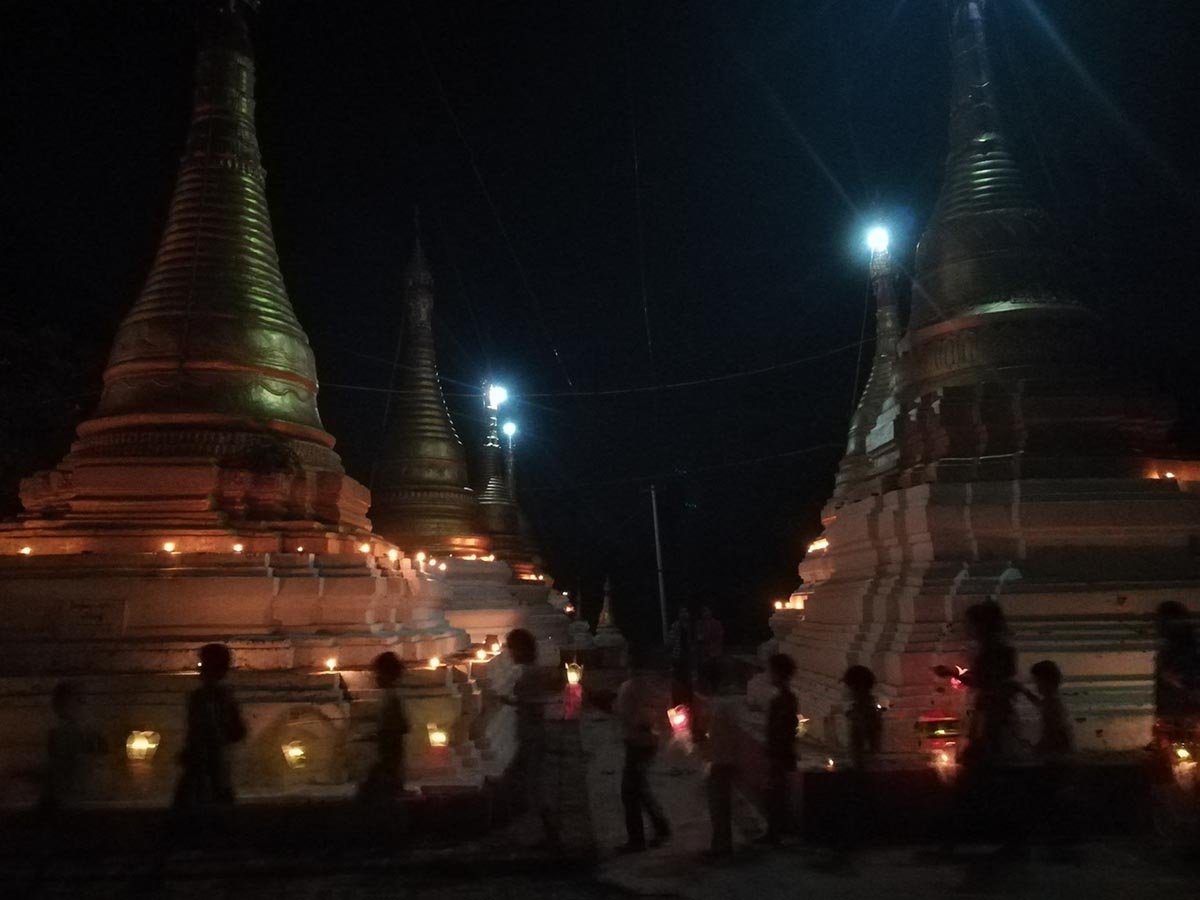
When I arrived at my hotel, it was already dark. Everything around me was bathing in warm candlelight here too. The neighbouring pagodas, the late-open teahouse, even girls selling betelnut had a couple of little candles on the rim of their stalls.

The next evening, when my work was done and after we had finished dinner, I was sitting on the porch of my bungalow and listening to the noises from beyond the fence.  Then I thought, “I am sitting here and wishing to be there. I really want to experience this new, exotic festival with the local villagers. What am I afraid of? I’ll just go!”

I left the hotel premises through the back gate and walked towards the sound. Usually, after sunset people stay at home. There is not much to do after the dark. Local people follow the natural rhythm of life: they wake up with the sunrise, wind down at the dusk, and go to bed after sunset. But this time, the usually quiet back road was full of motorbikes carrying girls in beautiful dresses and guys in crisp longyi. I followed them.

In the middle of a field stood a pagoda complex I hadn’t usually noticed. It was somewhere in the distance. But that night it was full of life and light. People moved from stupa to stupa, lighting candles, laying flowers, singing. They looked like shadows. In the field next to the pagodas, people gathered in a circle and watched a performance by a man dressed in a women’s clothing. He was a nat kadaw, which can be translated as a “spouse of a spirit”. These people are believed to be mediums, connecting with spirits, and are invited to perform at different ceremonial rituals and festivals. These men are highly respected during the rituals, and people bring them offerings and donations. But in everyday life they can be hated and severely beaten. Society is not consistent or logical.

I had heard about nat kadaws and seen them in various documentaries about Myanmar, but I had never encountered one in real life until that moment. And it was something absolutely surreal. He was dancing to the trance-like rhythm of the drums; they spun and swirled through the dance. We were all under his hypnotic influence. People were chanting and singing together, following a shared, unified rhythm. I felt as if I were dreaming. I was losing my connection to reality.

Usually, I was the center of everyone’s attention when walking down the street or eating at a café. But not that night. Strangely, people accepted me as if I belonged their world; I wasn’t a tourist there. They shared their festive treats and invited to dance with them. They offered me the chance to experience their tradition together. But I had to break the illusion and rush back to the hotel before they closed the gate for the night.

Tadingyut also symbolises the end of rainy season and the beginning of the dry season. It is an ideal period of time: the constant rains have already ended, but oppressive heat has not yet begun. It’s the perfect time to visit and enjoy Myanmar. It is the time when people celebrate weddings, as the Lent and fasting are over. During Tadingyut, young people show special care and respect for their elders: they bring presents and ask forgiveness for anything they may have done.

I fell in love with Tadingyut. On the one hand, it is a very noisy festival, like any celebration in Myanmar – full of music and sharp bangs of fireworks. On the other hand, it is a deep, peaceful, soul-to-soul holiday.

Even in the city center, among crowds gathered to celebrate, where butter sizzles and the aroma of street food invites you to try something new and festive, where music is loud, where motorbikes and people share the same road, where fireworks crack and explode in unpredictable directions – you can feel tranquil and at peace. It’s something intimate, not for everyone.

Against the dark sky, paper lanterns rise, illuminating the darkness. They carry someone’s wishes and hopes, flying far away giving the promise to fulfil the dream. Believe it or not, my dream came true.

My last Tadingyut happened during the COVID-19 period. All the celebrations and gatherings were cancelled and prohibited. Yet every single corner was still decorated with tiny tea candles: on the stairs and steps of houses, hotel and pagodas; along pavements and balconies; even bicycle rims, sidecars, and rickshaw carts. Even homeless people decorated their small spaces on the pavement, reminding us that they, too, had dreams and hopes.

Every single candle was someone’s prayer and longing. Burning candles melted away our sadness, sorrows, and griefs. Above us, a huge, luminous, perfectly round moon reflected anticipation and hope. Even if not this year, then maybe next year?

People say that on the last day of Tadingyut there must be rain – the last rain of the rainy season. And every time on the last day, as if by magic, it rained, washing away the last dust of the year, the last troubles of the year. It is a fresh start.


About the author:

Elena Seroshtan is a writer, interpreter, and ESL teacher. Teaching English around the world has allowed her not only to work and travel, but also to become part of local communities and see each country through a more intimate lens. She spent nearly seven years in Myanmar and has been living in Slovakia for the past four years. Her writing explores cultural identity and the emotional relationships we form with the places that are not our home of origin. Her work has taken her to Sudan and Pakistan, and her curiosity has led her to Algeria and Iran. At the present moment she is working on her memoir “My Burmese Days Diary.”
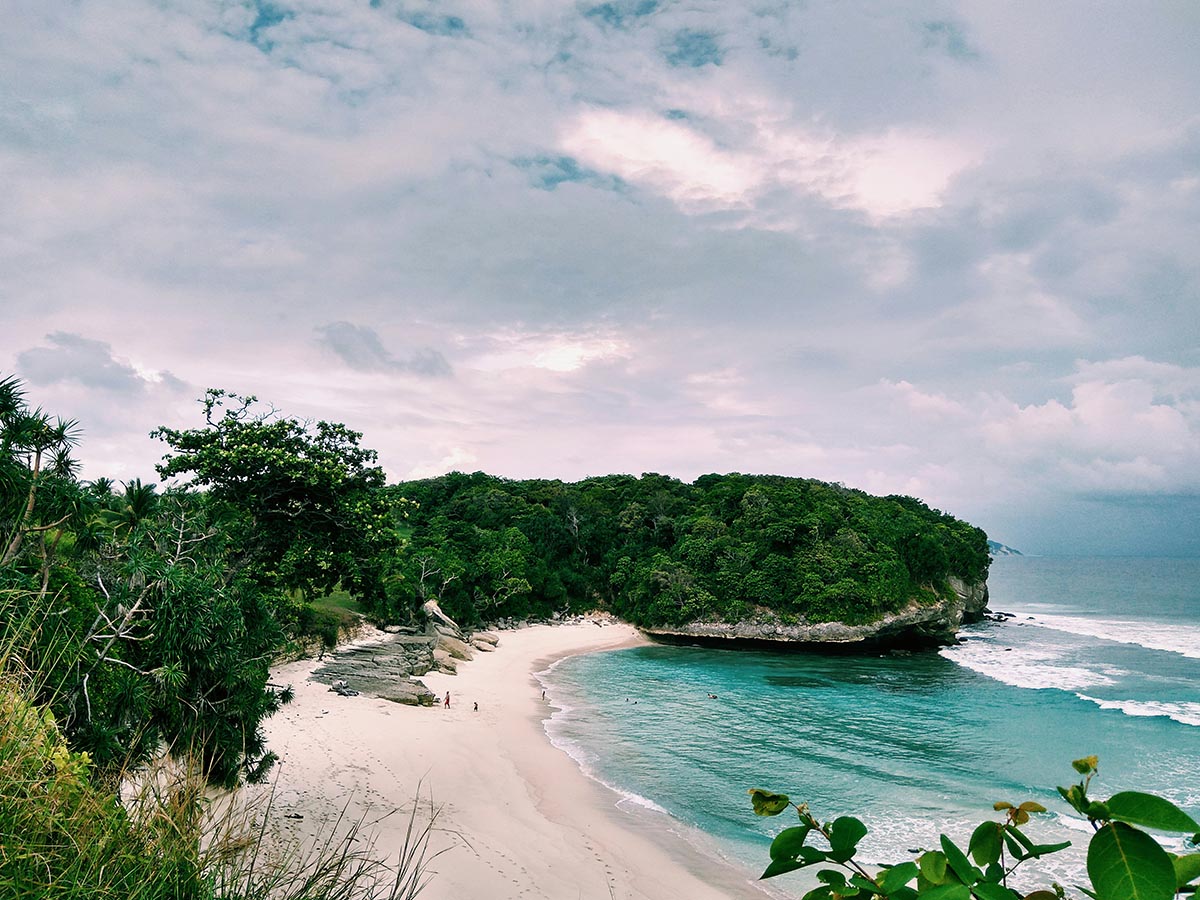
 

Photo credits:
All photographs are by Elena Seroshtan.


Tagged With: Myanmar customs Filed Under: Asia Travel

When Is the Best Time to Visit Sumba? Seasons and Helpful Planning Tips

Sumba island Indonesna

Sumba is one of those places that feels untouched the moment photos appear on a screen. Rolling hills that turn golden under the sun, quiet beaches with barely another soul in sight, and villages where traditions still shape daily life. It feels like the kind of destination where every visit should be perfect. Yet many travelers walk away thinking their trip could have been better. The reason is often simple: Timing.

The island’s beauty never disappears, but it does change with the seasons. Weather, road conditions, and cultural rhythms all influence how the island feels when you arrive. Getting the timing right can mean the difference between a smooth, memorable trip and one that feels harder than expected.

To help you plan wisely, this article explores Sumba’s seasons and practical tips so you can experience the island at its best.

Keep reading!

Understanding Sumba’s Climate and Seasons

Before deciding on the best time to visit, it helps to understand how the island’s seasons shape the island throughout the year. Knowing what each season brings allows you to set realistic expectations and plan your trip with more confidence.

Sumba has a tropical climate, but it often feels more balanced and predictable than many travelers expect. Rather than extreme shifts, the island moves through two distinct seasons that subtly influence the landscape, daily routines, and the overall pace of travel.

From roughly November to April, the island experiences its wetter months. Rainfall tends to come in short bursts rather than constant downpours, often appearing later in the day. During this period, the island becomes noticeably greener. Hills turn lush, rivers flow more strongly, and waterfalls reach their most dramatic state.

Between May and October, the island transitions into a drier and calmer phase. Rainfall becomes less frequent, skies remain clearer, and the island gradually takes on the warm, golden tones it is known for. Daytime temperatures feel comfortable rather than intense, and evenings are often cooler and pleasant.

The Ideal Season to Visit

The island of Sumba is open to visitors throughout the year. However, according to the travel experts at Sumba Guide, many travelers find the dry season to be the most rewarding overall. To be specific, the period from May to October is often considered the best time to visit. The reasons are simple. This timeframe offers a balanced mix of favorable weather, easier access, and well-rounded experiences that suit both first-time visitors and seasoned travelers.

During these months, moving around the island feels easier and more relaxed. Roads remain drier, beach days are more dependable, and outdoor activities fit naturally into daily plans. This is also when Sumba’s scenery appears at its most iconic, with wide open landscapes and long stretches of coastline that still feel largely untouched.

Comfort plays a key role as well:

  • Daytime temperatures feel warm but manageable
  • Humidity levels stay lower, making long days outside more enjoyable
  • Evenings tend to be cooler and easier to unwind in

Many travelers also appreciate how straightforward planning becomes during this season. Flights, accommodation, and transport schedules are usually more consistent, and information about routes and conditions is easier to rely on. And the best part? These details are usually available in one place on online travel guides, helping you understand logistics before your trip. This makes planning feel calmer and far more reliable.

Practical Tips for Visiting Sumba

A well-timed trip becomes even better with thoughtful preparation. A few practical choices can make your experience smoother and more enjoyable.

Booking ahead is one of the most helpful steps, especially during the drier months when travel conditions are at their best. Accommodation options on Sumba are relatively limited, and popular stays can fill up faster than expected. The same applies to transport. Roads can be long, and routes are not always straightforward, so arranging transportation in advance helps reduce uncertainty and allows you to focus on the experience rather than logistics.

What you pack also plays a role in how comfortable your days feel. Sumba has a relaxed atmosphere, but conditions can vary depending on where you are on the island. Prioritizing comfort over fashion makes moving around much easier. Some essentials worth keeping in mind include:

  • Lightweight clothing for warm days and breathable layers for cooler evenings
  • Choosing comfortable footwear for uneven roads and village walks
  • Sun protection, including hats and reef-safe sunscreen
  • A light rain jacket if visiting near seasonal transitions

Lastly, allow extra time in your itinerary. Distances on the island often take longer to cover than expected, and rushing through the island means missing its quiet beauty. Slowing down lets the experience unfold naturally.

Wrapping Up

Sumba rewards travelers who take the time to plan thoughtfully. Its beauty is constant, but the way it reveals itself depends heavily on when you arrive. By understanding the seasons and preparing with care, your visit can feel calm, meaningful, and deeply memorable. Whether you come for landscapes, culture, or a sense of escape, the right timing helps everything fall into place, leaving you free to simply enjoy the journey.

Tagged With: Sumba travel Filed Under: Asia Travel

Visiting Ancient Japanese Villages: A Journey Shaped by History

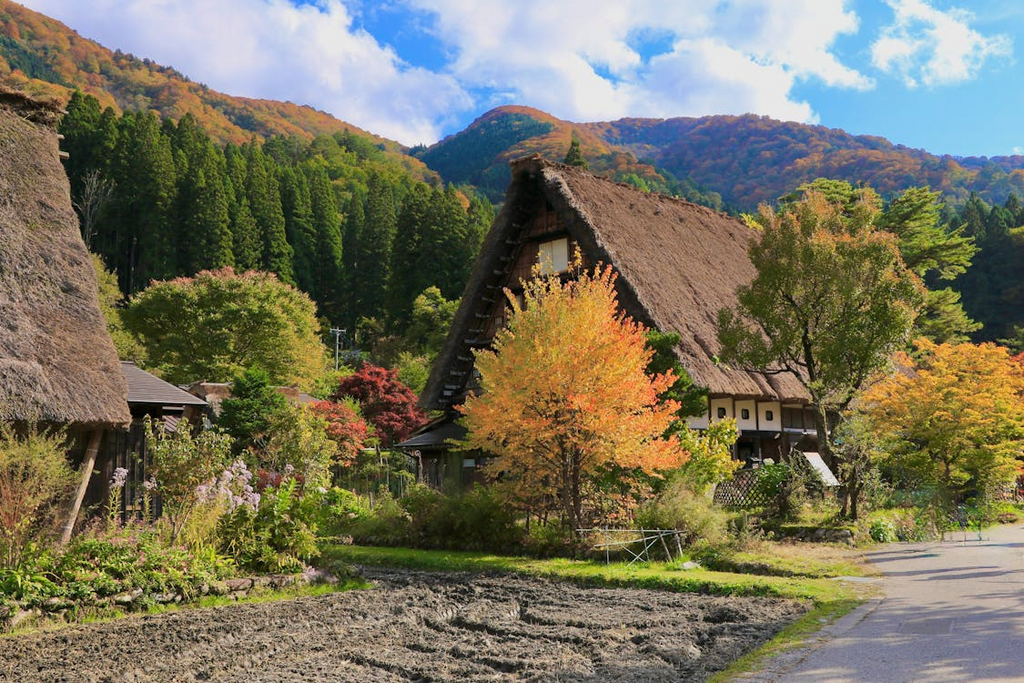
The countryside of Japan has echoes of a living past. Wooden houses featuring steep thatched roofs are silently situated in the rice fields and winding lanes in the ancient villages scattered around the islands. These old-fashioned villages provide a unique opportunity to live in the traditional, cultural, and rhythmical life of Japan as it was centuries ago. Their excavation is not just sightseeing, but it is a journey through time, and viewing the way people used to live and evolve their lives over a course of several centuries.

The majority of tourists start their travel online research, and they can check Japan customs qr code in order to take care of their means of transportation, accommodation, and entry. When he/she is on the ground, the adventure turns into a logistical, discovery, as every village has its own stories, customs, and buildings.

Shirakawa-go: Living History in the Mountains

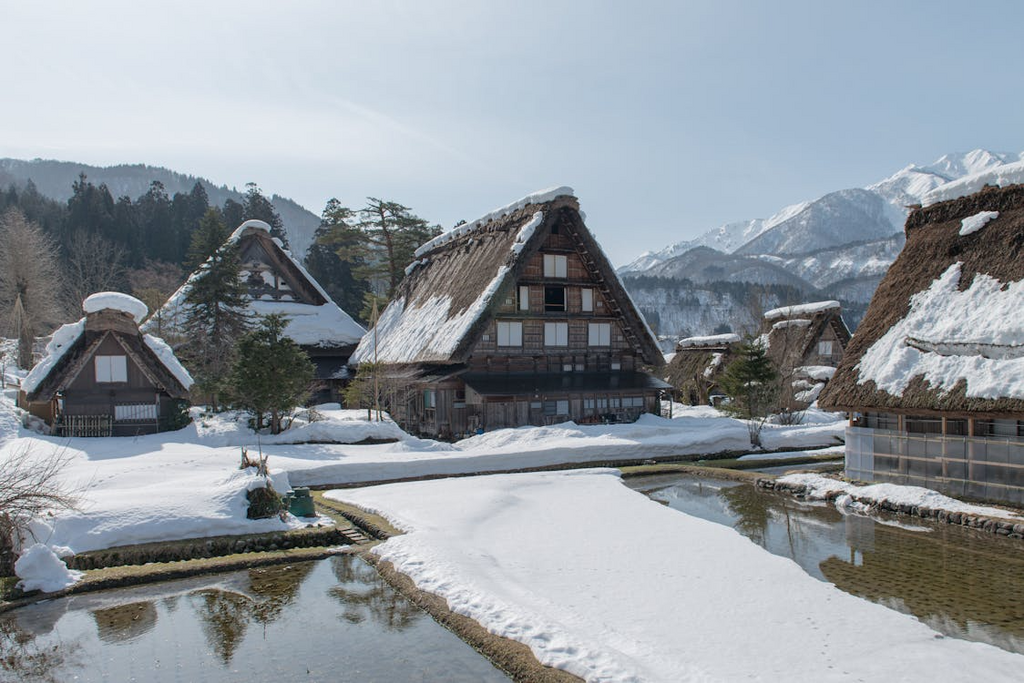
Shirakawa-go is one of the most notable historic villages in Japan in the Gifu Prefecture. It is considered a UNESCO World Heritage site based on its gassho-zukuri farmhouses, which have steeply-pitched thatched roofs meant to support heavy snow. Tourists normally visit the village on foot, and they stroll among houses that are still being used by the local families.

The statistics of the Japan National Tourism Organization show that Shirakawa-go received more than 1.2 million tourists in 2023, which demonstrates its popularity on the global level and preserves a rather quiet and immersive ambiance at the same time.

Traditional weaving, farming tools, and local ceramics can be found in small museums and craft shops and provide a glimpse of what life used to be like hundreds of years ago. A visit to Shirakawa-go involves going back in time.

Gokayama: The Quieter Neighbour

Gokayama is just over the mountains of Shirakawa-go in the Toyama Prefecture. Although it is of a similar style, it has less inflow of tourists, which means having a more personal experience. Terraced rice fields and rivers encompass the village, making every walk in the village scenic and peaceful.

The visitors are allowed to observe the local families carrying on with the old ways, both in terms of agricultural methods and in the style of the local festivals. The high attachment of villagers to the land is depicted by traditional festivals such as Doburoku Matsuri, which involves the production of home-brewed sake, and the rituals performed during the event.

Hida Furukawa: A Blend of Old and Accessible

Another level of the old village life is Hida Furukawa, a place that is located near Takayama. The city is characterized by the edo era buildings and beautiful canals filled with koi fish. Hida Furukawa is more reachable by train as opposed to Shirakawa-go and Gokayama, thus appealing to both local and foreign tourists.

The fact that in 2023 the city of Hida welcomed more than 300,000 visitors seeking the charm of its old streets, tea houses, and small museums demonstrates how one can incorporate tourism into the villages without losing authenticity.

Food specialities in the area, e.g., Hida beef and handmade miso, add to the cultural experience, offering both a glimpse of the past with the architecture and the landscape.

Experiencing Life Beyond the Landmarks

When you visit these villages, it is not only about seeing buildings, but also it is about observing the everyday life and traditions. Tourists can take pleasure in such simple things: in smoke coming out of chimneys, in children strolling over narrow walks, or in the murmur of river water. Life is relaxed, and the experience is deliberate as opposed to busy cities like Tokyo or Kyoto.

There are lots of villages where active works are provided, like pottery lessons, planting rice, or lessons on traditional weaving. Such experiences enable the tourists to interact firsthand with traditions that have been lived in over the course of time.

Why Ancient Villages Matter Today

These old towns maintain a connection with the past of Japan and are in favour of contemporary tourism. They preserve architecture, festivals, and crafts to enable visitors to know the way local life developed. They show that there is a balance between preservation and accessibility, and history can exist with travel.

The touring of ancient Japanese villages is not just a sightseeing tour, but it is a voyage that links the present with the centuries of tradition. Every trail, every countryside cottage, every festival is an opening to a tale that is being told in the far-off areas of Japan.


Tagged With: Japanese villages Filed Under: Asia Travel

  • 1
  • 2
  • 3
  • …
  • 44
  • Next Page »

MORE TRAVEL STORIES:

China: Chengdu, the Hotpot City

Top 5 Scenic Hikes in Virginia

Easter Island’s Collapse – Part Two

An American History Lesson: Gettysburg, Pennsylvania

Ireland: A Walk Around Inis Mór

A Small Slice of the Big Apple

Wine, History, and Heritage: How to Time Travel Through France’s Legendary Wine Regions

Hacienda Puerto Limon


SEARCH

DESTINATIONS

  • Africa Travel
  • Antarctica travel
  • Asia Travel
  • Australia travel
  • Caribbean Travel
  • Central America Travel
  • Europe Travel
  • Middle East Travel
  • North America Travel
  • Oceania Travel
  • South America Travel
  • Travel History
  • Travel News
  • UK Travel
  • Uncategorized
  • World Travel
facebook
Best Travel Blogs - OnToplist.com

Copyright © 2026 Cedar Cottage Marketing | About Us | Contact | Privacy Policy | Terms & Conditions | Copyright Notice | Log in