Travel Thru History

Historical and cultural travel experiences

  • Home
  • Airfare Deals
  • Get Travel Insurance
  • Writers Guidelines

Is a One Day Taj Mahal Trip from Delhi Too Rushed for Families

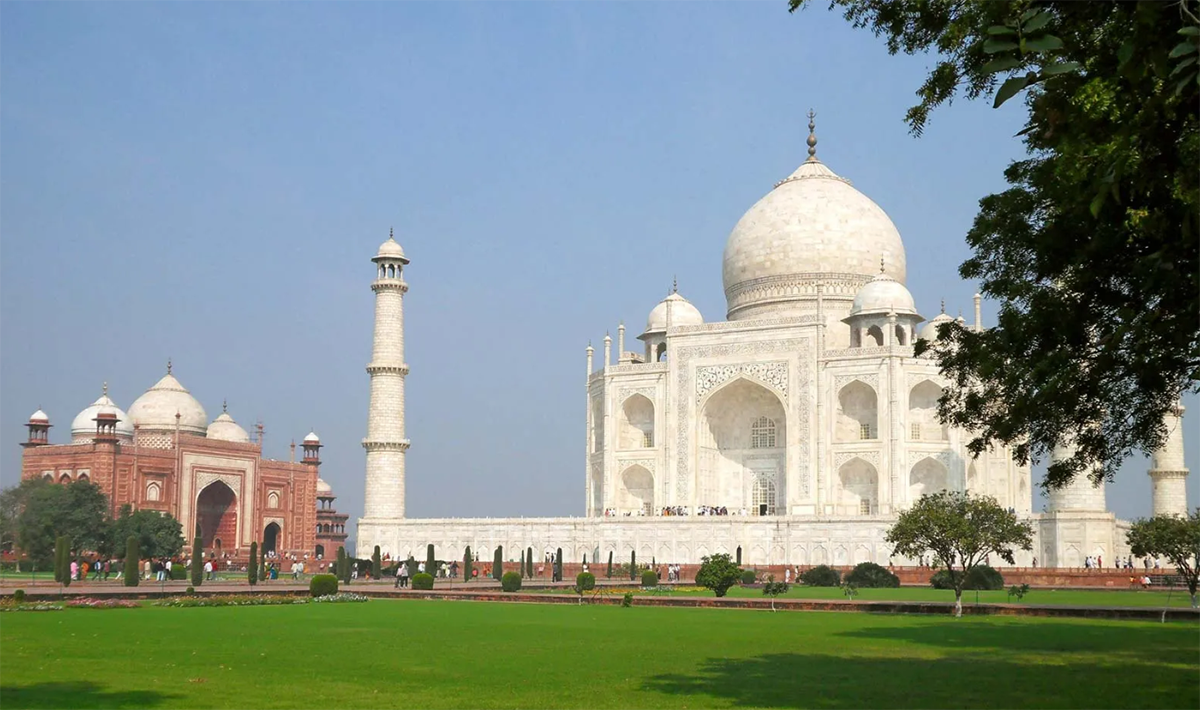
Taj Mahal and Gate

Families often ask one important question before planning a Taj Mahal visit. Can it really be done comfortably in one day from Delhi. With kids, elders, and tight schedules, the concern is valid. A rushed trip can leave everyone tired and frustrated. But with the right planning, a one day visit can actually feel well paced and enjoyable.

Choosing the right Taj Mahal Tour from Delhi makes all the difference between a stressful day and a smooth family experience.

Understanding the Distance and Timing

The Taj Mahal is about four hours from Delhi by road. That may sound long, but early morning departures help families avoid traffic and heat. Leaving early also allows more time inside the monument without feeling hurried.

For families, timing matters more than speed. A well planned start helps children stay fresh and gives elders enough rest time during the day.

Why One Day Works for Families

Many families do not want overnight travel. Packing bags, managing hotel stays, and adjusting kids routines can be tiring. A one day trip keeps things simple.

Parents like knowing they will be back home by night. Children feel more comfortable returning to familiar surroundings. This balance makes a single day visit appealing for many households.

The Importance of Door to Door Travel

Public transport often involves walking, waiting, and confusion. For families, private transport offers ease and safety. Everyone travels together, belongings stay secure, and breaks can be taken when needed.

Door to door travel removes unnecessary stress and keeps the focus on enjoying the journey rather than managing logistics.

Making the Taj Mahal Enjoyable for Kids

Children enjoy stories more than facts. A guided visit helps turn the Taj Mahal into an engaging experience instead of just a long walk.

Simple explanations about the history and design help kids stay interested. This makes the visit educational without feeling like a school lesson.

Avoiding Crowds and Long Lines

Crowds can overwhelm families, especially during peak hours. Planning entry times carefully helps avoid long waits.

Skip entry access saves time and energy. This is especially helpful when traveling with young children or elderly family members who may struggle with standing for long periods.

Balancing Walking and Rest Time

The Taj Mahal complex is large. Families need time to walk, sit, and relax. Proper planning ensures there is enough rest built into the schedule.

Having water breaks and shaded areas helps keep everyone comfortable, especially during warmer months.

Including Other Attractions Without Pressure

Some families like adding Agra Fort to their trip. Others prefer focusing only on the Taj Mahal. A flexible schedule allows families to decide based on their energy levels.

There is no need to see everything. Enjoying fewer places fully is often better than rushing through many.

Is Luxury Travel Practical for Families

Luxury does not mean excess. It means comfort, timing, and personal attention. A Taj Mahal Luxury Tour from Delhi helps families manage the day without stress.

Private transport, guided visits, and planned meals allow families to enjoy quality time together instead of worrying about arrangements.

Final Thoughts

A one day Taj Mahal trip from Delhi is not too rushed when planned thoughtfully. Families who value comfort, clear timing, and flexibility often find it to be the perfect option. For those looking to understand available tour structures and planning details, the website linked above offers helpful information to guide their decision.


Tagged With: Taj Mahal trip Filed Under: Asia Travel

Mountains Calling in Broken Words: Manaslu, Tsum Valley, and Annapurna Circle Magic

Introduction: Three Trails That Make Heart Go Big and Wild

This article I write in very bad grammar but I try to make good sentences and a super nice flow. These three treks, Manaslu Circuit Trek, Tsum Valley Trek, and Annapurna Circuit Trek, stand like giant storybooks where mountains talk, winds sing, and trekkers walk slowly but full of dreams. Nepal is a small country but full of huge adventure, and these trails show everything: culture, cold air, prayer flags dancing, cliffs falling down on both sides, and friendly locals always smiling like sunshine. When you walk here, you feel life becoming simple but very deep and very happy.

Manaslu Circuit Trek: Big Wild Mountain Walk in Remote Land

Manaslu—Eighth High Giant, But Quiet Like Monk

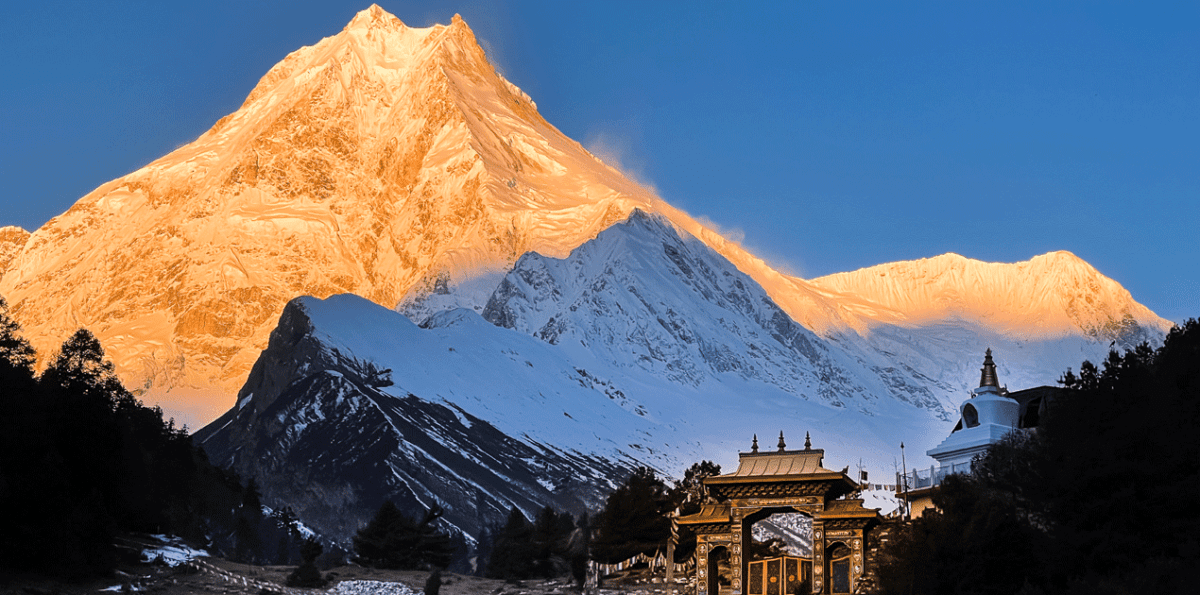
The Manaslu Circuit Trek is like walking in a secret kingdom where not many tourists go. It is near the Tibet border and around the eighth-highest mountain, Mount Manaslu. This trek gives a feeling of raw adventure, like old trekking days before big crowds came. Everywhere you walk, you see stone houses, wood bridges, icy rivers running fast like angry snakes, and monks turning prayer wheels one by one slowly.

A Route That Twists Like Rope but Is So Beautiful

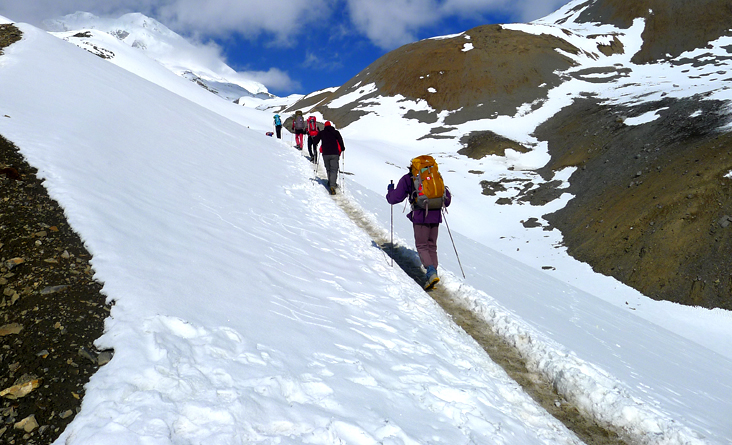
The Manaslu trail usually starts from Soti Khola and slowly moves to Machha Khola, Jagat, Deng, Namrung, and then to a beautiful place called Samagaun, where mountains look so close, like touching your forehead. People walk slowly because the altitude is very high. After Samagaun, trekkers cross Larkya La Pass, one very long and cold pass but the view looks like paradise broken into a thousand pieces of snow and rock.

Culture You Feel, Not Only See

Along the way, you meet Gurung and Tibetan Buddhist culture. They speak gently and give tea even when the cold wind is biting. Monastery bells ring soft, prayer flags fly high, and mani walls stay long on trails telling old prayers. This culture mixed with quiet mountains makes different types of peace inside your chest.

Why Manaslu Makes Big Memories

  • Less crowd, more silence
  • Huge mountain view everywhere
  • The Larke La Pass challenge makes you proud.
  • Mix of jungle, village, glacier, and high-altitude valley
  • People simple but heartfelt like a big lake

The Manaslu Circuit Trek feels tough but in a good way. It makes you tired but also makes your spirit feel strong like iron burning in fire.

Tsum Valley Trek: Sacred Land Where Happiness Walks Beside You

Hidden Valley With a Story of Peace

Tsum Valley Trek is like stepping inside a fairy tale where monks, mountains, and old legends live together. This valley was once completely closed to outsiders, so culture stayed pure and untouched. When you walk here, you feel like the world goes back hundreds of years. Houses are made with stone, kids run around smiling with shy faces, and monks chant mantras in deep voices that echo between cliffs.

Route Soft but Deep

Tsum Valley is part of the Manaslu region but has a separate side valley. Trekkers pass Philim, Chisopani, and Lokpa, and then enter Tsum like entering a magical gate. Inside the valley, places like Chumling, Chhekampar, and Nile show different types of beauty. A big old monastery called Mu Gompa sat up in the high land, watching the whole valley like a wise grandfather.

Culture Rich Like a Gold Mine But Very Humble

Tsum is known as “Beyul,” meaning sacred hidden valley. People follow the old Tibetan Buddhist lifestyle. They eat simple food—tsampa, potato, and noodle—and live peacefully. They say the valley is protected by mountain gods, and you also feel some special pure silence when walking. Women wear traditional dress with colorful beads, men talk softly, and many locals still follow the traditional polyandry system.

Nature That Touches the Soul Without Asking Permission

Here, the mountains are not so sharp like other parts but calm and giant. The waterfall falls from the top like a silver thread. Big cliffs rise like fortresses. The blue sky stays clean like polished stone. Every step you take, the wind whispers a small story.

Why Tsum Valley Stays Forever in Heart

  • Culture untouched
  • Spiritual energy strong
  • Quiet monasteries everywhere
  • Friendly local
  • Perfect for people who love slow, deep travel

The Tsum Valley Trek is not for a rush. It’s for people who want to breathe peace and listen to mountain silence.

Annapurna Circuit Trek: Classic Trail Where Every Turn Shows a New World

Legend of Nepal Trekking

The Annapurna Circuit Trek is one of the world’s most famous trails because it goes around the giant Annapurna mountain range. Here, you see everything—low green fields, big waterfalls, deep cliff canyons, the desert land of Mustang, and snowy mountains with shining faces. Many treks feel hard, but the Annapurna Circuit feels like a beautiful traveling movie playing in front of your eyes.

Routes That Change Scenery Like Magic

The Annapurna Circuit usually starts from Bhulbhule or Syange. The first days were full of green forest and rivers loud like drums. Then trek and climb to Chame, Pisang, and Manang—places where land changes color and air becomes thin. Manang is a popular stop for acclimatization. After that, trekkers cross the famous Thorong La Pass, 5416 meters, one of the highest trekking passes in the world. On the other side, you drop down to the holy Muktinath Temple and then walk through the windy Jomsom valley and the apple gardens of Marpha.

Culture Mixed From Many People

On this trek, you meet Gurung, Thakali, Manangi, Tibetan Buddhist, and Hindu pilgrims—everything together is like a big cultural festival. Villages have prayer wheels, small shops, apple pies, hot springs, stone houses, and smiling people who welcome you even when tired.

Why the Annapurna Circuit Is Always Loved

  • Massive landscape variety
  • Thorong La Pass challenge
  • Many comfortable tea houses
  • Mix of culture and nature
  • Famous classic trek of Nepal

Even when the road has come in some parts, still the trek feels amazing. Every turn shows a new shape of mountain, a new color of valley, a new village, and a new story.

Comparing All Three Treks: Each One Gives a Different Heart Feeling

Manaslu Circuit – Adventure Raw and Wild

Manaslu is perfect if you want fewer people, more silence, more mountain wilderness, and high passes that give huge pride. It feels like classic trekking time long ago, untouched and tough but very rewarding.

Tsum Valley—Spiritual, Peaceful, and Culturally Deep

If you like monastery sounds, remote lifestyles, and slow walking in a sacred valley full of gentle people, Tsum Valley will make you happy. It is an emotional trek, not only physical.

Annapurna Circuit—Beautiful, Varied, and Famous

If you want big scenery changes every day, comfortable lodges, famous trails, and high pass challenges, the Annapurna Circuit is perfect. It balances adventure and comfort.

Best Time to Trek: When Mountains Smile Most

For All These Treks

The best seasons are October–November and March–April. Weather stable, the sky is clear, and the temperature is fresh but not freezing too hard. Winter is possible but very cold. Summer monsoon is slippery and cloudy, not recommended for most trekkers.

What You Need to Know Before Going

Permits Important

  • Manaslu and Tsum Valley need Restricted Area Permits and conservation permits.
  • Annapurna only needs ACAP and TIMS
  • Manaslu and Tsum must be done with a guide (government rule).

Fitness Needed but Not Super Strong

You don’t need to be an athlete, but you need stamina for long walking and high altitude. Slow walking is key. Drink water, eat properly, and stay warm at night.

Respect Local Culture

These areas are home to people with old traditions. Dress modestly, don’t disturb monastery rituals, and always ask before taking photos of monks or local women.

Conclusion: One Land, Three Journeys, Endless Memories

Nepal gives many trails, but the Manaslu Circuit Trek, Tsum Valley Trek, and Annapurna Circuit Trek stand among the best because they mix mountain beauty, cultural richness, and deep peaceful feeling. Even when I write in bad grammar like a broken frame, this story still flows because these treks themselves are full of magic that no grammar can hide. They show how big the world is, how small we are, and how walking slowly in mountains makes your heart grow like a sunrise behind a snowy peak.

Choose any trek—Manaslu for raw adventure, Tsum Valley for spiritual peace, or Annapurna Circuit for a colorful journey—or walk all three for a full Nepal mountain dream. Whatever you pick, you carry the memory forever, thick like mountain air and sweet like warm tea on a cold morning.


Tagged With: Nepal treks Filed Under: Asia Travel

My Honest Guide to Shanghai’s Best NYE Celebrations

I still remember my first New Year’s Eve in Shanghai. Standing on the Bund, watching the skyline explode with light as midnight struck, I realized this city knows how to celebrate like nowhere else. After spending five consecutive New Year’s Eves here, I’ve learned which events are worth the hype and which ones you should skip. If you’re planning to celebrate 2026 New Year’s Eve in Shanghai, trust me when I say this city will blow your mind.

The Bund: Where Everyone Wants to Be (And Why You Should Reconsider)

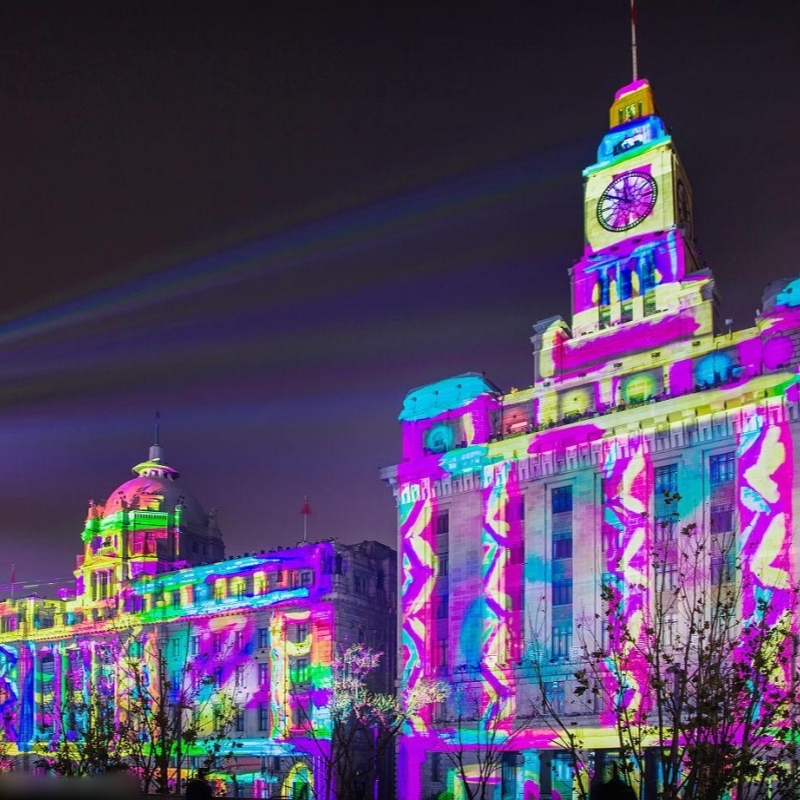
The Bund Light Show

Let’s start with the Bund. Yes, it’s iconic and very beautiful, but what they don’t tell you is that it will be a nightmare: by 10 pm you won’t be able to move an inch and probably see more fireworks through someone’s head than the sky.

This I learned the hard way my second year, when we accidentally stumbled onto the Bund at 9 pm, believing we were early. It was like a festival crowd—a moving throng packed tightly together literally with no room to shift positions. The fireworks were lovely but I watched most of them on my phone screen as that was the only way to see over our heads. The whole area is shuttered by police, you will find it impossible to go to the bathroom, and don’t even think about trying to escape early. If you simply have to go to the Bund, I recommend arriving before 7 pm, staking out your real estate near the Peace Hotel, and bringing snacks and waters because you will not be moving from that spot. You will wish you had an exit plan for after midnight as everyone is trying to escape the same way. Some metro stations shut down certain exit faces to manage the rivers, so know where you are going.

My Favorite Alternative: Rooftop Bars with Killer Views

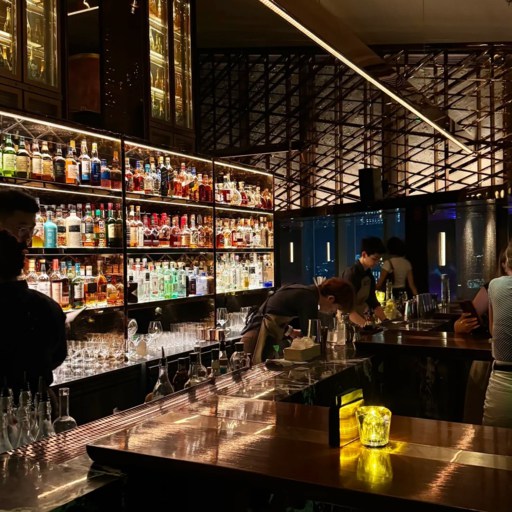
The Captain Bar in Shanghai

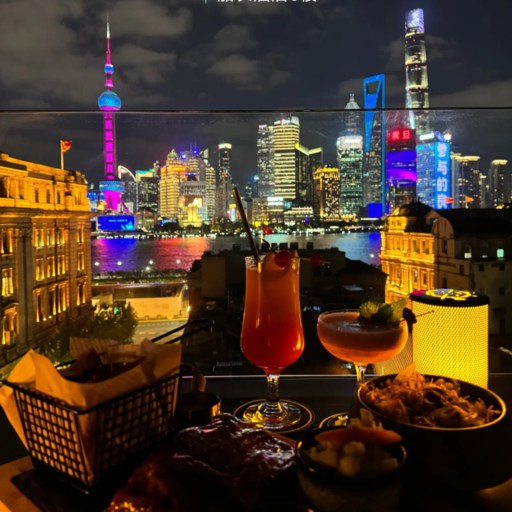
In the wake of my Bund disaster, I stumbled upon what any Shanghai expat worth their salt has known for years: a rooftop bar has all of the Bund’s glamour and none of the chaos. You get the skyline, the fireworks, the booze (in hand instead of spilled on you), and best of all, personal space. Game changing stuff.

My favourite option is CHAR Bar, located at Hotel Indigo on the Bund. Their terrace on the 29th floor offers an uninterrupted view of Pudong’s glittering assembly of skyscrapers and last year’s New Year’s Eve package included cocktail flow and canapes. I spent my countdown ensconced in a nest of glass, sipping cocktails while watching the light show above the streets below; infinitely more civilized than being smashed into a stampede. Make sure you book early; by the early November tables have disappeared.

For something more affordable, I like The Nest at Park Hyatt (not on the Bund, but the views across the river from the 67th floor are great). The crowd tends to be a younger and more international mix, and the place hosts a real DJ who plays decent on New Year’s Eve. You can wobble your nether regions and have a good time, something you might not be able to do at street level. Sip your way through the coolest rooftop lounges, hidden speakeasies, and chill hangouts in Shanghai — the ultimate night-out guide on Travel of China.

Here’s a quick comparison of my favorite rooftop venues:

Venue Floor Level Price Range Vibe Advance Booking
CHAR Bar 29F ¥800-1200 Sophisticated, couples 2 months ahead
The Nest 67F ¥600-900 Energetic, dancing 6 weeks ahead
VUE at Hyatt on the Bund 32F-33F ¥1000-1500 Luxury, all-inclusive 3 months ahead
Sir Elly’s Terrace 13F ¥500-800 Relaxed, great food 1 month ahead

Yu Garden: Traditional Celebrations That Feel Authentic

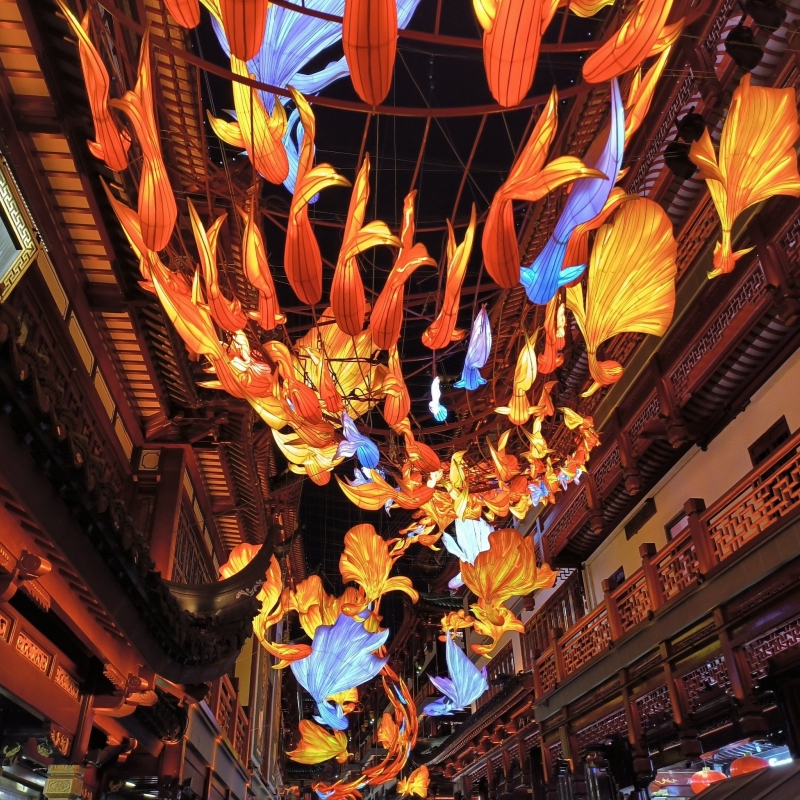
Yu Garden Lantern Festival

If you want something very Chinese, check out Yu Garden, which is transformed into a lantern-filled paradise for New Year; I took my parents when they visited and my mom still talks about it to this day: the architecture is lit by thousands of red lanterns, it has the feel of a temple fair with street food vendors, and the crowd is local and family oriented.

What makes Yu Garden special is how it mixes old and new. You’ll see grandparents teaching kids old school games beside trendy lights. The tea houses often stay open late for warm cups on cold December Shanghai nights, there are street performers doing traditional Chinese opera, and, of course, tanghulu (candied hawthorn) and soup dumplings at the food stalls.

I suggest getting there around 6 pm so that you can watch the lanterns slowly come to life as dusk settles over the city. This countdown isn’t like the countdown of the West; no fireworks are going to scroll over the sky. Think drums, lion dances, temple bells ringing in the new year. To be honest it feels so much more authentic than the Bund, it really is active partaking in traditions rather than just passive watching.

Where the Party People Go: Nightclub Countdown Events

Flair (The Ritz-Carlton Rooftop Bar)

It literally goes off in Shanghai on New Year’s Eve in the nightclubs with international DJs, all-night parties and production values you’d see in a music festival if you are under 35 and want to dance until dawn.

M1NT was my jam before they closed their doors, but not to fear. Elevator and OIL have become the biggest sites fo revents in the city, so if Amelie Lens or Tale of Us are your vibe – look no further, they’re usually what they’ll book for NYE. Prices aren’t super cheap (usually ¥300-800 depending on the venue/DJ) but you often get free drinks until a certain hr.

What I love about the club scene is it doesn’t hit a peak at midnight and die down after that—it just gets warmed up. Parties go until 6 or 7 in the morning and it’s so liberating to start your new year out on the dance floor with people from literally every continent. Just take it easy on the drinks, because Shanghai clubs do not hold back on their pours.

Family-Friendly Options That Don’t Bore Adults

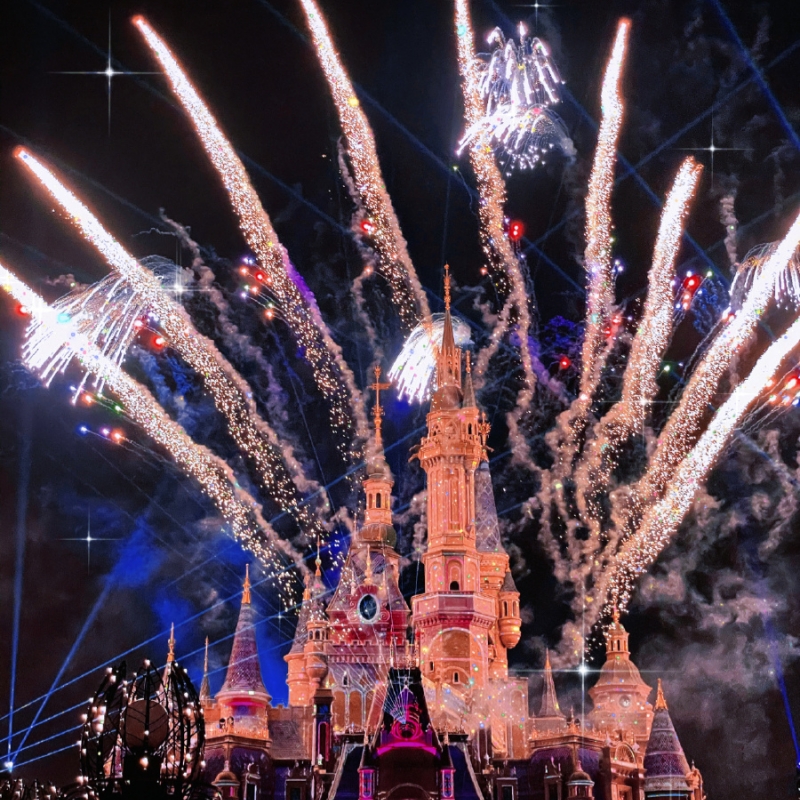
Shanghai Disneyland Fireworks

Hitting the town with little ones? Shanghai is child-friendly, and in case you’re alarmed that you’ll have to amuse them without doing the same to yourself, we’ve got a surprise up our sleeve: most of these are a delight, even without the kid-friendly excuse. Shanghai Disney Resort will throw an awesome New Year Eve with stays open until the small hours, midnight fireworks and a character meet-and-greet for those pretty much all grown-up. I went last year with some friends (no kids in tow, just a few adults energised by an excuse to act like children) – and we had a blast!

Countdown fireworks are amazing at Disney. It’s a ticketed event so you don’t have to deal with the crazy crowds of the Bund. The Park is open until 1 AM so you can ride Space Mountain at midnight if you want! Just a fyi tickets sell out fast and the NYE Event is more expensive.

Shanghai Ocean Aquarium also does a New Year’s Eve sleepover where families can spend the night among sea creatures. I haven’t done this but some friends who have kids swear it’s fantastic. There is just something special about bringing in the new year in an underwater tunnel.

The Underground Scene: Where Locals Actually Go

Here’s something that most tourist guides won’t tell you: The best New Year’s Eve parties in Shanghai take place in places that don’t advertise. I’m speaking of warehouse raves in former industrial buildings, secret speakeasy countdowns, and underground music venues that you would never find without a local connection.

I was introduced to this scene by a Chinese friend who forced me to some random party in a warehouse of an old factory near Suzhou Creek. No tourists, excellent techno DJ, and a fun crowd that knew how to have a good time without the “bottle-service” selection offered in a regular club. Entrance was only ¥100, drinks were cheap, and the experience was cooler than anything in a fancy venue.

You’ll have to do your homework for such events, follow the likes of Shanghai Community Board or Time Out Shanghai on WeChat and scour Smart Shanghai for underground event listings in December. The really good parties are often only announced a week or two before New Year’s, so keep your eyes peeled.

Practical Tips That Will Save Your Night

After five years of trial and error, what I wish I had been told pre-first Shanghai NYE. Download DiDi (Chinese Uber) beforehand but expect zero cars between 11 PM – 2 AM. Impossible demand, insane surge, you’ll wait a week. Metro is your friend until 1 AM. Post 1 AM you’ll either be walking or waiting.

Dress warmer than you think necessary. Shanghai’s December weather is deceptive—it might be 10°C during the day but drop to near freezing at night, especially with the wind along the Bund. I’ve seen so many people in party dresses shivering miserably by 11 PM.

Cash is still important. Many street vendors at Yu Garden or smaller bars don’t take cards, and WeChat Pay requires a Chinese bank account for most functions. Carry at least ¥500 in small bills.

Book everything in advance. I cannot stress this enough. Restaurants, bars, rooftop venues—they all fill up. If you’re planning to celebrate New Year’s Eve in Shanghai properly, start making reservations in November. December is too late for the good spots.

Where I’ll Be This Year

After everything from Bund crush to warehouse rave, I have found my perfect Shanghai NYE formula. Dinner at a decent restaurant round 8pm (this year I’m trying Fu He Hui, the vegetarian place up in the former French Concession that does a NYE menu supposedly). Rooftop bar for countdown round 10.30pm with proper views. After midnight when the amateur hour collapses and sends everyone home, off to whichever underground party has the best DJs.

This gives me the best of all worlds—good food, stunning views for the countdown, and serious dancing until midnight. No tourist traps. No claustrophobically huge crowds with FOMO about missing the “official” celebrations.

Shanghai on New Year’s Eve is chaotic, crowded, and absolutely exhilarating. Whether you want traditional Chinese celebrations, modern rooftop glamour, or underground parties that run until dawn, this city delivers. Just plan ahead, stay flexible, and embrace the madness. After all, you’re starting your year in one of the world’s most dynamic cities—might as well do it right.

Whatever you choose, avoid making my rookie mistakes. Skip the Bund crowd unless you truly thrive in sardine-can situations, book your spots early, and remember that the best experiences often happen in the places that don’t make it onto typical tourist lists. Shanghai rewards those who dig a little deeper, and nowhere is that more true than on New Year’s Eve.

Tagged With: Shanghai attractions Filed Under: Asia Travel

Why Singapore Should Be on Every Traveler’s Bucket List

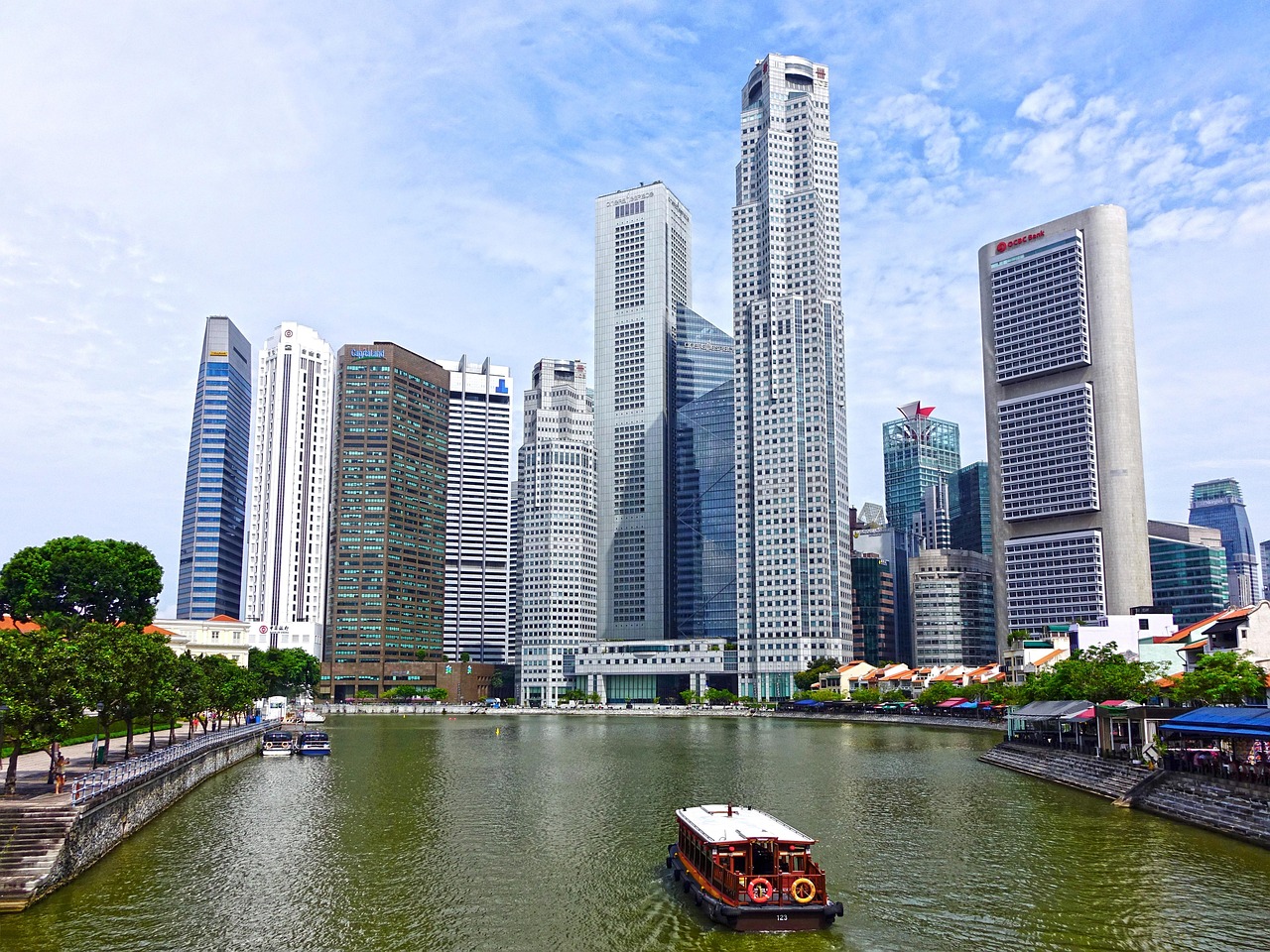
Singapore

Have you ever thought about what makes a city truly unforgettable when you travel?

Some places stand out because of their history, some because of their food, and others because of the energy they give you the moment you arrive. Singapore is one of those cities that combines all of these in a way that feels exciting and welcoming at the same time.

From colorful streets filled with culture to modern sights that light up the skyline, this small city offers more than you can imagine in one trip.

A City Where Past Meets Present

Singapore is known for its unique balance of heritage and modern attractions. Walking through its neighborhoods, you can see colonial buildings standing beside futuristic towers.

Chinatown still keeps its charm with temples and old shop houses, while Marina Bay shows off shining skyscrapers and light shows. This mix gives visitors the chance to enjoy the beauty of both old traditions and new comforts in one trip.

Historical Landmarks to See

Every traveler who visits Singapore should spend time exploring its history. The National Museum of Singapore offers a look at the country’s past, from its early days as a fishing village to its rise as a global hub.

Fort Canning Park is another place worth visiting, filled with stories from the colonial era and earlier times. If you enjoy cultural spots, the Sri Mariamman Temple and Thian Hock Keng Temple show colorful architecture and deep traditions.

These places remind travelers that Singapore has always been home to many communities living together peacefully.

A Food Paradise for Travelers

One of the best reasons to visit Singapore is the food. The famous hawker centers are full of flavors that reflect the city’s mix of cultures.

You can taste Chinese, Malay, Indian, and Peranakan dishes in one place. Popular dishes like Hainanese chicken rice, laksa, and satay are loved by both locals and visitors.

Eating at places like Maxwell Food Centre or Lau Pa Sat is not only affordable but also a real experience of local life. Every meal feels like part of the city’s culture, and it brings people closer to the heart of Singapore.

Little India and Chinatown

Little India and Chinatown are two areas that every traveler should explore. Walking in Little India, the smell of spices fills the air, and colorful shops line the streets.

In Chinatown, traditional medicine shops, temples, and busy food stalls make you feel part of the history that shaped the city. These areas show how communities built their own spaces while adding to the larger story of Singapore.

Nature in the City

Even though Singapore is famous for its modern lifestyle, it also has plenty of green spaces.

The Singapore Botanic Gardens, a UNESCO World Heritage Site, is perfect for a peaceful walk surrounded by nature. Gardens by the Bay, with its Supertree Grove and Flower Dome, is a mix of art and greenery that amazes every visitor.

For travelers who enjoy beaches, Sentosa Island is close by and filled with activities, from sandy shores to adventure parks.

Family-Friendly Fun

Families traveling to Singapore can enjoy attractions like the Singapore Zoo, Night Safari, and Universal Studios Singapore.

These places are built with care to give visitors fun and comfort while keeping a strong connection to nature and creativity. The city makes sure travelers of all ages can find something they love.

Easy to Travel and Safe for Everyone

Singapore is one of the easiest cities for travelers. The public transport system is smooth and simple, with MRT trains and buses covering every part of the city. English is widely spoken, so communication is never a problem.

The city is also known for being clean and safe, which gives travelers peace of mind during their stay. Even first-time visitors feel comfortable moving around without stress.

Work and Travel Connection

Many people visit Singapore for work and then return as travelers to enjoy its charm.

The country offers opportunities through programs like the personalized employment pass, which attracts professionals from across the globe. While work brings people to the city, its culture, history, and attractions keep them coming back as visitors.

The role of The Ministry of Manpower (MOM) in building a fair and welcoming environment adds to the overall positive impression for travelers who want to experience both business and leisure in the same trip.

Festivals and Cultural Celebrations

Travelers who love cultural experiences will enjoy Singapore’s festivals. Chinese New Year and Hari Raya are celebrated with colorful lights, street markets, and cultural performances.

The streets come alive with decorations and food stalls, giving visitors a chance to experience the joy of community celebrations. These events make every trip special and show the warmth of Singapore’s multicultural society.

Best Time to Visit

Singapore welcomes travelers all year round. Its tropical weather means you can enjoy both indoor and outdoor attractions any time. Air-conditioned malls, shaded gardens, and water parks make the warm climate comfortable.

Festivals are spread throughout the year, so no matter when you visit, you can find celebrations and activities that add joy to your travel.

A City That Stays in Your Heart

What makes Singapore truly special is how it leaves travelers with lasting memories. Every visit gives you something new to talk about: a dish you tried, a temple you visited, or a walk by Marina Bay at night. The mix of history, modern comforts, and warm hospitality makes it easy to see why Singapore is on so many bucket lists.

Conclusion

Singapore is more than just a stopover city. It is a place filled with culture, history, nature, and flavors that speak to travelers from every background. From family fun to peaceful gardens, from busy food stalls to shining skylines, Singapore offers experiences that feel both exciting and welcoming. Add it to your travel plans and you will understand why so many people call it a must-visit destination.

Filed Under: Asia Travel

Discovering Thailand: A Journey Through Culture, History, & Wellness

Bangkok temple

Thailand is more than just white sand beaches and bustling street markets. This Southeast Asian kingdom offers a rich tapestry of history, art, religion, and healing that can transform any traveler’s perspective. From ancient ruins to modern temples, from spicy street food to contemplative wellness practices, Thailand is a country where the past is ever-present, and where the body and the spirit are nourished alike.

A Walk Through Time: Historical Highlights

Sukhothai & the Origins of Thai Nationhood

Sukhothai, founded in the 13th century, is often considered the cradle of Thai culture. The Sukhothai Historical Park, with its serene Buddha statues, lotus ponds, and ruins of stupas and palaces, offers an immersive look into early Thai architecture and religious art. Walking among its remains, one appreciates how Buddhism and early Southeast Asian political structures intertwined to form what became the Thai identity.

The Ayutthaya Era & Eclectic Dynasties

Between the 14th and 18th centuries, Ayutthaya was a cosmopolitan hub, engaging in trade with China, India, Persia, and eventually Europe. The ruins at Ayutthaya Historical Park—grand prangs, reclining Buddhas, massive temples—tell stories of successes, sieges, royal court life, and religious evolution. It’s a must-stop for anyone wanting to understand how Thailand evolved under the pressures of both internal dynamics and external threats.

Northward to Chiang Mai & the Lanna Kingdom

Chiang Mai in the north, once capital of the Lanna Kingdom, is lush and layered with history. Its temples, tight-knit old town, and arts traditions (silk, wood carving, mural painting) make it one of the most culturally satisfying parts of Thailand. From hill tribes in the surrounding mountains to the misty forests and waterfalls, you can see how geography shaped culture—how remoteness allowed older traditions to stay alive.

Bangkok: Where Old Meets New

Bangkok is the contrast engine that powers modern Thailand. The Grand Palace, Wat Pho (the Reclining Buddha), Wat Arun across the river—they’re all gorgeous, steeped in religion, artistry, and royal patronage. But then there are skyscrapers, modern shopping malls, traffic jams, neon lights. Bangkok is history, hustle, faith, food. Wat Pho also happens to be the birthplace of Thai traditional massage education, making it a pilgrimage site not only for historians of religion and politics but for those interested in healing arts.

Cultural Tips: How to Travel Respectfully

  • Temple Etiquette: Always cover shoulders & knees before entering; remove shoes; speak quietly; avoid public displays of affection.
  • Royal Family & Monarchy: Reverence for the monarchy is embedded in Thai culture; public speech and behavior reflect that.
  • Language Basics: A few Thai phrases go a long way (“Sawadee” for hello, “Khop Khun” for thank you); also, learning when & how to use “wai” (traditional greeting) matters.
  • Festivals & Timing: Loi Krathong, Songkran, and regional festivals bring vibrant experiences if you plan around them.
  • Best Seasons: Dry season (roughly November–April) is cooler, more comfortable. The monsoon months bring rain but also lush landscapes—and fewer crowds.

Wellness & Healing: Experiencing Traditional Thai Massage

One of the most soul-settling aspects of a trip to Thailand is the opportunity to experience traditional Thai massage—not just as a luxury spa add-on, but as a practice deeply rooted in Thai medicine, history, and spiritual life.

What is Traditional Thai Massage?

Known as Nuad Thai (or Nuad Boran), this practice combines acupressure along energy lines (sen), assisted stretching, pressure-point therapy, and elements of Indian Ayurvedic medicine. It’s often done fully clothed on mats rather than oil massages on tables.

UNESCO declared traditional Thai massage an Intangible Cultural Heritage in 2019, recognizing both its history and its ongoing importance in Thai culture.

Where to Try It & Why It Matters

Wat Pho in Bangkok is legendary: its Thai Traditional Medical & Massage School is the first to be formally approved, its medical inscriptions show pressure points and practices, and many of the country’s best practitioners cut their teeth here.

For those seeking both authenticity and comfort, Thai Lotus Bodywork is an excellent resource. Their site offers information and access to practitioners rooted in Thai tradition. And for those who specifically want to explore therapeutic techniques in depth, their page on Traditional Thai Massage provides details about methods, philosophy, and what to expect from sessions.

Benefits

  • Eases back pain, joint stiffness
  • Improves flexibility & range of motion
  • Enhances circulation & relaxation
  • Reduces stress & improves well-being

Practical Itinerary Ideas

Here’s a suggested 10-day itinerary that balances history, culture, relaxation, and wellness:

Day Region / City Highlights
1–2 Bangkok Grand Palace, Wat Pho, Wat Arun; first Thai massage, Chinatown, river sunset
3–4 Ayutthaya Ancient capital, temples, ruins, local food markets
5–7 Chiang Mai Old city, temples, handicraft villages, hill-tribe trek; evenings of massage and cafes
8       South Head to an island or coast (Krabi, Koh Samui)
9–        Beach + 10        Wellness Sun, sea, Thai massage, snorkeling, spa, relaxation


Food, Nature & Hidden Gems

  • Culinary Adventure: Northern Thai food (khao soi, sai ua), southern seafood and spicy curries, Isan fare (papaya salad, larb). Street food is an art form.
  • National Parks & Wildlife: Parks like Khao Sok, Erawan, and Doi Inthanon offer jungle, waterfalls, and trekking.
  • Lesser Known Towns: Pai, Nan, Lampang provide peaceful scenery, Lanna architecture, and slow life.
  • Spiritual Spaces: Meditation retreats & temples offer silence, reflection, and connection with local culture.

What to Pack & Practical Notes

  • Lightweight, breathable clothing; modest attire for temples
  • Good walking shoes for uneven ruins and hills
  • Rain jacket if visiting during wet months
  • Plug adapters, sunscreen, mosquito repellent
  • Respectful behavior: remove shoes, cover up, learn a few Thai words
  • Stay hydrated; the Thai climate can exhaust newcomers

Why Thailand’s Heritage & Wellness Go Hand in Hand

Thailand’s history, its spiritual practices, and its approach to healing are deeply interwoven. Temples teach massage, ancient medicine, and herbal knowledge; many of the practices that visitors now treat as “wellness” were once simply daily life. Traveling in Thailand is thus not just sightseeing—it’s an opportunity to step into traditions that have preserved well-being for centuries.

Final Thoughts

Thailand offers more than postcard views. It’s a place where one walks the line between ancient and modern, where sacred ceremonies are still lived, where healing touches are part of the culture. For the traveler interested in history, embodied experience, and nourishment for both body and mind, Thailand is hard to beat.

Whether you plan a fast-paced week or a slow month, weave in temples, natural beauty, local food, and wellness rituals like traditional Thai massage, and you’ll come away changed. And if you want trustworthy guidance on massage and bodywork rooted in tradition, explore Thai Lotus Bodywork and their Traditional Thai Massage insights before you go.

Safe travels—and may your journey through Thailand be as deep and rich as its history.


Tagged With: Thailand culture Filed Under: Asia Travel

  • « Previous Page
  • 1
  • 2
  • 3
  • 4
  • …
  • 44
  • Next Page »

MORE TRAVEL STORIES:

Marathon Introduces Beautiful Modernisme

Samarkand, City of Enchantment

Why Mountain Getaways Are Perfect for Family Adventures

Which Lan Ha Bay Cruise Route Is Right for You? A Guide for Every Traveler

India: Ranthambore National Park

Cairo Egypt

The White Dove of the Desert: Tohono O’odham Reservation, Arizona

Naples, a Gift of Time


SEARCH

DESTINATIONS

  • Africa Travel
  • Antarctica travel
  • Asia Travel
  • Australia travel
  • Caribbean Travel
  • Central America Travel
  • Europe Travel
  • Middle East Travel
  • North America Travel
  • Oceania Travel
  • South America Travel
  • Travel History
  • Travel News
  • UK Travel
  • Uncategorized
  • World Travel
facebook
Best Travel Blogs - OnToplist.com

Copyright © 2026 Cedar Cottage Marketing | About Us | Contact | Privacy Policy | Terms & Conditions | Copyright Notice | Log in