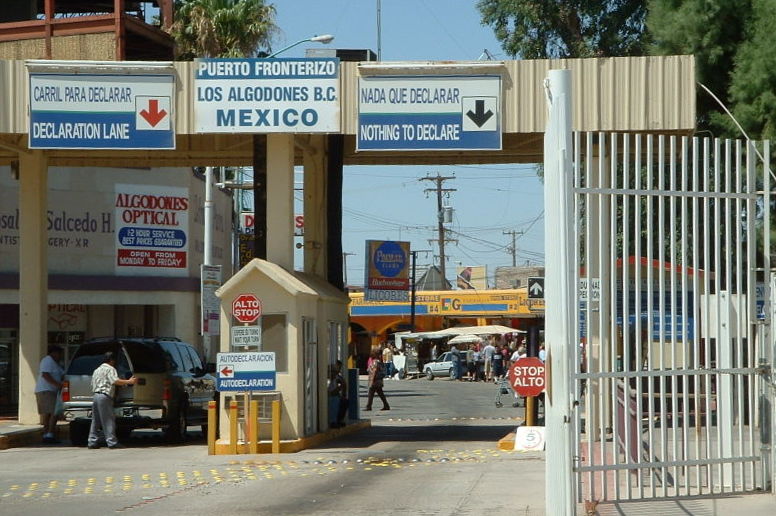
A border day trip can feel purely practical at first: documents, timing, a short walk, a short list of errands. But if you slow down even a little, the border itself becomes the lesson. You start to see how roads, inspection stations, and foot traffic shape a town’s rhythm, and how that rhythm quietly becomes an economy.
This is a history-led way to experience Los Algodones without turning it into a rushed checklist. You will still plan smart, because that is part of traveling responsibly. Yet you will also leave with context you can carry, the kind that makes even a brief visit feel connected to a bigger story.
Why border towns became “day trip” places
Geography does the first half of the work
Border towns grow where movement concentrates. Crossing points create predictable paths, and predictable paths create predictable stops: a place to eat, to rest, to stock up, to handle a need you have been putting off. Over time, that pattern is not random at all. It is a map written by repetition.
If you have ever wondered why some towns feel designed for walking and quick transactions, consider the role of infrastructure and convenience. When access is straightforward, people return. When people return, services organize around them.
A simple timeline you can recognize on the ground
You do not need a dense history lecture to understand a border place. A visitor-friendly lens is enough:
- Early crossings and routes formed around rivers, rail, and desert roads.
- Formal ports of entry brought rules, buildings, and routines that shaped daily life.
- Modern travel habits turned some crossings into day-trip corridors, especially where driving and walking are easy.
You can see this timeline in small details: the placement of roads, the location of parking areas, the way storefronts face pedestrian flow, and how a town signals what travelers typically come for.
A short history lens for a small border destination
From desert routes to modern corridors
Desert regions reward planning. Historically, travelers moved along routes that made water, shade, and passage possible. Today, those older patterns echo in modern corridors: where highways lead, where crossings sit, and where short-distance trips feel realistic.
What changes is not the need to move. What changes is why people move and what they expect to find when they arrive. Modern day trips are built around time efficiency, comfort, and clear logistics.
The modern chapter, services built around the day trip
Some places become known for a specific kind of visit, and that reputation feeds itself. Los Algodones is often nicknamed “Molar City” because of its unusually concentrated dental ecosystem, which developed in part because the location makes short visits feasible for many travelers.
That modern reputation is easy to observe without romanticizing it. You will notice pharmacies, optics, and yes, dental clinics, all positioned for visitors who want to do something useful with a single day. That is not a contradiction to history, it is the next chapter of how border towns adapt.
A history-led day trip itinerary
Morning, cross with intention
Start by treating the crossing as a living artifact, not just a checkpoint. Arrive with time padding, because wait times and lines are part of the border’s daily reality, and they shape how the town functions on both sides.
Before you go, check official sources for current hours and wait-time updates. Good planning is part of respectful travel, especially in working border communities.
As you cross, notice the choreography: lanes, signs, and the steady pace of routine. This is infrastructure you can read. It tells you what kind of movement is expected here, and how that expectation organizes everything nearby.
Midday, walk the town with “history eyes”
Once you are on foot, shift from “what do I need to do” to “what is this place showing me.” Border destinations often communicate through practical design.
Look for small cultural clues:
- Signage that anticipates visitors’ questions, especially about where to go next
- Streets that prioritize foot traffic and quick stops
- The way businesses cluster around the most obvious walking paths
Try one simple exercise: pick a corner and watch for five minutes. Count how many people are carrying paperwork, how many are comparing notes, how many are clearly on a timed schedule. You are seeing a modern version of an old truth: trade and travel shape towns.
Afternoon, build in your practical stop without losing the story
If your day includes an appointment, plan it like you would plan a museum visit: with breathing room before and after. Rushing makes everything feel sharper, including small inconveniences.
This is also where calm questions matter. If you are comparing options, ask for written estimates and clear inclusions. Even in a short trip, dental prices can vary by case and by what is bundled into a quote, so clarity is the difference between confidence and stress. Use the same standard you would use anywhere: written, itemized, and easy to understand.
If you want to compare providers quickly, directories can help you build a shortlist before you travel. You might see names like Dental Algodones (DA) or coordination platforms such as Medify in your research. Treat any listing as a starting point, then verify details with direct questions and written information.
Late afternoon, return without stress
Give your return the same respect you gave your arrival. Lines and delays are part of border life, and they are not personal. Pack patience into your schedule.
If you have done any appointment or shopping, keep your plan simple on the way back. A slower pace makes the day feel like travel, not a sprint. It also helps you notice what you might otherwise miss: how the town’s energy shifts as visitors cycle in and out.
Planning notes that keep the trip responsible
What to bring and what to expect
Border day trips go better when you assume small needs will pop up. Focus on comfort and flexibility.
Bring:
- Water and a light snack, because timing can change
- A hat or sun protection for walking in open areas
- A phone charger, since navigation and communication matter
- Your documents, plus copies or photos stored safely
Also bring the right mindset. You are visiting a place that is working, not performing. Respectful travel is quiet and observant, not entitled.
A simple budgeting frame
Think in categories, not exact totals. Transportation, food, and time buffers are the baseline. If your day includes care, build in room for follow-up needs and a realistic cushion.
If you are evaluating dental prices, keep your comparison fair. Look at what is included, how changes are communicated, and whether you can get the plan in writing. A clear scope is often more valuable than a low number.
Closing, what you take home besides photos
A short border day trip can still be educational if you let it be. The lesson is not hidden. It is in the way movement shapes streets, in the way routine shapes services, and in the way a town learns to meet visitors where they are.
If you plan with care and look with intention, Los Algodones becomes more than a practical stop. It becomes a small, readable example of how borders shape communities, and how travel, even in its simplest form, can teach you something real.
Photo credit: Travisl, Public domain, via Wikimedia Commons


.JPG)
Leave a Reply
You must be logged in to post a comment.