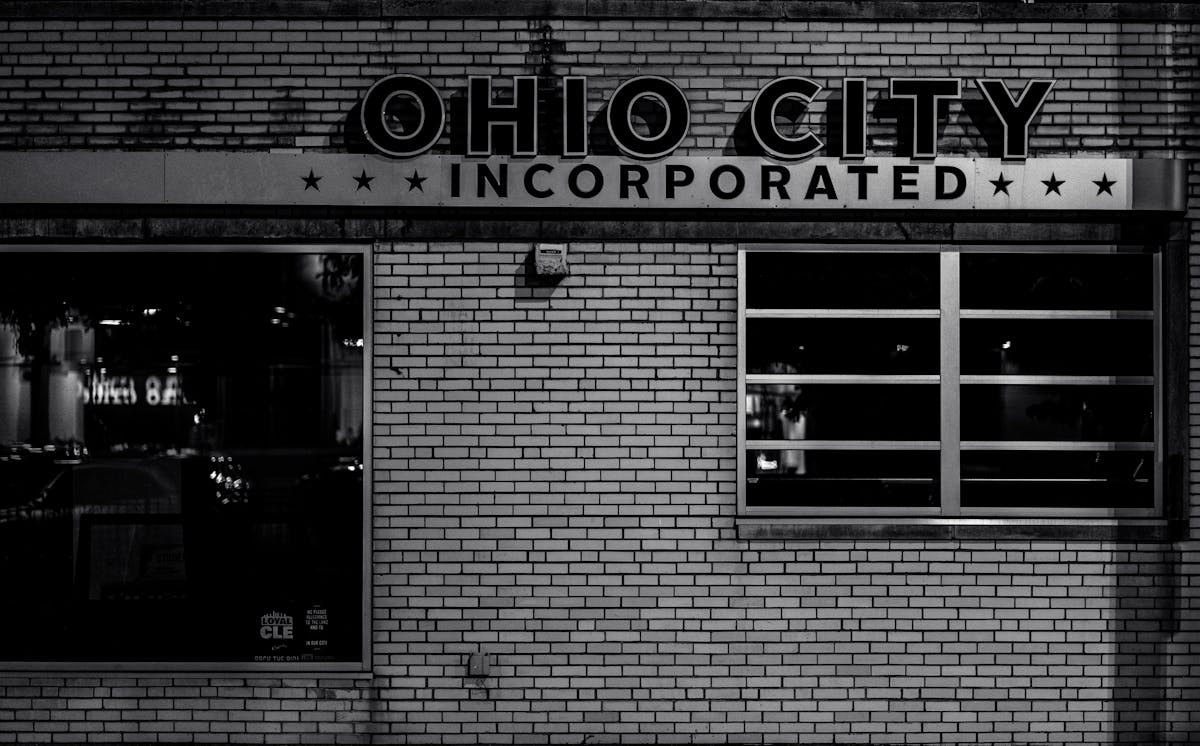
Ohio feels like a living museum once you start noticing the details. Old brick factories still stand near riverbanks. Railroad bridges cut across city skylines. Steel towns built entire neighborhoods around shifts and sirens. When you explore industrial history in Ohio, you don’t just learn dates. You feel the grit, the hope, and the everyday lives behind the machines. This state helped power America through canals, trains, and manufacturing hubs. Today, you can walk those same paths through parks, museums, and restored districts. Some places feel polished, while others stay raw and real. Either way, each stop tells a human story. You don’t need to be a history expert either. You just need curiosity and comfortable shoes, whether you are exploring Ohio with a group or alone.
Where Ohio’s Industry Began: Water, Wheels, and Work
Ohio’s early industry followed water like a trail. Rivers and canals moved goods before highways existed. Towns grew where boats could dock, and factories could run. The Ohio and Erie Canal, built in the 1820s, connected Cleveland to Portsmouth and supported trade for decades. You can still visit canal areas today, especially in spots turned into trails and parks. These places feel quiet now, but they once carried heavy loads daily. You can walk along towpaths and imagine mules pulling boats through narrow locks. It’s a peaceful way to experience a long history without needing a guide. Since many canal areas sit near modern cities, you can mix nature, history, and food stops in one easy day trip.
Ohio’s Power Cities and What They Built
Ohio’s biggest cities each played a different role in American growth. Cleveland became known for heavy industry and shipping access near Lake Erie. Akron rose through rubber and polymer production. Youngstown became tied to steel and metalwork. Cincinnati and Dayton also built strong manufacturing roots with machine tools and business products. You don’t need to visit every city to understand the story. Pick one or two and explore deeply. Look for old factory buildings turned into shops or lofts. Visit local museums that show worker life, not just machines. If you want a simple plan, spend a morning in a museum, then walk a historic district after lunch. That mix keeps the day fun and easy.

A Walkable City with Deep Roots
Across Ohio, many cities balance heritage with modern living, and Cincinnati stands out as a clear example. When people ask, “Is Cincinnati a good place to live?” the answer often connects to how naturally daily life fits into the city’s layout and pace. Neighborhoods feel connected rather than scattered, which makes walking a practical option instead of a novelty.
Cincinnati shows its character through preserved industrial spaces, brick-lined streets, and riverfront paths that still shape how people move through the city. Areas like Over-the-Rhine blend historic warehouses with cafés, shops, and apartments that support everyday routines. Exploring these areas helps with understanding what the city offers, from accessible housing options to a cost of living that remains manageable compared to larger metro areas.
Beyond architecture, Cincinnati supports a steady job market and career opportunities tied to healthcare, manufacturing, education, and growing tech sectors. Community-focused neighborhoods add to that appeal, offering a strong local feel without sacrificing convenience. Together, walkability, employment access, and distinct districts explain why Cincinnati continues to draw attention within Ohio as a place that feels lived in, not staged.
Industrial History in Ohio You Can Walk Through Today
You don’t have to stand behind glass to experience Ohio’s industrial past. Many sites invite you to walk, touch, and explore. The Youngstown Historical Center of Industry & Labor shares stories of steelwork and community life. Canal remnants across Ohio also give you outdoor paths with built-in history. For a strong travel day, choose one museum and one outdoor location. That way, you learn the story indoors and feel the setting outside. If you travel with kids or teens, break things up with snack stops and short drives. It keeps everyone engaged and curious. History becomes easier when it feels like an experience, not a lecture. Ohio makes that style of travel simple.
Unique Travel Adventures
Industrial history trips work best when your travel style matches your schedule. Some people love museums. Others want walking trails and photo stops. That’s why travelers often look for ways to discover new adventures with unique travel solutions that fit short weekends or longer road trips. You can plan one city per day or build a loop through several towns. You can even travel by theme, like canals one day and steel towns the next. If you work full-time, pick compact stops with easy parking and quick entry times. Add one flexible activity too, like a scenic overlook or local market. That keeps the trip from feeling rushed. A smart plan helps you stay relaxed while still seeing meaningful places. It also enables you to spend more time exploring and less time backtracking.
The People Behind the Machines
Factories and railroads feel impressive, but people built the true story. Ohio’s industrial boom depended on workers who moved here for jobs and stability. You can still see the legacy in row homes, union halls, and community centers. In cities like Toledo, strikes and labor movements shaped work life for decades. When you visit, look beyond the biggest landmarks. Notice the smaller details too. Old signs, worn steps, and tucked-away brick alleys often tell a deeper story. If you want a more personal experience, take a guided tour when available. Guides usually share family stories passed down through generations. That adds emotion and meaning to what you see. It also helps you remember the trip long after you leave.
Research and Plan Your Trip
Travel planning skills transfer across every kind of trip, even when the destination changes. When you learn how to structure routes, manage timing, and handle logistics, you travel with more confidence. That’s why some people also enjoy reading travel guide stories that help them plan their own. It may be a different kind of journey, yet the habits overlap. You still balance schedules, documents, and transit. You still plan rest stops and backup options. Strong planning helps you enjoy the trip instead of stressing through it.
A Simple Route You Can Copy This Weekend
If you want a quick plan for exploring industrial history in Ohio, choose a one- or two-city loop. Start with Cleveland or Akron for strong industrial landmarks. Then travel south toward Columbus or Cincinnati for contrast. Keep your day simple and realistic. Try this structure:
- Morning museum visit
- Lunch in a historic district
- Afternoon walk along a trail or riverfront
- Sunset photo stop at a restored landmark
This plan works because it mixes learning and movement. It also keeps your energy steady—pack water, a portable phone charger, and a light jacket. Ohio weather can shift quickly. If you want souvenirs that feel meaningful, buy from local museums or small makers. That supports the communities shaped by this history. Small choices like that make your trip feel more connected and thoughtful.

Your Next Walk Through the Past Starts Now
Ohio offers history you can feel under your feet. It lives in towpaths, steel towns, rail lines, and reused buildings. When you explore industrial history in Ohio, you connect with stories of workers, invention, struggle, and growth. You don’t need a long vacation to experience it. A weekend route can give you a meaningful travel day with real memories. Pick one region, set a simple plan, and let curiosity guide you. Take photos, talk to locals, and pause at the quiet places too. Those moments often hit the hardest. Ohio’s past is not locked away. It’s still here, waiting for you to walk through it.
About the author:
Milo Carter is a travel writer who explores American destinations through the lens of history, place, and everyday movement. His work highlights walkable routes, repurposed industrial spaces, and the local stories that connect past industries to modern life. He focuses on practical travel experiences that help readers understand how history still shapes the way communities live today.

