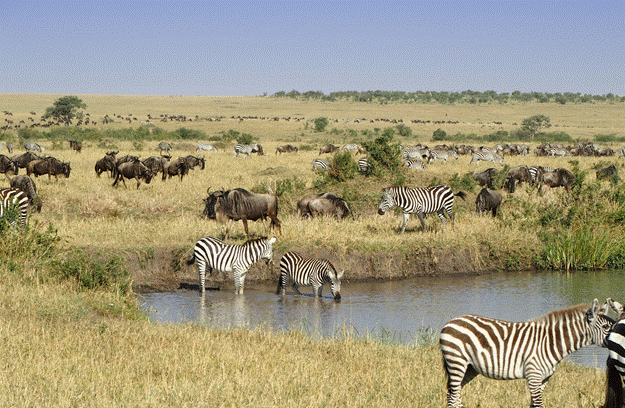
When people talk about African safaris, one place always comes to mind. That is Masai Mara. It is not just land with grass and animals. It is a place where nature breathes wild and free. Where the sky is so big and lions walk slowly like kings. A safari in Masai Mara is not just a trip; it is like a dream that stays forever.
Heart of Masai Mara
Masai Mara in Kenya is a very special land. It joins with Serengeti of Tanzania; together they make the world’s biggest wildlife home. Here animals live free. The grassland stretches far like the ocean. Every morning the sun rises to a golden color and every evening it falls soft on land. When you first enter Masai Mara, the air feels wild. You hear birds calling. You see giraffes moving slowly. The zebra and wildebeest graze in groups. Sometimes you see a lion sleeping under a tree or a cheetah running fast like the wind.
People come from all over the world to see this beauty. Safari-in-Masai-Mara is one of life’s best journeys.
Why Is Safari in Masai Mara So Famous?
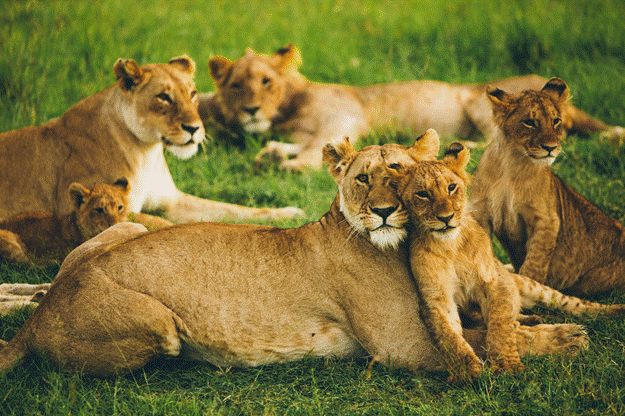
Masai Mara is not a big city. It is nature alive. The reason it is famous is simple. You can see the Big Five—lion, elephant, buffalo, leopard, and rhino—all in one place. It is not easy to see them together but here it is possible. Masai Mara is also known for the Great Migration. This happens once a year. Millions of wildebeest and zebras cross from Serengeti to Mara. They move for food and rain. Crocodiles wait in the river. Lion watch from the hill. Nature shows the biggest drama here. You just sit in a jeep and see it like a movie but real. When you go on safari in Masai Mara, every day is a new surprise. Sometimes you see an elephant herd crossing the road. Sometimes lion cubs play. Sometimes you see the sunset so red it makes your heart stop for a moment.
The Magic of Kicheche Mara Camp
If you want to stay close to the wild but in comfort, Kicheche Mara Camp is one of the best places. It hides deep in the Olare Motorogi Conservancy. That means not many cars, not many people, only you and nature. The camp has a big tent but not a normal tent. It is a luxury tent with a bed, bathroom, and candlelight dinner. You wake up with the sound of birds and maybe lions far away. The people in Kicheche Mara Camp are so friendly. They tell stories of animals and of Masai culture, and they take care of each other like family. You can sit near a fire at night and look up at the stars. So many stars you cannot count. You feel small but happy.
Every morning, the guide takes you for a game drive. You go in an open jeep. The guide knows where to find a lion or cheetah. They drive slowly, telling stories about animal life. You see how cheetahs hunt, and how elephants protect babies. Every second you learn something new. Kicheche Mara Camp not only comforts but also cares for nature. They protect land, they support local Masai people, and they do eco-friendly living. It is the perfect place for a heart that loves wild and simple life.
Richard’s River Camp—Where Peace and Wild Meet
Another beautiful place in Masai Mara is Richard’s River Camp. It sits along the Ntiakatek River. The name sounds soft and the place even softer. Here nature comes so close, you can hear river talk. The camp design is very natural. Tent open to a river view. You can sit in a chair and watch an elephant walk near water. You drink tea and see hippos play. It feels unreal but it’s real. Richard’s River Camp is family-owned and very peaceful. It is not crowded. Every guest gets personal care. The food tastes amazing, made fresh every day. In the evening they light fires and people sit and share stories of what they saw during the day.
When night comes, the camp is so quiet, with only the sound of nature. Wind touches the tent, hyenas laugh far away, and stars shine in the sky like lamps. Safari from Richard’s River Camp is special because it is inside a private area. So animals are free but not too many jeeps. That makes the experience closer and more heart-touching.
Masai People—Guardians of the Land
Masai Mara is not only about animals. It is also about Masai people. They are proud, tall, and kind people. They live with animals in peace. They wear red clothes, carry sticks, and smile big. When you visit a Masai village, you see how they live simple lives. They show you dance, they sing songs, and they talk about their cows and family. You feel their connection with land.
Masai teaches the world something important—to live with nature, not against it. They protect animals, and animals respect them.
Best Time for Safari in Masai Mara
Masai Mara is open all year but the best time depends on what you want to see.
- July to October: The Great Migration happens. It is the most famous time. River crossing and predator hunt—nature full of life.
- November to March: Green season. Less crowd, more baby animals. Birdwatching is amazing.
- April to June: Rainy but beautiful. Grass tall and sky full of colors.
Every month brings something new. Even in rain, Mara magic never stops.
Life in the Wild—Morning to Night
Morning in Masai Mara starts early. You wake up before sunrise. The guide brought coffee and biscuits. Then the drive started. The air is cold but fresh. You watch light come on land. You see animals wake up. It is a moment you never forget. Later, you come back for breakfast. Then rest or read. In the afternoon again you go out. Maybe see an elephant family or a lion hunt. In the evening, sunset paints the sky orange and red. At night, the campfire glows. You eat dinner under the stars. You talk with other travelers. You hear the sound of the wild and sleep with the soft wind.
Why Choose These Camps?
Kicheche Mara Camp and Richard’s River Camp both give a true safari feeling. They are not big hotel style. They are small, personal, and close to nature. They respect wildlife and people. If you want a real safari, where you feel nature in your heart, these camps are perfect. No rush, no noise, only wild rhythm.
Photography Heaven
Masai Mara is a dream for photographers. Everywhere you look, pictures wait. Lion in golden light, elephant against sunset, bird flying over plain. Even simple trees look like art. At Kicheche or Richard’s River Camp, guides know good spots. They stop the jeep at the perfect time for a photo. Many professionals come here again and again because the light and scenery are so magical.
Conservation and Love for Land
Both camps help protect wildlife. They support the conservancy system. That means money from guests goes to protect land and support local people. Without this, animals cannot live free. So when you stay in these camps, you not only enjoy yourself, but you also help nature too. That makes safari more meaningful.
Feeling of the Mara
It is hard to explain what Masai Mara does to the soul. You come as a visitor but leave as a friend of earth. Every sound, every sight, and every smell stays long in memory. When you drive out on the last day, you feel heavy-hearted. You want to stay more. Because Mara is not just a park; it is a feeling. It is life pure and wild.
Tips for Travelers
- Carry light clothes but also warm jackets for early morning.
- Don’t forget the camera and binoculars.
- Respect animals. Don’t go too close.
- Talk with guides; they know many stories.
- Stay in camp at night, for your safety.
Ending the Dream
A safari in Masai Mara is not just travel. It is meeting with nature face-to-face. Staying in Kicheche Mara Camp or Richard’s River Camp makes it more special. You sleep close to the wild but safe and warm. You eat good food, you meet kind people, and you live in the moment. When you leave, you know something changes inside. You understand the beauty of simple life. You know the meaning of wild freedom.
So if your heart loves nature, loves the sky, and loves life without walls, then Masai Mara is waiting for you. Come see lions walk proud, come see sunset burn gold, come feel wind touch your face.
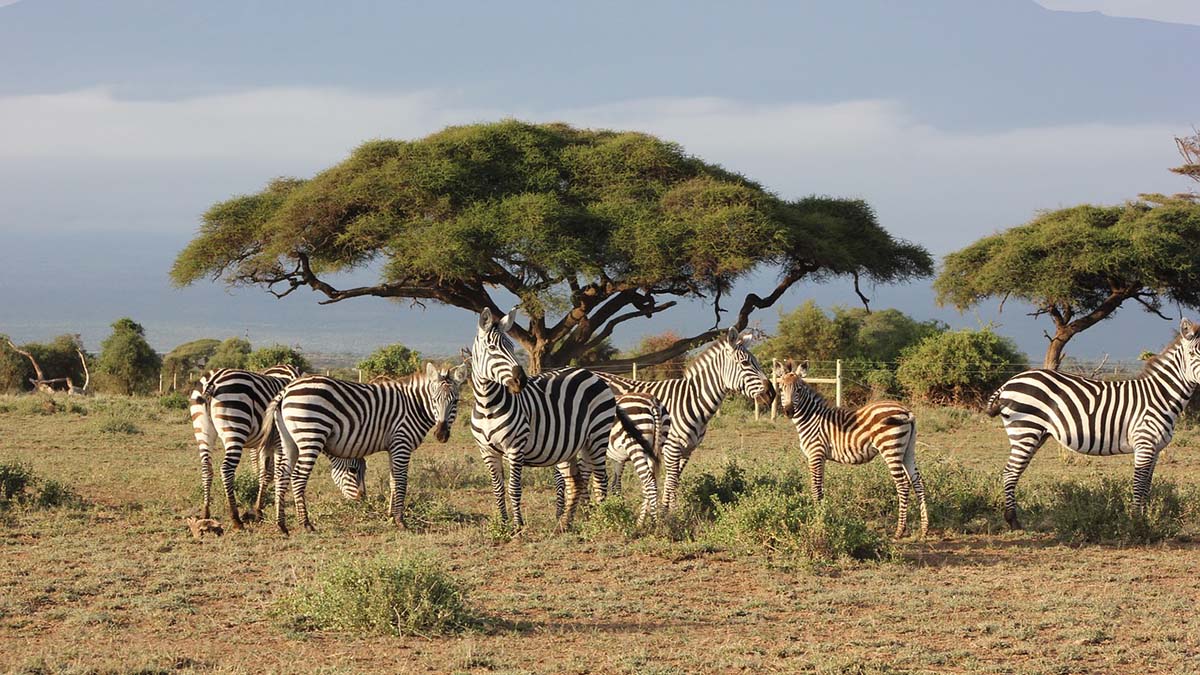
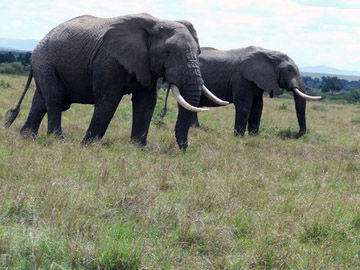
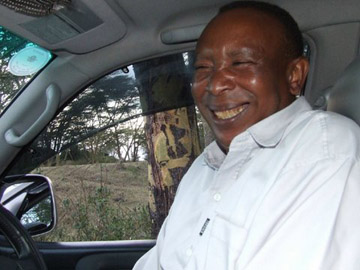

 Moving slowly toward Kitchwa Tembo (meaning Elephant Head), an area in the Mara,there are thousands of plains game to watch and photograph. Herds of buffalo, vast numbers of shy water buck, usually seen peering from behind tall grasses. Lions are often sighted in their prides of about six, rolling about or sleeping under the Acacia trees, resting until the sun goes down when they go hunting. Hippos stay in the river puffing and bellowing until after 7 p.m. when they lumber out of the water to munch grass and bushes for most of the night.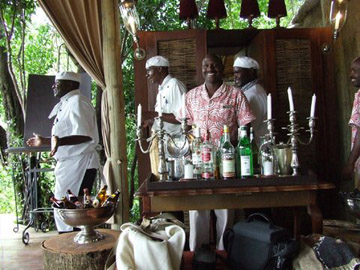
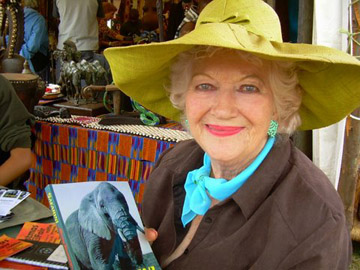

 Margaret Hayes, born in England, went to live in East Africa in 1958. She became a photo journalist in Kenya during the ‘winds of change’ period of the 1960s recording stirring events and meeting many of the leaders who took Kenya, Uganda and Tanzania into nationhood. She also lived in Ethiopia for several years before the reign of Emperor Haile Selassie was ended in revolution. She is the author of a book about her Kenya adventures,
