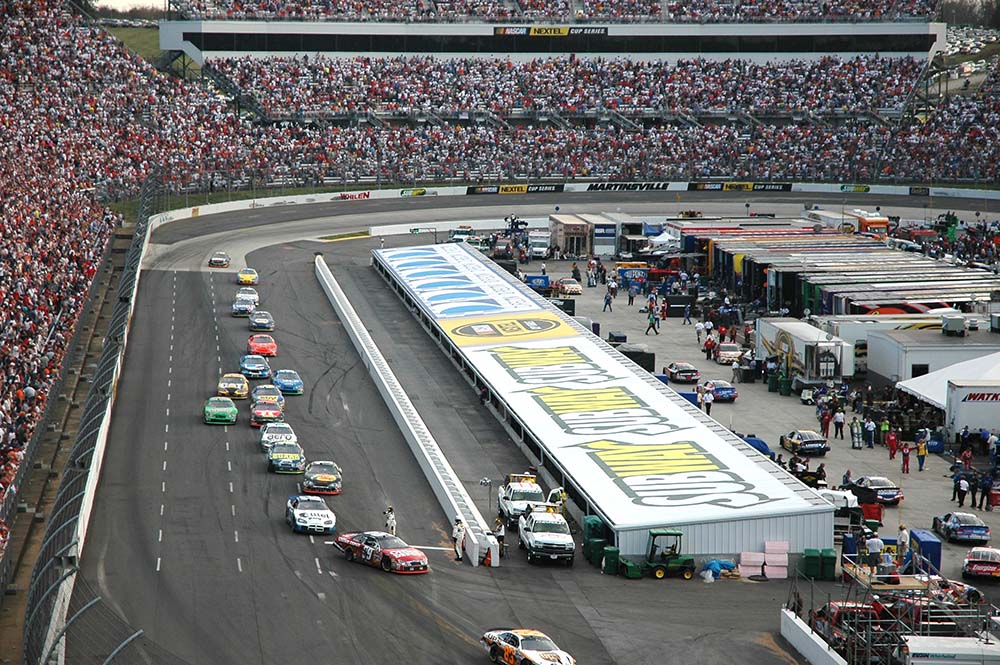
A race weekend planned badly is three days of queuing, sunburn, and watching cars from a spot you couldn’t see the track from. Planned well, it’s one of the more genuinely memorable trips available, largely because motorsport venues sit in places nobody would otherwise visit, and the events run long enough to feel like a proper stay rather than an outing.
The surrounding geography frequently deserves as much planning as the racing. The Ice Age National Scenic Trail runs 1,200 miles through Wisconsin’s glacial landscape, passing close to several major venues. This is the sort of thing a weekend built around track time can easily accommodate. Motorsport destinations across America tend to sit near this kind of overlooked terrain.
Here’s how to build a weekend that uses it.
Pick the Event Before the Destination
Race weekends vary enormously in character, and the same circuit hosts entirely different experiences depending on what’s running. A national series weekend brings crowds, support races, and a full paddock; a club event brings almost nobody and considerably better access.
Decide which you want before booking anything. Families with children frequently do better at smaller events where the noise is manageable, and parking is straightforward. Enthusiasts wanting atmosphere and a full grid should target a headline weekend and accept the logistics that come with it. Choosing the destination first and the event second is how people end up at the wrong sort of weekend entirely.
Book Accommodation Considerably Earlier Than Feels Necessary
Motorsport venues are usually rural, which means limited local accommodation and a surge of demand three or four times a year. Rooms within a reasonable radius disappear months ahead for major events, and by the time most people start looking, the closest options are already gone.
The practical consequence is that spontaneity costs you either a long drive each day or a substantial premium. Booking six months out for a headline weekend isn’t excessive, and it’s frequently the difference between staying fifteen minutes from the gate and staying an hour away in a town with no connection to the event at all.
Camping Puts You Inside the Weekend Rather Than Beside It
Staying on site changes the character of the trip substantially. You’re there for the early sessions, you avoid the traffic entirely, and the evenings become part of the experience rather than a drive back to a motel. That shift, from arriving each day to simply already being there, is what most repeat visitors describe as the real difference between camping and commuting to a race weekend.
Anyone planning camping near Road America should check what each area actually includes before booking, since amenities and proximity to the circuit vary considerably between sites. The differences between camping areas matter more than the price gap suggests. Quiet areas suit families, while sites near the paddock suit people who want to be in the middle of it.
Study the Circuit Map Before You Arrive
Spectator experience varies enormously by location, and the best viewing spots are rarely the ones nearest the entrance. Braking zones and corner entries produce more visible action than straights.
Worth identifying in advance are elevation changes, which give sightlines across multiple corners, and whether the circuit permits moving between areas during a session. Some venues encourage walking the perimeter across a day, which is genuinely the best way to see a track properly and requires knowing the route before you’re standing in the sun deciding.
Plan for Weather That Doesn’t Cooperate
Motorsport happens outdoors across long days, and spectator areas are frequently exposed. A weekend can produce both sunburn and a downpour, sometimes on the same afternoon.
What to bring is short and easily forgotten:
- Ear protection: essential rather than optional, particularly for children
- Layers and waterproofs: sessions continue in rain, and mornings are colder than expected
- Sun protection: long days with limited shade in most viewing areas
- Portable seating: many good vantage points have no permanent seating at all
None of this is expensive, and all of it determines whether a long day is enjoyable or endured.
Build in Time Away From the Track
Three consecutive days of racing is more than most groups want, particularly with mixed ages, and venues generally sit near countryside worth seeing. Fatigue sets in faster than expected when a full weekend is spent entirely at the circuit, even for people who genuinely enjoy racing.
A morning spent on a nearby trail, a lake, or a small town breaks the weekend usefully and tends to be what non-enthusiasts in the group remember. It also solves the common problem of one person wanting every session while others reach their limit by Saturday afternoon. Planning that break deliberately works considerably better than improvising it once somebody has stopped enjoying themselves.
Conclusion
The weekends that work are the ones planned around what the group actually wants rather than around the schedule. Choose the event type first, since a club weekend and a headline weekend are different trips. Book accommodation absurdly early or camp on site, which is the better option anyway if the group will tolerate it.
Study the circuit map, bring ear protection and waterproofs, and deliberately schedule at least one morning away from the noise. Motorsport venues sit in genuinely interesting parts of the country that most visitors drive straight past, and building a few hours around that is what turns a race weekend into a trip worth repeating.