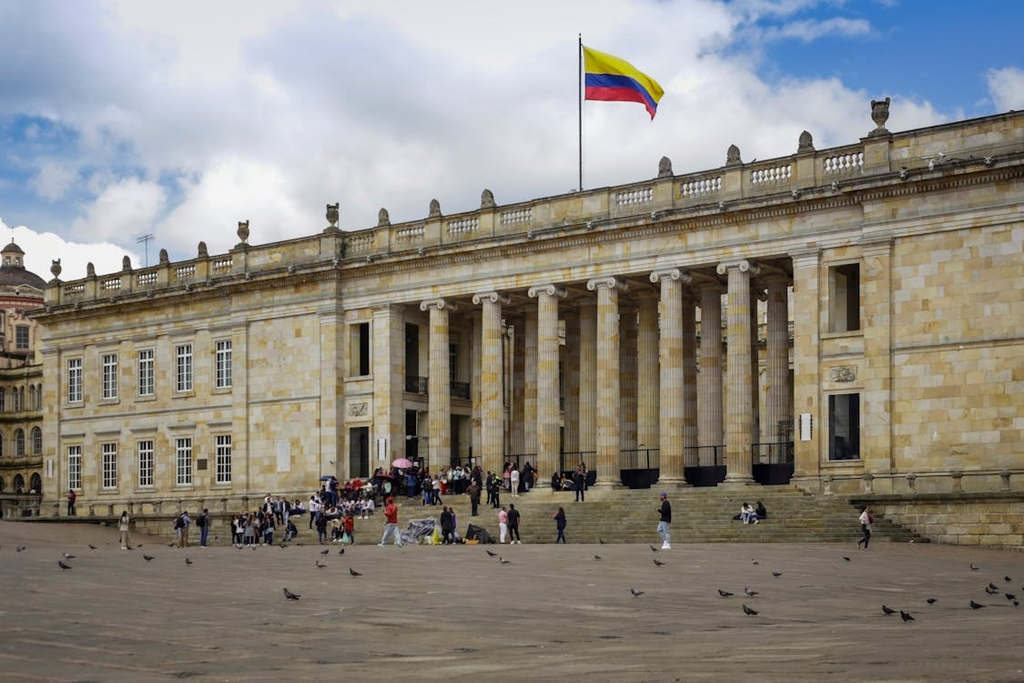
Colombia’s history is not confined to museums or textbooks. It lives in its cities, landscapes, and daily rhythms, shaping how travelers experience the country today. From colonial streets to ancient civilizations, Colombia offers a form of historical tourism that feels immersive rather than observational. The past here is not something you simply visit—it is something you walk through, listen to, and gradually understand.
As interest in Latin American heritage travel grows, Colombia has emerged as a destination where culture, architecture, and memory intersect seamlessly with modern life. Its historical sites are active spaces, still connected to local communities, traditions, and contemporary identity.
Cartagena: Colonial History on the Caribbean Coast
Today, Cartagena’s historic center is a UNESCO World Heritage Site, but it remains deeply lived-in. Cafés, homes, and small businesses operate inside centuries-old structures, allowing visitors to experience history as part of everyday urban life. Walking these streets offers insight into Colombia’s colonial past without separating it from the present.
Understanding Colombia Entry and Travel Formalities
Before exploring Colombia’s historical destinations, travelers must complete the required Colombia entry formalities. Entry requirements vary by nationality and typically include a valid passport, proof of onward travel, and in some cases, an online migration form. Planning this step in advance helps ensure a smooth arrival and allows visitors to focus on the cultural and historical journey ahead. Clear entry procedures play a key role in supporting Colombia’s growing tourism sector and preserving access to its heritage sites.
For official updates, travelers can refer to Migración Colombia, which provides current entry and immigration guidelines.
Bogotá’s Historic Core: Layers of Civilization
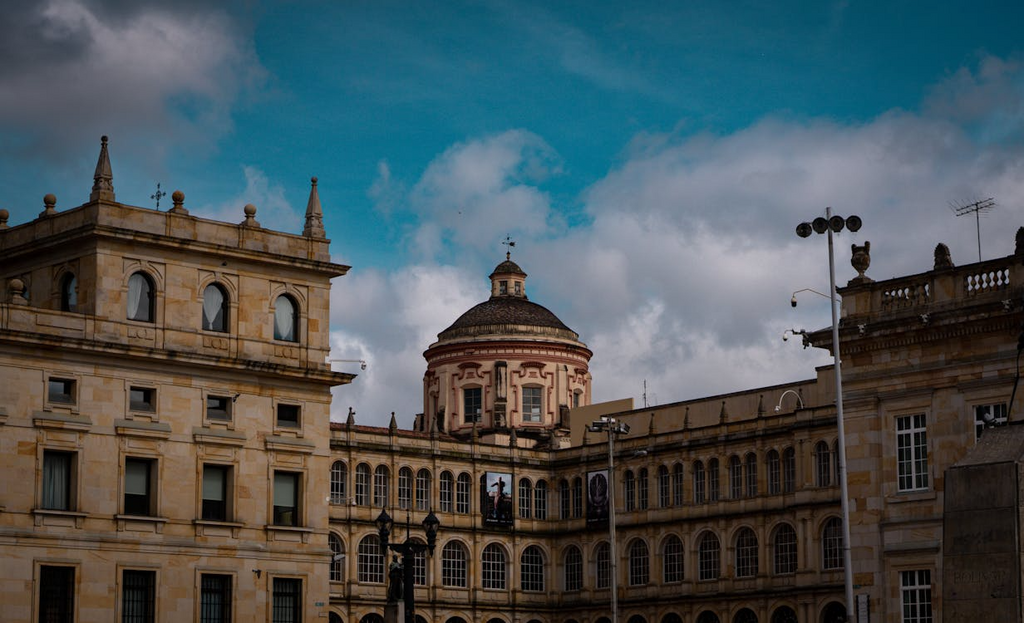
The Gold Museum offers insight into Colombia’s pre-Columbian civilizations, displaying thousands of artifacts created by Indigenous cultures long before European arrival. Together, these spaces help visitors understand how Colombia’s identity was shaped over centuries of cultural exchange, conflict, and resilience.
San Agustín: Ancient Civilizations in Stone
Unlike urban heritage sites, San Agustín’s history is embedded in the landscape itself. Rolling hills and river valleys surround the statues, emphasizing the deep connection between ancient Colombian cultures and their natural environment. The site underscores how historical tourism in Colombia extends far beyond colonial narratives.
Medellín: History, Transformation, and Memory
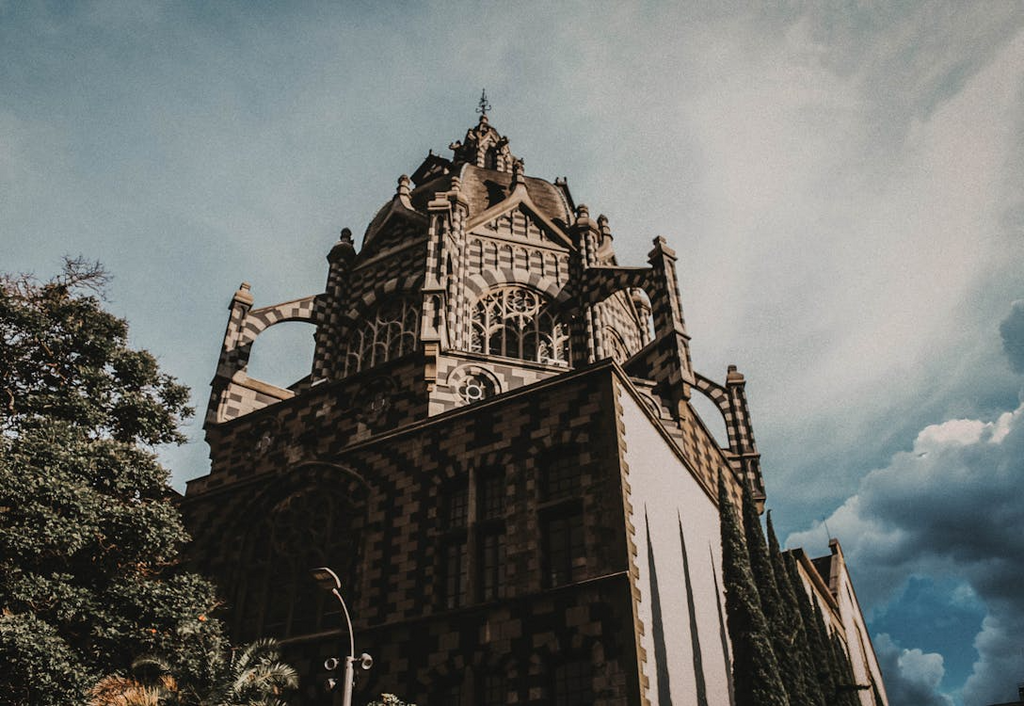
Medellín tells a more recent but equally important historical story. Once associated with violence and instability, the city has undergone a profound transformation rooted in social innovation and urban development. Museums, memorials, and cultural centers document this shift, highlighting how history can inform progress.
Places like the Museum of Memory of Colombia explore the country’s complex modern history, giving context to Colombia’s ongoing efforts toward reconciliation and understanding. Medellín’s evolution adds depth to historical tourism by showing how societies adapt and rebuild.
Why Historical Tourism Matters in Colombia
Colombia’s historical tourism is not about isolated landmarks—it is about continuity. Indigenous heritage, colonial architecture, and modern narratives coexist, offering travelers a layered understanding of the country. These sites contribute to local economies while encouraging preservation and education.
By exploring Colombia through its history, visitors gain more than visual impressions. They leave with a deeper appreciation of how the past continues to shape daily life, cultural identity, and national pride. In Colombia, history is not a backdrop—it is the foundation of the journey.



Leave a Reply
You must be logged in to post a comment.