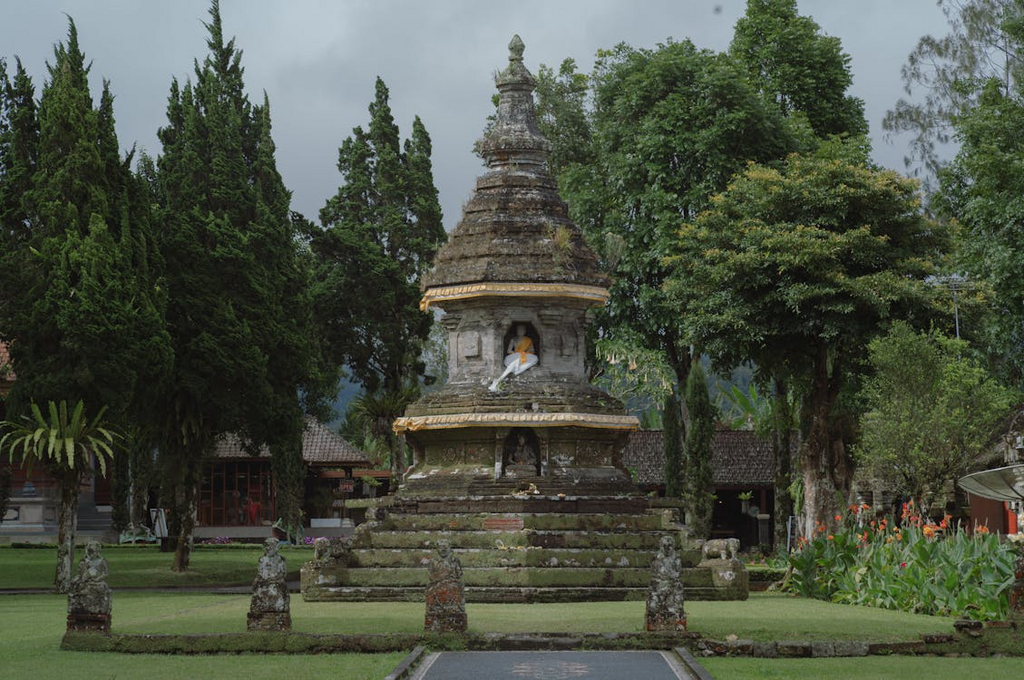
Bali does not separate its past from its present. Temples rise beside busy roads, offerings are placed outside cafés, and ceremonies unfold alongside daily commutes. Ancient traditions are not preserved behind barriers; they are practiced in real time. The island’s spiritual heritage and modern life exist side by side, shaping how people live, work, and move through space.
Most travelers complete their entry formalities before arrival, including arranging the bali tourist levy online, expecting structure and clarity before their trip begins. What follows on the ground in Bali is far less rigid. The island reveals itself gradually—through neighborhoods, rituals, and routines that blur the line between sacred history and everyday life.
Besakih Temple: Spiritual Life at the Core of the Island
Besakih Temple, often called the “Mother Temple of Bali,” sits on the slopes of Mount Agung and remains the island’s most important spiritual site. Rather than existing as a monument frozen in time, it functions as an active place of worship. Ceremonies are held throughout the year, drawing local communities from across Bali.
The experience does not stop at the temple gates. Roads below remain busy, families arrive carrying offerings, and priests move between shrines as part of their daily responsibilities. Besakih is not isolated from modern Bali—it anchors it. Spiritual life continues here not as a performance, but as an ongoing practice woven into everyday routines.
Museums and Memory: Preserving Bali’s Living Culture
Bali’s museums, such as the Bali Museum in Denpasar, provide context rather than closure. Exhibits focus on ritual objects, traditional clothing, tools, and carvings that are still used today. Instead of presenting history as something finished, these spaces explain how traditions adapt and continue.
Just outside museum walls, daily life resumes immediately. Markets, schools, and homes sit nearby, reinforcing the idea that cultural preservation in Bali does not remove practices from society. Learning flows naturally from past to present, making history feel relevant rather than distant.
Ubud and Its Surroundings: Communities Between Eras
Ubud and its surrounding villages show Bali at its most human scale. Narrow streets wind between temples, homes, galleries, and cafés. Offerings are placed each morning on sidewalks shared by residents and visitors alike. Rituals do not interrupt daily life—they define it.
These communities demonstrate how tradition evolves rather than freezes. Sacred spaces exist within neighborhoods, not behind gates. Locals and travelers move along the same paths, observing and participating in the same rhythms. In Ubud, history is not visited—it is encountered.
Ancient Gathering Spaces and Public Life
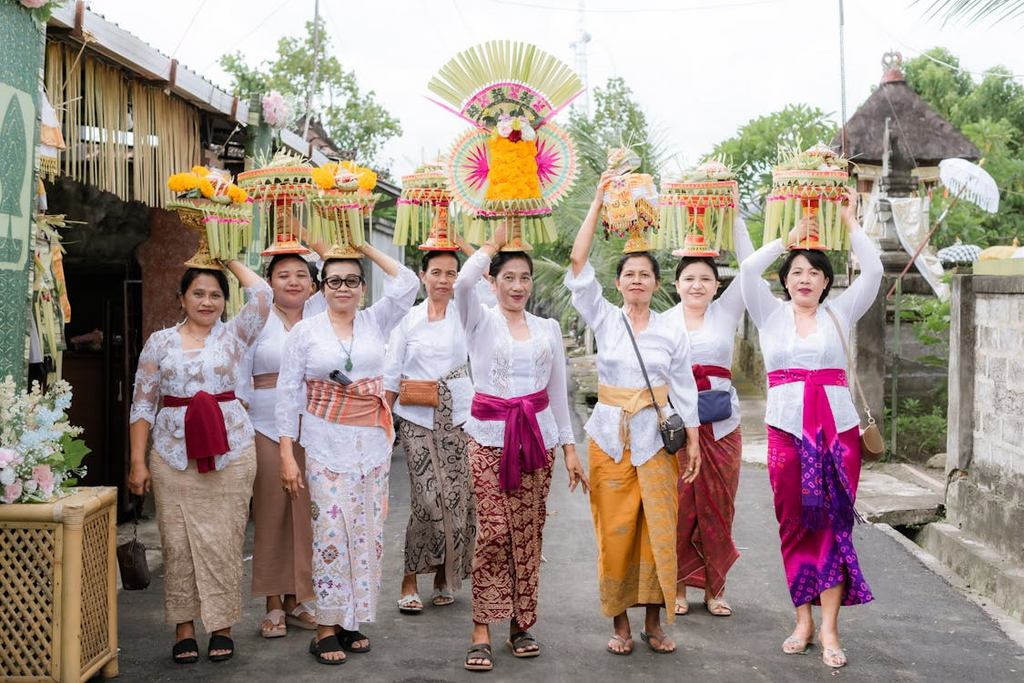
Traditional village courtyards and temple grounds have long served as centers for discussion, ceremony, and decision-making in Bali. These spaces continue to host meetings, celebrations, and communal rituals. While the form has changed over time, the function remains familiar.
Modern Bali reflects this openness through shared public areas, pedestrian-friendly streets, and open-air gathering spots. Community life remains visible and participatory, echoing older traditions of collective presence and shared responsibility.
Modern Travel on a Traditionally Rooted Island
Bali today operates as a fully modern destination. Airports, roads, hotels, and digital services connect the island efficiently, while religious sites and cultural practices remain protected. Indonesia welcomed tens of millions of international visitors in recent years, with Bali serving as the country’s primary gateway for tourism.
To manage this flow, systems such as visitor levies, designated temple guidelines, and conservation initiatives help balance preservation with accessibility. Modern travel infrastructure exists not to replace tradition, but to support its continuity.
Where Tradition and the Present Coexist
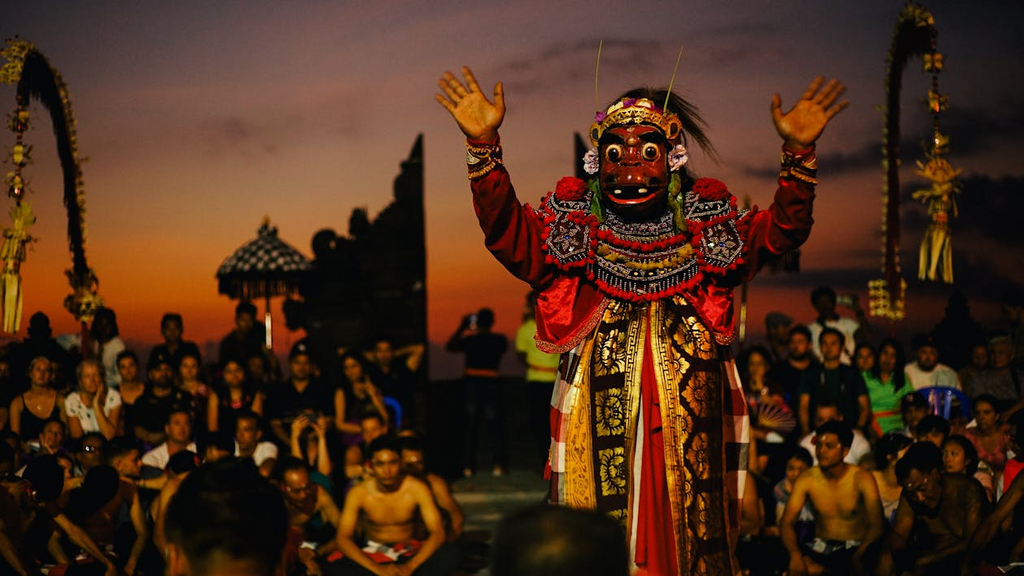
Bali does not ask visitors to choose between history and real life. It offers both at the same time. Temples are not confined to the past, and modern life does not erase tradition. They coexist, shaping the island’s pace and identity.
Walking through Bali means moving between ceremonies and conversations, offerings and coffee counters, ancient stone and everyday motion. Tradition lives best when it remains part of daily life—and in Bali, it still is.



Leave a Reply
You must be logged in to post a comment.