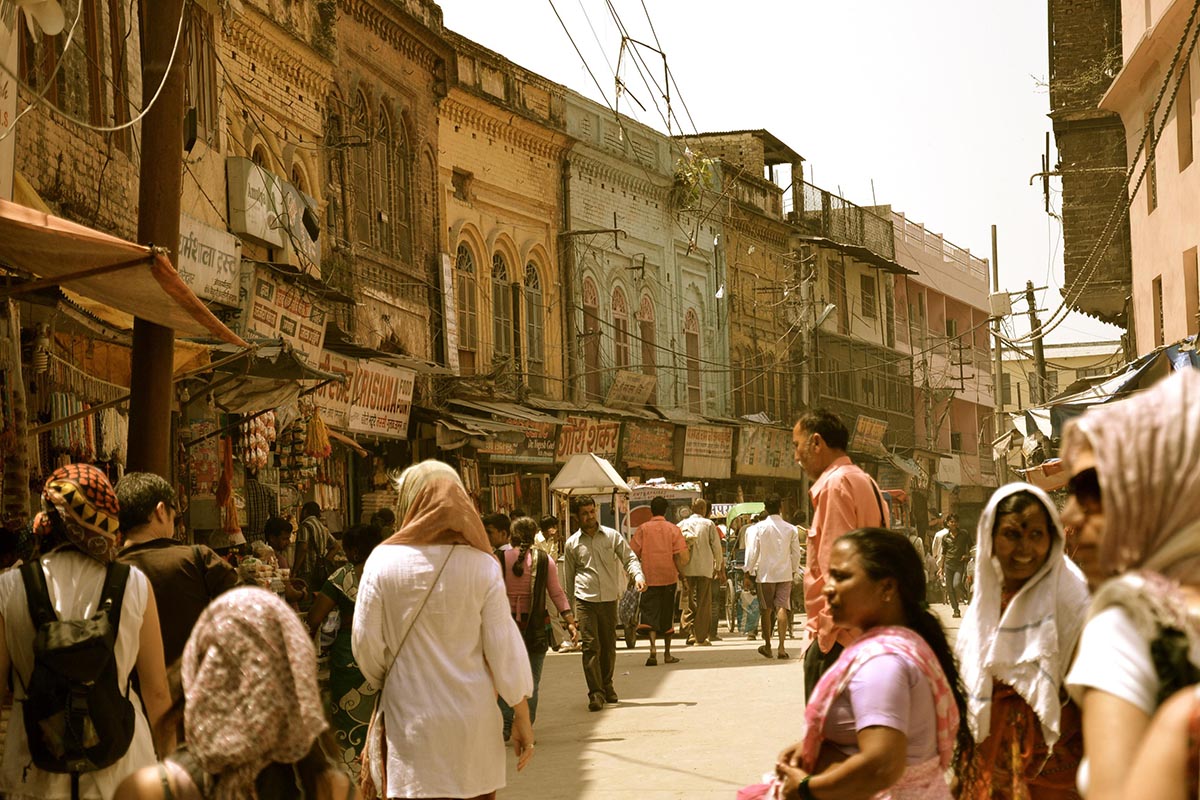
There is a particular kind of travel that no guided tour can replicate. You’re weaving between vendors in Istanbul’s Grand Bazaar, haggling over hand-painted ceramics in Marrakech’s medina, or watching a silk weaver work in Bangkok’s Chatuchak Weekend Market. The air smells like spices and leather and something you can’t quite name. You want everything.
And then you realize you have nowhere to put it.
Historic markets and bazaars are among the most rewarding travel experiences on earth, and among the most poorly prepared for. Packing the right things before you go makes the difference between a frustrating afternoon and one of the best days of your trip. Here’s what actually matters.
A Bag Built for the Chaos of a Busy Market
Most travelers arrive at a market with either too much or nothing at all. A large tote gets in the way in narrow corridors. A full backpack slows you down at vendor stalls and makes navigating tight spaces harder than it needs to be. No bag at all means you end up paying for a flimsy plastic one at the stall, or your purchases come wrapped in paper and you still have to buy a proper bag to carry them home.
The right answer is a packable travel bag that lives in your pocket until you need it. Something ultralight, opens wide for odd-shaped items, and holds a meaningful amount without bulk. The world’s best markets are nothing if not tight and crowded, and in those spaces, carrying less on your body until you need it is one of the smartest moves you can make.
A bag that folds flat in your jacket pocket, then expands to carry 15-25 liters of purchases, is worth far more than anything you’ll buy at the market itself. It also means you can keep shopping without heading back to your hotel every hour to drop things off.
Small Bills and Coins in a Separate Pouch
Haggling is part of the experience at most historic markets around the world, but fumbling through a wallet full of large notes signals that you have more to spend than you want to let on. Carry small denomination bills in a separate, easily accessible pouch, ideally a slim one that sits against your body.
In destinations like Morocco, Turkey, and Southeast Asia, vendors set opening prices with room to negotiate. Coming prepared with exact or near-exact change gives you leverage and keeps the transaction moving cleanly.
Comfortable, Flat-Soled Shoes
This one sounds basic, but the floors of the world’s oldest markets were not designed for modern footwear. The Grand Bazaar in Istanbul covers over 30,000 square meters across more than 60 streets. Marrakech’s souks are a labyrinth of uneven stone. You will walk for hours, often without realizing it.
Flat-soled shoes with good grip let you focus on what’s around you rather than where you’re stepping. Leave the sandals for the beach day.
A Reusable Water Bottle
Markets are warm, often loud, and surprisingly dehydrating. Many historic bazaars, particularly in North Africa and the Middle East, are partially covered but not air-conditioned. Buying bottled water repeatedly is expensive, wasteful, and inconvenient.
A lightweight, collapsible water bottle refills wherever you find a tap or café, and takes up almost no space when empty. Staying hydrated improves focus and energy, which matters when you’re making purchase decisions and navigating unfamiliar terrain.
A Phone Mount or Offline Map Download
Getting lost in a bazaar is part of the appeal, right up until it isn’t. Most of the world’s iconic markets have limited cell signal in their interiors, and relying on live navigation in a narrow corridor surrounded by copper pots and hanging rugs is a recipe for confusion.
Download an offline map of the area before you arrive. Google Maps and Maps.me both support offline downloads for most major cities. Know your entry and exit points before you walk in, and agree on a meeting spot with anyone you’re traveling with.
A Light Layer for Covered Markets
Many of the world’s most celebrated historic markets are located in destinations with dress considerations, including Morocco, Turkey, India, Iran, and much of the Middle East. Beyond cultural respect, a light layer is practical. Covered bazaars retain heat differently than open streets. Some sections feel cool and dim; others feel close and warm.
A thin scarf or lightweight long-sleeved layer weighs almost nothing, packs into nothing, and handles both situations. It’s also useful for negotiating shade at outdoor market extensions.
The One Thing Most Travelers Forget
The item travelers most consistently wish they had is a packable, expandable bag for purchases. Not a rigid tote. Not a plastic bag handed over by a vendor. Something designed to carry real weight, handle awkward shapes, and disappear back into a pocket when you’re done, just like a Nanobag.
Historic markets reward spontaneity. You won’t know what you’re buying until you see it. Pack for that flexibility, and the market becomes a completely different experience.



Leave a Reply
You must be logged in to post a comment.