British Columbia, Canada
by Susan Zuckerman
Beneath the steep sandy cliffs, crickets sing in the beach grass. I breathe the salty tang of seaweed. A flock of killdeer veers above the waves. In the sand at my feet is a puzzle of animal tracks. The hooves of a doe and fawn are easy to decipher, as are the hand-shapes of a raccoon. But who left these pointy-clawed prints? Then I notice the sinuous tail-drag: an otter.
I picture the sleek-furred animals that left these trails. I also imagine a British naval officer in brass-buttoned jacket and silver-buckled shoes striding alongside. About two centuries ago, Captain George Vancouver added his own footsteps to this very stretch of shore.
A Cliff-top Salish Village
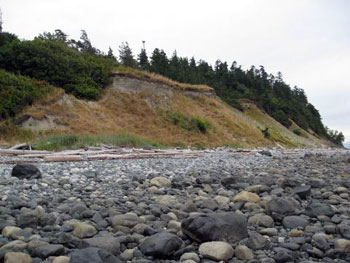 There are not many places on the Pacific Coast where we know for certain Vancouver walked, but this is one: the beach of Cape Mudge at the southern tip of Quadra Island, across Discovery Passage from Campbell River, British Columbia. In 1792, while charting the coast, Captain Vancouver visited here with his two ships, the Discovery and the Chatham. At that time, a Coast Salish village known as Tsa-Kwa-Luten thrived atop the sandy cliff. While the British ships sat at anchor on July 13, 1792, the natives paddled out in canoes and greeted the crews with fish and wild fruits in exchange for European articles of trade.
Vancouver said he needed to indulge his curiosity, and recorded his reciprocal visit: “We were received by a man who appeared to be the chief . . . and he conducted us up to the village by a very narrow path winding diagonally up the cliff . . . within a few degrees of being perpendicular. Close to the edge of this precipice stood the village. . . . The spot where it was erected appeared to be well chosen to insure its protection.”
A path no longer ascends the cliff-face, but the First Nation-owned Tsa-Kwa-Luten Lodge where I am staying offers a Heritage Walking Trail booklet indicating a “backdoor” approach. The forested route meanders beside a chasm that once protected the rear of the cliff-top citadel. Huckleberry bushes are laden with fruit that I nibble as I walk. The air is sweet with Douglas fir. I’m serenaded by whistling chickadees and breezes in the treetops. A footbridge stretches across the ravine and the forest gives way to a grassy meadow high above the beach.


The sky splits with a loud screech. A bald eagle soars so close I hear the wind in its feathers. It perches atop a wind-sculpted fir, resembling the highest creature on a totem pole. Like Captain Vancouver, I must learn more about the people who lived here and why they abandoned this beautiful spot.
Potlatch Treasures and the Cannibal Spirit Dance
The Nuyumbalees Cultural Center is situated in the present day Kwakwaka’wakw village of Cape Mudge, also known as Ucle-tah, a kilometer up the beach from Tsa-Kwa-Luten Lodge. It houses the priceless, historic “Potlatch Collection,” artifacts and regalia once used at ceremonial feast gatherings. The Government of Canada confiscated these items under the Anti Potlatch Laws of 1884. When the law was eventually repealed, one of the conditions was that the repatriated goods be publicly displayed. Nuyumbalees is one of two museums built in the 1970s specifically for this purpose, the other being the U’mista Cultural Center in Alert Bay.
When I first enter the subdued space of Nuyambalees I am greeted by the scent of cedar and the solemn, rhythmic music of drums and chanting. Two human figures carved in wood usher me into a world of breathtaking ceremonial artwork.
 An array of masks is the main feature: ravens, wolves, bears, killer whales, mosquitoes, double-headed serpents, all used in potlatch dances. Included in each description is the original owner, and some of their photographs are also on display. Many have Anglicized names such as Billy Assu and Amos Dawson, but their Kwakwaka’wakw names translate to honourifics such as “Always Giving Potlatches” or “High Ranking in Feasts”.
One of the treasures is an exquisite ermine headdress. The frontlet has a carved hawk-head encircled with turquoise abalone shell. A capelet of forty white ermine pelts cascades over the shoulders. Originally it was given to Chief Moses Alfred as part of his wife’s dowry, then passed down through many generations.
I’m especially drawn to numerous brilliantly painted masks with meter-long beaks: the Cannibal Spirits. Some are crowned with carved human skulls or eagle-down tufts. All have their beaks tied shut. It is believed the masks snap their beaks if not secured. Traditionally they were hidden when not in potlatch use, wrapped in cedar bark or Hudson Bay blankets. Only for the final part of a complex, four-day dance were these masks worn.
The Cannibal Spirit Dance was the most important in Kwakwaka’wakw culture, used to initiate members into a secret society known as the Hamatsa. Possessed by the Cannibal Spirit, the young novice would disappear into the woods for ten days. To take away his human scent he wore only hemlock branches. Older Hamatsas occasionally went in and blew whistles, simulating the voices of supernatural forest creatures. They also taught him ritual dances and songs. Eventually the novice entered the Big House dancing wildly, gnashing his teeth, and even biting members of the audience. The Cannibal Spirit was feared to suck out people’s brains with his long beak. By the fourth day, the older Hamatsas, dancing in shaggy cedar-bark skirts and capes, tamed the Cannibal Spirit. I feel honoured to view such sacred works of art, yet saddened and humbled that the First Nations people, however proud they may be of these treasures, are forced to display them.
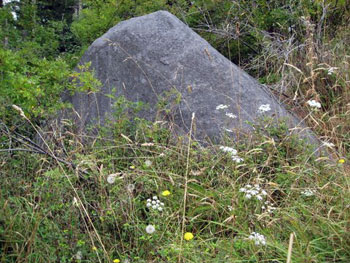
Photographs and touching are not allowed in the Cultural Center, but there are plenty of opportunities outside. Next door is an education center with a collection of masks and button-blankets to handle and even wear. Across the street stands an open-air structure with colourful totem poles carved by local artists. Petroglyphs are also scattered about, large stones with ancient carved figures.
I’m curious, though, why the Kwakwaka’wakw are now living here. Captain Vancouver met a different tribe, the Coast Salish. What became of those people down the beach in the cliff-top citadel?
The Death Hole Days
 I learn that after Captain Vancouver’s voyage, a branch of the Kwakwaka’wakw known as the Lekwiltok descended from the north in their war canoes, with firearms acquired from European traders. Between 1792 and 1850, they raided and occupied numerous Salish villages and eventually commanded all of Discovery Passage—all save Tsa-Kwa-Luten, the village atop the sandy cliffs at Cape Mudge. So well fortified by nature, the Lekwiltok decided it was impossible to attack.
Across the water, however, the northerners occupied the village at Campbell River, one of the best salmon streams on the coast and the main source of food for Tsa-Kwa-Luten. A few years later, the Lekwiltok built the village of Ucle-tah, still occupied by their descendants, where I visited the Cultural Center. The people of Tsa-Kwa-Luten, their enemies now virtually on their doorstep and their supply of salmon greatly diminished, decided to leave. They joined their kin in Comox Harbour, a few miles south on Vancouver Island.
Cape Mudge became known as The Death Hole. Discovery Passage was an important route for the Haidas, Tsimshians and other tribes of the north who canoed to the Hudson Bay trading post at Fort Victoria. Fierce winds and strong tides made for treacherous travel past the cape. The worst threat, however, came from the fierce Lekwiltok who guarded the passage in their swift canoes. Some travelers paid a toll to pass safely but many met slavery or death. Most travel past Cape Mudge had to be undertaken by stealth in the dark of night. The people of Ucle-tah even attacked and raided European ships. In one instance, the entire crew of a Hudson Bay vessel was murdered when they stopped for water at Cape Mudge. Gradually, however, as European settlers spread throughout the coast, the people of Cape Mudge put away their arms and changed to meet the challenges of a new era.


Cedar-Plank Salmon and Quadra Island Wine
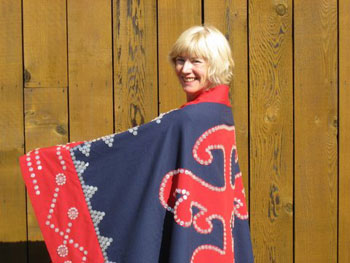 Tsa-Kwa-Luten Lodge is one way the native people of Cape Mudge have met the challenge of living in today’s society. The spacious lounge is designed like a Big House with a vaulted ceiling, the walls decorated with traditional art, including cedar paddles and button-blankets. The dining room features contemporary First Nations art. I feast on cedar-planked salmon, sip local Quadra Island wine, and gaze at the sunset over Vancouver Island.
Cape Mudge remains a wild place. A lighthouse now guides ships through the treacherous waters of the Death Hole, but you can still hear the Cannibal Spirits whistling through the fir trees. And I feel a kinship now with George Vancouver. We have both left footprints on this windswept shore.
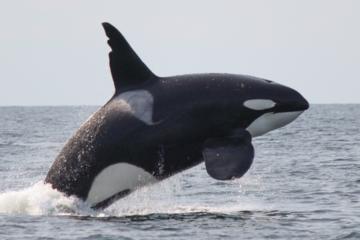
Open Boat Nanaimo Whale Watching
If You Go:
From Vancouver, take a ferry (about two hours) to Nanaimo on Vancouver Island. Campbell River is a two-hour drive north of Nanaimo. From downtown Campbell River the ferry to Quadra Island takes about 10 minutes. Ferry Information: www.bcferries.com
Tsa-Kwa-Luten Lodge has an RV park and cabins on the beach as well as the main lodge. All rooms in the lodge have ocean-view balconies. Tsa-Kwa-Luten website: www.capemudgeresort.bc.ca
The rustic Southend Farm and Vineyard is a short drive from Tsa-Kwa-Luten Lodge and well worth the visit, although the wine shop is only open on weekends. I recommend their Ortega white and Black Crow red (an Agria and Pinot Noir blend). www.southend.ca
The Cape Mudge lighthouse is a short walk north of Tsa-Kwa-Luten Lodge. Over 100 years old, it is still staffed and fully operational.
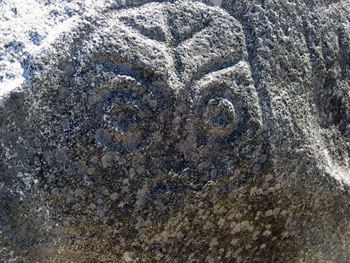
Ancient petroglyphs are a feature of Cape Mudge. A few have been moved outside the Nuyumbalees Cultural Center. Some are in situ on the beach in front of Tsa-Kwa-Luten Lodge. One of these is a lovely human face carved on a huge boulder, but accessible only at low tide. An excellent guide, Petroglyphs of Quadra Island by Joy Inglis, is available at the gift shop at Nuyumbalees and the bookstore near the ferry terminal in Quathiaski Cove.
More Links:
♦ The Cultural Center: www.nuyumbalees.com
♦ A wealth of info about Quadra Island: www.quadraisland.ca
♦ An account of George Vancouver’s voyage, written by him in 1801, can be accessed at: www.canadiana.org
About the author:
Susan lives near Vancouver, B. C. She is a recently retired elementary school teacher and writes historical fiction. The British Columbia coast is one of her favourite areas to travel.
All photographs are by Susan Zuckerman.
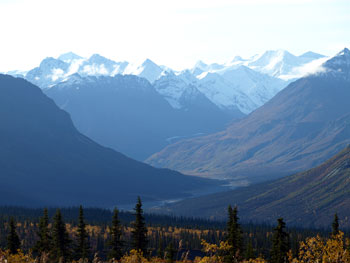
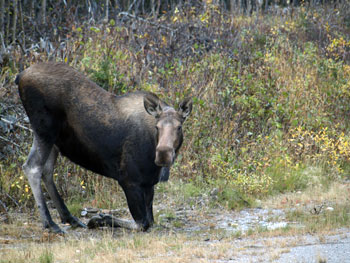 I recently returned from a summer of woofing around Alaska and can vouch for the spiritual aspects of farming. Feeding chickens and pigs can be a messy and tiring business, when you see those animals eye’s light up at the sight of you “it makes you feel good for some reason” one fellow woofer recounted to me.
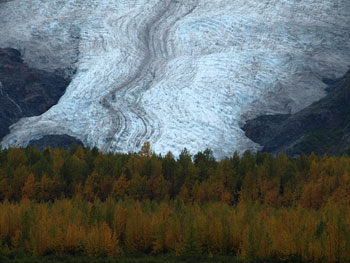 I stayed on three different farms over the course of my summer, and each revealed some of the advantages and pitfalls of the business.
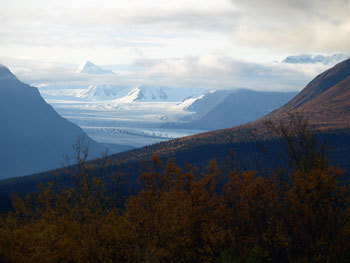 While the rustic setting was attractive, the ultra-basic facilities were the things that made me leave in the end. I was housed in an authentic Alaskan log cabin about a mile away from the owners’ cabin, and had no washing facilities after a long day of shoveling goat poop and the like. There is only so much bathing in a freezing creek one can do before it gets old, so after three weeks I moved on, though not before they took me on a ride in their bush plane across the Chugach mountain range and over the sparkling blue Prince William Sound.
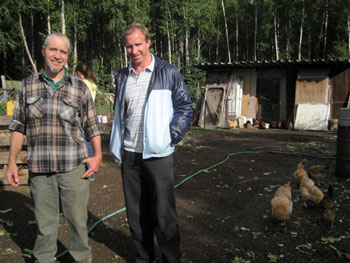 The third and last woofing destination was with a couple who owned both a small 2.5 acre farm in the city of Anchorage itself, as well as a 20 acre farm in Homer, a beautiful town on the sea about four hours away. Bill and Judy were unbelievably good to me, and really helped me enjoy my time in Alaska. They were very interesting people, being ex-hippies while Bill was a Vietnam war veteran and an outspoken anti-war and Green Party spokesman.
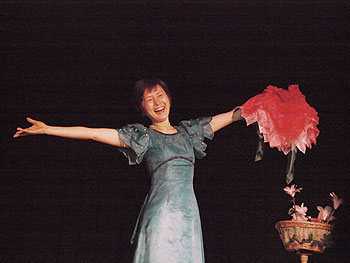
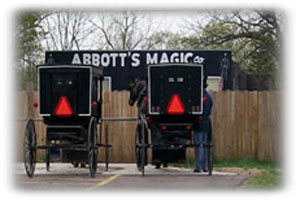 Stop by the Abbott Magic Shop off Colon’s main street any time of year for a $5 coloring book that colors itself, or a magic wand for a Harry Potter wannabe – Abbott sells over 25 different models ranging from $8 to $150 as well as illusions that costing thousands of dollars. On Saturday afternoons during the summer the Abbott Magic Shop presents live shows in its 50-seat theatre.
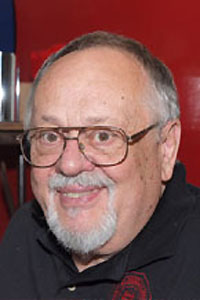 Hank Moorehouse, an award-winning magician, travels the world evaluating magic acts, inviting the best magicians to perform in Colon, Michigan. This year’s line up includes, among others, Yumi, Japan’s favorite female magician and Kerry Pollack who Teller of Penn & Teller calls “One of the most powerful and charming performers I know”. Hank, a perennial favorite of magicians and magic fanatics, will perform his hilarious version of Houdini’s famous straitjacket escape.
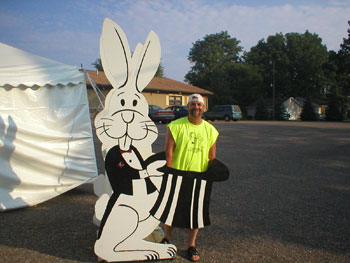 The entire town celebrates its heritage during the festival. Churches and civic groups host fundraising dinners and Tammy Johnson serves up dishes of Blue Moon ice cream and bowls of Buckshot Chili at her retro-café. The Chamber of Commerce provides an evening fireworks show. The library sells gently used books collected during the year at the annual arts and crafts fair.


 The museum holds some three hundred objects relating to the raid; one such item is the Stebbins (one of the residents of the settlement) family door, which bears the Indian ax marks left by the invading force. The museum also has on display an early edition of the memoir of Reverend Williams, who survived the raid and the ensuing three-hundred-mile march through heavy snow to Quebec. He eventually returned to Deerfield and wrote
  , where he described the ordeal on the march to Quebec, the murder of two of his children, and his final redemption for him and his family (wife and remaining five children).

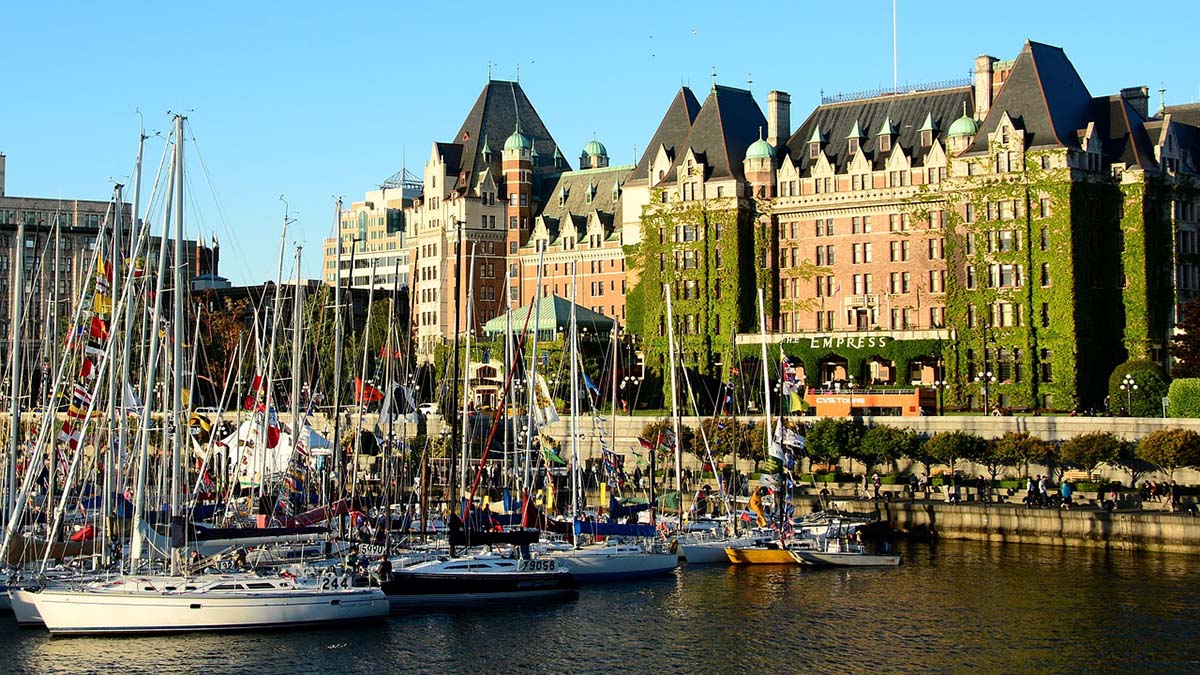
 We began our royal weekend celebration with high tea at the historic James Bay Tea Room. To commemorate the wedding of H.R.H. Prince William and Miss Kate Middleton, there was a special tea service with traditional goodies such as cucumber and cream cheese finger sandwiches, homemade scones with fresh clotted cream and strawberry jam, fresh strawberry cup with orange liquor and assorted petit fours. Of course, complete with a big pot of English tea!
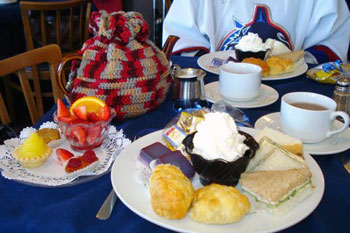 This quaint little tea house, tucked on a back street behind the Provincial Parliament Buildings, is a turn-of-the-century house, built in 1907 as a family home. It was transformed into this charming restaurant/tea room in the 1980s and is a popular spot for tourists to experience a real British style afternoon tea. It was a perfect place to celebrate the wedding, surrounded by royalty memorabilia with pictures of the royal family covering every inch of the walls,
 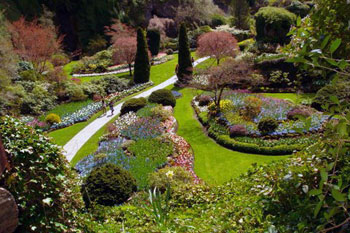 Robert Pim Butchart began as a cement manufacturer in Ontario and by the turn of the century had become a successful pioneer in this industry. He was lured to the West Coast of Canada because of the rich limestone deposits vital for cement production, and built a factory at Tod Inlet on Vancouver Island. His family established their home there and as the limestone in the quarry became exhausted, his wife Jennie conceived the idea for refurbishing the quarry into a beautiful garden in the style of the grand estates of the period.
 The limestone quarry was transformed into the magnificent Sunken Garden. Mrs Butchart planned the landscaping of the property, transforming it into a garden that covers 22 ha (55 acres) of greenery, woodlands, flower gardens and horticultural displays. Mr. Butchart collected ornamental birds from all over the world including peacocks and ducks and built many elaborate birdhouses through the gardens.
 The Butchart’s love of Italy is evident in the lovely Italian Garden, located beside their house. Their tradition of collecting unusual objects when traveling is displayed with the Fountain of the Three Sturgeons, and the big bronze boar near the entrance of the Gardens, both from Florence Italy. A newer acquisition is the Rose Carousel, crafted by Brass Ring Entertainment of Sun Valley, California. It’s the only carousel on Vancouver Island and is a wonderful menagerie of thirty animals ranging from bears, horses, ostriches, zebras and mirrors. The designs were chosen by Robin Clarke, the Garden’s present owner and great granddaughter of Jennie Butchart.