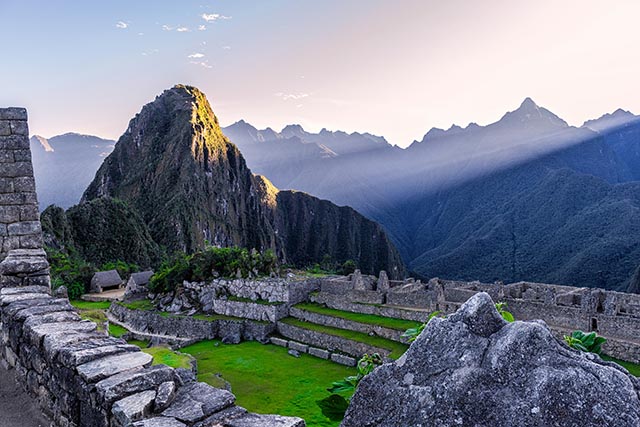
Few places in the world capture the imagination quite like Machu Picchu. Hidden among the cloud-covered peaks of the Peruvian Andes, the 15th-century Inca citadel has fascinated historians, archaeologists, and travelers for generations. Its remarkable stonework, strategic mountain setting, and enduring mystery continue to make it one of the most significant archaeological sites on Earth.
While millions of visitors dream of seeing Machu Picchu, many don’t realize that the journey there is an important part of the experience. The route through the Sacred Valley follows landscapes that once connected the heart of the Inca Empire, offering travelers the opportunity to appreciate not only the destination but also the history woven throughout the surrounding region. Whether you’re passionate about ancient civilizations or simply planning your first trip to Peru, understanding how to reach Machu Picchu can make your visit more rewarding.
The Legacy of the Inca Road Network
Long before railways and modern roads existed, the Incas built one of the most impressive transportation systems in the ancient world. Known as the Qhapaq Ñan, this vast network of roads stretched more than 30,000 kilometers across present-day Peru, Ecuador, Bolivia, Chile, Argentina, and Colombia. It connected cities, ceremonial centers, military outposts, and agricultural communities across some of the world’s most challenging terrain.
Machu Picchu formed part of this sophisticated network, serving as an important royal estate and ceremonial center during the reign of Emperor Pachacuti in the 15th century. Although many original roads remain today, modern visitors now have several convenient ways to reach the sanctuary while still appreciating the landscapes that once linked the Inca Empire.
Starting Your Journey in Cusco
Nearly every visit begins in Cusco, the historic capital of the Inca civilization. Today, Cusco is a UNESCO World Heritage city where colonial churches stand beside perfectly preserved Inca stone walls.
Spending a few days here before heading to Machu Picchu allows visitors to acclimatize to the altitude while exploring museums, archaeological sites, local markets, and centuries of fascinating history. Cusco also serves as the main gateway for transportation into the Sacred Valley.
The Sacred Valley: More Than a Scenic Route
The journey from Cusco toward Machu Picchu passes through the Sacred Valley of the Incas, an area that was once among the empire’s most productive agricultural regions. The valley still contains remarkable examples of Inca engineering, including:
- Agricultural terraces
- Irrigation systems
- Ancient fortresses
- Traditional Andean villages
- Historic marketplaces
Rather than viewing the trip as simple transportation, many travelers choose to explore these sites along the way, gaining a deeper understanding of Inca civilization before arriving at Machu Picchu itself.
Why Most Visitors Choose the Train
While famous trekking routes such as the Classic Inca Trail remain popular, most international visitors reach Machu Picchu by train. Train travel offers a comfortable alternative that follows the spectacular Urubamba River through dramatic mountain scenery before arriving in Machu Picchu Pueblo (Aguas Calientes).
Depending on your itinerary, travelers can begin from Cusco using a bimodal service or board directly in Ollantaytambo after exploring the Sacred Valley. The final stage of the journey from Aguas Calientes to the archaeological site is completed by shuttle bus, which typically takes around 25 to 30 minutes.
A Journey Through Living History
One of the greatest advantages of traveling by rail is the opportunity to witness the gradual transition between different Andean landscapes. Along the route, you’ll pass:
- Snow-capped mountain peaks
- Deep river valleys
- Ancient farming terraces
- Cloud forests
- Small communities that continue traditions passed down for generations
These changing landscapes help illustrate why the Incas considered this region both strategically important and spiritually significant. Many visitors find that the train ride builds anticipation in a way that simply flying or driving to a destination never could.
Planning Your Visit
Unlike many historic attractions around the world, Machu Picchu requires advance planning. Visitor numbers are carefully regulated, and every traveler must reserve a timed entrance along with a designated visitor circuit. These conservation measures help preserve the archaeological site while improving the overall visitor experience. When organizing your itinerary, you’ll typically need to coordinate:
- Entrance tickets
- Train reservations
- Shuttle bus transportation
- Optional guided tours
- Accommodation if staying overnight
Planning these elements together helps create a smoother travel experience. If you’re preparing to travel to Machu Picchu, step-by-step planning resources that explain transportation, train connections, and arrival logistics can make the process significantly easier, especially for first-time visitors.
Understanding the Visitor Circuits
Modern visits to Machu Picchu follow designated circuits designed to protect the site while allowing visitors to experience different sections of the citadel. The three main circuit categories include:
Circuit 1: Panoramic
Known for its elevated viewpoints and sweeping vistas, this route is ideal for travelers hoping to capture the famous postcard image of Machu Picchu.
Circuit 2: Classic
Often recommended for first-time visitors, this circuit includes many of the site’s best-known archaeological features while providing a balanced walking route.
Circuit 3: Royalty
This route explores lower sectors of the citadel and, depending on availability, may include access to additional hiking experiences.
Choosing the right circuit depends on your interests, available time, and preferred level of physical activity.
Respecting an Extraordinary Heritage
Visiting Machu Picchu is about far more than checking another destination off a travel list. The sanctuary represents one of humanity’s greatest archaeological achievements, and preserving it requires cooperation from every visitor.
Simple practices such as staying on marked routes, respecting visitor regulations, arriving on time, and following guidance from site staff help ensure future generations can continue experiencing this extraordinary place. Responsible tourism plays an increasingly important role as visitor demand continues to grow.
Extending Your Historical Journey
While Machu Picchu often receives the spotlight, the surrounding region offers countless opportunities to continue exploring Peru’s rich history. Nearby destinations include:
- Ollantaytambo and its impressive fortress
- Pisac’s archaeological complex
- Moray’s circular agricultural terraces
- The Maras salt mines
- Museums throughout Cusco
Together, these sites paint a fuller picture of the ingenuity, engineering, and culture that allowed the Inca Empire to flourish across the Andes.
Final Thoughts
Machu Picchu is much more than an ancient city hidden among the mountains. It is the culmination of centuries of history, remarkable engineering, and enduring cultural traditions that continue to shape Peru today.
The journey through Cusco, the Sacred Valley, and the Andes provides valuable context that transforms a sightseeing trip into a deeper historical experience. By understanding the routes, planning transportation in advance, and taking time to appreciate the landscapes along the way, travelers gain a richer perspective on one of the world’s greatest archaeological treasures. Sometimes, the story begins long before you reach the famous stone walls, and the journey itself becomes one of the most memorable chapters.



Leave a Reply
You must be logged in to post a comment.