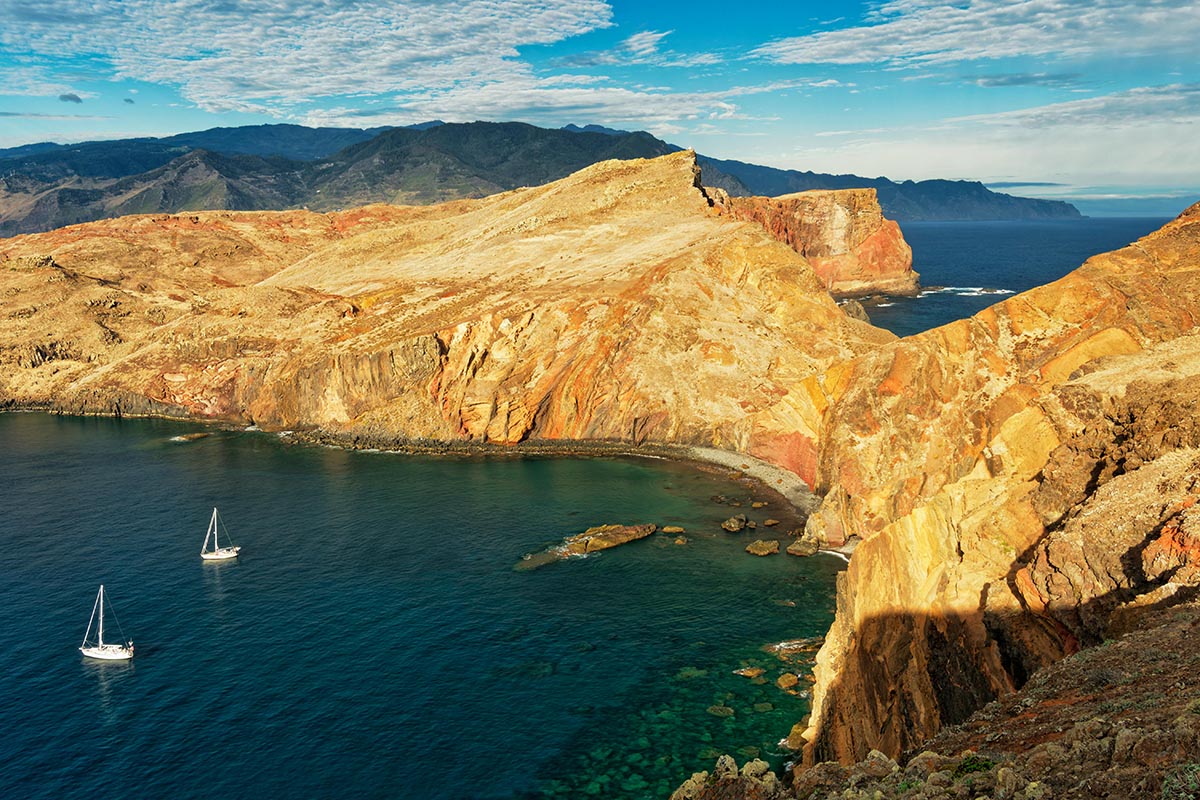
Cape Verde gets sold as a beach destination, and sure, some islands fit that perfectly. But there are ten of them out here in the Atlantic, and they are genuinely nothing like each other. Same flag, completely different worlds. Before anything else, get your Cape Verde Arrival Card sorted before you fly. People do get caught out.
Sal: Exactly What It Looks Like
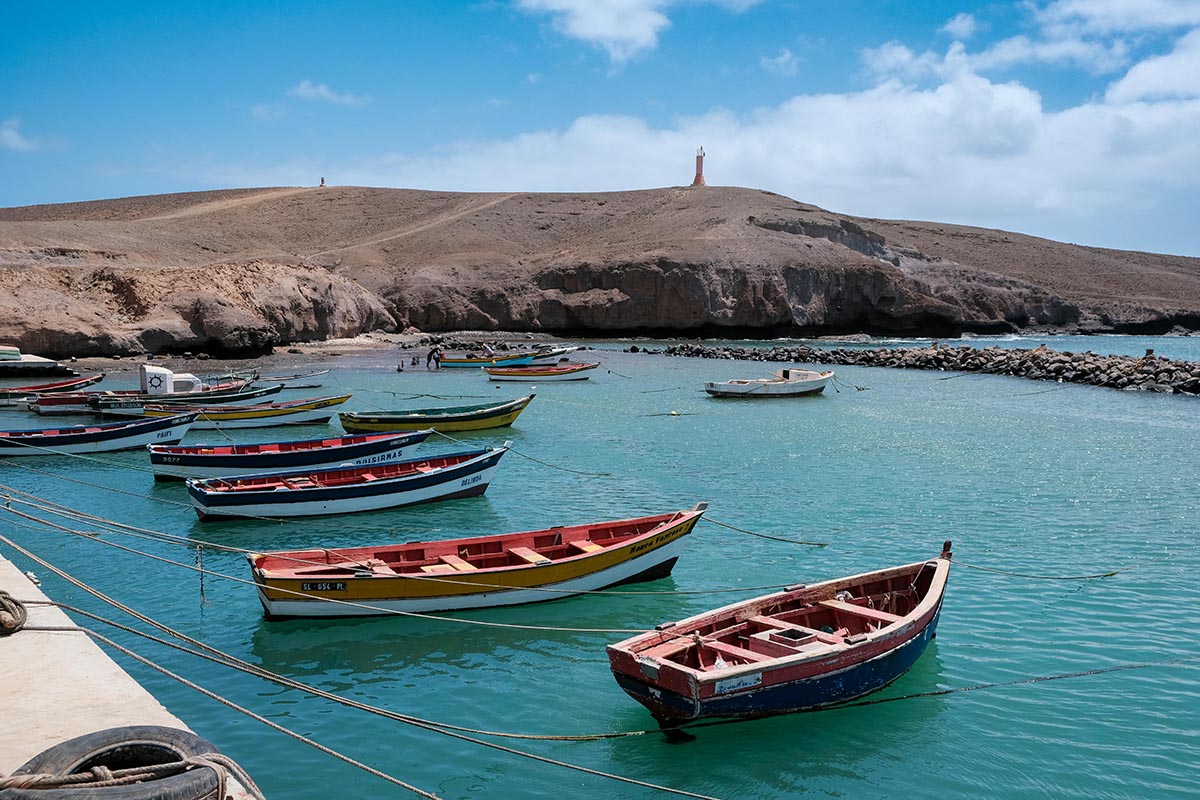
Photo by Rob Mowe
Flat, dry, built for tourists and fine with that. Sal Island is where most flights land, and Santa Maria has the bars, the fish restaurants, the sunbeds. Nothing pretentious about it.
The wind is what makes it interesting. Northeast trades hammer Kite Beach every season, reliably enough that serious kitesurfers keep coming back. Lessons and gear hire are right there. Easy holiday, sorted.
Boa Vista: Emptier Than You Expect
Forty minutes from Sal by plane. Dunes everywhere, beaches that stretch forever with nothing on them. Getting to the remote eastern coast needs a 4×4, but it is worth doing.
And here is something most people genuinely do not know before they land: Boa Vista is the third biggest loggerhead turtle nesting site on the planet. Only Oman and southeast Florida see more. Between 60 and 70 per cent of Cape Verde’s turtle nesting happens on these beaches. August is peak time, and conservation groups run night walks from June through mid-October. Being on a completely dark beach watching a turtle nest is one of those things you remember for a long time.
Santiago: The History Is Still Standing
Praia feels different the moment you land. Capital city energy, real and lived-in. Twenty minutes south is Cidade Velha, founded in 1462, the first European colonial settlement in the tropics. UNESCO listed it, and fairly. The fortress, the pillory square, a church from 1495, none of it restored or prettified, just there.
Cape Verdean Creole identity is strongest here. Markets serve locals, food has not been adjusted for foreign visitors, and Praia moves at its own pace regardless of who is watching.
São Vicente: Music Runs Deep Here
Mindelo was a major Atlantic coaling port in the 1800s. Ships from everywhere stopped here, and that left the city with an outward, curious personality it has never lost. Wide squares, crumbling harbour buildings, a creative energy that still shows up in small venues most nights.
Morna was shaped here. Cesária Évora was born here in 1941, spent years playing local bars while the rest of the world had no idea, and eventually became the reason Cape Verde has a musical identity that people outside these islands actually recognise. Carnival here is proper too.
Santo Antão: Takes Effort, Gives It Back
An hour-long ferry from Mindelo. Volcanic ridges pushing near 2,000 metres, deep ribeiras carved into rock over centuries, farming terraces on slopes that look almost vertical. Coffee and sugarcane grow in the clouds alongside banana and mango.
The Cova to Paul Valley trail is one of the best walks in the Atlantic islands. Not because it is hard, but because of what surrounds you the whole way down, old farms, villages sitting in the same valleys for generations, rock walls that keep revealing more depth. No resorts, small guesthouses – that is the whole appeal.
One Archipelago, Ten Different Worlds
Sal and Boa Vista do the easy holiday well. Santiago and São Vicente take longer to absorb, but they stick with you. Santo Antão rewards the extra effort. None of these places are versions of each other, and one trip will never show you the full picture. Most people who come once start thinking about coming back before they have even left.



Leave a Reply
You must be logged in to post a comment.