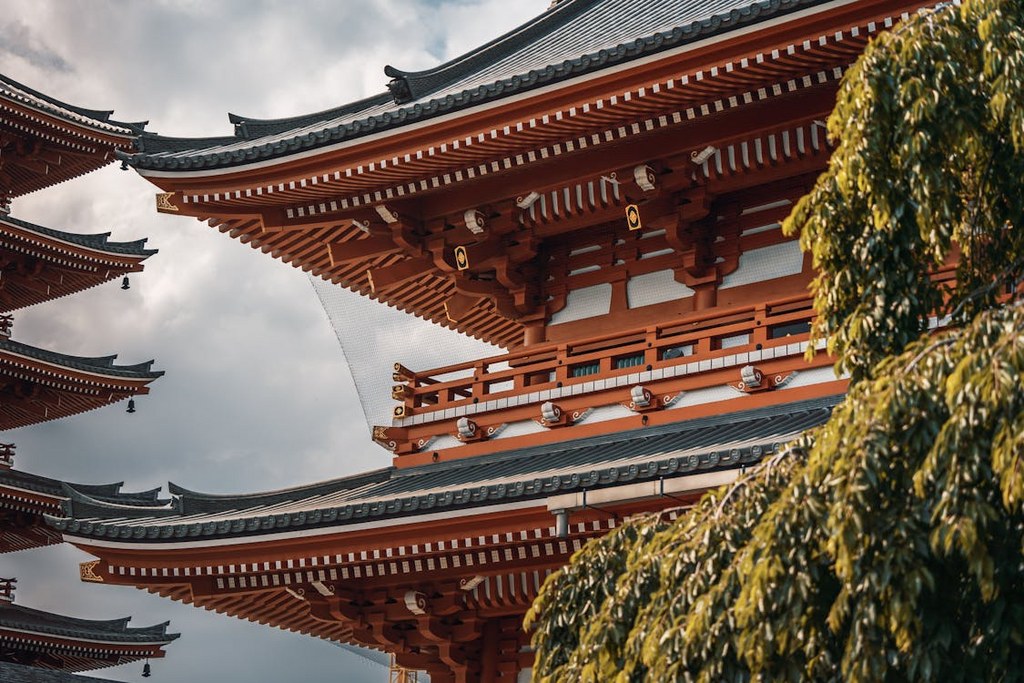
The countryside of Japan has echoes of a living past. Wooden houses featuring steep thatched roofs are silently situated in the rice fields and winding lanes in the ancient villages scattered around the islands. These old-fashioned villages provide a unique opportunity to live in the traditional, cultural, and rhythmical life of Japan as it was centuries ago. Their excavation is not just sightseeing, but it is a journey through time, and viewing the way people used to live and evolve their lives over a course of several centuries.
The majority of tourists start their travel online research, and they can check Japan customs qr code in order to take care of their means of transportation, accommodation, and entry. When he/she is on the ground, the adventure turns into a logistical, discovery, as every village has its own stories, customs, and buildings.
Shirakawa-go: Living History in the Mountains
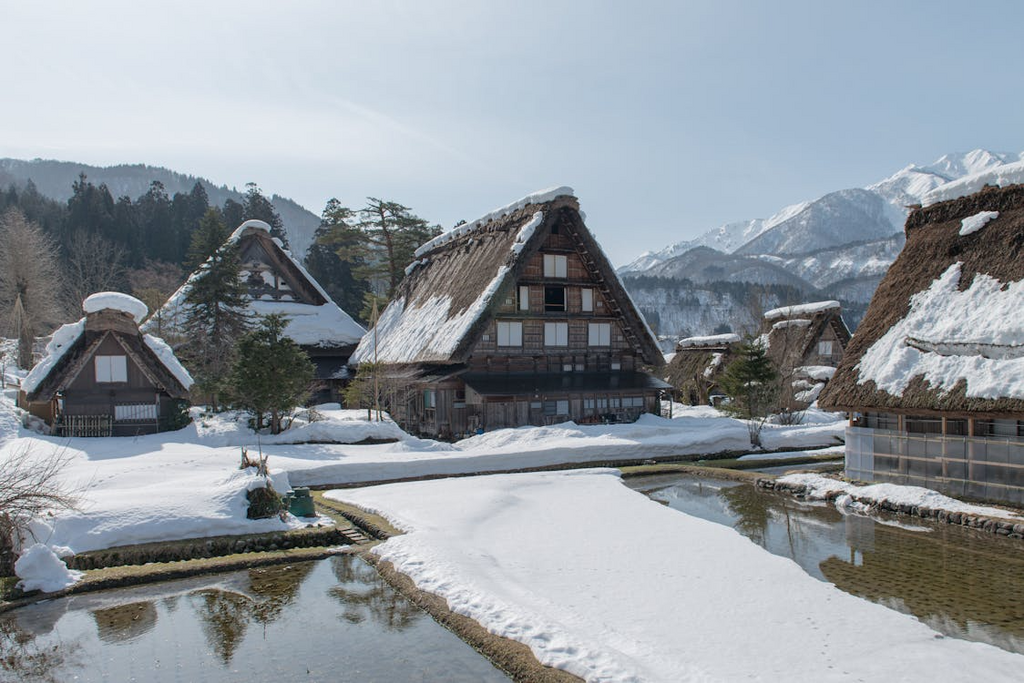
Shirakawa-go is one of the most notable historic villages in Japan in the Gifu Prefecture. It is considered a UNESCO World Heritage site based on its gassho-zukuri farmhouses, which have steeply-pitched thatched roofs meant to support heavy snow. Tourists normally visit the village on foot, and they stroll among houses that are still being used by the local families.
The statistics of the Japan National Tourism Organization show that Shirakawa-go received more than 1.2 million tourists in 2023, which demonstrates its popularity on the global level and preserves a rather quiet and immersive ambiance at the same time.
Traditional weaving, farming tools, and local ceramics can be found in small museums and craft shops and provide a glimpse of what life used to be like hundreds of years ago. A visit to Shirakawa-go involves going back in time.
Gokayama: The Quieter Neighbour
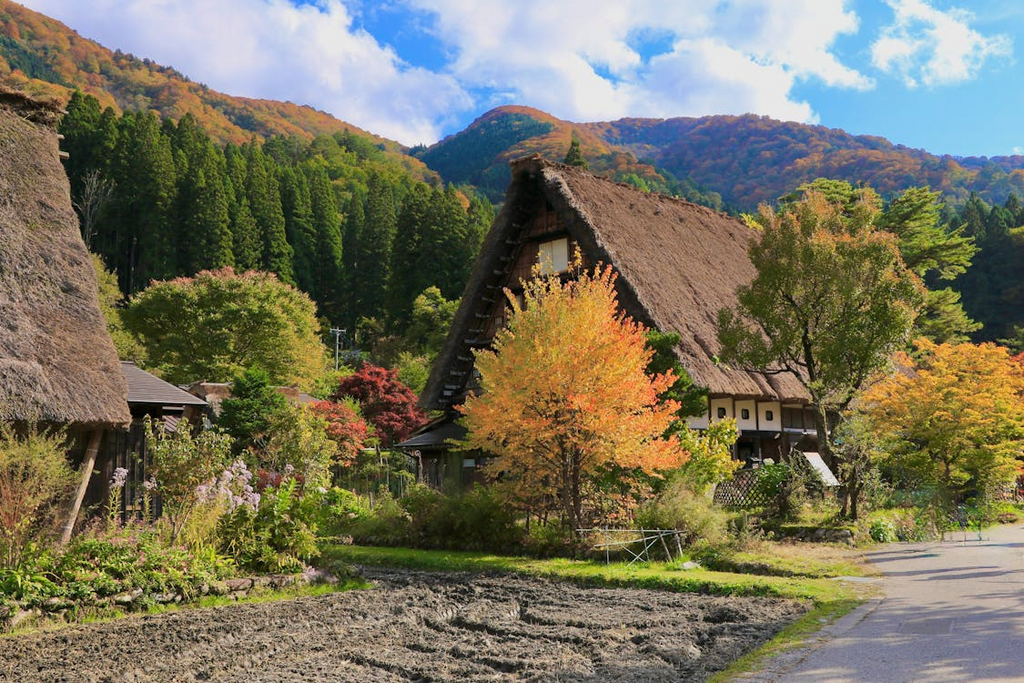
Gokayama is just over the mountains of Shirakawa-go in the Toyama Prefecture. Although it is of a similar style, it has less inflow of tourists, which means having a more personal experience. Terraced rice fields and rivers encompass the village, making every walk in the village scenic and peaceful.
The visitors are allowed to observe the local families carrying on with the old ways, both in terms of agricultural methods and in the style of the local festivals. The high attachment of villagers to the land is depicted by traditional festivals such as Doburoku Matsuri, which involves the production of home-brewed sake, and the rituals performed during the event.
Hida Furukawa: A Blend of Old and Accessible
Another level of the old village life is Hida Furukawa, a place that is located near Takayama. The city is characterized by the edo era buildings and beautiful canals filled with koi fish. Hida Furukawa is more reachable by train as opposed to Shirakawa-go and Gokayama, thus appealing to both local and foreign tourists.
The fact that in 2023 the city of Hida welcomed more than 300,000 visitors seeking the charm of its old streets, tea houses, and small museums demonstrates how one can incorporate tourism into the villages without losing authenticity.
Food specialities in the area, e.g., Hida beef and handmade miso, add to the cultural experience, offering both a glimpse of the past with the architecture and the landscape.
Experiencing Life Beyond the Landmarks
When you visit these villages, it is not only about seeing buildings, but also it is about observing the everyday life and traditions. Tourists can take pleasure in such simple things: in smoke coming out of chimneys, in children strolling over narrow walks, or in the murmur of river water. Life is relaxed, and the experience is deliberate as opposed to busy cities like Tokyo or Kyoto.
There are lots of villages where active works are provided, like pottery lessons, planting rice, or lessons on traditional weaving. Such experiences enable the tourists to interact firsthand with traditions that have been lived in over the course of time.
Why Ancient Villages Matter Today
These old towns maintain a connection with the past of Japan and are in favour of contemporary tourism. They preserve architecture, festivals, and crafts to enable visitors to know the way local life developed. They show that there is a balance between preservation and accessibility, and history can exist with travel.
The touring of ancient Japanese villages is not just a sightseeing tour, but it is a voyage that links the present with the centuries of tradition. Every trail, every countryside cottage, every festival is an opening to a tale that is being told in the far-off areas of Japan.

