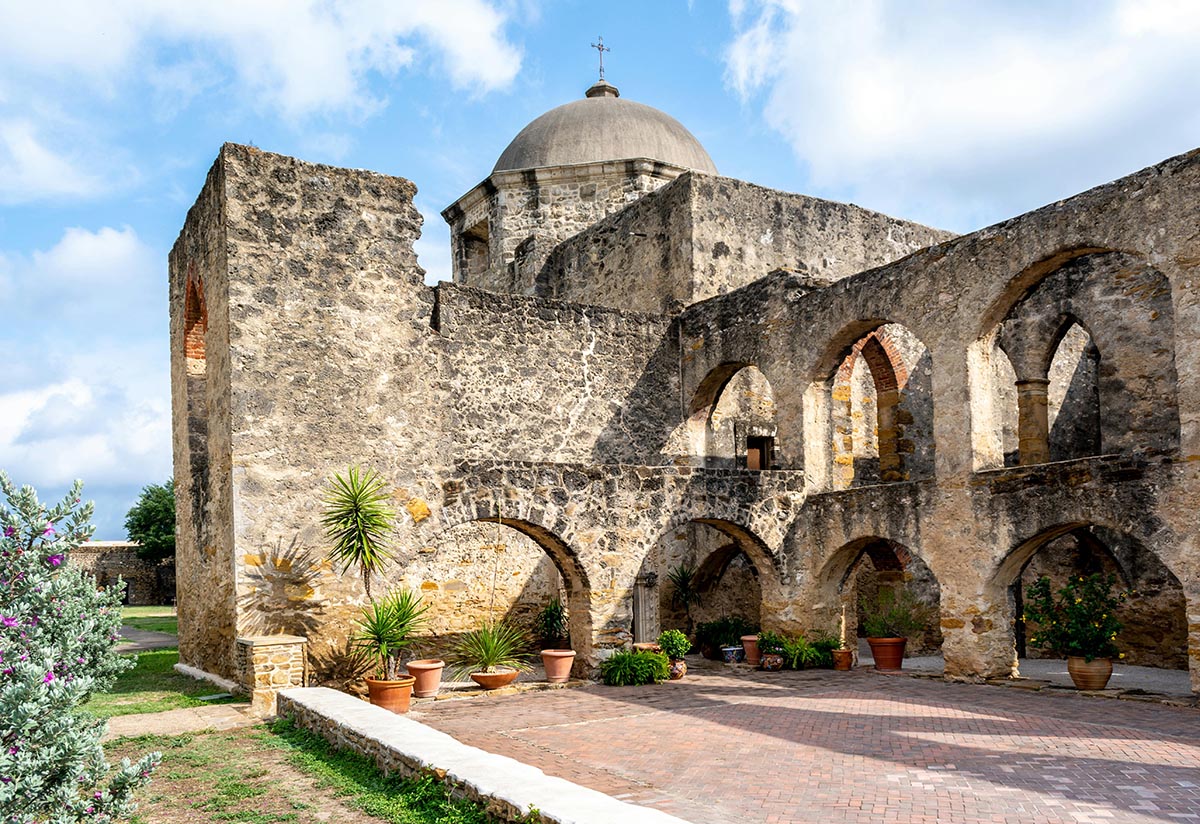
San Antonio preserves five Spanish colonial missions dating from the early 1700s, making it the only American city with a complete mission trail designated as a UNESCO World Heritage Site. These limestone structures stand as living monuments to 300 years of cultural fusion between Spanish colonizers and indigenous peoples, shaping the city’s identity more deeply than any other historical influence. The Spanish colonial legacy permeates San Antonio’s architecture, cuisine, festivals, and daily life in ways visitors can still experience firsthand.
How Does Spanish Colonial Culture Influence Modern San Antonio?
San Antonio’s food scene reflects three centuries of Spanish-indigenous fusion, particularly in dishes that predate Mexican independence. Puffy tacos, originally developed in San Antonio’s missions, use a frying technique brought by Spanish colonists. Barbacoa preparation methods trace directly to indigenous cooking adapted by Franciscan friars. Local restaurants along the Mission Trail continue using recipes documented in 18th-century mission records.
Fiesta San Antonio, the city’s largest annual celebration, evolved from ceremonies honoring Spanish colonial history. The April festival includes events specifically commemorating the Battle of Flowers, first held in 1891 to honor Texas heroes while celebrating Spanish colonial heritage. For newcomers looking to get to know the area, participating in these cultural traditions offers immediate immersion into San Antonio’s living Spanish colonial legacy.
What Are the Essential Spanish Colonial Missions to Visit?
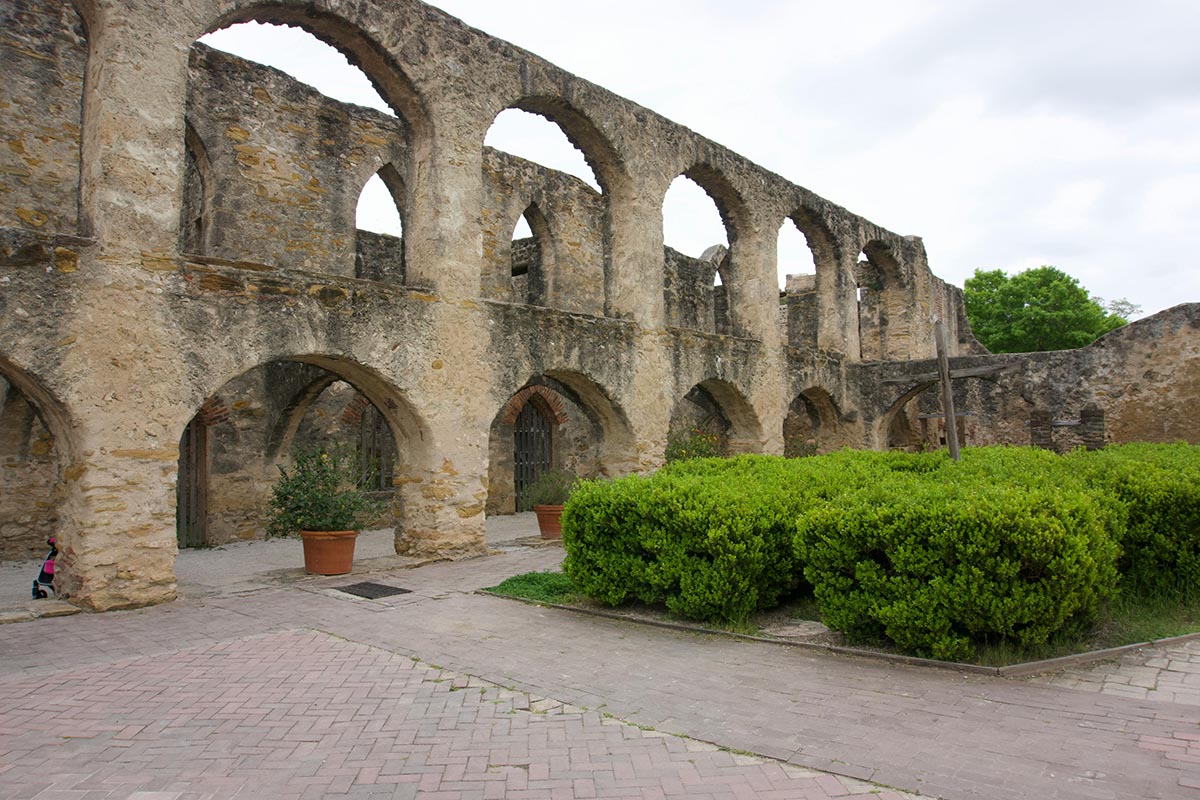
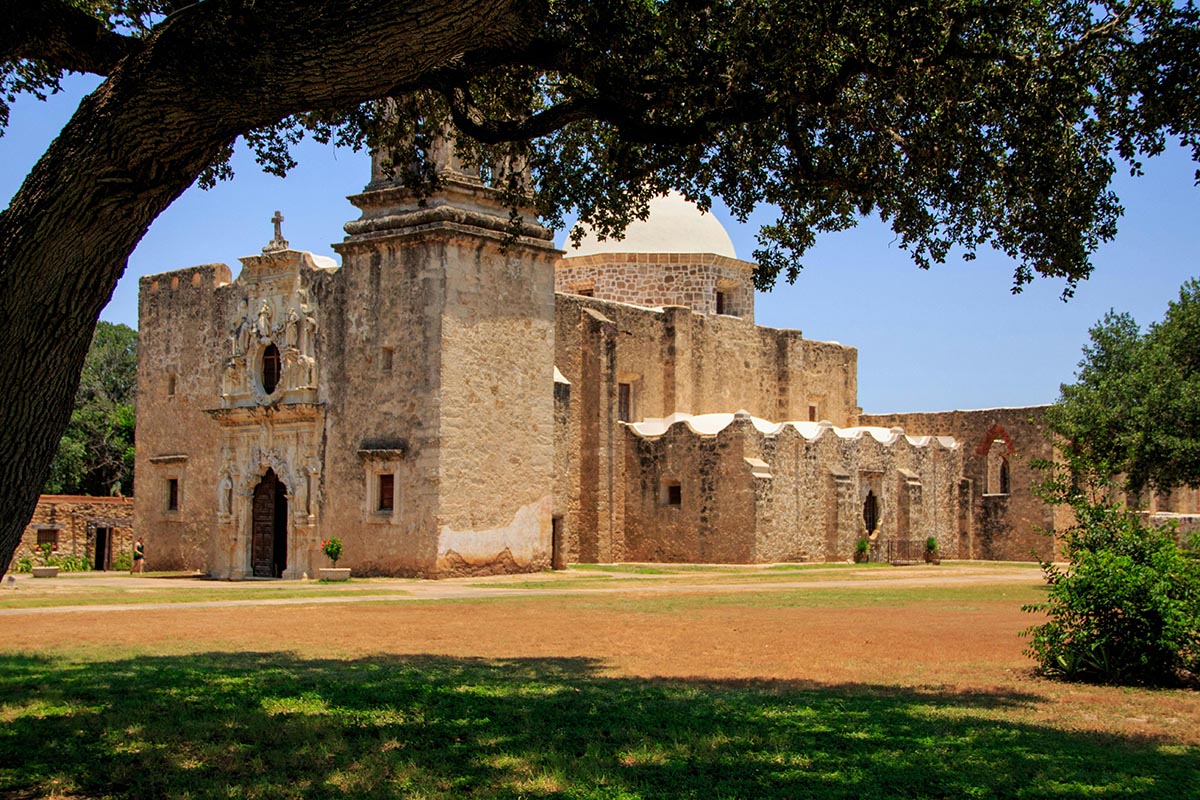
The San Antonio Missions National Historical Park encompasses four missions along the Mission Trail, with the Alamo standing separately downtown. Mission San José, founded in 1720, earned the title “Queen of the Missions” for its ornate stone carvings and fully restored church. The Rose Window on the sacristy remains one of the finest examples of Spanish colonial baroque architecture in North America.
Mission Concepción stands as the oldest unrestored stone church in the United States, with original frescoes still visible on interior walls. Mission San Juan Capistrano features working acequia irrigation systems that Spanish engineers designed nearly three centuries ago. Mission Espada’s aqueduct, built in 1745, continues channeling water across Piedras Creek using the same arches constructed by indigenous laborers under Franciscan direction.
How does the Alamo fit into mission history?
The Alamo began as Mission San Antonio de Valero in 1718 before transforming into a military outpost. The compound served as San Antonio’s first mission and the catalyst for the city’s founding. While the 1836 battle dominates popular memory, the site’s 118 years as a functioning mission shaped local culture more profoundly than its brief role in Texas independence.
Which Neighborhoods Display Spanish Colonial Architecture?
La Villita Historic Arts Village preserves San Antonio’s original settlement footprint with restored adobe and limestone structures from the 1700s. These buildings along the San Antonio River showcase construction techniques imported directly from New Spain, including thick stone walls, flat roofs, and central courtyards designed for the Texas climate.
The King William Historic District features later Spanish Colonial Revival architecture from the early 1900s, when San Antonio experienced renewed interest in its Hispanic heritage. Ornate ironwork, red tile roofs, and arched doorways define this wealthy residential area developed by German merchants who adopted Spanish aesthetic elements.
What makes Spanish Governor’s Palace unique?
Spanish Governor’s Palace, completed in 1749, represents the only remaining example of an aristocratic colonial home in Texas. The structure served as the residence and working office for the captain of the Presidio de Béxar. Rooms arranged around a central patio demonstrate typical Spanish colonial domestic architecture, with the coat of arms of King Ferdinand VI still carved above the entrance.
What Religious Traditions Continue From the Colonial Period?
Catholic feast days and processions established during the mission era remain central to San Antonio’s annual calendar. Las Posadas reenactments each December follow the same routes Spanish colonists walked between missions. The Feast of Our Lady of Guadalupe draws thousands to celebrations at San Fernando Cathedral, the oldest continuously functioning church building in Texas, consecrated in 1755.
Mariachi music performances at the missions blend Spanish instrumentation with indigenous rhythms, creating a sound that developed specifically in Spanish colonial territories. According to the National Park Service, these musical traditions preserve cultural practices that defined daily life in the mission communities for generations.
How do mission programs preserve indigenous culture?
Modern mission sites maintain demonstrations of traditional crafts taught by Spanish friars to indigenous converts. Pottery techniques, weaving methods, and metalworking skills developed in colonial workshops continue through educational programs. These crafts represent the cultural exchange that occurred when Spanish Catholicism encountered Coahuiltecan, Payaya, and other native traditions.
Where Can Visitors Experience Living Colonial Traditions?
Market Square, established during the Spanish colonial period, operates as North America’s largest Mexican marketplace with vendors selling traditional goods. The plaza layout follows the Spanish colonial urban planning model, with a central gathering space surrounded by commercial buildings. Artisans demonstrate techniques passed through family lines since the mission era, including tin work, leather crafting, and traditional embroidery.
San Fernando Cathedral presents “San Antonio | The Saga,” a light projection show mapping 300 years of history onto the church’s 1868 Gothic Revival facade. The presentation highlights how Spanish colonial foundations shaped every subsequent chapter of the city’s development, from the Canary Islander settlers of 1731 through modern multicultural San Antonio.
What role does language preservation play?
San Antonio maintains Spanish as a living language spoken by over 40% of residents, creating linguistic continuity with the colonial period. Street names, neighborhood designations, and local terminology preserve Spanish colonial vocabulary. This ongoing bilingualism distinguishes San Antonio from other American cities with Spanish colonial history, where the language often exists only in historical markers.
Experience San Antonio’s Spanish Colonial Heritage Today
Spanish colonial landmarks and culture define San Antonio’s character in ways that extend far beyond museum exhibits and historical markers. The missions continue serving as active parishes, traditional foods remain daily staples rather than tourist curiosities, and architectural styles established three centuries ago still influence new construction. Visitors gain the most authentic understanding by attending Sunday Mass at Mission San José, exploring the acequia trails between mission sites, and timing visits to coincide with traditional feast day celebrations that have marked San Antonio’s calendar since the 1700s.