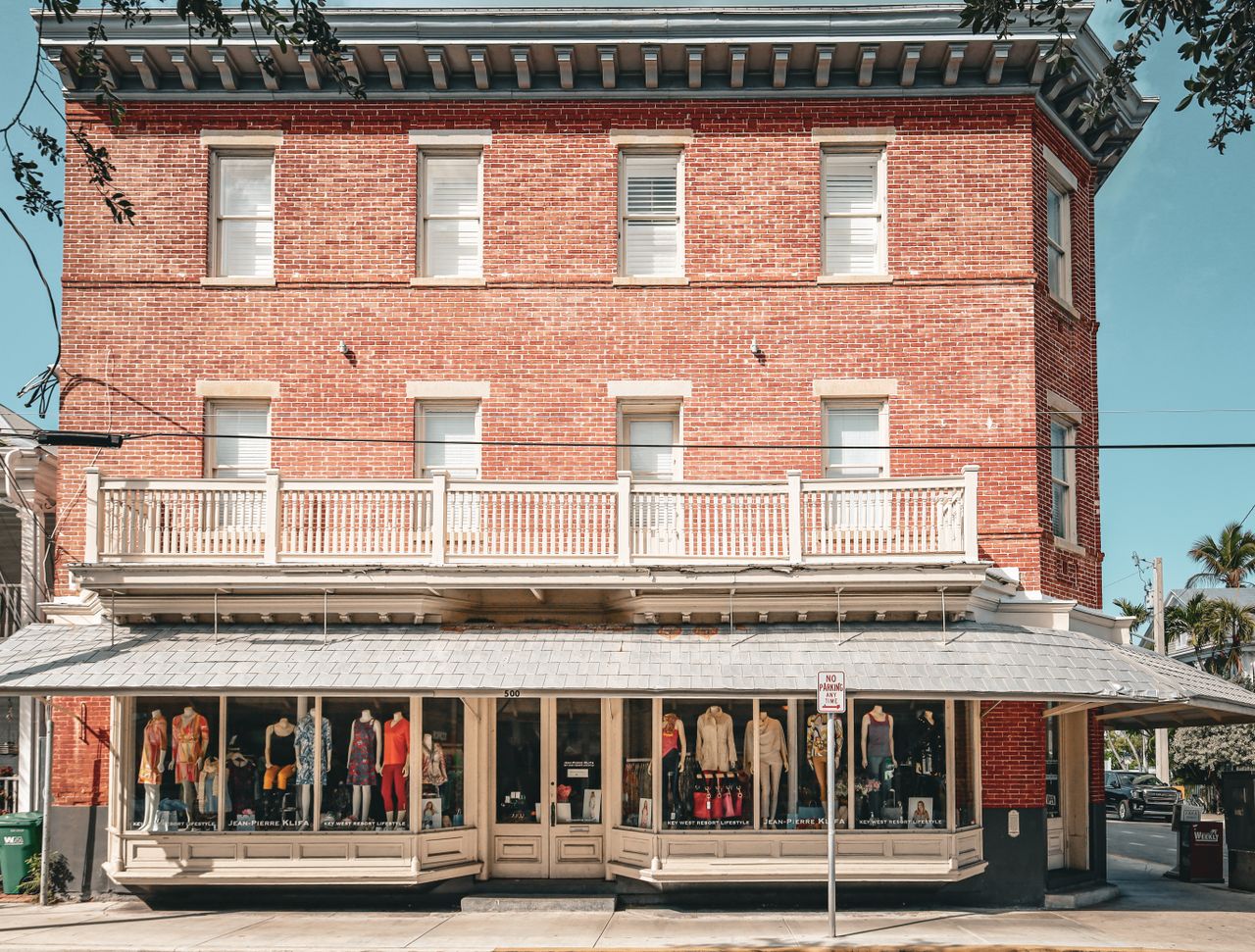
Long before the Dallas–Fort Worth Metroplex became one of the largest urban areas in the country, dozens of small farming and railroad towns dotted the prairie between its two anchor cities. The Towns That Dallas–Fort Worth Grew Around are still there today, tucked between highway interchanges and suburban rooftops, and several of them predate both Dallas and Fort Worth by decades. Grapevine’s earliest settlers arrived in 1844, two years before Dallas was even founded, and Arlington took shape as its own railroad market town in 1876. For anyone curious about North Texas history, or weighing a move into the region, these older communities offer a version of Texas that the skyline alone doesn’t show.
How Did So Many Small Towns End Up Inside One Metroplex?
Most of the older towns scattered across Dallas–Fort Worth began as independent farming or railroad communities in the mid-to-late 1800s, long before anyone used the word Metroplex. As Dallas and Fort Worth expanded outward through the twentieth century, suburban growth and new highways connected these once-separate towns into a single continuous region without erasing their original town squares. The same contrast between major urban centers and Texas beyond its biggest cities is still easy to see across North Texas, where older communities have retained their own city governments, school districts, and downtown cores despite being surrounded by newer development. Driving through the region today, it can take a sharp eye to notice where one town’s original boundary ends and the next one’s begins.
What Is Daily Life Like in These Older Communities Today?
Life in these towns blends small-town rhythms with easy access to a major metro area’s job market, airport, and entertainment options. Many residents commute into Dallas or Fort Worth for work, then return to communities where local businesses, neighborhood events, and older downtown districts still shape everyday life. For anyone considering a move to the area, getting a sense of what daily life is like in Fort Worth also provides useful context for comparing the city with the smaller communities surrounding it. Farmers markets, longtime family businesses, and small downtown festivals continue much as they did decades ago, even with a major international airport only a short drive away. That mix of familiarity and big-city access is often one of the first things newcomers notice after settling in.
How the Towns That Dallas–Fort Worth Grew Around Kept Their Own Identity
Despite decades of growth, most of these towns kept distinct downtown cores, local school districts, and community identities rather than dissolving into generic suburbs. Historic Main Streets, preserved storefronts, and small local museums give each town its own personality, even when neighboring communities sit only a few miles apart. That ability to move quickly between very different landscapes and communities is part of what makes a road trip across Texas so varied, and the same effect appears on a smaller scale around DFW. A short drive can take you from dense suburban development to a historic square that still reflects the town’s nineteenth-century origins.
Where Can You Still See Grapevine’s Pioneer Roots?
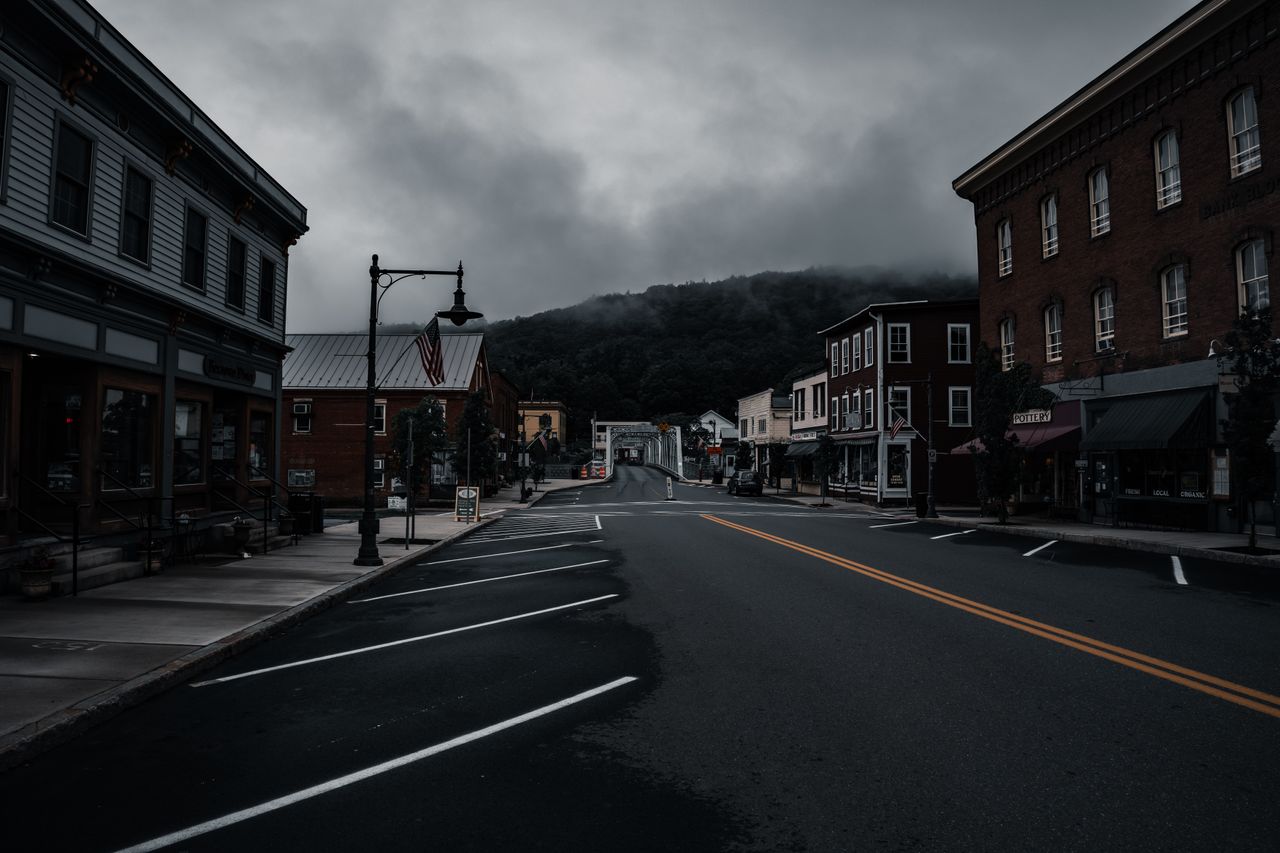
Grapevine’s downtown historic district still reflects its roots as an 1844 farming settlement, with brick storefronts, a restored rail depot, and buildings dating back more than a century. The town grew slowly as a cotton and grain center through the late 1800s, long before Dallas Fort Worth International Airport rose practically at its doorstep in the 1970s. Its Main Street festivals, wine-tasting rooms, and small cafés preserve the kind of local character that can still turn an ordinary drive through Texas into a stop at an old roadside café or small-town landmark. Grapevine’s preservation efforts have helped its historic core survive intact even as the surrounding area urbanized rapidly.
What Does Arlington’s Railroad Past Reveal About the Region?
Arlington took shape in 1876 when the Texas and Pacific Railway laid tracks roughly halfway between Dallas and Fort Worth, creating a market town for the farms nearby. According to the Handbook of Texas Online entry on Arlington, the settlement was first called Hayter before being renamed after Robert E. Lee’s Virginia home in 1877. That railroad-driven origin explains why Arlington’s older core sits along a different grid than the newer development around it, a small but visible reminder that the city grew from its own town plat rather than as an extension of Dallas or Fort Worth.
How Has Tarrant County’s Growth Shaped the Towns Around It?
Tarrant County’s population and industrial growth through the twentieth century, especially around Fort Worth’s railroad and aviation industries, pulled outlying towns into a shared regional economy well before anyone called it the Metroplex. Per the Handbook of Texas Online overview of Tarrant County, railroads reaching towns like Arlington, Keller, and Mansfield during the 1870s and 1880s set the stage for later suburban expansion. That early rail network is largely why so many older communities line up along the same corridors as today’s highways, since infrastructure built for one era of growth often becomes the backbone of the next.
Finding Your Own Place Among These Older Towns
The Towns That Dallas–Fort Worth Grew Around have not disappeared into the Metroplex; they have simply learned to exist inside it, keeping their own downtowns, schools, and community identities intact. Whether the draw is a weekend of historic sightseeing or a serious look at relocating to North Texas, these older communities offer a slower, more personal way to experience a fast-growing region. They also make a useful reminder that a metro area this size is really a patchwork of much smaller stories, each with its own founding date and reason for being there. Anyone planning a visit, or a move, can start with a single afternoon in one of these historic downtowns to get a feel for how the past and present sit side by side here.
About the Author:
Marisol Hale is a freelance travel writer covering small-town history, historic preservation, and overlooked corners of the American Southwest. She’s especially drawn to the towns that got absorbed by bigger metro areas but never lost their own identity. When she’s not digging through old railroad records, she’s usually mapping out her next weekend drive.



Leave a Reply
You must be logged in to post a comment.