Travel Thru History

Historical and cultural travel experiences

  • Home
  • Airfare Deals
  • Get Travel Insurance
  • Writers Guidelines

Top 10 Street Food Experiences in Marrakech You Can’t Miss    

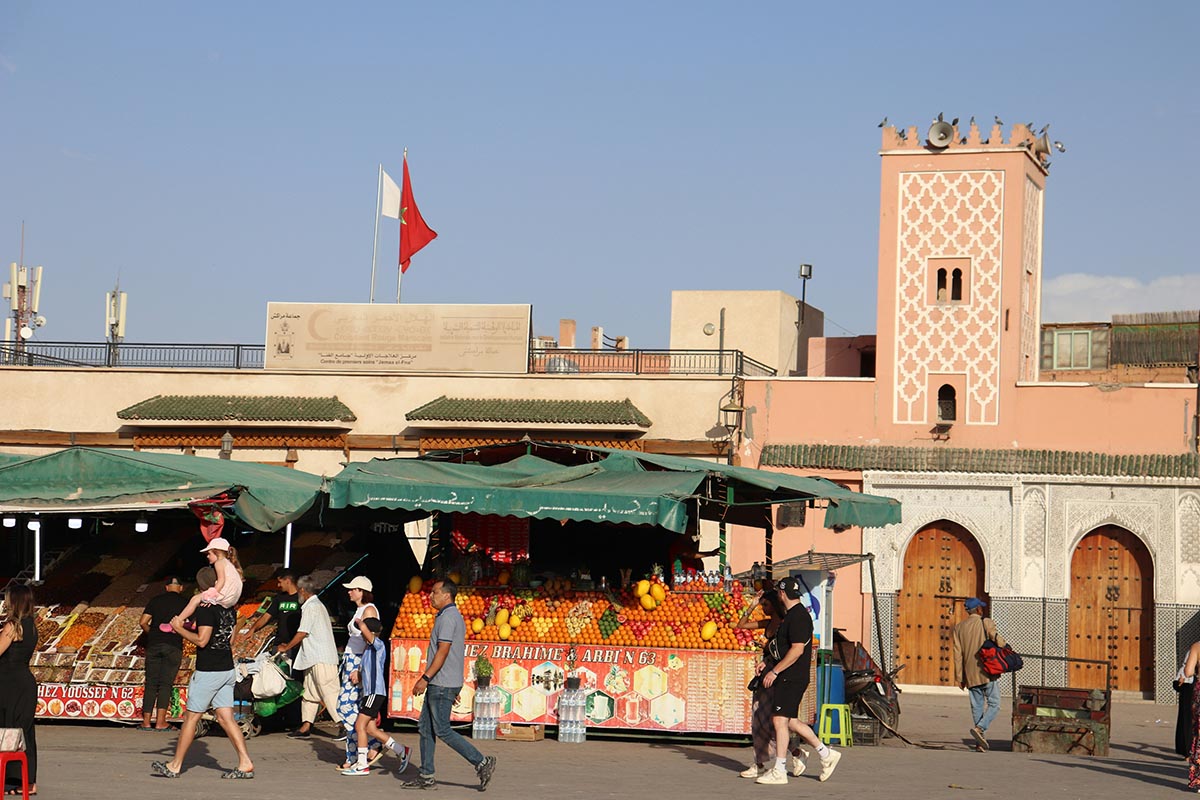
Marrakech market

Forget fancy dining! These streets of Marrakech will give you a  real taste of bubbles, and sizzles in the city. You will feel how its traditional touch perfumes the air right on its vibrant streets.

Think about wandering through the maze-like alleys, and you are drawn in by the smoky scent of grilling meats. This isn’t just about food but an experience into the heart of Moroccan culture.

The street food experience in Morroco give you a chance to connect with locals. You can enjoy its traditional taste and flavors that have been passed down through generations. From savory tagines cooked in ancient clay pots to sweet, honey-drenched pastries, the sheer variety of street food Marrakech is a delicious adventure waiting to happen.

Ditch the tourist menus and follow your nose – you’re in for a treat! This guide will lead you through the top 10 Marrakech street food experiences you simply can’t miss.

Top 10 Street Food Experiences in Marrakech: A Delicious Guide

These are 10 different street food experiences in Marrakech that will certainly remain in your mind when it comes to taste. Let’s explore top 10 Marrakech street foods:

1. Tangia

The authentic Marrakechi dish is prepared in a typical clay pot, buried in the hot ashes in a public oven, and slow-cooked for hours. It is a dish of very tender and tasty meat-lamb or beef –with its dominating spices, i.e., cumin, saffron, and preserved lemon. Sharing with friends or family a tangia pot is an extremely warm experience. Seek the vendor by the souks or in the Mellah (Jewish Quarter).

2. Snail Soup (Escargots)

For the bold eater, snail soup has to be tasted. Simmer tiny snails in a broth delicately flavored with herbs and spices, it is then poured piping hot into small bowls. Most locals will tell you that the broth has healing powers. Snail sellers and their steaming pots will be found around Djemaa el-Fna and other bustling places. Just taste because it sounds adventurous; it is very earthy and savory.

3. Msemen (Moroccan Pancakes)

These are flaky square pancakes and one of the most famous breakfast or snack items, simply prepared with layers of thin dough cooked on an extremely hot griddle. It tastes best, plain with honey and butter, or all stuffed with savory filling – onions and spices. Msemen vendors are found everywhere, often preparing it in front of you.

4. Harira Soup

This classic soup is rich and tantalizing in taste. Natives love to have it during Ramadan. It is made from tomatoes, lentils, chickpeas, and lamb or beef. Then it is flavored with spices such as cinnamon, ginger, and saffron. You will see a serving of dates and chebakia (honey-sesame pastries)alongside harira. You can easily find its stall on the streets in the evenings. The perfect spot to locate is near Djemaa el-Fna.

5. Grilled Meats (Mechoui and Kefta)

The aroma of meat grilling fills the air everywhere in Marrakech. Mechoui is roasted whole lamb; it is going to melt in your mouth with incredible flavor. Kefta are minced meat skewers seasoned and grilled. You would see vendors with various meats grilling, usually served with bread and a simple salad. Djemaa el-Fna at night is the ecosystem for grilled meat lovers.

6. Tagine

It is true that you are experiencing a fine dining experience when you have it in a restaurant. Street corner vendors offer a different but very charming experience. The name of Tagine comes from the conical clay pot. These slow-cooked stews are prepared in special pots. Tagine is made in different flavors and usually consists of meat and vegetables. It is particularly flavored with dried fruits like apricots and prunes. Look out for vending stalls with tagines simmering over charcoal for that authentic taste.

7. Fresh Juices

Now all you need is a cold glass of fresh orange juice, a common sight here in Marrakech. There are hundreds of juice stalls here that sell just about any fruit juice, from pomegranate to grapefruit, or mixed with other fruits. These are refreshing and cheap and healthy watering holes. Just about the most well-known of these juice vendors is Djemaa el-Fna.

8. Chebbakia

Chebbakia take the form of intricate flower shapes once it is deep-fried, and honey-coated. It is served with sesame seeds sprinkled after frying. The taste of Chebbakia is overly sweet for some. But it is a popular delicacy during the month of Ramadan. Also, it is celebrated as an occasional luxury. You will find them across sweet stalls distributed all over the city, most especially in the souks.

9. Mint Tea

Not considered food by any means, but no street food experience in Marrakech deems itself complete without a shot of traditional Moroccan mint tea. This drink is sweet and refreshing, poured from a height, and symbolizes hospitality everywhere it is offered. It is a perfect match for the street food experience.

10. Tanjia Marrakshia (Different than Tangia)

This precisely refers to the way tangia is cooked in Marrakech, indicating its slow cooking in the ashes of a public oven. This also means that the nuances of flavor from this style magically make it an authentic and indispensable delicacy of the street food culture of the city.

Key Takeaway

Really, the street food scene is more than stuffing your stomach; it is really a cultural experience. From the melting tenderness of Tangia to sweet mint tea amid the hectic crowd, every morsel embodies traditions and tastes with the lively spirit of this alluring city. The other cafes are cute, but go cross aside. This is where the tasty ordeal begins; just embrace the chaos, and your palette will adore you for doing that.

Tagged With: Marrakech attractions Filed Under: Africa Travel

Travel to Morocco from USA: Everything You Need to Know

Marrakech market

Are you making plans to travel to Morocco from America? Morocco is one of the most fascinating locations in North Africa, blending wealthy lifestyle, breathtaking landscapes, and centuries of history. From the bustling souks of Marrakech to the golden dunes of the Sahara Desert, Morocco gives American vacationers a revel in not like every other. This guide will walk you via visa necessities, flights, the satisfactory time to visit, and crucial journey guidelines in your journey.

Do US Citizens Need a Visa to Travel to Morocco?

If you’re a US citizen, you do not need a visa to visit Morocco for as much as ninety days. All that’s required is a legitimate US passport with as a minimum six months of validity from your arrival date. For longer remains, you need to practice for a house allowed through Moroccan immigration authorities.

How to Get to Morocco from the USA

Several options are available when visiting from the USA to Morocco:

  • Direct Flights: Royal Air Maroc gives nonstop flights from New York (JFK) to Casablanca (CMN), taking about 7–8 hours.
  • Connecting Flights: From other US towns like Los Angeles, Miami, Boston, or Chicago, you’ll typically have one forestall in Europe (Paris, Madrid, or Lisbon). These routes take around 12–15 hours.

Tip: Booking early and being bendy with travel dates permit you to store on airfare.

Best Time to Travel to Morocco from the USA

The pleasant time to tour relies upon on what you need to experience:

  • Spring (March–May): Ideal climate for sightseeing, desolate tract trips, and mountain hikes.
  • Fall (September–November): Perfect for cultural tours and coastal escapes.
  • Winter (December–February): Great for exploring cities and the Sahara Desert, although temperatures drop at night.
  • Summer (June–August): Hot inland, however coastal cities like Tangier and Essaouira are cushty.

Top Destinations in Morocco for US Travelers

When you travel to Morocco from the united states, ensure to explore these iconic places:

  1. Marrakech An energetic town full of palaces, gardens, and the well-known Jemaa el-Fnaa rectangular.
  2. Fes Home to the arena’s oldest university and a maze-like medieval medina.
  3. Chefchaouen  Known as the “Blue City” for its strikingly painted streets.
  4. Sahara Desert Experience camel rides, wasteland tenting, and breathtaking sunsets.
  5. Casablanca Morocco’s present day business hub, proposing the stunning Hassan II Mosque.
  6. Essaouira A laid-returned coastal metropolis with sparkling seafood and windy beaches.

Essential Travel Tips for Americans Visiting Morocco

  • Currency: Moroccan Dirham (MAD). ATMs are widely available, but hold coins for smaller towns.
  • Language: Arabic and Berber are legit, French is common, and English is spoken in traveller areas.
  • Cultural Etiquette: Dress modestly and appreciate local traditions, mainly close to non secular websites.
  • Safety: Morocco is normally safe, however be careful in crowded regions and watch for pickpockets.
  • Health and Insurance: Consider journey insurance and check in case you need any vaccinations before touring.

Final Thoughts

Traveling to Morocco from the USA is more than only a holiday it’s a journey into a global of colourful traditions, colorful towns, and breathtaking landscapes. With clean entry for US residents, direct flights, and countless points of interest, Morocco is an excellent destination for tourists looking to integrate subculture, journey, and relaxation.

Whether you’re wandering via Marrakech’s souks, riding camels within the Sahara, or sipping mint tea in Chefchaouen, your ride to Morocco can be unforgettable.


Tagged With: Morocco attractions Filed Under: Africa Travel

How to Dress as a Woman Traveling to Morocco

Morocco is a fantastic tourist destination, situated in the top of Africa; it is a country where tradition and modernity mixes seamlessly offering a rich experience for visitors. Being a Muslim country with conservative population. Therefore, visitors should respect the traditions and culture of the country. For women visiting Morocco, dressing appropriately is not only a sign of cultural respect but also a way to feel comfortable, safe  and avoid grabbing attention from other people especially males. That is, wearing appropriate and acceptable when visiting small villages and rural towns would be appreciated and help you connect with locals.

  1. Understanding the Cultural norms and traditions:

Although Morocco is a Muslim country, but you still can find women wearing jeans, skirt and other clothes alike the western cultures. This doesn’t mean you must cover yourself from head to toe, but it does mean avoiding showing off or tight clothing. Showing too much skin like wearing short skirts…. Etc. type of clothes that is not acceptable by the society especially in rural areas, and Berber villages where locals are not very familiar with tourists.

Furthermore, Moroccans are well known for their hospitality and tolerance, kindness especially in tourist areas like Marrakech, Fes, or coastal cities. As a result, dressing in an appropriate way would be of great help and makes good interactions with locals.

  1. What to Wear General Guidelines & Tips:

Here is what women should wear when visiting Morocco:

  • Tops: Choose loose-fitting tops that cover your shoulders and you are sure they do not grab attention of others and cleavage. T-shirts and tunic-style shirts are ideal. Avoid spaghetti straps or low-cut tops unless layered with a scarf or cardigan.
  • Bottoms: Long skirts, dresses, or pants that at least cover your knees are recommended. Loose trousers or harem pants are both practical and stylish for travelers.
  • Dresses: Long, flowy dresses that reach your ankles are perfect. Sleeveless styles can be worn with a light shawl or jacket.
  • Scarves: while most non –Muslim women are not required to wear a headscarf, but having a scarf with you can be useful for many things, especially when entering a religious site, or also when visiting the Sahara desert, Scarf can protect you from the wind and heat of the desert.
  • Layers: Morocco’s weather can vary greatly by region and time of day. Carrying a light cardigan or shawl allows you to adjust your look for more conservative areas or cool evenings.
  1. What Not to Wear

For an enjoyable and respectful trip to Morocco, here is what you should not wear:

  • Short shorts or mini skirts especially in the public places or  rural villages as people would not respect you and may lead you to bad interactions from the locals.
  • Crop tops or tops with plunging necklines
  • Tight or transparent clothing
  • Tank tops without a cover-up
  • Beachwear outside of pool or beach areas

In beach towns like Essaouira or Agadir, attire can be more relaxed, but even then, wearing some clothes like bikinis at the beaches is acceptable but wearing it for a walk through the streets of the city is forbidden.

  1. Footwear

Regarding the footwear, feel free to wear what you want, comfortable walking shoes are a must, especially for walking through the lively streets of the old medinas and uneven streets. Sandals, sneakers, or closed flats are all good options. However,  In cooler months, bring a pair of boots or sturdy shoes. Avoid wearing high heels unless you are attending a formal event at a hotel or restaurant.

  1. Dressing in Religious Sites

When visiting religious sites in Morocco, it is crucial to understand what you should wear. Most of the monuments in Morocco are closed to non-Muslims, except Hassan II Mosque in Casablanca) which is the only mosque open to non-Muslims. Visitors to the mosque should wear long sleeves, long pants or a long skirt, and a headscarf to cover your hair. Most importantly, visitors should cover of the parts of their body especially their shoulders.

  1. Traditional Moroccan Clothing for Travelers

Moroccan women are famous for their lovely clothing styles offering visitors the chance to delve into the rich culture of Morocco. Thus, Wearing a Kaftan or djellaba (a long, loose-fitting robe with a hood) or a kaftan can be a beautiful and respectful way to experience the Moroccan culture. Additionally, these type of clothes are comfortable, modest, and widely available in local markets. As a visitor, you are not required to wear this clothes, but wearing kaftan or Jalaba shows a sign of respect to the local culture and customs and makes your stay more comfortable and enjoyable among the locals.

  1. Travel Seasons and Climate Considerations
  • Spring this time is best time to visit Morocco with mild and cool temperatures. Pack breathable layers and a light jacket. From March to May and from September to November, the weather and temperature is cooler ranging between 12 to 26C°, allowing visitors to experience the fantastic atmosphere of Morocco whether visiting the Sahara desert, coastal cities or the Atlas Mountains.
  • Summer (June–August): During the months of Summer (June, July, August) Morocco gets hotter especially in the inland cities and destinations. However, even the excessive heat. Visitors still can experience the lovely atmosphere of the coastal cities of Morocco, which offers a warmth, cool, mild, and year – round climate allowing visitors to experience the breathtaking atmosphere. However, the southern part of Morocco like the Sahara desert is not advised for visitors during summer, it will make your experience uncomfortable and unpleasant.
  • Winter: Visitors to Morocco can also enjoy their vacation to Morocco while taking a trip during winter months like December, January and February; as during the these months the temperature becomes so cool, warmer and cooler in the Sahara desert and the imperial cities of Morocco, but can get a bit colder in the Atlas Mountains as it mostly snows during these months.
  1. Packing Essentials for Women Traveling to Morocco:
  • Wearing a scarf or shawl
  • Long-sleeved tops and tunics
  • Respectful dresses and skirts
  • Loose-fitting trousers
  • Light jacket or cardigan
  • Sunglasses and sunscreen
  • Comfortable walking shoes
  • Swimsuit (for hotels or beaches).

Conclusion:

As a woman travelling to Morocco, dressing modestly is not a way to hide who you are; it’s a way to show respect for a society that values modesty, especially in public places. Making a few changes to your clothes will not only make you feel better, but it will also show that you respect the culture, which the people there will really like. Additionally, always remember that the most important things to wear are confidence and kindness. Visitors showing sign of respect to the culture and society will of course gain that respect back from the locals and ensure a safe and pleasant experience in Morocco.


Filed Under: Africa Travel

Trips to Morocco: Unveiling the Wonders with Tilila Travel

desert sunset

Trips to Morocco must be an amazing experience of being engulfed in another world, perhaps one illuminated and beautified by history and nature. A visitor may gather so much, from the golden Sahara desert dunes to the enticing souks in the city of Marrakech. Whether you want adventure, cultural experience, or relaxation, it’s all synchronized by Tilila Travel with an unforgettable journey made especially for you. The experience that attracts hidden gems and authentic and warm hospitality is what you will enjoy while visiting this treasure in North Africa. Trips to Morocco have something for each traveler.

Why Should I Travel to Morocco?

Custom Itineraries

The best aspect of Trips to Morocco is that the itineraries can be custom-made. Tilila Travel customizes every trip based on your interests- whether they are sights of amazing historical relevance, adventure deep in the heart of a desert, or whether you want to relax by the sea. Trips to Morocco enable you to travel at your own pace.

Expert Local Guides

Moroccan travel tours guide the local person with extensive knowledge into a very particular aspect of history, culture, and traditions in the country. These guides also present to you places that are hidden from ordinary sight and that are also less traveled, meaning they are really worth visiting.

Travel Easy

All logistics- from airport pick-ups to luxurious accommodations and even private transportation- are part of Trips to Morocco; it gives you a hassle-freeand effortless journey. Every detail is taken care of by Tilila Travels. No, you do not have to worry about anything and can just enjoy the adventure under the warm sun.

Experiences of Reality

Morocco travel tours are purely about authenticity, unlike the other generic group tours. Visiting a local Berber family, touring kasbahs from ancient times, or dining in a traditional riad are all experiences close to the reality of what Tilila Travel can offer you. Surely, trips to Morocco will offer you unforgettable cultural experiences.

Best Time to Plan Trips to Morocco

Seasonal Highlights

The climates in Morocco vary from region to region, making the experience in every season something different.

Spring (March through May)

Spring is mild and blooming, ideal for city sightseeing, trekking in the Atlas Mountains, or visits to the lush valleys such as Ourika.

Summer (June through August)

While places in the desert and central Morocco can be unbearably hot, Essaouira and Agadir along the coast offer a refreshing getaway with cold sea breezes and beachfront fun.

Fall (September through November)

Autumn is definitely one of the seasons to consider for desert Trips to Morocco with cool night times and pleasant days for camel rides and visiting old kasbahs.

Winter (December through February)

Through the winter comes snow on the Atlas Mountains, calling adventure seekers to ski in Oukaimeden, while the desert shines on cold, crisp nights ahead for stargazing.

Morocco: Must-See Places to Visit

Marrakech: The Heartbeat of Morocco

Marrakech is a study in contrast: an interesting city to visit, it truly does combine ancient traditions with modern luxuries. Stroll along narrow alleys of the medina, step into the famous Jemaa el-Fnaa square, or explore the majestic Bahia Palace. Tilila Travel offers exclusive experiences, including guided tours through these souks and traditional Moroccan tea ceremonies.

Fes: A Walk Through Time

Fes is indeed the cultural and spiritual heart of Morocco, housing the most ancient university ever built – Al Quaraouiyine. The lively medina, the tanneries, and exquisite madrasas are only a few sights of Morocco that you must see. These features make it worth a visit. With Tilila Travel, there are organized tours and trips to artisan workshops.

Dreamlike Encounters in the Sahara Desert

No list of Trips to Morocco can ever be complete without a sojourn in the Sahara. Camel rides on golden dunes with luxurious memories from a desert camp and listening to traditional Berber music against a starry sky. Tilila Travels organizes exclusive desert tours with exceptionally knowledgeable local guides. At Trips to Morocco, a desert experience is pure magic.

Blue Pearl-chefchaouen

Perched amidst the Rif mountains, Chefchaouen is a perfect little town blanketed with blue-washed streets and a peaceful atmosphere. Doddle down the narrow alleys, visit the Kasbah Museum, and chill out by the quiet Ras El Maa waterfalls.

Essaouira: Coast and Culture

Essaouira: a coastal jewel where history, art, and sea flow. Visit the fortified medina, taste fresh fish at the port, and try your hand at windsurfing on the now windy shores of the Atlantic. Tilila Travel personalizes it all into perfect coastal retreats for the most relaxing time.

The Atlas Mountains: Adventure and Peace

Nature lovers, landscapes, traditional Berber villages, and the thrill of trekking are all present in the Atlas Mountains. Be it just an easy day hike or even the rewarding climb up Mount Toubkal, Tilila Travel arranges guided expeditions depending on your level.

Unique Experiences in Trips to Morocco

Luxury Desert Camping

Happily, be in an extravagantly furnished tent in a reclusive desert camp and have your own experience enjoying the magic of the Sahara. Enjoy delicious Moroccan cuisine, oral traditions, and spellbinding sunsets away from the dunes.

Cooking Classes in Traditional Moroccan Style

Be part of a hands-on cooking class and learn the secrets of the Moroccan kitchen. Learn how to make tagines, couscous, and pastilla from local chefs.

Hot Air Balloon Flights across Marrakech

Live some beautiful moments over the sunrise at the Palmeraie of Marrakech on a balloon ride followed by breakfast the Berber way at one of the luxurious lodges.

Hammam and Spa Indulgence

Treat yourself and rejuvenate in a traditional Moroccan hammam, enjoy soothing steam baths, scrubs, and an exciting range of marvellous deep tissue massages with argan oil sourced locally by the best in this amazing, charming place.

Discover Hidden Kasbahs

They are situated off the main tourist track: these kasbahs speak, in stone, the history of the country; there’s Ait Benhaddou, for UNESCO listing purposes.

FAQs

What is the best way to move about the country?

However, there is extensive alternative transport in Morocco, including trains and buses, private tours, and rental cars. This can best be experienced through the hassle-free, comfortable travel experiences of Tilila Travel: private chauffeur or guided tours.

Is Morocco a family-friendly place?

Definitely! Camel rides, beach excursions, and cultural sites form the list of activities that make it one of the finest family holiday destinations.

Will I require a visa to come to Morocco?

Nationals have differing visa requirements for Morocco. Most travelers, nationals of the United States, Canada, and the European Union, enter visa-free for 90 days.

What essentials should I carry on Trips to Morocco?

Pack for the right season clothing comfortable and proper to execute visits to cultural sites, a hat and sunglasses in case sunlight exposure, as well as good walking shoes, into included of your packing list.

Am I allowed to change the package I take from Tilila Travels?

Yes! Tilila Travel specializes in Tailored travel itineraries so that their client gets a very personalized experience according to their interest and choices.

Conclusion

The Trips to Morocco combine history, adventure, and relaxation, awakening the culture inside all the travelers. From bustling cities to the quiet Sahara, every traveler has something worthy to hold dearly. Expect an authentic experience, professional guidance, and first-class hospitality with Tilila Travel. Book your dream trip now and discover the hidden treasure of Morocco! Tilila Travel’s trips to Morocco are a guarantee for a lifetime excursion.

Filed Under: Africa Travel

From Ancient Ruins to Bustling Bazaars: The Many Faces of Alexandria

building in Alexandria

There is something inviting about Alexandria. It could be the sea air that is so subtly salt-scented and spiced. Maybe it’s the discreet whispers of ancient stone embedded between concrete towers. Perhaps it’s just how this Egyptian city exists as part of an ancient history and yet lives absolutely simultaneously in a modern world. Nevertheless, Alexandria possesses a rhythm of its own—and once you get the feel of it, you can’t stop.

In Alexandria, ancient ruins sit silently just steps away from street vendors selling mint tea, bustling with color and life. It’s where you can stroll around a Roman amphitheater in the morning and negotiate for antiques in the afternoon. Alexandria is not one thing. There are many, and that is exactly what makes it so unforgettable.

Step Back in Time, Way Back

Let’s start where Alexandria really shines: its history. Established by Alexander the Great in 331 BCE, the city quickly developed into one of the ancient world’s most vibrant centers of knowledge, culture, and commerce. And although much of its original glory is now beneath our feet, what remains is still awe-inspiring.

Begin with the Catacombs of Kom El Shoqafa, tucked away in a quiet part of the city. This underground necropolis dates back to the 2nd century and is a surreal mash-up of Egyptian, Greek, and Roman design. You’ll descend a spiral staircase into a maze of chambers and carvings, with statues wearing pharaonic headdresses and Roman togas. It’s strange, haunting, and deeply fascinating.

Just across is Pompey’s Pillar, a gigantic 27-meter column towering over the nearby ruins of the Serapeum. Nothing to do with Pompey the Great—long story—but it’s a powerful symbol of the city’s Roman past. You can almost see the temples and statues that once ringed it, long since eaten away by time, standing next to it.

And then, naturally, there’s the Citadel of Qaitbay, Alexandria’s most iconic waterfront citadel. It was built in the 15th century from pieces of the legendary Lighthouse of Alexandria, one of the Seven Ancient Wonders of the World. While earthquakes have long destroyed the lighthouse itself, the citadel keeps its memory with its formidable walls, sea breezes, and marine heritage. Stroll along the ramparts, and you can practically hear the echoes of ancient mariners sailing into the bay.

Want to get more out of these sites than just photos and guidebook blurbs? That’s where private tours in Alexandria, Egypt come in. Having a knowledgeable guide changes everything. They’ll point out details you’d miss, share legends passed down for generations, and tailor the experience to your interests—whether you’re a hardcore history geek or just curious about the stories behind the stones.

A City of Culture, Thought, and Storytelling

Alexandria is not merely ruins and artifacts. It was once the intellectual heartbeat of the ancient world. This is where the ancient Library of Alexandria stood, allegedly, housing hundreds of thousands of scrolls and books from across the ancient world. The ancient library no longer stands, but its legacy continues in the New Bibliotheca Alexandrina.

This massive, modern complex is more than just a library. It’s a cultural powerhouse. Inside, you’ll find art exhibitions, a museum of manuscripts, science and technology centers, and even a planetarium. The building itself, with its slanted glass façade and sun-drenched interiors, is a stunning symbol of Alexandria’s desire to reclaim its legacy of knowledge and innovation.

And let us not omit the city of Alexandria’s thick religious brocade. Over the centuries, the city has been inhabited by an astonishingly varied populace—Greeks, Romans, Egyptians, Jews, Christians, and Muslims, all leaving their mark. You can visit the richly decorated El-Mursi Abul Abbas Mosque, walk by St. Mark’s Coptic Orthodox Cathedral, and discover remnants of ancient synagogues hidden in the city. This multi-religious heritage permeates the city’s fabric, sometimes subtly, sometimes brazenly.

The Modern Rhythm of a Seaside City

So, you’ve had your fill of ancient history and cultural diving, what’s next? It’s time to dive into modern Alexandria, where life happens to the beat of its own.

Start one of the city’s oldest and most atmospheric markets. The minute you step through the doors, you’re hit with a whiff of scent: spices, incense, leather, and old books. It’s an overload to the senses, but the kind you want. Walk through the cramped alleys, peer into ancient shops, and talk with a vendor or two. Chances are good you’ll pick up a coin from the 19th century, a lantern made of brass, or perhaps just a decent yarn to pass on.

When hunger strikes, don’t overthink it—just follow your nose. Alexandria’s street food is as satisfying as it is affordable. Try koshari, a chaotic and delicious mix of lentils, rice, pasta, and fried onions topped with tomato sauce and chili. Or go for fresh grilled fish straight from the Mediterranean. You’ll also find crispy ta’ameya (Egyptian falafel), pickled vegetables, and freshly baked baladi bread sold right off the street.

And then there’s the Corniche, Alexandria’s grand seaside walkway. Ideal for a quiet stroll, ideally at sunset, when the sea is orange and pink above and the Mediterranean gleams. Children play soccer on the beach, couples sit gazing out over the waves, and vendors offering roasted nuts and tea stroll up and down. It’s simple but oh-so charming.

Why Alexandria Stays With You

So, then, what is Alexandria’s actual appeal?

It’s not all the monuments, although they are lovely. It’s not the library, or the stalls in the marketplace, or the Corniche. It’s how all these pieces interact—the new and the old, the ancient and the quotidian. Alexandria is not on display in a glass case. It’s occupied. It’s evolving. It’s real.

It’s a city where you can have tea with a Roman column. Where you can wander through ancient catacombs in the mornings and relax on the beach in the evenings. Every day is like a conversation between the past and the present.


Tagged With: Alexandria attractions Filed Under: Africa Travel

  • « Previous Page
  • 1
  • 2
  • 3
  • 4
  • …
  • 11
  • Next Page »

MORE TRAVEL STORIES:

Climbing Peaks Downhill to Robin Hood’s Bay

Touring The Romantic Castles of the Costa Del Sol

In the Home of Rosalia de Castro

Hawaii: The Quest For Kona Coffee

The Olmec World

Top 5 Best Treks in Nepal

Florence, Italy Day Trips

The Wedding, Ethiopian Style


SEARCH

DESTINATIONS

  • Africa Travel
  • Antarctica travel
  • Asia Travel
  • Australia travel
  • Caribbean Travel
  • Central America Travel
  • Europe Travel
  • Middle East Travel
  • North America Travel
  • Oceania Travel
  • South America Travel
  • Travel History
  • Travel News
  • UK Travel
  • Uncategorized
  • World Travel
facebook
Best Travel Blogs - OnToplist.com

Copyright © 2026 Cedar Cottage Marketing | About Us | Contact | Privacy Policy | Terms & Conditions | Copyright Notice | Log in