Travel Thru History

Historical and cultural travel experiences

  • Home
  • Airfare Deals
  • Get Travel Insurance
  • Writers Guidelines

Why the Sahara Desert Should Be on Your Travel Bucket List

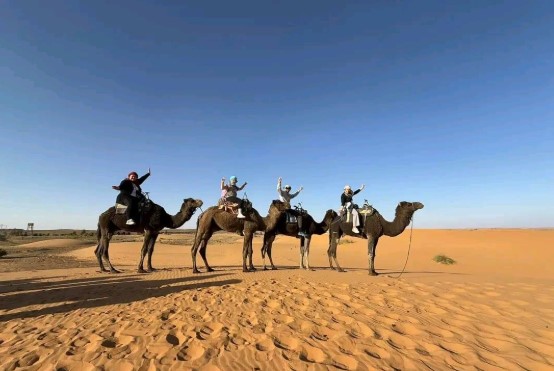
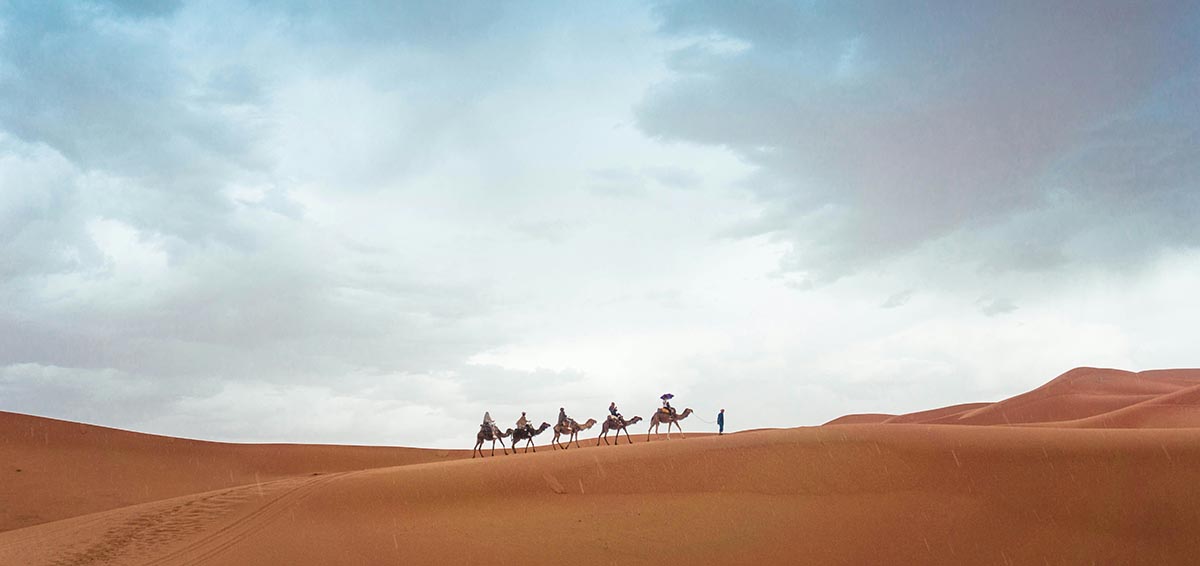
people riding camels across sand dunes

The Sahara Desert, stretching across North Africa, holds a magnetic allure that captivates travelers from around the globe. This mystical desert isn’t just a vast, sun-drenched sea of sand—it’s a treasure trove of breathtaking landscapes, rich cultural experiences, and unforgettable adventures. From towering dunes to ancient nomadic cultures, the Sahara Desert offers a unique travel experience that should undeniably be on every wanderer’s bucket list. Here’s why this exotic location stands out as one of the most desirable destinations for travelers seeking awe-inspiring landscapes and cultural immersion.

A Landscape Like No Other

The Sahara is the largest hot desert in the world, and its sheer scale alone is mind-boggling. Spanning over 3.6 million square miles, the Sahara stretches across multiple countries including Egypt, Morocco, Algeria, and Tunisia. This monumental landscape consists of towering sand dunes, rocky plateaus, gravel plains, and ancient riverbeds. Visitors to the Sahara Desert are often struck by its surreal beauty and its almost otherworldly landscapes that defy expectations.

Endless Seas of Dunes

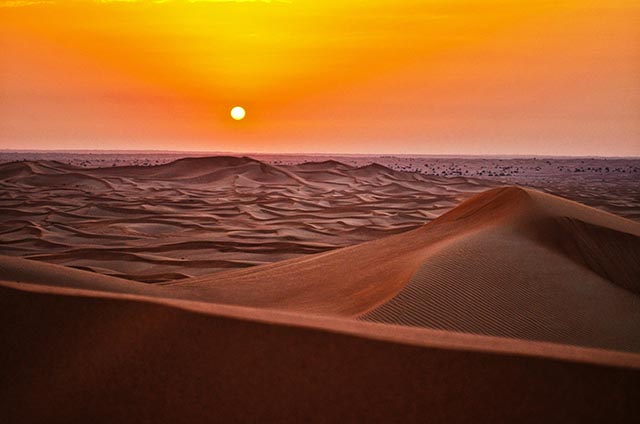
The towering sand dunes of the Sahara, some of which can reach up to 600 feet, are among the most iconic landscapes in the world. The Erg Chebbi dunes in Morocco, often explored on a 2 day desert tour from Marrakech, are especially famous for their golden sands and the mesmerizing shapes they form with the shifting winds. For many travelers, climbing one of these dunes to watch the sunrise or sunset over the desert is a once-in-a-lifetime experience. The changing colors of the sand as the light shifts create a visual feast that is absolutely unforgettable.

Hidden Oases and Rare Water Sources

Hidden amid the sand are pockets of greenery known as oases, where travelers can find date palms, small ponds, and a surprising variety of plant and animal life. The Siwa Oasis in Egypt, for instance, is a popular stop that provides a lush contrast to the desert. These oases are lifelines for nomadic communities and a testament to nature’s resilience in harsh environments. For travelers, they offer a serene, beautiful respite and an opportunity to explore some of the Sahara’s lesser-known ecological diversity.

Immersive Cultural Encounters

Beyond its landscapes, the Sahara Desert is also a living space, rich with culture and tradition. Indigenous groups such as the Tuareg and Bedouin have lived in the Sahara for centuries, adapting their lifestyles to one of the harshest climates on Earth. Many desert tours provide travelers with the opportunity to experience this culture firsthand.

Tuareg Hospitality and Traditions

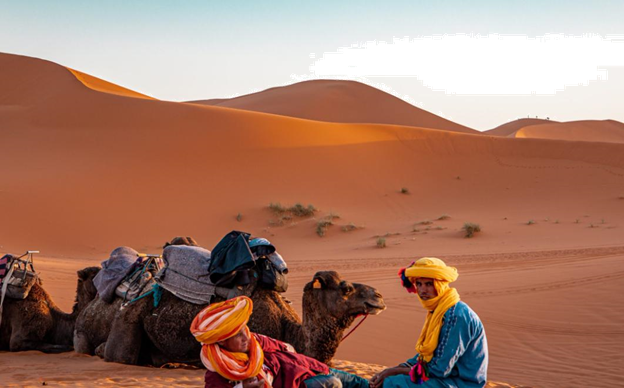
The Tuareg people, known as the “blue people of the desert” because of the indigo dye on their clothing, are one of the Sahara’s most distinctive ethnic groups. Visitors to the Sahara can spend time with Tuareg guides, learning about their unique way of life, listening to traditional music, and sampling authentic desert cuisine. Experiencing a Tuareg tea ceremony or camping under the stars with nomadic families offers travelers a deep and genuine connection to the Sahara’s heritage.

Moroccan Desert Markets and Handicrafts

Desert markets, or souks, are another highlight of a Sahara trip, particularly in Moroccan desert towns such as Merzouga. Here, travelers can purchase intricate handicrafts, rugs, jewelry, and leather goods made by local artisans. These vibrant markets are perfect for anyone interested in taking home a meaningful souvenir while supporting local communities. The colors, sounds, and scents of these markets are a sensory experience that immerses visitors in the local culture.

Desert Adventures in Sahara

For travelers with an adventurous spirit, the Sahara Desert is a playground of thrilling experiences. Its open expanse provides ample opportunity for outdoor activities that are both challenging and exhilarating.

Camel Trekking Through the Dunes

Camel trekking is the quintessential Sahara experience. Following ancient caravan routes, travelers ride atop camels through the sweeping dunes, experiencing the desert as people have for thousands of years. These treks, like the Marrakech to Fes desert tour 4 days, are often led by experienced guides and vary in length, with options ranging from a few hours to multi-day excursions. Camping overnight in the desert after a day of camel trekking allows for incredible stargazing and a chance to experience the vast, quiet beauty of the Sahara at night.

Sandboarding for the Thrill Seekers

If you’re a fan of snowboarding, then sandboarding might be right up your alley. Many desert tour operators offer sandboards for travelers to glide down the dunes. This sport provides an adrenaline rush and a novel way to interact with the landscape. The dunes of Erg Chebbi and Erg Chigaga in Morocco are especially popular for sandboarding.

4×4 Desert Safaris

For those who prefer a bit more speed, 4×4 desert safaris are another exciting option. In a sturdy off-road vehicle, travelers can navigate the challenging desert terrain and visit remote areas of the Sahara that are difficult to access by foot or camel. These safaris are often led by experienced drivers who know the desert terrain well, ensuring both safety and adventure.

Breathtaking Night Skies in Sahara Desert

The Sahara Desert is one of the best places in the world for stargazing due to its clear skies and lack of light pollution. The vast expanse of the desert creates an ideal setting to view constellations, planets, and even the Milky Way with remarkable clarity. Many tour operators provide telescopes and knowledgeable guides who can help travelers identify various celestial objects. Sleeping under the stars in the Sahara is a magical experience that adds a whole new dimension to desert exploration.

Perfect Timing for a Visit to Sahara

Timing is essential when planning a trip to the Sahara Desert. The best time to visit is typically between October and April, when temperatures are more manageable, especially during the day. During the cooler months, travelers can explore comfortably without the intense heat that makes summer desert travel challenging. Additionally, visiting during these months ensures that the nights will be cool, making camping and outdoor activities far more enjoyable.

Sustainable Tourism in the Sahara Desert

Traveling to the Sahara Desert also provides an opportunity to engage in sustainable tourism. Many desert tours are organized by local operators who prioritize environmental responsibility and support the local communities. By choosing responsible tour companies, travelers can help protect the fragile desert ecosystem and contribute positively to the region’s economy. This approach to travel ensures that future generations can continue to experience the wonder of the Sahara Desert.

FAQs

What makes the Sahara Desert a unique travel destination?

The Sahara Desert offers stunning landscapes, diverse cultural experiences with indigenous communities, and thrilling outdoor adventures such as camel trekking, sandboarding, and stargazing. Its unique combination of beauty and cultural heritage makes it a one-of-a-kind destination.

When is the best time to visit the Sahara Desert?

The best time to visit is from October to April, as the temperatures are cooler and more comfortable for daytime exploration and overnight stays in the desert.


Tagged With: sahara desert travel Filed Under: Africa Travel

Travel Essentials for Visiting Egypt’s Historical Landmarks

Sphinx and pyramid in Giza, Egypt

Visiting Egypt feels like walking through a real museum. Egypt is a land with vast deserts, big pyramids, and the winding Nile River. It has a rich history and impressive sights. If you’re looking at the Great Pyramid of Giza, visiting the Valley of the Kings, or enjoying the big temples in Luxor, being well-prepared can make your visit much better. Here’s a complete guide to important things you need and things to think about for your trip to Egypt’s historic sites.

Appropriate Clothing

Egypt has mostly hot and dry weather, and the sun is always shining. So, it’s very important to pack the right clothes.

  • Lightweight and Breathable Fabrics: Choose clothes made of cotton or linen because they are light and allow air to flow. These materials let air through and will help keep you cool. Long-sleeved shirts and long pants can shield you from strong sunlight and help you feel warm on chilly evenings.
  • Sun Protection: It’s important to wear a hat with a big brim and sunglasses. They protect your eyes from bright sunlight and help stop you from getting too hot. Also, a light scarf or shawl can help cover your neck and shoulders.
  • Comfortable Shoes: Since walking a lot is common when exploring Egypt, pick shoes that are comfy and provide good support for your feet. Sandals are common, but for long walks, strong walking shoes or hiking boots are usually better.
  • Custom Aloha Shirts: If you want something nice to wear that is also practical, think about bringing some custom Aloha shirts with you. They are lightweight, provide some sun protection, and add a fun tropical style to your clothes. Even though it’s not typical for Egypt, their bright patterns can make your travel pictures really stand out.

Sun Protection

  • Sunscreen: A strong SPF sunscreen is important to avoid getting sunburned. Choose water-resistant products, especially if you will be swimming or sweating.
  • Sunscreen: The Egyptian sun can be intense, so protecting your skin is crucial.
  • Lip balm with SPF: Your lips can get sunburned too. A lip balm with sunscreen will keep your lips safe and moisturized.

Abu Simbel temple

Hydration and Snacks

Visiting old sites can be tiring, and you might get thirsty quickly.

  • Reusable Water Bottle: Use a water bottle you can fill up again to drink water all day. Many places for tourists have water refill stations, and it’s important to drink a lot of water to prevent getting too hot or tired.
  • Snacks: Bring snacks that won’t go bad, like nuts, dried fruit, or granola bars. These can really help you out during long trips or when you need a quick energy lift.

Travel Documents and Money

It’s important to keep your travel documents and money safe and easy to reach.

  • Passports and Visas: Make sure your passport is valid for at least six months after you plan to leave. Most people traveling to Egypt will need a visa, which can usually be gotten online using the e-Visa system.
  • Travel Insurance: It’s a good idea to get travel insurance for any trip. It can protect you from unexpected things like medical emergencies or canceled trips.
  • Money and Cards: Bring some cash and a mix of credit or debit cards. Many places take credit cards, but small shops or areas that are far away might only take cash. It’s helpful to have some local money (Egyptian pounds) for small purchases and tips.

 Health and Safety Essentials

Taking care of your health and safety while traveling is very important.

  • First Aid Kit: A simple first aid kit should have band-aids, cleaning wipes, pain medicine, and any medicine you need from your doctor. It’s a good idea to use insect repellent, especially if you’re going to the countryside.
  • Hand Sanitizer: To stay clean, especially after going to places with few restrooms, always have a bottle of hand sanitizer with you.
  • Vaccinations: Ask your doctor about the vaccines you should get before going to Egypt. It is often recommended to get vaccinated for Hepatitis A, Hepatitis B, Typhoid, and Tetanus.

Electronics and Photography

To keep your memories and stay in touch, you need some basic electronic gadgets.

  • Camera: Egypt has beautiful sights, so having a good camera or a smartphone with a great camera is important. Don’t forget to bring extra memory cards and batteries.
  • Chargers and Adapters: In Egypt, the power outlets used are types C and F, and the standard voltage is 220V. Bring a universal power adapter and a portable charger to keep your devices charged.
  • Travel Guide Apps: Get apps or maps that work without the internet to help you find your way and learn about the historical places you are visiting.

Cultural Sensitivity and Etiquette

Following local customs and traditions makes your trip better.

  • Modest Clothing: Although Egypt is an easy place for tourists, it’s important to dress modestly to show respect for local traditions. This usually means you should have your shoulders and knees covered, especially when going to religious places.
  • Photography Rules: Always ask if you can take pictures of people, especially in small towns or rural places. Some places might not allow taking pictures.
  • Bargaining Skills: Trying to get a better price happens a lot in markets and bazaars. Go into it with a nice attitude and be ready to discuss and get the best price.

Conclusion

Visiting Egypt’s historic sites is a unique experience that lets you connect with history while enjoying amazing views of ancient landmarks. By packing carefully and getting ready, you can fully enjoy the amazing pyramids, beautiful temples, and lively culture of this wonderful country. Whether you’re wearing a special aloha shirt to add some style or making sure you have the right equipment for a day of exploring, every little detail helps make your adventure memorable. Have a great trip, and I hope your time in Egypt is just as amazing as the country.


Tagged With: Egypt landmarks Filed Under: Africa Travel

Beyond the Dunes: Family Adventures on a Marrakech Desert Tour

Marrakesh medina

Start a family adventure in the desert beyond Marrakech. Explore the busy medina, where old buildings and lively markets catch your eye. Enjoy tasty tagine dishes at shared meals, and practice haggling in colorful markets.

Travel through the beautiful Atlas Mountains and be amazed by the stunning cliffs of Todgha Gorges. Discover the pretty rose valleys and visit the ancient kasbah at Ait Ben Haddou.

Go deep into the Sahara for an unforgettable night in a traditional camp under the stars. There’s so much more to explore on this exciting desert tour.

Exploring Marrakech Medina

Walking through Marrakech Medina, you’ll find a UNESCO World Heritage Site full of historic buildings and lively markets.

Start your visit by seeing the Saadian Tombs, where you’ll be amazed by the detailed carvings and tombs.

Then, check out the grand El Badii Palace, which used to be a fancy royal home. For a quiet break, go to Jardin Majorelle, a peaceful garden.

As you explore the Medina, the busy markets will grab your attention with their colorful stalls and fun atmosphere. You’ll be entertained by street performers who play music and do acrobatics.

Make sure to try traditional Moroccan food at the cute cafes around the area, making your visit truly unforgettable.

Traditional Moroccan Cuisine

You’ll love the tasty flavors of traditional Moroccan food. Starting with the famous tagine dishes that are cooked with delicious spice mixes.

The special blend of spices makes a mix of tastes that will make you want more. Be sure to try these yummy dishes if you’re taking luxury desert tours from Marrakech.

Flavorful Tagine Dishes

When you explore traditional Moroccan cuisine, tagine dishes stand out for their rich, complex flavors and cultural importance.

These meals, cooked in a cone-shaped clay pot, are a must-try during any family trip to Marrakech.

Popular types include chicken with preserved lemons and olives, lamb with apricots and almonds, and hearty vegetable tagines.

The slow-cooking method blends the ingredients perfectly, creating a mix of sweet and savory tastes that will delight your taste buds.

Sharing a tagine meal is more than just eating, it’s a cultural experience that brings everyone together around a communal table.

It’s a tasty journey through Morocco’s food culture, great for making unforgettable family memories.

Aromatic Spice Blends

Discover the amazing flavors of Moroccan food with spice blends like Ras el Hanout, Baharat, and Harissa. These spices make dishes taste incredible.

After an exciting day in the desert riding camels and quads, you’ll enjoy a lunch that feels like an adventure.

Ras el Hanout, made with more than 20 spices, will make your meal special as you look at the Atlas Mountains.

Baharat’s warm spices, like cinnamon and nutmeg, make both savory and sweet dishes unforgettable.

Harissa, a spicy chili paste, adds a kick if you like bold flavors. These spices make your meal as thrilling as your desert adventures.

Shopping in Bustling Markets

Walking through Marrakech’s busy markets, you’ll find a lot of traditional Moroccan goods and crafts, perfect for any shopper.

These colorful markets are filled with spices, leather items, fabrics, ceramics, and unique souvenirs. Each stall shows a bit of Morocco’s rich culture and skills.

Don’t forget to practice your bargaining skills; haggling is an important part of the shopping experience here.

In the evenings, Jemaa el-Fnaa Square turns into a lively market, where you can enjoy street food and watch performers.

Exploring these markets lets you experience the local way of life, making your shopping trip both fun and culturally interesting.

Atlas mountains

Journey Through the Atlas Mountains

As you travel through the Atlas Mountains, you’ll cross the amazing Tizi N’Tichka pass, which has stunning views and is an exciting drive.

This beautiful route through the High Atlas Mountains shows you Morocco’s different landscapes and rich culture.

In the sweet-smelling Rose Valley, you’ll see blooming roses and pretty scenery.

Keep going through the Middle Atlas Mountains, where you’ll find charming villages and varied terrain.

Make sure to visit Ait Ben Haddou, a UNESCO World Heritage Site known for its well-preserved kasbah and historical importance.

Each stop brings you closer to the unique culture and natural beauty of the Atlas Mountains, making your trip an unforgettable experience.

Marveling at Todgha Gorges

When you look at the amazing rock formations of Todgha Gorges, you’ll find exciting hiking trails that take you through this natural wonder.

The tall limestone walls aren’t just a sight to see but also teach you about the local Berber culture.

Take a moment to enjoy the calm atmosphere and green palm oases around you.

Breathtaking Rock Formations

The Todgha Gorges are located in the eastern High Atlas Mountains. These amazing rock formations are really tall, reaching up to 985 feet high.

When you visit this natural wonder, you’ll be amazed by the huge canyon walls that nature has carved over thousands of years.

This beautiful place is perfect for outdoor activities and is especially popular with rock climbers from all over the world.

The narrow gorge makes a stunning backdrop for your adventures.

Whether you’re climbing the cliffs or just enjoying the awesome views, the Todgha Gorges will give you an unforgettable experience.

The dramatic landscapes and tall rock formations make this a must-see place on your Marrakech Desert Tour.

Thrilling Hiking Trails

The Todgha Gorges offer some of the most exciting hiking trails in the area.

As you walk, you’ll go through narrow canyons made by the Todgha River, with the tall cliffs of the High Atlas Mountains all around you.

Rock climbers come here because the climbing paths are tough and the views are amazing. You’ll see cool rock shapes that make each step fun.

At the bottom of the gorges, there’s a green oasis that feels refreshing compared to the rocky land.

Exploring these trails lets you learn about the local Berber culture too, which makes your adventure even more interesting.

It’s an experience that every hiker will remember.

Local Berber Culture

Experience the lively Berber culture around the Todgha Gorges, where you can see traditional Moroccan life in the nearby villages.

Located in the High Atlas Mountains of Morocco, the Todgha Gorges offer more than just beautiful views.

You can visit the local Berber villages to see how people live and maybe even join in their daily activities.

Merzouga Desert Experience

When you visit the Merzouga Desert, you’ll be amazed by its beautiful sand dunes and the many fun activities you can do.

You can start with a family-friendly desert tour and ride camels across the golden sands of the Sahara Desert.

Feel the excitement of riding quadbikes as you zoom through the big dunes.

After a day of fun, you can relax at a luxury camp in the middle of the Merzouga desert.

Here, you can learn about the local culture by meeting nomadic families and enjoying traditional Gnawa music.

The Merzouga Desert offers a great mix of adventure and learning about new cultures, making it an unforgettable experience for the whole family.

Overnight in a Sahara Camp

Stay in a magical desert camp and spend a night under the stars in the Sahara Desert. On your trip from Marrakech, you’ll stay in a camp that mixes comfort and tradition.

Enjoy Berber culture with their music, dance, and food. The camp is both fancy and traditional.

In the morning, you’ll see amazing desert views and feel peace. Try fun desert activities like riding camels and sandboarding.

At night, look up and see the beautiful, clear sky full of stars. Your night at the Sahara camp will be an unforgettable adventure filled with culture.

Wrapping Up

After you leave the golden sands and busy streets of Marrakech, you feel deeply connected to Morocco’s rich culture. Did you ever think such different adventures could be in one trip?

From the crowded Medina to the peaceful Sahara, you’ve made amazing family memories. This isn’t just a trip, it’s a story you’ll remember forever.

So, what’s your next adventure? The world is waiting.


Tagged With: Morocco attractions Filed Under: Africa Travel

Respecting the Sands: A Guide to Desert Etiquette in Morocco

camels in Morocco desert

Exploring Morocco’s deserts means you need to be respectful of both the culture and the environment. Always take your trash with you and camp only in specific areas to protect the delicate ecosystem. Wear modest, loose, and breathable clothes, and bring a scarf to protect yourself from the sun.

Save water by taking shorter showers and using eco-friendly products. Use sunscreen, wear a hat, and choose closed-toe shoes. Greet people with ‘salaam alykum,’ and cover your shoulders, arms, and legs to respect local customs. Follow these tips to stay safe and honor both the traditions and the environment.

Learn more to make your visit even better.

Leave No Trace

When exploring the Moroccan desert, always take your trash with you to keep the environment clean.

Make sure to throw away waste properly and don’t litter so you can help keep this beautiful place looking nice.

The desert in Morocco has sensitive plants and animals, so don’t mess with their homes.

Stay on marked trails and camp only in designated areas to reduce your impact on the land. This helps protect the fragile desert.

Learn about local rules and guidelines for desert conservation before you go. By following these tips, you’ll help keep the desert beautiful and untouched for future visitors.

Always remember, that leaving no trace is important for sustainable desert tours in Morocco.

Dress Appropriately

When dressing for the Moroccan desert, choose loose-fitting clothes that cover your arms, knees, chest, and back to stay comfortable and respectful.

Wear lightweight, breathable fabrics to keep cool.

Also, cover your head and shoulders with a scarf or shawl to protect yourself from the sun and show respect for the local culture.

Modesty and Comfort Combined

To respect local customs and stay comfortable in Morocco’s desert, wear loose-fitting, breathable clothing that covers your shoulders, knees, and chest. It’s important to dress modestly to show respect for local traditions.

Choose lightweight fabrics like cotton or linen, which are great for the hot and dry climate.

Women can wear long skirts or pants, and men should pick long trousers and shirts to fit in with local clothing styles.

Avoid tight or revealing clothes, since they can be seen as disrespectful to the conservative culture. By following these tips, you’ll respect Moroccan customs and stay comfy in the desert.

Sun Protection Essentials

When you dress for comfort, make sure your clothes also protect you from the sun in Morocco’s desert.

Wear loose, light-colored clothes that cover your skin to protect against the strong sun.

Include a wide-brimmed hat, sunglasses, and high-SPF sunscreen in your sun protection essentials to follow desert etiquette.

A scarf or shemagh can protect your face and neck from blowing sand and dust. Choose breathable, moisture-wicking fabrics to stay cool and comfortable in the desert heat.

Closed-toe shoes are important to guard your feet against hot sand and sharp rocks.

These clothing tips will help you stay safe and respectful in the desert, making sure you’re well protected from the elements.

Conserve Water

When you’re in the Moroccan desert, it’s important to save water.

Take shorter showers, reuse water if you can, and try dry cleaning methods.

This helps protect the limited water supply and shows respect for local efforts to be sustainable.

Limit Shower Time

When you’re traveling in Morocco’s desert areas, it’s really important to take shorter showers. This helps save water because there isn’t much of it in the desert.

By taking quick showers, you waste less water and help protect the environment. In places where water is hard to find, every drop matters.

Reuse Water Resources

Saving water in Morocco’s desert means finding ways to use it more than once. Use less water when washing dishes, clothes, and yourself, as this helps save a lot of water.

Use biodegradable products to reduce water pollution and protect the desert.

After washing, use that leftover water to water plants or clean around your campsite. Take quick showers instead of long baths to save water. Think of creative ways to make every drop count.

Opt for Dry Cleaning

To save water in Morocco’s desert, you can use dry cleaning methods like sand-blasting to clean your clothes without using water.

Sand-blasting uses a high-pressure air compressor to blow dirt and sand off clothes. This is very useful in places where water is hard to find.

By choosing dry cleaning, you help save water, which is very important in these areas. Desert travelers and nomads use this method to stay clean without wasting water.

Using dry cleaning is a smart way to travel responsibly in Morocco’s desert. Try this method to help protect the desert’s delicate balance.

people at fire in Morocco desert

Respect Local Customs

When you visit the desert in Morocco, it’s important to respect local customs. Greet people with ‘salaam alykum’ and dress modestly. Use traditional phrases to be polite and friendly.

Make sure your clothes cover your shoulders, arms, and legs to fit in with local expectations. This shows respect and helps you blend in better with the community.

Avoid public displays of affection because they can be considered inappropriate. Always take off your shoes when you go into homes or mosques to honor local customs.

This small gesture shows you respect their traditions. Be careful not to litter or harm the environment.

By following these practices, you’ll show genuine respect for Moroccan culture and its people.

Mind Cultural Differences

When you visit the Moroccan desert, it’s important to understand and respect the local culture.

The people in this area value modesty, so make sure to cover your shoulders and knees. This shows respect and helps you fit in better.

The desert is also very special to many Moroccans, so treat it with care and follow local rules. By doing these things, you’ll have a better experience and help keep Moroccan traditions alive.

Sustainable Travel Practices

Follow these simple tips to protect Morocco’s desert beauty and culture.

  • Always carry reusable items and throw away trash properly to reduce waste.
  • Try eco-friendly activities like glamping and sandboarding to keep the desert ecosystem safe.
  • Choose places to stay that use renewable energy, which helps the environment.
  • Respect local customs and traditions to keep the cultural heritage alive.
  • Water is scarce in the desert, so be careful with how much you use.
  • Buy local goods to support fair trade and help the local economy and environment.

Wrapping Up

Respecting the sands in Morocco means more than just enjoying the view; it means protecting this beautiful place. Dress properly, drink carefully, and don’t disturb anything.

Learn about and follow local customs, and show respect for cultural differences. Taking care of these steps will help keep these lovely places intact.

By practicing good desert etiquette, you’re not just a visitor, you’re a caring protector of this amazing landscape. Let’s make sure the desert is as wonderful when we leave as when we arrived.

Safe travels!


Tagged With: Morocco desert Filed Under: Africa Travel

A Guide to the Best Wildlife Safari Destinations in Africa

Tourists on a safari seeing an elephant.

Like many travel enthusiasts, I’m always looking for new and exciting things to explore. On my journeys, I’ve had the pleasure of seeing some of the most magnificent places on earth. However, there’s always been one region that stood out to me: Africa. I’ve always been in awe of its rich wildlife and diverse landscape. After several journeys to various countries, I’ve compiled a list of the best wildlife safari destinations in Africa. Whatever you choose from this list, you can’t go wrong!

Tanzania

The Serengeti National Park, which is situated in the northern region of Tanzania, is one of the most popular wildlife safari destinations in Africa. This is precisely why I picked it for my first safari and why you should consider making it your first safari too.

Undoubtedly, one of Serengeti’s most popular attractions is the yearly wildebeest migration. This fantastic display is a natural monument to the flexibility and resiliency of African animals. It might not seem like much on paper, but it’s truly a wonder to witness in person.

However, the wildebeest aren’t the only attraction out there. The Serengeti is home to many other animals, like lions, cheetahs, elephants, and many others. So, whether you’re an expert wildlife photographer or a nature lover, the Serengeti should be a must-visit location.

I suggest a guided game drive if you want to explore the park and get close to the animals. On the other hand, there’s also an option of taking a hot air balloon flight. While it may seem unimpressive, I suggest considering this option as well. It offers fantastic views of the park and its surroundings, and the experience is unmatched.

Herd of wildebeest crossing a road.
The wildebeest migration is what makes safari in the Serengeti so high up on my list of best wildlife safari destinations in Africa.

Kenya

After having such a great time on a safari in Tanzania, I quickly decided Kenya was going to be my next safari adventure. For starters, the whole concept of safaris actually started in Kenya. And the word “safari” itself is actually Swahili for “travel.” Considering that and the fact that Kenya’s safari business is the most professional in all of Africa, it really wasn’t a competition for me.

When planning a trip to Kenya, I quickly decided I’ll visit Maasai Mara National Reserve, one of the most popular destinations for wildlife viewing in the country. The first thing you hear about this reserve it’s how huge it is, spanning over 1,500 square miles. Much like the Serengeti, the Maasai Mara is also famous for its annual wildebeest migration. It’s also one of the best places to visit in Africa if you want to see the Big Five (lion, leopard, rhinoceros, buffalo, and elephant). However, this migration takes place between July and October, so I accidentally missed it by going in May.

One of the distinctive features of the Maasai Mara is the near proximity of the Maasai people, an ethnic indigenous community that has lived in the region for millennia. I strongly suggest visiting a Maasai community or taking a tour to learn more about their culture and way of life. It’s been, by far, my favorite part of this trip.

An aerial shot of Victoria Falls.
When visiting Zimbabwe, don’t miss the opportunity to see Victoria Falls.

Zimbabwe

I’d heard a lot about Zimbabwe before my trip. However, nothing I’ve heard could live up to my experience in this beautiful country. Of course, I visited the Hwange national park for my wildlife safari in Zimbabwe. Aside from the nature and beautiful wildlife, one thing that stood out the most was how kind everyone was on my trip. It was one of the most pleasant stays in all my travels.

Hwange itself was excellent too. It’s mainly known for its large elephant population, which did not disappoint. Aside from that and the bird watching, the safari was pretty much the standard: lions, leopards, etc.

Ultimately, during my visit to Zimbabwe, I couldn’t limit myself to only one destination. So, a few days before my flight back home, I visited Victoria Falls. There are no words in this world that can describe the beauty of that place. So, although I didn’t go on a safari there, I can’t recommend it enough.

Morocco

To be perfectly honest, I wasn’t totally sold on the idea of desert safari the time I visited Marrakech. It wasn’t supposed to be a safari trip at all. But then, my travel companion booked it before I had a say in it. And, boy, did I not regret it.

Although it’s a rough area, it’s also stunning to see. When going on a desert safari, you have the option of taking a camel or four-wheel vehicle. While the camel may seem more authentic, I personally am very glad we didn’t choose that option.

Perhaps one of the highlights of our safari was the trip to the Toubkal National Park in the Atlas Mountains. The park is home to a broad range of animals, including hyraxes, Barbary macaques, and several bird species. In order to explore the park and get up close to the wildlife, we had to hike.

People on camels in the middle of the desert.
Desert safari is much different from other types of safari, but it’s just as worth it.

If You Go

Pick the right time of year. Because different parks and countries have different peak seasons, it’s crucial to plan your trip around what you want to see and do.

Choose the right kind of safari. There are many different kinds of safaris, including walking safaris, driving safaris, and camping safaris. When selecting your safari, think about the kind of experience you want. I personally always prefer driving, but I had so much fun hiking in Marrakech.

Establish a budget. It’s crucial to set aside money for a safari in advance and select a package that meets both your demands and financial constraints.

Pack sensibly. Make sure to prepare for the safari type and climate you will be experiencing. Be sure to bring clothing that will shield you from the sun, insects, and other environmental dangers.

Final Thoughts

These are only some of the best wildlife safari destinations in Africa. However, I’m in no way finished with this list, as I’m already getting ready for my next trip. In the end, no matter which destination you choose, even if it’s not on my list, a wildlife safari in Africa is sure to be an unforgettable experience. So pack your bags, grab your camera, and get ready for an adventure of a lifetime!

About the author:
Sarah wilderSarah Wilder is a wildlife enthusiast with a passion for writing. She has spent more than ten years traveling around Africa and has a great appreciation for the animals and people of this fascinating and stunning continent.  When she’s not traveling, Sarah is writing for armovingco.com from the comfort of her home in California.


Browse Africa Safari Tours Now Available

Tagged With: africa safari Filed Under: Africa Travel

  • « Previous Page
  • 1
  • 2
  • 3
  • 4
  • 5
  • …
  • 11
  • Next Page »

MORE TRAVEL STORIES:

A Journey Across Malta’s Ancient Temples and Fortresses

France: Aigues Mortes

Italy: The Venice-Munich Road

Discovering St. Maarten In The Bahamas

Moscow Sculptor Zurab Tsereteli

Savoring Cooking Experiences in Asia

Death and Dolce in Italy’s Dolomites

Top 5 Best Treks in Nepal


SEARCH

DESTINATIONS

  • Africa Travel
  • Antarctica travel
  • Asia Travel
  • Australia travel
  • Caribbean Travel
  • Central America Travel
  • Europe Travel
  • Middle East Travel
  • North America Travel
  • Oceania Travel
  • South America Travel
  • Travel History
  • Travel News
  • UK Travel
  • Uncategorized
  • World Travel
facebook
Best Travel Blogs - OnToplist.com

Copyright © 2026 Cedar Cottage Marketing | About Us | Contact | Privacy Policy | Terms & Conditions | Copyright Notice | Log in