From a Norman fortress to a Victorian market hall, London’s oldest quarter keeps its history stacked beneath your feet
Written by Mike Hansky
The City of London does not look like a place that cares much about the past. On a weekday it belongs to people in lanyards walking fast, to glass towers with nicknames like the Gherkin and the Walkie-Talkie, and to the hum of a financial district that never quite switches off. But this square mile is where London began. The Romans built their town of Londinium here, and almost every century since has left something behind, often in the most unlikely places.
I don’t live in London, but I visit often, and over several trips I’ve found that the best way to understand the City is to follow its history in order, one building at a time. Four places tell the story better than any others I know: a Norman fortress, a medieval town hall, a cathedral that rose from the ashes of the Great Fire, and a Victorian market built on top of the Roman forum.
The Tower: A Fortress Built to Impress
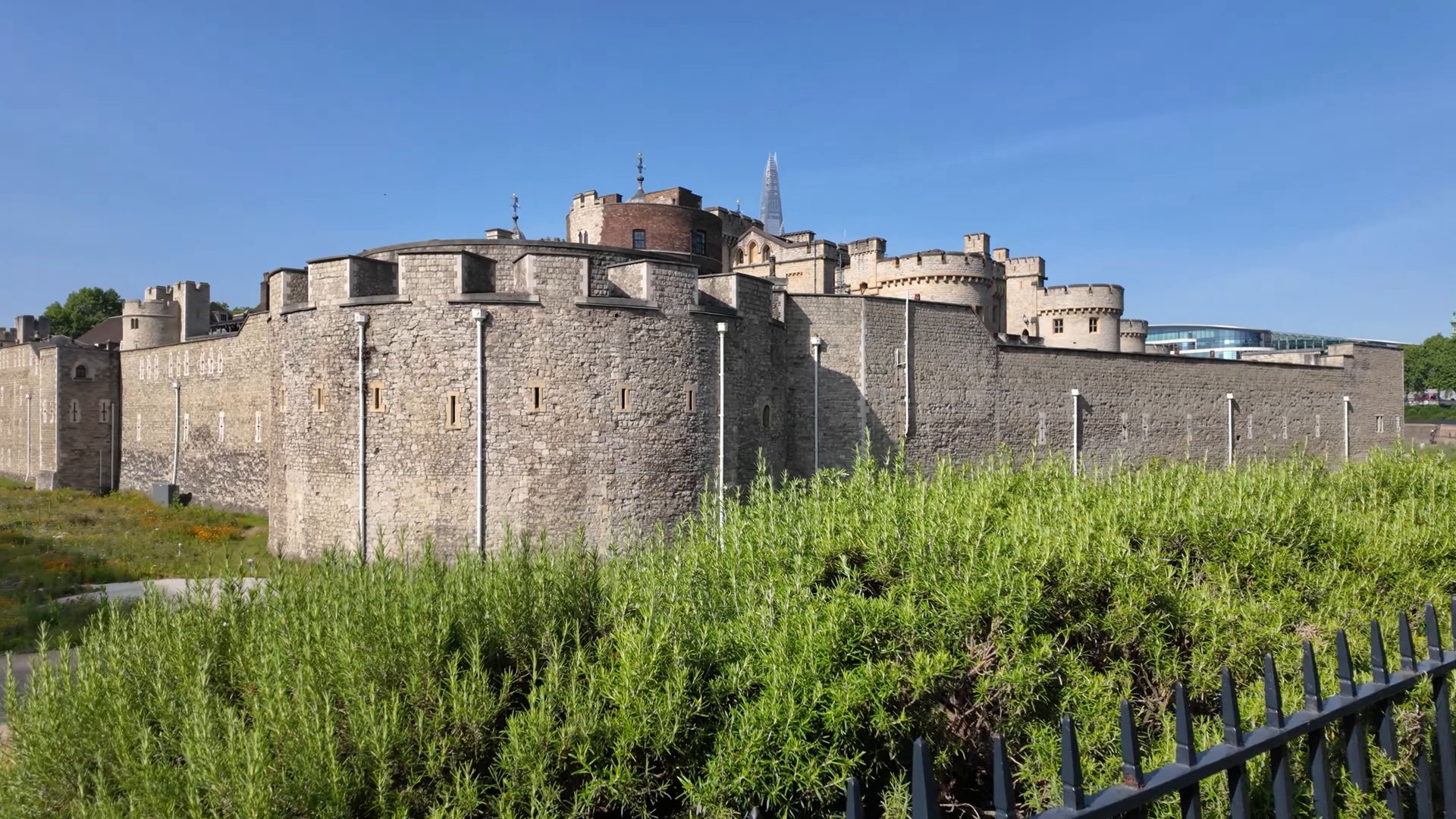
The story starts on the City’s eastern edge, at the Tower of London. According to Historic Royal Palaces, the White Tower at its heart was built between 1078 and 1100 by William the Conqueror, to awe and subdue Londoners and to deter foreign invaders. Nearly a thousand years later, it still does a good job of looking formidable.
I didn’t buy a ticket. Instead, I walked the path that runs along the outside of the moat, looking up at the curtain walls and round towers with the White Tower’s turrets rising behind them. I expected crowds and noise. What I found was a surprising stillness, as if the old stone and the grassy moat kept the rest of the city at arm’s length. It was a good way to take the place in without buying a ticket, and to appreciate just how much it would have dominated the medieval skyline.
If you do go in, the ticket includes the Crown Jewels, the White Tower and a Yeoman Warder tour. Historic Royal Palaces recommends allowing at least three hours and notes that afternoons are quieter. Even without a ticket, Tower Wharf, the riverside walkway outside the walls, is free to walk and open daily from 7am to 7pm.
Guildhall: Where the City Ran Itself
From the Tower, the City’s medieval heart is a short walk west. Guildhall has been the center of the City’s government since the Middle Ages, and the present building was begun in 1411. According to the City of London Corporation, it survived both the Great Fire of 1666 and the Blitz, and it is the only secular stone structure dating from before 1666 still standing in the City. It is still a working building, used for state and civic banquets and for meetings of the Court of Common Council.
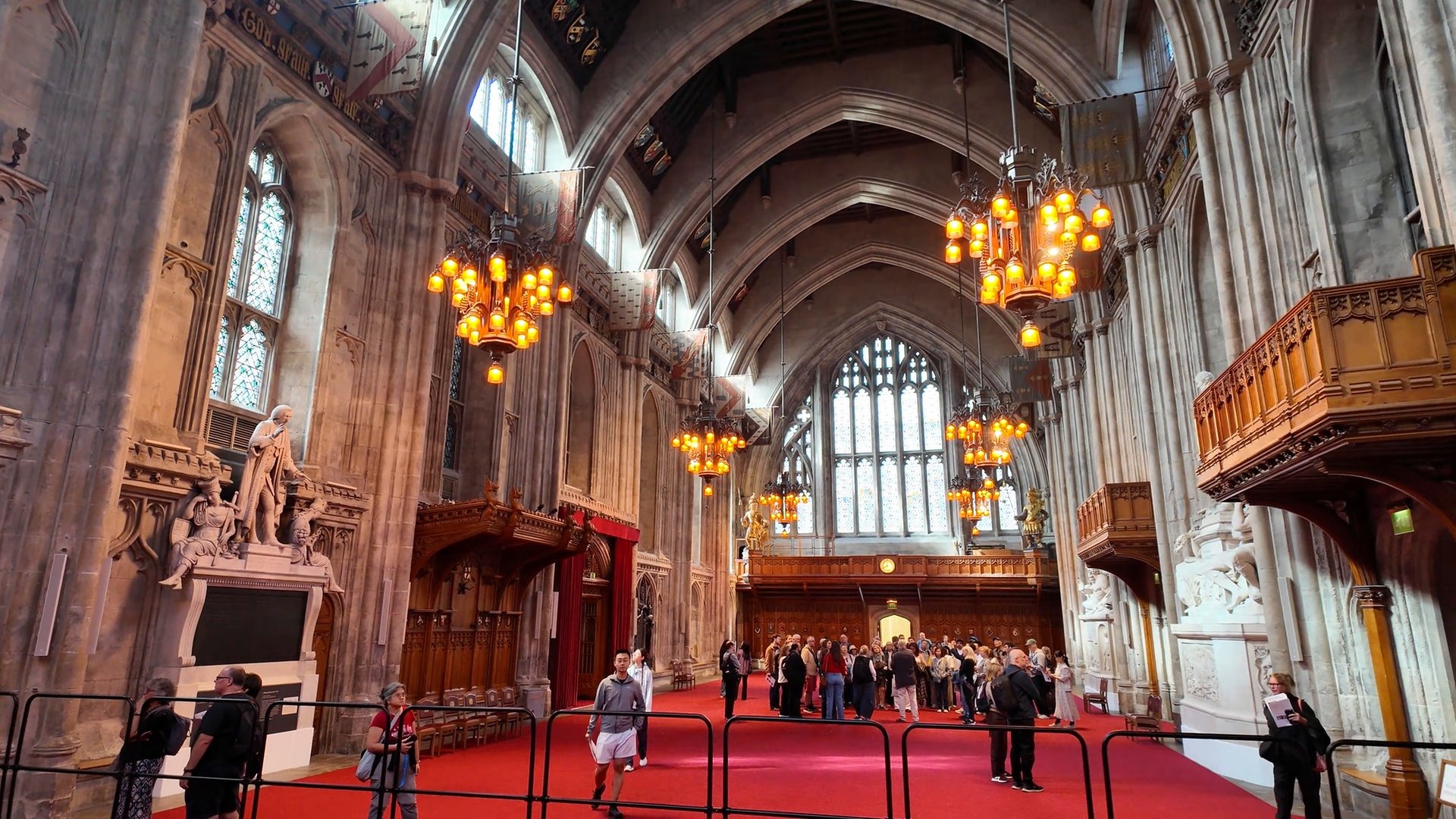
The Great Hall is not usually open for casual visits, so I went in during Open House London, when buildings that are normally closed open their doors to the public. I had expected it to feel solemn. Instead, the glowing chandeliers hanging from the Gothic vaulted roof made the vast stone hall feel warm. Small groups of visitors gathered along the red carpet beneath the great east window.
Whatever you do, look up, because high on the walls hang the banners of the City’s livery companies, and they are easy to miss if you only look at eye level.
The history goes deeper still. In 1988, archaeologists working on the site of the new Guildhall Art Gallery rediscovered the walls of London’s Roman amphitheater, where crowds once watched gladiatorial combats. You can step down into the remains, and admission to the gallery and the amphitheater is free.
St Paul’s: The Cathedral That Rose From the Ashes
If the Tower and Guildhall show the medieval City, St Paul’s Cathedral shows what came after the disaster that nearly erased it. The Great Fire of London destroyed Old St Paul’s in 1666. Christopher Wren was appointed to rebuild it in 1668, the first service was held in the Quire in 1697, and Parliament declared the new cathedral officially complete on Christmas Day 1711. According to the London Museum, it took 35 years to build, a relatively short time for a cathedral of that size, which meant that one architect could see it through from start to finish.
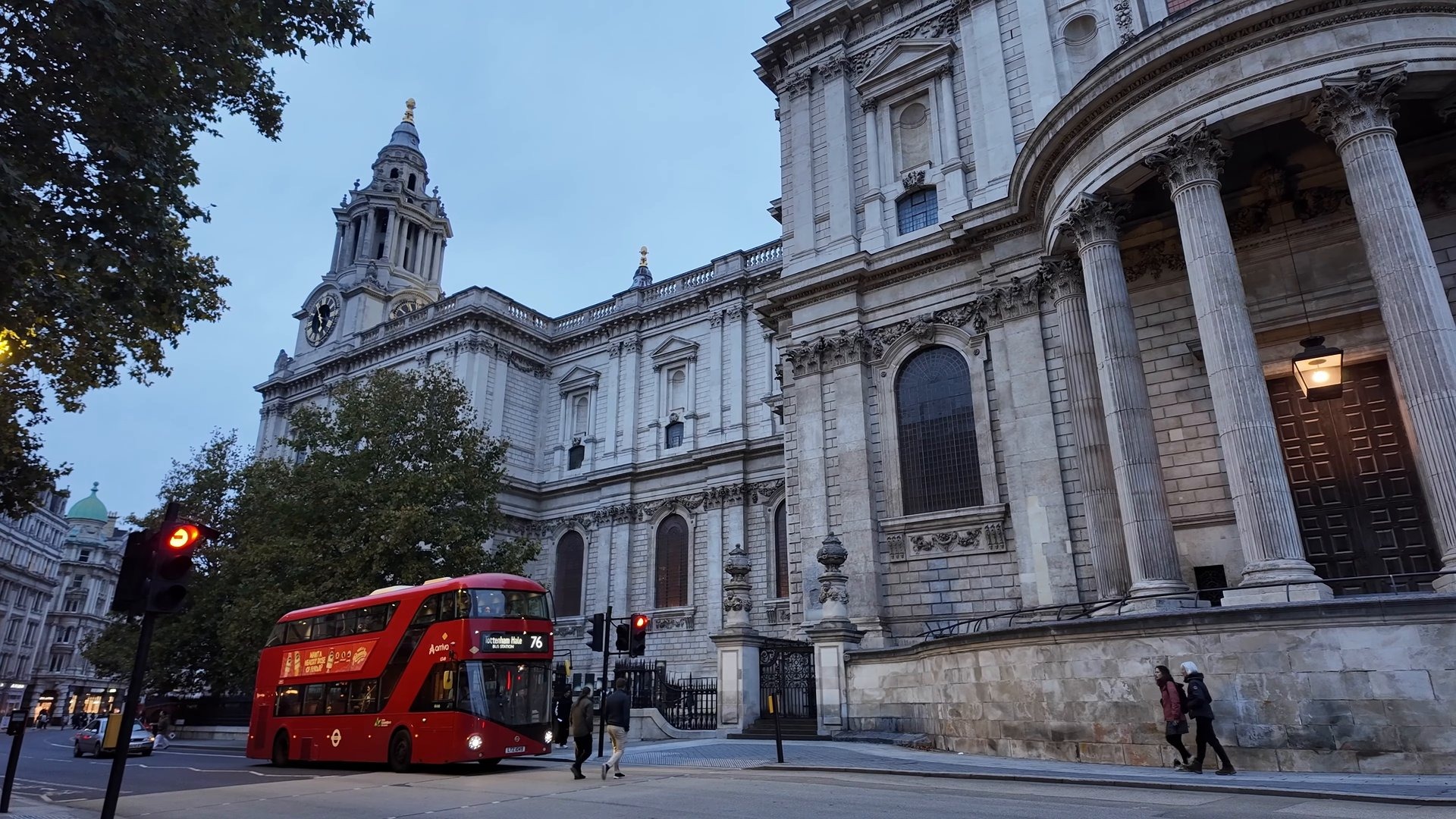
I’ve seen St Paul’s in bright daylight, but the visit I remember was at dusk. The street lamps had just come on, a red double-decker bus rolled past below the west towers, and the white stone had turned a cool, quiet gray. I loved it more that way than in full sun.
If you want to see the inside without paying for a sightseeing ticket, go to a service. The cathedral’s own website says Choral Evensong is free and unticketed, held most days at 5pm and at 3pm on Sundays, and lasts around 45 minutes. It is also a chance to hear the cathedral choir.
Leadenhall Market: Victorian Glamour Over a Roman Forum
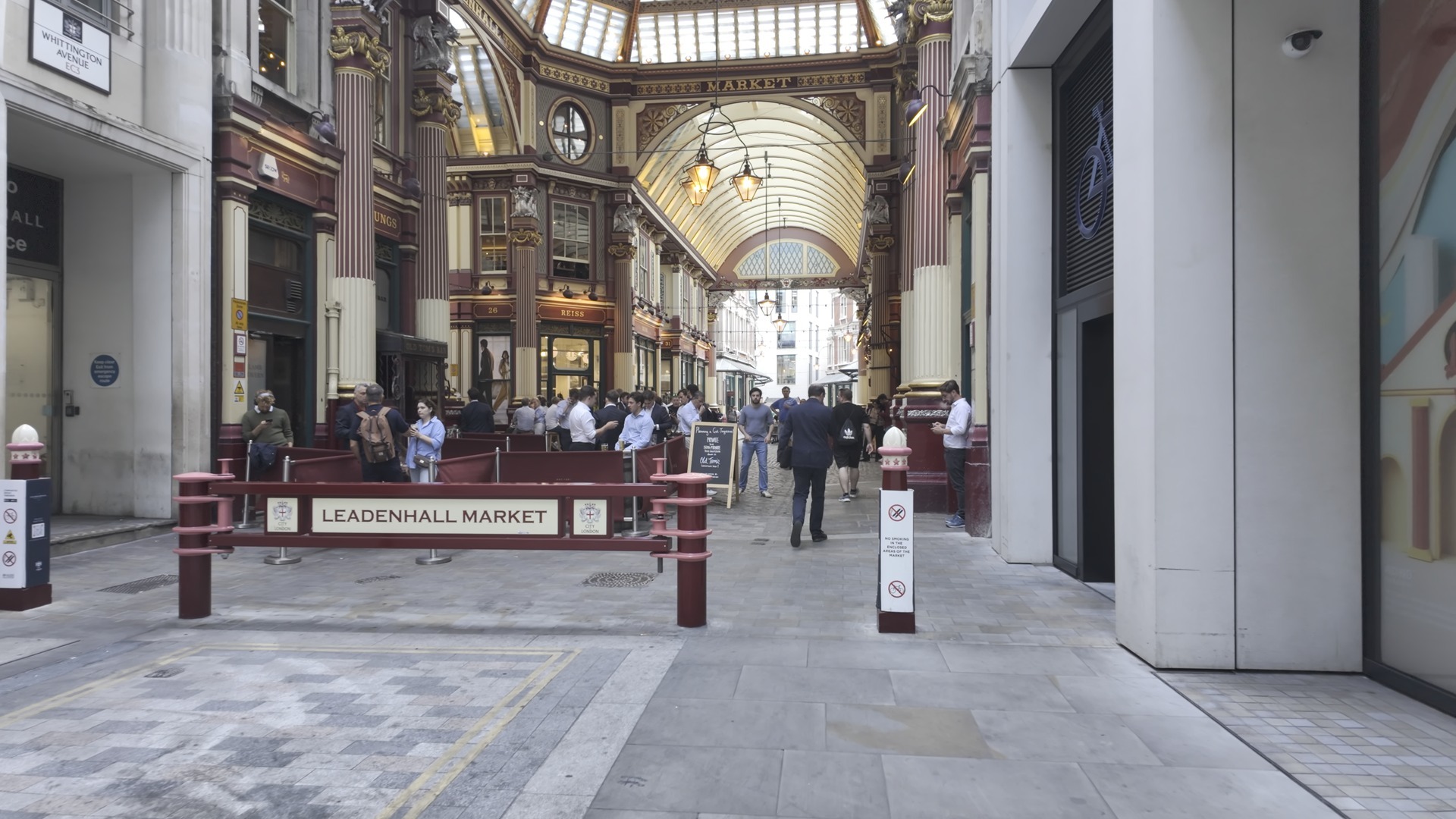
The last stop is the one that ties the whole story together. Leadenhall Market’s own history page says the market dates back to 1321 and stands in the very center of Roman Londinium, on top of the remains of the forum and basilica. Around AD 100, the Romans rebuilt the forum into the largest basilica forum north of the Alps. The ornate wrought iron and glass building you walk through today, painted in maroon and cream and hung with lanterns, was designed by Horace Jones and dates back to 1881.
I came just after office hours, which I’d recommend. As the working day ended, City workers spilled out of the pubs and stood under the painted roof with their pints, filling the arcade with conversation. After the stillness of the Tower and the hush of St Paul’s, it felt like walking into a small party. It was also a reminder that people have been gathering on this spot to trade, argue and drink for close to two thousand years.
If you want more of that story, this site’s travel guide to the City of London told through its history and its tables follows the City’s food history from Londinium to the coffee houses. And if Roman Britain is what draws you, Bath’s Roman story makes a natural next trip.
If You Go
Getting there: The City is compact and easy to explore on foot. Tower Hill and Bank stations serve the eastern side, and St Paul’s station is the nearest to the cathedral. I’ve marked these four places, along with Roman ruins, Wren churches and rooftop gardens, on my City of London map.
Tower of London: Adult tickets cost £38 (with an optional donation on top), and children aged 5 to 15 cost £19, at the time of writing. Last entry is usually 4:30pm. Tower Wharf is free and open daily, 7am to 7pm.
Guildhall: The Great Hall can be visited on monthly guided tours run by the City of London Guides, which must be booked in advance, or during Open House London. It can close at short notice for civic events. Guildhall Art Gallery and the Roman amphitheater are free and usually open daily, 10am to 5pm.
St Paul’s Cathedral: Open for sightseeing from 8:30am Monday to Saturday. Adult sightseeing tickets cost £27 at the time of writing. Services, including Choral Evensong, are free. Bags larger than 45 x 30 x 25cm are not allowed, and there is no cloakroom.
Leadenhall Market: The public areas are open 24 hours a day. Shops, bars and restaurants set their own hours, and the market is liveliest on weekday evenings after work.
When to go: Weekdays bring the City to life, while weekends are much quieter and some places close. Check opening times on the official websites before you go, since all four sites can change their hours for events.
About the Author:
Mike Hansky is a travel writer who visits London often and writes about its history, neighborhoods and walks at https://mikehansky.substack.com/. He is also the co-founder of London Tourist Map, a free interactive map of the city’s sights.
Photo credits: All photos by Mike Hansky.
Photo key:
- The Tower of London’s curtain walls and round towers above the grassy moat, with the White Tower behind (feature image)
- Chandeliers and livery banners in the Great Hall of Guildhall during Open House London
- St Paul’s Cathedral at dusk, with a red double-decker bus passing below
- The Victorian entrance to Leadenhall Market after office hours