Travel Thru History

Historical and cultural travel experiences

  • Home
  • Airfare Deals
  • Get Travel Insurance
  • Writers Guidelines

Exploring Florida’s Hidden Gems: Travel Destinations and Relocation Hotspots

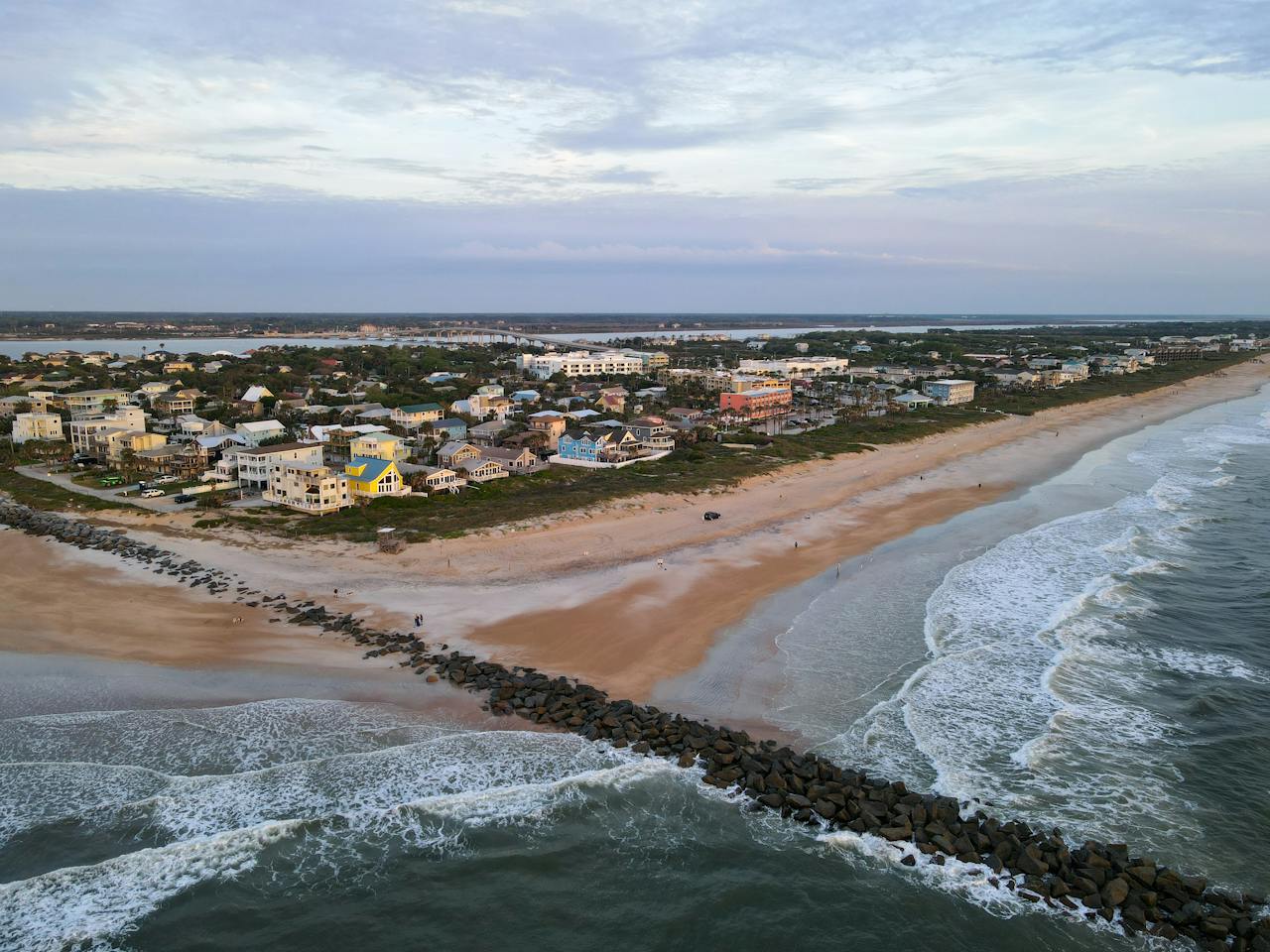
St. Augustine Beach, Florida.

Whether you’re traveling for a vacation or looking for a new home, Florida is a state that offers a lot. With its year-round sunshine and mild winters, residents can enjoy outdoor activities and beautiful landscapes throughout the year. The state’s diverse geography, featuring some of the finest beaches in the world, lush forests, and crystal-clear springs, offers endless opportunities for exploration and outdoor recreation. These natural wonders also make Florida one of the best places for good staycation spots, perfect for those looking to relax without straying too far from home.

Boca Raton

Boca Raton is famous for its Mediterranean and Spanish Colonial Revival architectural themes. Interestingly, the city has strict development codes, including a ban on billboards and a general avoidance of chain stores in the city center, to maintain its unique aesthetic. Boca Raton is home to Florida Atlantic University (FAU), a major public university that significantly contributes to the city’s culture and economy. The university also operates the FAU Stadium, which hosts various sporting events.

If you are pursuing a career in tech, this is the right place for you. The city is a hub for technology companies, particularly in the software and biotechnology sectors. After work, you will have plenty of places to relax. Boca Raton has several parks and beaches, including Red Reef Park and the Gumbo Limbo Nature Center.

Cape Coral

The city’s warm climate and recreational water activities make Cape Coral an amazing place to live. The city is divided into four quadrants (NW, NE, SW, SE) and has a unique grid system for its streets, making navigation straightforward. The Cape Coral Parkway and the Midpoint Memorial Bridge are significant transport routes connecting the city to neighboring Fort Myers. Cape Coral also hosts the annual Cape Coral Festival of the Arts, attracting over 100,000 visitors and showcasing artists and craftspeople.

Sun Splash Family Waterpark, the largest waterpark in Southwest Florida, is a notable attraction, especially for families. The city’s ecological environment includes the Sirenia Vista Park, known for manatee sightings, and the Rotary Park Environmental Center, which offers nature trails and bird watching. Cape Coral’s economy is primarily driven by health care, retail, and real estate industries. The Cape Coral Farmers’ Market offers local produce and artisan products.
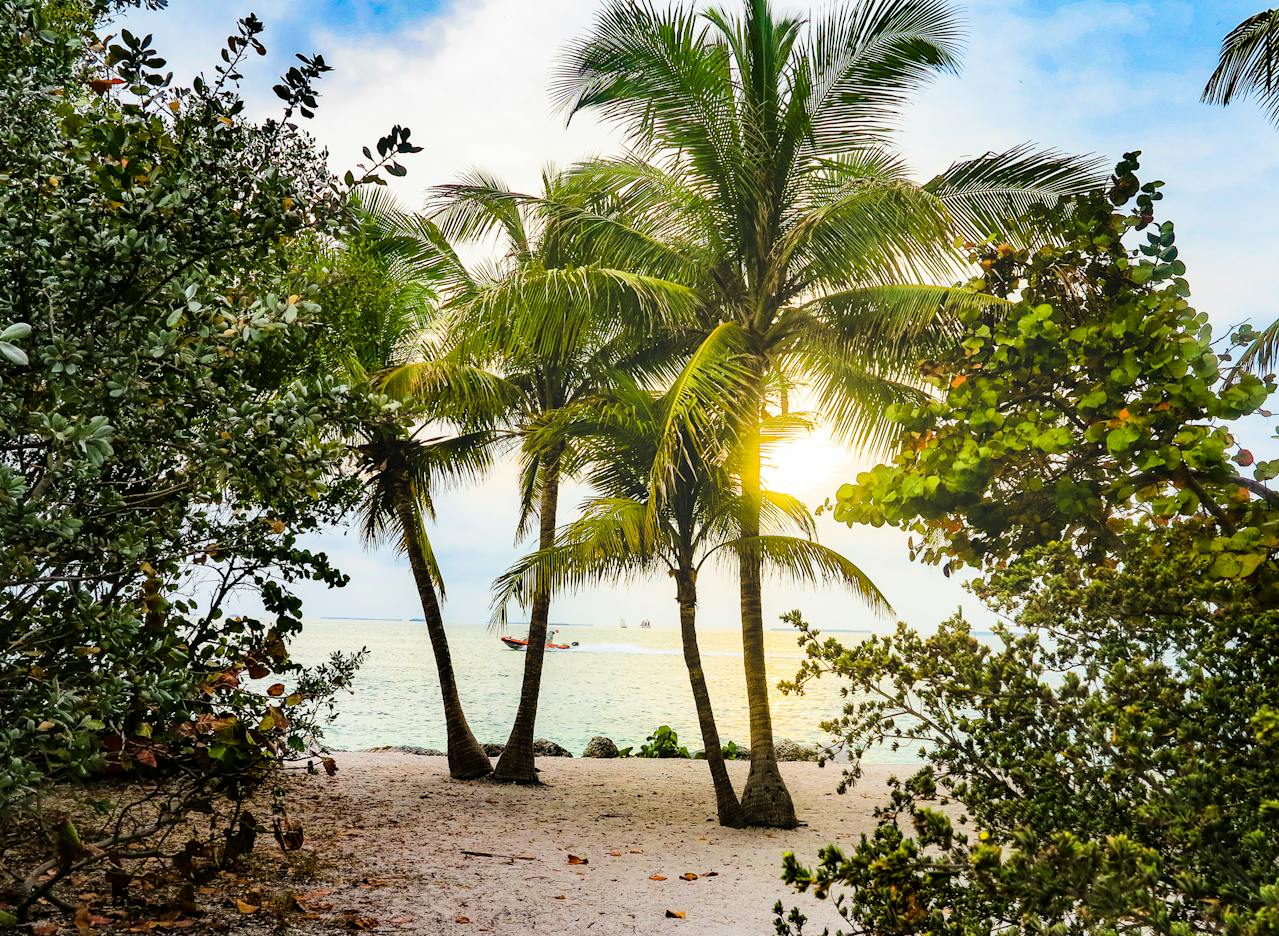
Palm trees on a beach in Florida
Explore outdoor recreational opportunities in these places.

Sarasota

When exploring Florida’s hidden gems, make sure to visit Sarasota. With its stunning Siesta Key Beach and the nearby Lido Key Beach and Crescent Beach, Sarasota offers some of the most picturesque shorelines in the state. The city is a hub for arts and culture, with attractions like The John and Mable Ringling Museum of Art and the Sarasota Opera House. It’s also home to top-rated schools, such as Pine View School for the Gifted, making it an excellent choice for families. Sarasota’s thriving job market spans various industries, including healthcare, tourism, and education.

The city’s strong commitment to preserving its natural surroundings is evident through its extensive park system, including Myakka River State Park and the Celery Fields, which offer hiking, bird-watching, and outdoor adventures. Furthermore, Sarasota’s diverse dining scene features renowned restaurants like Indigenous and Owen’s Fish Camp. The city’s friendly atmosphere, low crime rate, and various housing options make it an enticing place to live.

Fort Myers

The city is a gateway to the Southwest Florida region known for its beaches and fishing. Downtown Fort Myers, also known as the River District, is the cultural and historical hub featuring restored buildings, boutiques, and art galleries. The city hosts the annual Edison Festival of Light in February, celebrating Edison’s birthday and contributions to the community.

Fort Myers is also home to the Florida Gulf Coast University, a significant educational institution in the region. The city’s economy largely revolves around tourism, healthcare, and retail. The Calusa Nature Center and Planetarium is a notable attraction, offering educational programs on the local environment and wildlife. The Fort Myers area has several beaches, including Fort Myers Beach and Sanibel Island.
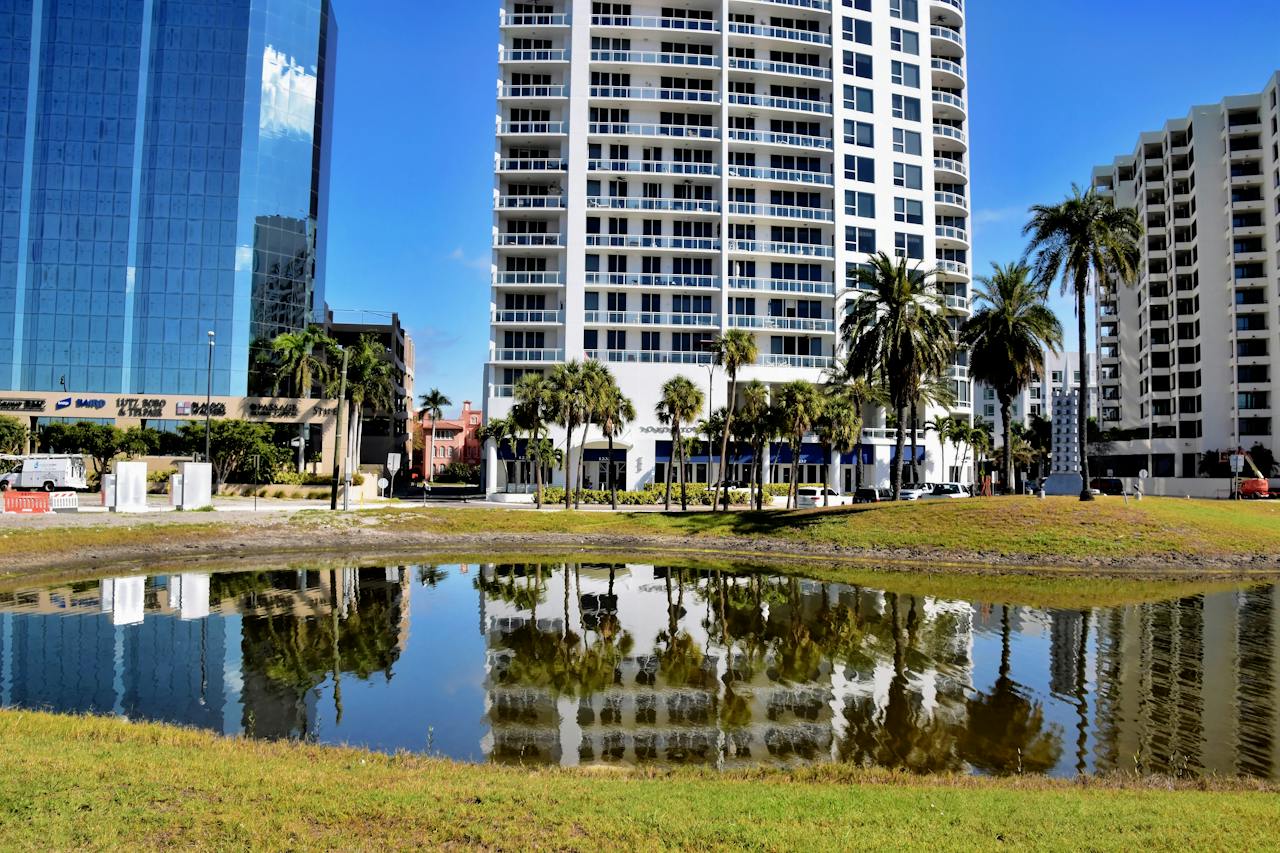
Buildings in Sarasota are one of the go-to locations for exploring Florida’s hidden gems.
Visit Sarasota to see whether it’s the right location for your new home.

St. Augustine

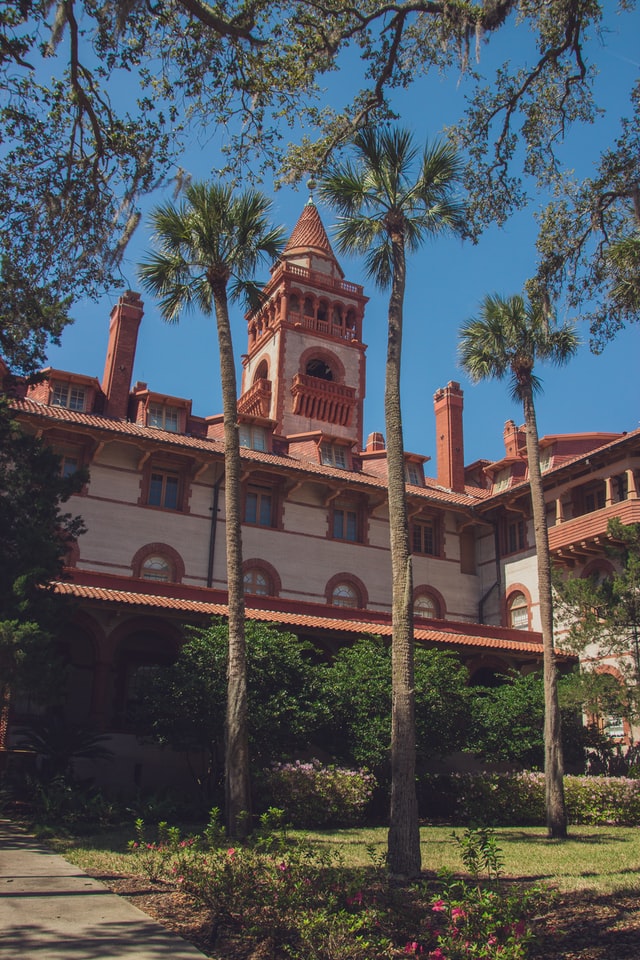
The city’s historic district is one of many major tourist attractions, with narrow lanes, colonial-era buildings, and unique shops. St. Augustine is also home to Flagler College, known for its stunning Spanish Renaissance architecture. The college was formerly the Hotel Ponce de Leon, a luxury hotel built by railroad magnate Henry Flagler. The St. Augustine Lighthouse & Maritime Museum is another significant historic site, providing insight into the city’s maritime past.

The city’s economy is primarily driven by tourism, with numerous museums, historical tours, and outdoor activities available. St. Augustine also hosts popular events like the Nights of Lights, a holiday lighting festival, and the St. Augustine Pirate & Treasure Museum, offering interactive exhibits on pirate history. The city’s Anastasia State Park offers beaches, nature trails, and camping facilities. St. Augustine’s culinary scene reflects its cultural heritage, with a blend of Spanish, British, and American influences. The city’s commitment to preserving its historical heritage is evident in its numerous restoration and conservation projects.

A couple carrying their suitcases down the street.
Start exploring Florida’s hidden gems before you make a final decision on whether to make one of them your new home.

Exploring Florida’s Hidden Gems: Final Thoughts

Before making a permanent move to one of these hidden gems, consider visiting to experience their charm firsthand. Florida offers numerous career and educational opportunities, with a growing job market and renowned universities. The state’s diverse communities cater to various lifestyles, from bustling cities to serene coastal towns. Relocating here can mean a balanced work-life environment and many recreational activities, from events to theme parks. So, why not start exploring Florida’s hidden gems as vacation spots? If the lifestyle entices you, consider making one of them your new home. Florida has much to offer, making it an excellent choice for both short-term getaways and long-term living.


About the author:
Frank Lucido is part of the AmeriSafe Moving Services team. He has a background in transportation and logistics, and is currently helping people relocate from state to state. Frank has called Florida home his whole life, and is familiar with all the less touristy spots.



Tagged With: Exploring Florida's Hidden Gems, Florida attractions Filed Under: North America Travel

What Are the Top Rainbow Trout Fishing Spots in Florida?

fisherman holding trout

Are you an avid angler searching for the best rainbow trout fishing locations in Florida? Look no further! In this article, we will guide you through the top spots for rainbow trout fishing in the Sunshine State. Whether you’re a seasoned angler or a beginner seeking an exhilarating adventure, Florida offers a plethora of options for catching rainbow trout.

From the tranquil waters of the St. Johns River to the deep and diverse Lake Talquin, Florida is home to some of the most renowned fishing destinations for rainbow trout enthusiasts. We will provide you with insights into the prime fishing areas in these rivers, along with tips on maximizing your chances of success. Additionally, we will explore the remarkable rainbow trout fishing opportunities along the Apalachicola River and the scenic Chattahoochee River.

By the end of this article, you’ll have a comprehensive understanding of where to find the best rainbow trout fishing spots in Florida. So gear up, pack your fishing rods, and get ready for an unforgettable angling experience!

Rainbow Trout Fishing in the St. Johns River

The St. Johns River is a prime destination for anglers seeking an unforgettable rainbow trout fishing experience. With its calm waters and picturesque surroundings, this river offers a tranquil and scenic backdrop for your fishing adventure.

Dotted with various ideal rainbow trout fishing destinations, the St. Johns River is home to a thriving population of rainbow trout, attracting anglers from near and far. Venturing out onto the river, you’ll find yourself immersed in nature’s beauty, surrounded by lush vegetation and diverse wildlife.

For those eager to reel in a trophy-worthy catch, the prime rainbow trout fishing areas along the St. Johns River are not to be missed. Whether you prefer casting your line from the riverbanks or exploring the river’s depths from a boat, you’ll find plenty of top-rated rainbow trout fishing locations along the way.

Exploring the Rainbow Trout Hotspots

To ensure the best chances of success, be sure to navigate the prime rainbow trout fishing areas in the St. Johns River. Head to locations where rainbow trout tend to congregate, such as deep pools, submerged structures, or areas with abundant food sources.

When targeting these majestic fish, consider using a variety of techniques and bait. Whether you opt for casting lures or using live bait, adjusting your approach to the specific conditions of the St. Johns River can greatly enhance your chances of enticing a prized rainbow trout.

Remember to adhere to local fishing regulations and obtain any necessary permits or licenses before setting off on your adventure. Take precautions to respect the natural environment and ensure the sustainability of the rainbow trout population in this pristine river.

Embark on a rainbow trout fishing journey along the St. Johns River, and discover why this destination is cherished by anglers seeking prime rainbow trout fishing areas. Immerse yourself in nature’s serenity and celebrate the thrill of reeling in these beautiful fish in one of Florida’s top-rated rainbow trout fishing locations.

Rainbow Trout Fishing in Lake Talquin

Lake Talquin, located in Florida, is widely recognized as one of the ultimate rainbow trout fishing spots in the region. With its deep waters and diverse underwater habitat, this stunning lake offers anglers numerous opportunities to reel in this prized freshwater species.

The popularity of Lake Talquin among fishing enthusiasts comes as no surprise. Its tranquil waters and breathtaking surroundings create the perfect backdrop for a memorable fishing experience. Whether you are an experienced angler or a novice venturing into the world of rainbow trout fishing, Lake Talquin has something to offer for everyone.

When it comes to finding the ultimate rainbow trout fishing spots in Lake Talquin, there are a few key areas that are particularly renowned among the angling community. These spots are known for their abundance of rainbow trout and their high chances of successful catches.

1. West Arm

The West Arm of Lake Talquin is a hotspot for rainbow trout fishing. Its deep waters and submerged structures attract plenty of fish, making it an ideal location for anglers seeking the thrill of reeling in these vibrant species. Fishing enthusiasts often report remarkable success in this area, making it a popular choice for seasoned anglers.

2. Rock Bluffs

Another popular rainbow trout fishing spot in Lake Talquin is the scenic Rock Bluffs. These majestic rock formations offer a paradise for rainbow trout, attracting them with ample hiding spaces and rich feeding grounds. Anglers who explore the Rock Bluffs area are often rewarded with impressive catches, making it a must-visit destination for any fishing adventure.

3. Ochlockonee River Mouth

The mouth of the Ochlockonee River, where it meets Lake Talquin, is a prime location for rainbow trout fishing. This area is known for its diverse ecosystem and strong current, which creates favorable conditions for rainbow trout to thrive. Fishing enthusiasts often find success in this dynamic environment, making it a sought-after spot for anglers of all skill levels.

To maximize your chances of success when fishing in Lake Talquin, it is crucial to employ proper techniques and gear. Paying attention to the weather, using appropriate bait, and adjusting your fishing strategy based on the time of day are key elements to consider when angling for rainbow trout in Lake Talquin.

Plan your fishing trip to Lake Talquin, and discover why it is one of the most popular rainbow trout fishing spots in Florida. With its stunning scenery and abundant fish population, this exceptional location promises an unforgettable angling experience.

For those seeking a truly immersive fishing experience, don’t overlook the allure of St. Petersburg fishing charters. Whether you’re a seasoned angler or a novice looking to hone your skills, these charters offer a unique opportunity to explore the abundant waters of Florida’s Gulf Coast while targeting a variety of prized fish species, including rainbow trout.

Rainbow Trout Fishing in the Apalachicola River

The Apalachicola River is a prime destination for rainbow trout fishing in Florida. With its reputation for excellent fishing opportunities, it attracts anglers seeking the best locations to catch this prized freshwater species.

The crystal-clear waters of the Apalachicola River create an optimal environment for rainbow trout. The river’s diverse underwater landscape, including deep pools and rocky structures, serves as an ideal habitat for these fish.

When exploring the Apalachicola River for rainbow trout fishing, there are several popular spots that offer significant potential for success. One such location is Johnson’s Bluff, known for its abundant trout population and scenic surroundings. Anglers who venture to Johnson’s Bluff are often rewarded with the opportunity to catch trophy-worthy rainbow trout.

Another favored spot along the Apalachicola River is Aspalaga Landing. This area is famous for its calm waters and productive fishing grounds. Anglers can be found casting their lines from the riverbanks, hoping to reel in their next rainbow trout catch.

For those seeking a more secluded fishing experience, Owl Creek is a hidden gem along the Apalachicola River. Its serene ambiance, coupled with thriving rainbow trout populations, make it a top choice among avid anglers.

If you’re looking for a mix of adventure and breathtaking scenery, you won’t be disappointed by the opportunities offered by the Apalachicola River. Its various fishing locations provide anglers with a chance to connect with nature while pursuing their passion for rainbow trout fishing.

Rainbow Trout Fishing in the Chattahoochee River

The Chattahoochee River is renowned throughout Florida as one of the top spots for rainbow trout fishing. Its clean water and fast-moving currents create the perfect environment for these elusive and spirited fish. Anglers from all over flock to the Chattahoochee River in search of an exciting angling experience and the opportunity to land impressive rainbow trout catches.

When it comes to finding the popular rainbow trout fishing spots in the Chattahoochee River, there are a few key areas that are known for their abundance of these prized freshwater species. One such spot is Bull Sluice Lake, where the river widens, creating deeper pools and faster currents that rainbow trout thrive in. Anglers often have success casting their lines in this area, especially during the early morning or late evening.

Another popular location within the Chattahoochee River for rainbow trout fishing is the Jones Bridge area. This section of the river is characterized by its rocky bottom and diverse underwater structure, providing ample hiding places and feeding grounds for rainbow trout. Anglers who venture to Jones Bridge often find themselves reeling in impressive catches.

If you prefer a more secluded and serene fishing experience, consider exploring the Medlock Bridge area of the Chattahoochee River. With its lush vegetation and tranquil surroundings, this spot offers anglers the chance to connect with nature while targeting rainbow trout. The peaceful ambiance combined with the opportunity to land trophy-worthy catches makes the Medlock Bridge area a popular choice among fishing enthusiasts.

Remember, when planning your rainbow trout fishing trip to the Chattahoochee River, it’s crucial to obtain the necessary fishing licenses and adhere to all fishing regulations. Additionally, ensure you have the right equipment and bait to increase your chances of success. Whether you choose Bull Sluice Lake, Jones Bridge, or the Medlock Bridge area, the Chattahoochee River promises an exhilarating rainbow trout fishing experience you won’t soon forget.

Conclusion

After exploring the top rainbow trout fishing spots in Florida, you now have a range of options to consider for your angling adventure. Whether you prefer the calm waters of the St. Johns River, the deep and diverse habitat of Lake Talquin, the crystal-clear waters of the Apalachicola River, or the fast-moving currents of the Chattahoochee River, each location offers its unique benefits and challenges.

By utilizing the insights provided in this article, you can increase your chances of success and enjoy a memorable rainbow trout fishing experience in Florida. Whether you are a seasoned angler or a beginner, these top-rated locations are sure to provide you with the ultimate rainbow trout fishing spots. So, pack your fishing gear, grab your tackle box, and head to one of these best rainbow trout fishing locations for an unforgettable angling experience.

Remember to check the local regulations and licensing requirements before you embark on your fishing journey. And don’t forget to take care of the environment by practicing catch-and-release or adhering to the specified fishing limits. With proper preparation and a bit of luck, you’ll be reeling in trophy-worthy rainbow trout in no time.


Browse More Saint Petersburg, Florida Tours


Tagged With: Florida attractions Filed Under: North America Travel

10 Historic Towns in Florida to Visit in 2024

beach access Florida

When I say Florida, people automatically associate it with ripped beach bodies, eternal sunshine, crystal waters, and a night out to remember. Younger generations think – Mickey Mouse! We’re doing something different today; we’re here to experience a 180-degree shift in perspective and admire its historical premise. (don’t get me wrong, I, too, indulge in god-given, 100% natural amenities the Sunshine State has to offer.) The history of Florida began unfolding in 1513 (historic enough?) when Juan Ponce de León, a Spanish explorer, embarked on a journey to find the mythical spring – The Fountain of Youth. Although Florida officially became a state in 1845, its historical heritage has already been accumulating for a decent number of centuries. And now we are in 2023. How exciting is that?! The juxtaposition between new and old makes Florida so unique and inviting. It simply has it all. From a healthy food delivery in South Florida to spellbinding museums and cafes. Without further ado, let’s get familiar with ten historic towns in Florida to visit in 2024.

St. Augustine

Oldies, but goldies, as they say. St. Augustine is believed to be the oldest town in the U.S., founded in 1565 by the Spanish. The epitome of historic charm, this relic is home to the narrowest street in the country, the oldest wax museum, and the oldest wooden schoolhouse. Its old cathedral and haunted lighthouse attract numerous visitors throughout the year. My favorite ghost story – The Casablanca Inn. As much as I have enjoyed Cocoa Beach and touring the Kennedy Space Center, St. Augustine offers a different take on American history.

red and white building with palm trees
St. Augustine is one of the most important historic towns in Florida to visit in 2022, hands down.

Apalachicola

Dating back to the 1500s, this quaint little town was once known for being the third busiest port on the Gulf of Mexico!  The name Apalachicola comes from the Hitchiti words apalahchi, meaning “on the other side”, and okli, meaning “people”. The area was first called Cottonton because of a trading post that handled cotton, one of the agricultural staples of the area before the Civil War. In 1849, Apalachicola physician Dr. John Gorrie discovered the cold-air process of refrigeration and patented an ice-making machine in 1850. His experiments to lower the temperatures of fever patients laid the groundwork for modern refrigeration and air-conditioning. Today, with just a little over 2,500 residents, this tight-knit community takes pride in preserving its low-key charm. Oh, and oysters. This Florida gem is the place where most world-class Florida oysters are harvested. My favorite spot? Cape San Blas, or as the locals call it, “The Cape,” has 17 miles of pristine white-sand beaches. Uncrowded! You can’t beat that.

Fernandina Beach, Amelia Island

Not that long ago, I indulged in a romantic getaway in North Carolina, and let me tell you  – there’s only room for one in this heart of mine – and her name is Amelia.  It was originally home to the Timucua Indians before being settled by the Spanish in the 17th century. The Spanish built a fort and mission and named the island Isla de Santa Maria. In 1702, the fort was destroyed by Governor James Moore of Carolina when the British occupied the island and renamed it Amelia Island after King George II’s daughter. With over 400 years of history under its picturesque belt, this town has it all: historic downtown with 19th-century architecture, natural wildlife, immaculate beaches, and luxury resorts. Take a horse-carriage ride, and see the nation’s oldest masonry fort. Enjoy the easy living philosophy to the fullest.

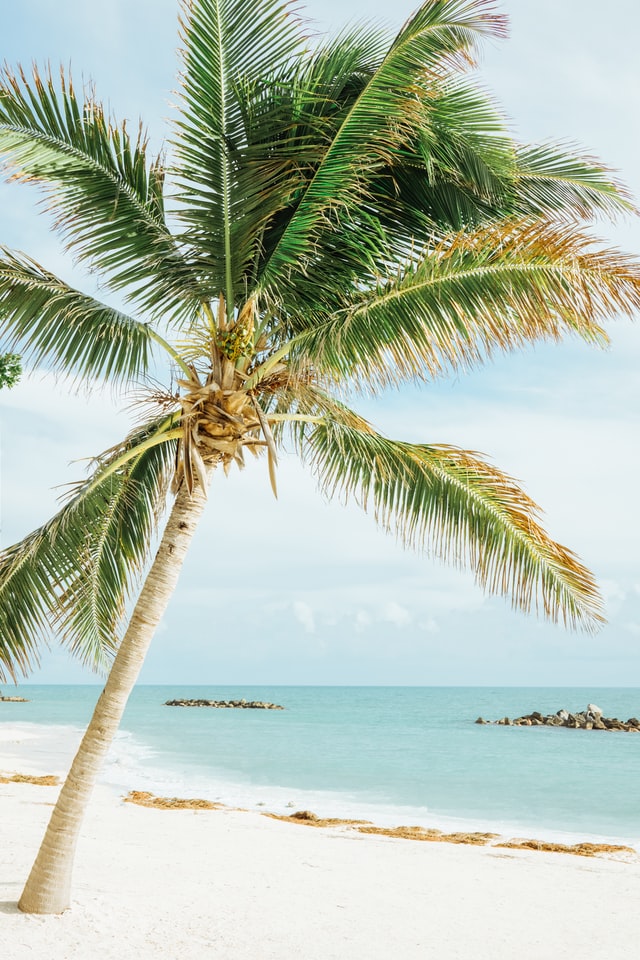
palm tree on amelia island depicts one of the ten historic towns in Florida to visit in 2022
Amelia Island – Where heaven meets history for a spa treatment.

Mount Dora

Founded in 1880, this mesmerizing lakefront town made a name for itself in the 1920s as a winter retreat in Central Florida for fishermen and hunters. The lake was named after Dora Drawdy, a settler who homesteaded in the mid-1800s and befriended federal surveyors with her warm hospitality. Ross C. Tremain was the town’s first postmaster and a major real-estate developer. Thomas Edison, Henry Ford, President Coolidge, and Eisenhower all enjoyed the famous Lakeside Inn (still open and still renowned). Why go? The historic district and downtown have been immaculately restored, preserving the heritage of the small-town southern charm. It is also home to one of the three freshwater lighthouses in the entire U.S. Go visit.

Micanopy

Also known as “Little Town That Time Forgot,” Micanopy is believed to be the oldest inland town in Florida and is named for Chief Micanopy of the Seminole Nation. The town was founded in 1821 when a faction of Miccosukee Indians lived in the immediate area1. The historian C. S. Monaco has suggested that the town was named after Micanopy “to appease the chief and acknowledge his original authority over the land. What is Micanopy famous for? Oh, I don’t know; it’s only Florida’s antique capital. This eclectic micro-community inherently gets the importance of history. And with Paynes Prairie Preserve being one of Florida’s finest state parks, what more can a visitor ask for? Only after witnessing this inland gem’s existence are you free to explore Florida’s coastal jewels. Beaches, bars, museums, concerts, shopping, you name it – myriad great ways to spend the day in a place like West Palm Beach alone. But you are only allowed to do so once you have experienced the magic that Micanopy is.

Sanibel

Sanibel is definitely one of the must-see historic towns in Florida to visit in 2023. I call it Sunny Bell. A short drive from Fort Myers, this 7,000+ resident town is a mixed bag of goodies. Shell beaches? Check. Wildlife refuge? Check. History? Check! This little-known spot will soothe your neurons and benefit your well-being if you’re into a low-key vacation. It’s quaint; it’s quiet; it’s paradise. There may not be many adrenaline-inducing activities on Sanibel’s menu, but I assure you, any nature enthusiast will find it to be an unforgettable experience.  Furthermore, the Sanibel Historical Museum & Village is a delightful village museum that recounts the island’s history through photographs, exhibits, and live presentations.

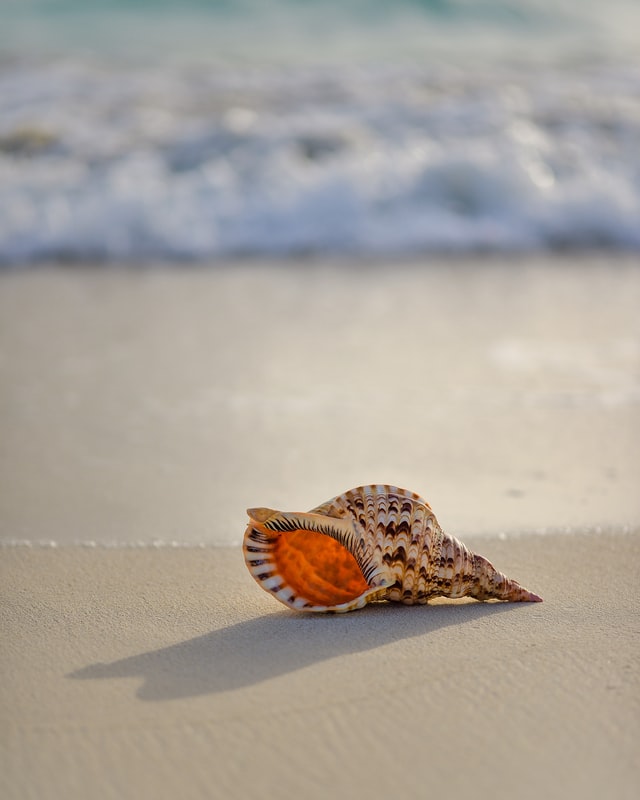
a shell on a beach
Beauty awaits.

Dunnellon

My personal favorite go-to town when it comes to water sports. Located on the Withlacoochee and Rainbow rivers, this authentic old-charm town is there to color your leisure time with picturesque boat rides, kayaking, tubing, and fishing. Swim – all day long. If you’re an “earthy” type, I suggest you spend your weekend strolling the Historic District or go out for a hike in The Halpata Tastanaki Preserve.

Havana

The Friendliest Small Town in Florida (the town’s official nickname). It literally rose from the ashes after a devastating fire in 1916. Just minutes away from Tallahassee, Havana (just like its Cuban sibling) had a passion for the tobacco business. Today, this unique village on the outskirts of Tallahassee specializes in antique shops and art galleries. For all my fellow art lovers, check out Gadsden Arts Center & Museum in Quincy, a short ride away.

Cedar Key

Finest Old Florida glory, in my opinion. Visiting New Orleans was breathtaking, but Cedar Key is where one finds their much-needed quiet. This rustic little beauty is quite a marauder—a marauder of hearts. With precious natural preserves, museums, and quaint restaurants, Cedar Key is that off-the-beaten-path destination any overwhelmed urbanite should experience.

Port St. Joe

This “small town with a big heart” is your go-to destination if you’re looking for the perfect off-shore fishing expedition. Historically speaking, Port St. Joe is the birthplace of the state’s constitution, making it pretty iconic. Stroll down to the marina, enjoy the local antique shops, and after you’ve feasted your eyes on all the beauty and history, find yourself a booth in one of its famous Southern diners and indulge in some of the freshest and most delicious seafood in Florida.

Final thoughts

Your itinerary possibilities are endless when it comes to historic towns in Florida to visit in 2023. It’s not an easy pick. Best solution – one at a time.


About the author:
Nicolas Britt is a content writer currently working under the City Movers wing. He can’t help but call himself a nomad, a globetrotter. Natural preserves and endangered species are his weak spot. His ultimate passion has proved to be kitesurfing.


Tagged With: Florida attractions Filed Under: North America Travel

Florida: The Dinosaurs are Back With a Growl in Naples Botanical Garden

statue of dinosaur

by Jean Rowley

These life-size, intricately detailed dinosaur replicas at the Naples Botanical Garden in Naples Florida move and growl realistically, and include the little-known, fearsome Utahraptor. Paleontologists have concluded that the 25-foot-long creature lived around 125 million years ago and weighed over a ton. With running speeds of more than 20-miles-mph, it was able to jump 15-feet high, with frightening 9-inch claws that likely debilitated its prey.

It was unearthed in Utah in 1991–being appropriately named Utahraptor. Little was known about this dinosaur until 2001. When an excavation uncovered six-individual specimens so large they prompted Utah’s state paleontologist to comment, “This thing is built like Arnold Schwarzenegger.”

Peering back millions of years, you can touch 10-life-size animated dinosaur models from the Jurassic and Cretaceous periods of the Mesozoic era in the Brazilian and Florida Gardens, two of the many in the 170-acre botanical garden.
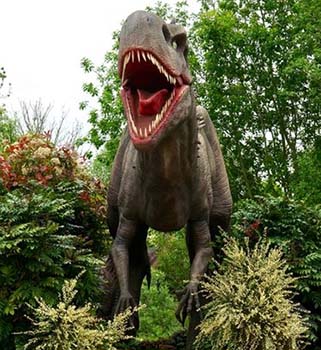
Strolling through the Florida Garden, you’ll first come across Citipati, classified as oviraptors in the dinosaur family. Oviraptors mean “egg thief”. Although the historical record can’t verify that this dinosaur stole and ate other creature’s eggs, it does confirm that Citipati had feathers and sat on their own eggs similar to birds today.

Continuing on the path, Diabloceratops greets you with its frightening appearance. It would lead you to believe it used the horns for devouring prey, but instead, the dinosaur ate vegetation. Scientists know this because they have opened the dinosaur’s stomach to reveal vegetation consumption.

Peeking through the tall shrubs, Protohadros, a type of hadrosaur called a duck-billed dinosaur, greets you on two legs, beaked, and with no horns or spikes to protect themselves from predators. Hunting a larger animal is very dangerous. Their only defense was to grow faster than their predators.

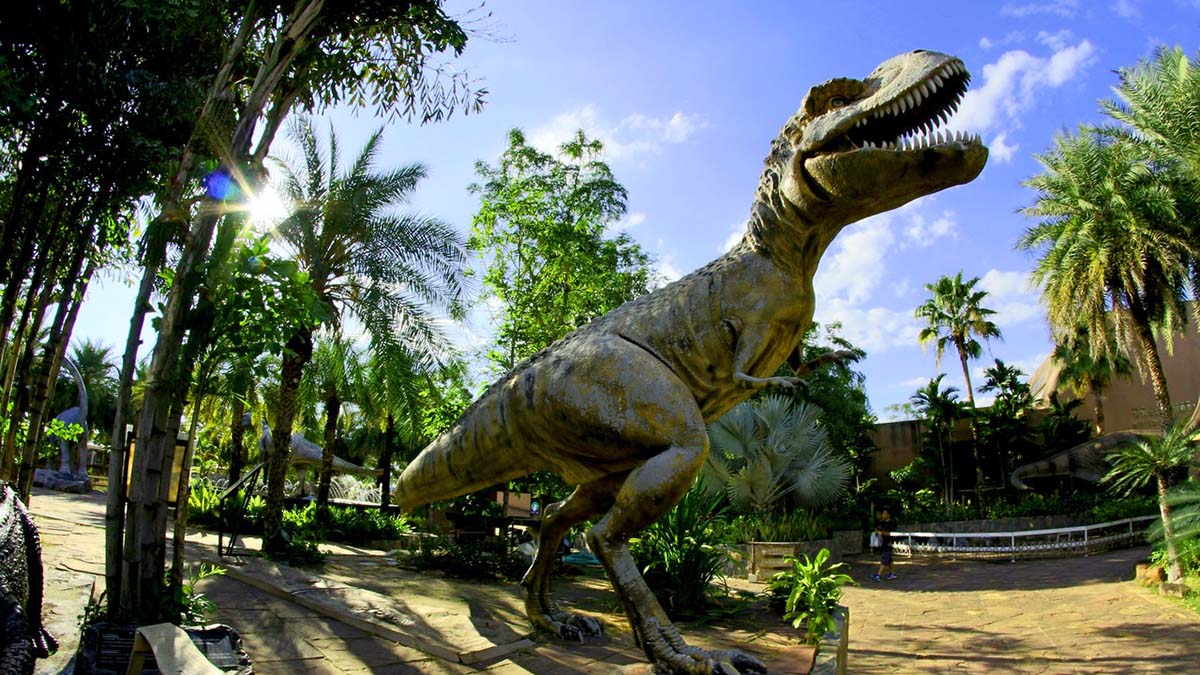
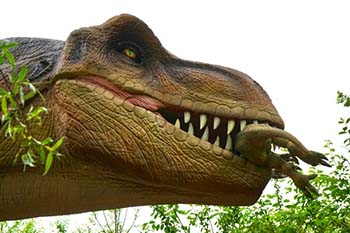
dinosaur replica headAnd finally, in the Florida garden, Tyrannosaurus Rex greets you. Probably the most recognizable dinosaur today, it was among the last non-avian dinosaurs to roam the Earth before the Cretaceous-Paleogene extinction event that marked the end of the Mesozoic Era–the dinosaur’s extinction–65 million years ago. In Tyrannosaurus Rex time, the forest was probably much like our North American forest today.

Three more dinosaurs are displayed in the Brazilian Garden. Amargasaurus is the first dinosaur to greet you with spines on its neck. There has been speculation that these spines were used to make loud, threatening noise as the dinosaur passed through the forest.

Dilophosaurus is believed to weigh about half-ton. And, unlike the Jurassic Park series, there is no proof of spitting venom, as shown in the movies.

There has been much debate over Quetzalcoatlus–whether it vaulted itself into the air using its heavy muscled front legs or did it hang-glide to get airborne off a cliff? While another possibility was that it didn’t fly at all, but used its hind legs to hunt for prey. Before leaving Naples Botanical Garden–click a picture at Pachyrino Photo Op at South Grove to record your dinosaur encounter and discover your inmost paleontologist at the Hadrosaur Fossil Dig Pit located at Suzy’s Bali Hai.

water lilyWhile you are visiting–which, if you want to catch the dinosaurs, should be before the exhibit ends on June 3rd–take time for lunch at the casual, moderately priced, Fogg Cafe, which features a creative, chef-drive menu, using local, sustainable products. The menu changes seasonally, focusing on a setting that incorporates a garden-to-table menu of dishes, such as, mango chicken salad, vegetable salad, shrimp and calamari ceviche, chicken wings, hot dogs, hamburgers, other sandwiches, French fries, soups, and deserts. The eatery is housed in the visitor’s center, open for breakfast and lunch only.

The botanical garden also hosts a variety of exhibits and events during each month of the year. May’s events include the exhibit of dinosaurs, Music in the Garden series, Botany through Art: Watercolor 3 with Elizabeth Smith, Mother’s Day in the Garden, and Memorial Day Appreciation and are sure to appeal to everyone.

If You Go:

NAPLES BOTANICAL GARDEN
4820 Bayshore Dr., Naples, FL 34112
239-643-7275

Open 9 a.m.-5 p.m. daily except Tuesdays, 8 a.m.-5 p.m.

Admission: $14.95 Adult,
$ 9.95 Child (4-14)
$ 0.00 Child (3 & under)

About the author:
Jean Rowley is a freelance travel writer and photographer based in Lehigh Acres, Florida. She is a member of ITWPA and shares many of her adventures, stories and photos on her website: gallivanterstravel.blog


All photos from Creative Commons public domain.


Tagged With: Florida attractions, Jean Rowley, USA travel Filed Under: North America Travel

Florida Winter Estates of Edison and Ford

Winter home of Thomas Edison

Inspiring Glimpses of Legendary Ingenuity in Fort Myers

by Connie Pearson 

As you walk the grounds and tour the buildings set on 20 acres facing McGregor Boulevard in Fort Myers, Florida, you will admire the beauty of the surroundings while being educated about the contributions of two great American inventors.

I would like to live about three hundred years. I think I have ideas enough to keep me busy that long.
– Thomas Edison

By the time Thomas Edison reached his 40th birthday, he already had 500 U.S. patents. Two years before, in 1885, Edison bought 13.5 acres in Fort Myers along the Caloosahatchee River and quickly had a 357-foot dock built. That dock became very crucial when it took six ships to deliver all the materials needed for the house he was building for his new wife Mina and the house next door to be inhabited by his friend and business partner, Ezra Gilliland, who is credited for introducing Thomas and Mina.

Edison was attracted to the Fort Myers property for three main reasons: 1) He was tired of the New Jersey winters and loved South Florida’s great weather; 2) He loved fishing; 3) The property already had bamboo growing on it, and he was using bamboo filament in his light bulbs at the time.

Gilliland and Edison had an unfortunate parting of the ways, and Gilliland sold his property to Ambrose McGregor, for whom the street in front was eventually named. Four years later, McGregor died, and his wife sold the house back to Edison. The houses are mirror images of each other. Boston Architect Alden Frink designed them. The materials were precut in Maine, shipped south and were move-in ready within four months. Edison gave a lot of input into the homes’ designs to take advantage of the river views and the breezes, with French doors, sweeping windows and high ceilings.
Interior of Edison winter homeFor eleven years, Edison’s home was the only property in Fort Myers with electricity. The story is told that the first night his electroliers (how Edison referred to the chandeliers since they used light bulbs instead of candles) were illuminated, the whole town came out to watch. At bedtime, the lights went off, and the whole town walked back home in the dark. Indoor plumbing wasn’t added until 1890.

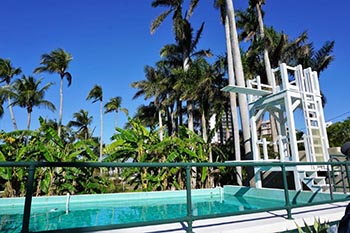
Edison home swimming poolThe swimming pool and bath house were built in 1910. Interestingly, the pool is only 5 ½ feet deep, and there is an 11-foot diving board. Supposedly, the diving board was really just an ornamental addition and not one that was used by the Edison children.

Furnishings, including the wicker pieces on the porches, linens and light fixtures that are on display are original to the homes. The only items not original are the light bulbs, which have been replaced by modern ones, and paper goods which have been stored under climate-controlled conditions.

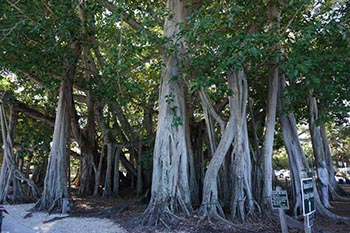
Banyen trees in Edison yardOne of the most remarkable sights on the grounds is one of the largest Banyan trees in the world. It was about 4-feet tall when it was planted in 1927 but now covers an entire acre, even after some recent trimming! A giant bougainvillea has survived and thrived since it was planted by Mina Edison in 1947, and the remainder of her rose garden can be seen near the main house.

When the Edisons decided to line the street of their property with Royal Palms, the City of Fort Myers admired the sight so much they lined the remainder of the street with the same trees, a stretch now extending for about 14 miles.

Mina Edison’s Moonlight Garden was designed by Ellen Biddle Shipman, known as “the dean of American female landscape architects.” Anchoring that garden is Edison’s study where he was known to read books, take naps and smoke cigars.

Visitors can enjoy a garden shop selling lots of tropical plants, a gift shop, a museum, and an Edison laboratory set up exactly as it was when he did much of his rubber research. That research explains the many latex-producing ficus trees planted throughout the grounds.

Henry Ford didn’t come into the picture until he and Thomas met in 1896 at a conference sponsored by Detroit Edison Illuminating Company where Ford worked as a machinist. The two creative minds bonded immediately. They worked together to develop a better storage battery for the Model T and later joined with Harvey Firestone to form the Edison Botanic Research Corporation (EBRC).
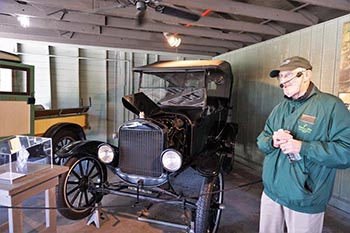
Early Ford carThe Ford family finally came to visit the Edisons in Fort Myers in 1914. Many famous names, such as the Colgates, the Kelloggs, Connie Mack (famous professional baseball player, manager and team owner) and Herbert Hoover spent time as guests of the Edisons, but apparently, Henry Ford wanted his own house when he went to South Florida. In 1916, he purchased “The Mangoes” an existing estate bordering Edison’s property. Edison spent 4-6 months a year in Fort Myers, but Ford only came for about two weeks every year, always in time to celebrate Edison’s birthday on February 11. Henry Ford gave Thomas Edison a Model T in 1916, but Edison was never successful in learning to drive it. He finally hired a chauffeur who drove him and his family for thirty years.

The stories shared by the capable docents on the grounds will instill great pride in the entrepreneurial spirits of these two remarkable men. Henry Ford’s primary museum is at Greenfield Village in Michigan, but many important artifacts, cars and personal items are found in Fort Myers.

In 1931, the year Thomas Edison died, he spent six months of that year working on rubber research. It is said that he only slept three to four hours each night because his head was so full of ideas. He ended up with 1,093 U.S. patents at the time of his death. 500-600 more projects were either unsuccessful or abandoned. It’s mind-boggling to think of all he might have invented if he’d been granted the 300 years of life he wanted.

Some of his more compelling quotes:

Of all my inventions, I like the phonograph the best.
I owe my success to the fact that I never had a clock in my workroom.
We don’t know one millionth of one percent about anything.

If You Go:

The Edison and Ford Winter Estates are open seven days a week from 9:00 a.m. to 5:30 p.m. Historian-led tours are $30 per person, and self-guided audio tours are $25 per person.

Edison and Ford Winter Estates are located about a half hour from the Fort Myers airport. Rental car companies are on site at the airport. Most chain hotels are represented in Fort Myers, but I would urge you to consider a beach house, condo or hotel on nearby Sanibel or Captiva Islands. There is a $6.00 toll bridge accessing those islands. The Ding Darling National Wildlife Refuge and the world-famous shelling beaches are worth exploring.

Notable restaurants include The Bubble Room, historic Old Captiva House at ‘Tween Waters Inn, and Doc Ford’s Rum Bar and Grille at South Seas Plantation on Captiva and on Sanibel Island.

About the author:
Connie Pearson is a native Alabamian, wife of 47 years, mother of three and grandmother of 13. She is a retired elementary music teacher who is now a travel writer and blogger with more than 120 articles in 20 print and online publications. She is the author of Telling It On the Mountain: 52 Days in the Life of an Improbable Missionary. Visit www.theregoesconnie.com

Photos by Connie Pearson

  1. Edison’s original winter home
  2. Edison’s original interior furnishings
  3. Edison’s swimming pool and diving board
  4. Edison statue with large banyan tree
  5. Henry Ford early vehicle with historian Joseph leading a tour


Tagged With: Florida attractions, Fort Myers tours, Henry Ford winter home, Thomas Edison winter home, USA travel Filed Under: North America Travel

MORE TRAVEL STORIES:

Soaring Over Paradise

Malaysia: Birthday High on Mt. Kinabalu, Borneo

Why Booking Your Niagara Falls Day Trip Early is a Smart Move?

Poland: Krakow’s Historic Old Town Square, The Rynek Glowny

Tuscany: Discovering the Joy of Living More Simply

Artists of Fallas in Valencia

Watching for Ghosts in the Haunted Lemp Mansion

How to Stay Safe While Exploring Rock Hill’s Downtown Historic District


SEARCH

DESTINATIONS

  • Africa Travel
  • Antarctica travel
  • Asia Travel
  • Australia travel
  • Caribbean Travel
  • Central America Travel
  • Europe Travel
  • Middle East Travel
  • North America Travel
  • Oceania Travel
  • South America Travel
  • Travel History
  • Travel News
  • UK Travel
  • Uncategorized
  • World Travel
facebook
Best Travel Blogs - OnToplist.com

Copyright © 2026 Cedar Cottage Marketing | About Us | Contact | Privacy Policy | Terms & Conditions | Copyright Notice | Log in