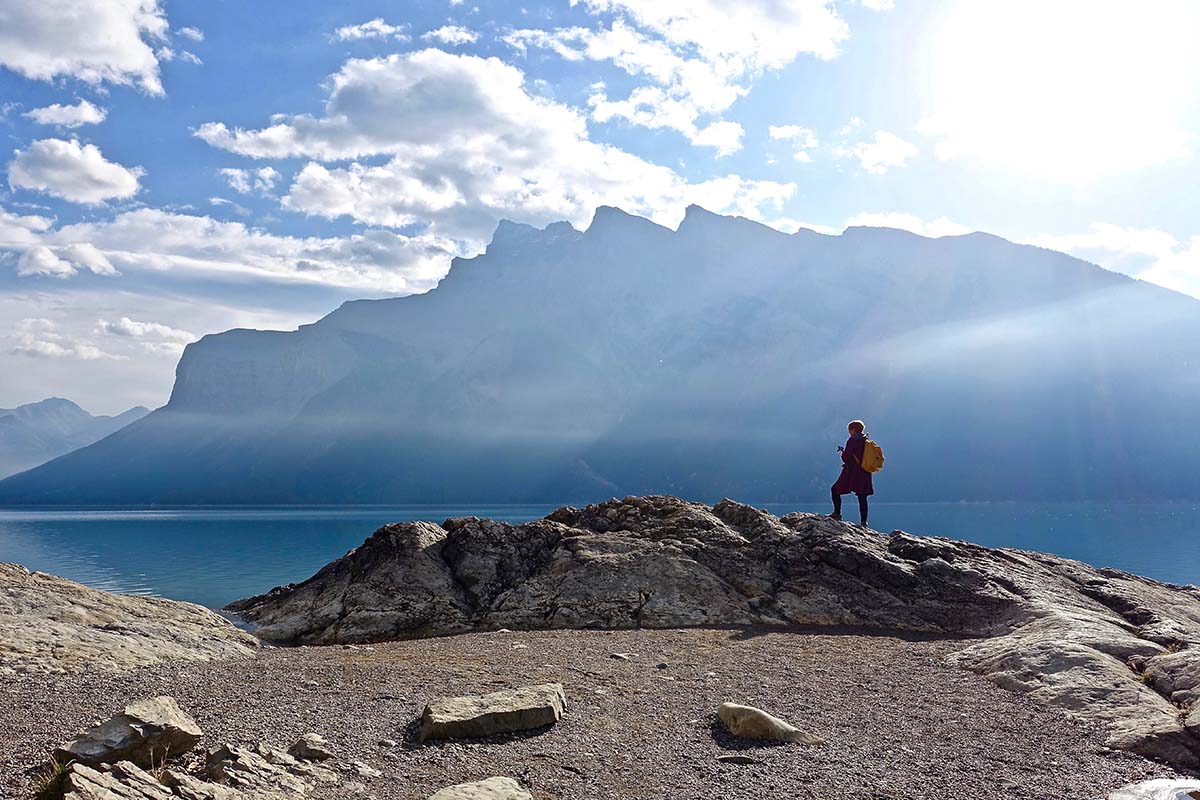
Oregon is one of those places that feels like several destinations stitched into one journey. From lively urban streets to quiet stretches of ocean road, every mile brings a different mood. Starting in Portland, you’ll find a city full of creative energy, food culture, and easy access to nature. As you move west and south, the landscape quickly shifts into forests, rivers, mountains, and finally the open Pacific coastline.
This guide follows that natural flow, highlighting some of the most memorable stops along the way. It’s written for travelers who enjoy slowing down, taking scenic routes, and discovering places that don’t always show up on postcard lists but stay in memory long after the trip ends.
In This Post, Find 6 Helpful Tips for Traveling Across Oregon

1. Portland: Where the Journey Begins:
Portland sets the tone for an Oregon road trip with its relaxed rhythm and creative personality. The city is best explored on foot or by bike, where neighborhoods feel distinct yet connected. You’ll find local bookstores, street art, food carts serving global flavors, and coffee shops that invite long conversations.
The Willamette River cuts through the city, offering walking paths and viewpoints that feel surprisingly calm for an urban center. Portland is also surrounded by forests and hiking trails, so even a short stay can include both city exploration and nature breaks. It’s not about rushing here—it’s about easing into the pace of Oregon and letting the journey naturally unfold.
2. Columbia River Gorge: Water, Wind, and Open Views:
The Columbia River Gorge is one of the most striking natural corridors in the region. Driving through it feels like entering a different world, where cliffs rise sharply and waterfalls appear around nearly every turn. The most visited stop is Multnomah Falls, where water drops in two dramatic tiers surrounded by lush greenery.
Beyond the famous spots, smaller trails lead to quiet viewpoints and less crowded falls that reward those willing to explore a bit further. The Historic Columbia River Highway adds to the experience with scenic pullouts and winding roads designed for slow travel. It’s a place where the journey matters just as much as the destination, encouraging you to pause often and take in the changing light and sound of rushing water.
3. Roadside Flavors and Travel Moments:
Travel in Oregon often includes simple food and drink moments that become part of the experience. A virgin margarita recipe is one of those easy refreshers that fits perfectly after a long day outdoors. It’s usually made with fresh lime juice, a splash of orange juice, sweetener, and sparkling water, served over ice with a salted rim. It’s less about complexity and more about enjoying something cold and citrusy while relaxing after hours on the road.
Along the way, you may also come across conversations or shops mentioning kratom and kratom byproducts such as powders or capsules. These tend to appear in niche wellness or specialty retail spaces. Since availability and rules vary by location, travelers usually treat it as something to be aware of rather than a planned purchase. In a broader sense, these kinds of items reflect how travel today often intersects with wellness trends and local product culture, even if they aren’t part of the main sightseeing experience.
4. Mount Hood Region: Forests, Trails, and Mountain Air:
Rising above the surrounding landscape, Mount Hood is a constant presence in Oregon travel. The area around it shifts with the seasons—snow-covered slopes in winter and green forest trails in warmer months. Timberline Lodge offers a historic stop with views that stretch across valleys and glaciers.
Nearby lakes reflect the mountain on calm days, creating quiet places to rest between drives or hikes. The surrounding forest roads are ideal for unplanned stops, where small trailheads lead into dense greenery and open meadows. This region is less about strict itineraries and more about exploring at your own pace, letting the mountain shape the rhythm of your day.
5. Oregon Coast: Slow Roads and Ocean Air:
The Oregon Coast is where the landscape opens up completely. One of the most recognizable stops is Cannon Beach, known for its wide shoreline and the dramatic presence of Haystack Rock rising from the sea. The coast itself is a mix of long beaches, rocky cliffs, and small towns that feel peaceful even during busy seasons.
Coastal highways offer constant ocean views, with places to pull over for photos, walks, or simply watching the waves. Tide pools, driftwood-covered shores, and foggy mornings give the area a calm, reflective feeling. It’s the kind of place where time slows down naturally, and the simplest moments—like sitting by the water—become the highlight of the day.
6. Bend and Central Oregon: Open Skies and Dry Landscapes:
Bend introduces a different side of Oregon, where the landscape becomes drier, wider, and more open. This high desert region is shaped by volcanic rock, pine forests, and long stretches of river. It’s a favorite stop for people who enjoy outdoor time without crowds, whether that means walking along river trails or exploring nearby rock formations.
The town itself has a relaxed feel, with local shops, breweries, and outdoor gear culture blending naturally into daily life. Sunsets here feel especially wide, with skies stretching far over the horizon. It’s a reminder that Oregon isn’t just forests and coastline—it also has this quiet, expansive middle ground that adds depth to the journey.

Conclusion:
A journey through Oregon from Portland to the coast is less about checking off destinations and more about moving through changing landscapes. Forest roads, mountain views, river valleys, and ocean highways each bring a different pace and feeling. Stops like Mount Hood and Multnomah Falls show the dramatic side of nature, while places like Bend and Cannon Beach offer space to slow down and settle in.
What stays with most travelers is not just the scenery but the rhythm of the road itself—the quiet stretches, the unexpected stops, and the sense that every part of Oregon has its own voice. It’s a trip best taken without rush, allowing each moment to unfold naturally from city streets to the edge of the Pacific.