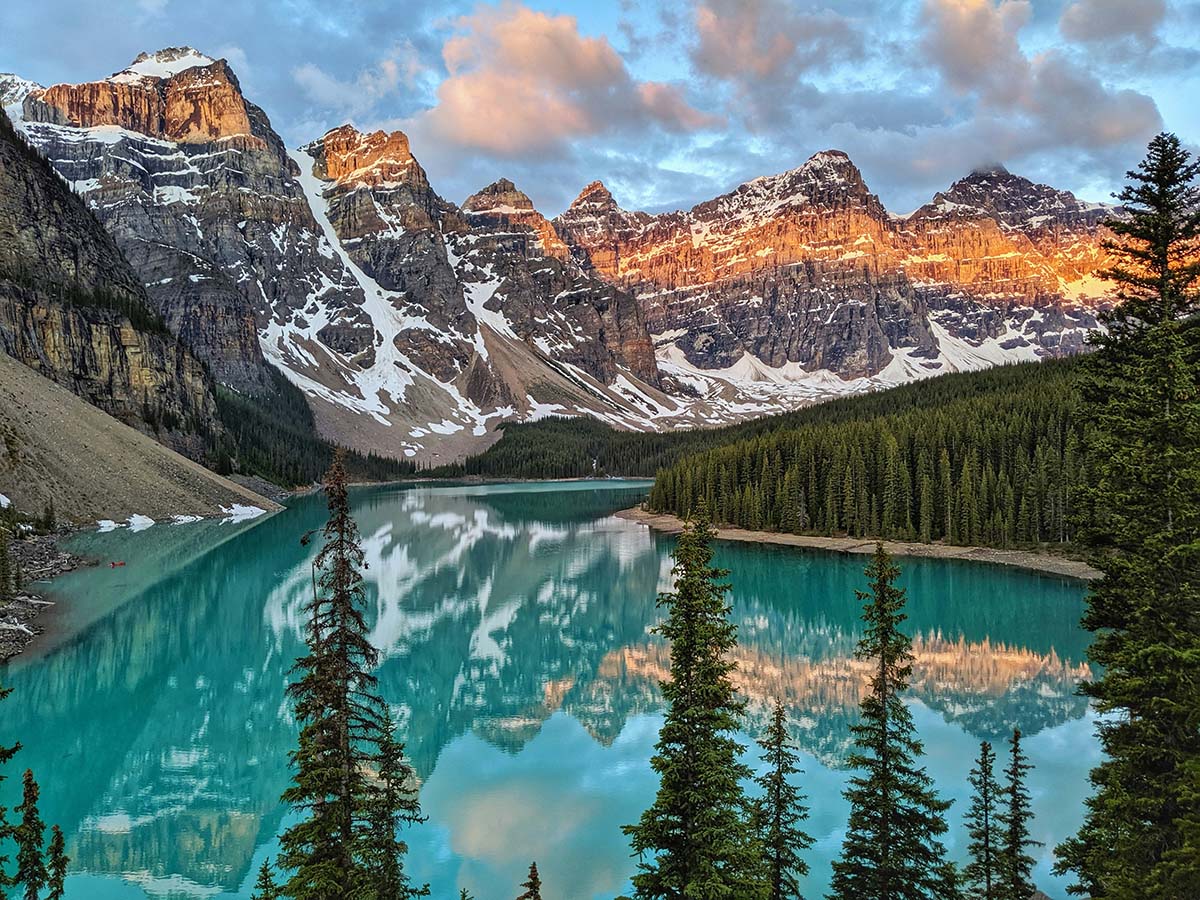
A road trip through the Rocky Mountains is less about reaching one destination and more about discovering what lies between the major landmarks. Mountain passes, turquoise lakes, waterfalls, forests, wildlife habitats, and historic sites can turn an ordinary drive into an experience worth remembering. The Rocky Mountain House area provides an especially interesting starting point for exploring Alberta’s mountain landscapes, with the David Thompson Highway leading west toward Nordegg, Abraham Lake, and the Icefields Parkway. For travelers researching a Dodge dealership serving Rocky Mountain House, AB, planning a mountain road trip can also be a useful way to think about comfort, cargo space, road capability, and reliability. With the right preparation, the journey can include some of the region’s most rewarding stops.
Start at Rocky Mountain House National Historic Site
Before heading toward the mountains, begin the trip at Rocky Mountain House National Historic Site. Located about six kilometres west of Rocky Mountain House on Highway 11A, the site preserves an important part of the region’s fur-trade history. Parks Canada provides visitor facilities including a lookout, picnic area, playground, parking, and interpretive services.
Starting here gives travelers a chance to understand the history behind the landscape before heading farther west. Walking around the historic site also provides a good opportunity to stretch your legs before several hours of driving.
The location works particularly well as the first stop because the David Thompson Highway begins opening toward the foothills and mountains farther west.
Follow the David Thompson Highway
Highway 11, commonly known as the David Thompson Highway, is one of the most rewarding roads to explore from Rocky Mountain House. The route travels west through foothills and forest before reaching the mountain landscape around Nordegg and Abraham Lake. Travel Alberta describes David Thompson Country as an area where Alberta’s plains transition into foothills, forests, rivers, lakes, and mountain wilderness.
The highway is not simply a way to reach the Rockies. It is an attraction in its own right. The changing scenery gives drivers plenty of reasons to slow down and look for viewpoints, picnic areas, short hikes, and roadside photography opportunities.
Because services become less frequent as the route continues west, it is sensible to fuel up and prepare supplies before leaving the larger communities.
Stop at Nordegg
Nordegg makes a natural midpoint for exploring the eastern side of the Rockies. The historic hamlet sits along the David Thompson Highway and provides access to several nearby attractions.
For road explorers, Nordegg is useful because it combines a small-community atmosphere with access to mountain recreation. Travelers can take a break from driving, have a meal, refuel where available, and prepare for the more remote sections of Highway 11.
The surrounding area also provides access to historic mining sites, forest roads, hiking opportunities, and scenic viewpoints. A recent guide to the highway identifies Nordegg as an important base before the longer western stretch toward Abraham Lake and the Icefields Parkway.
Find Crescent Falls
Crescent Falls is one of the worthwhile detours along the David Thompson Highway. The waterfall is located near the Bighorn River and can be reached through a short side trip from the main route.
The falls provide a welcome change from simply looking at scenery through the windshield. Visitors can park, walk toward viewing areas, and enjoy the sound and movement of the water surrounded by forest and rocky terrain.
Crescent Falls is also a good example of why travelers should leave extra time in their itinerary. Mountain roads can contain attractions that are easy to overlook when the schedule is too tightly planned.
Take in Abraham Lake
Few stops along the David Thompson Highway are as visually distinctive as Abraham Lake. The long reservoir stretches beneath the surrounding mountain peaks and provides a striking contrast between blue water, rugged slopes, and open skies.
Abraham Lake is particularly famous during winter for its frozen methane bubbles, which create unusual patterns beneath the ice. During warmer months, the lake becomes a scenic place for photography, sightseeing, and outdoor recreation.
Several viewpoints along the highway provide opportunities to stop without turning the journey into a major hike. The route’s long views across the reservoir are one of the reasons travelers often consider the David Thompson Highway a destination rather than merely an alternative route.
Explore Kootenay Plains
Farther west, Kootenay Plains offers another dramatic change in scenery. The area combines open grasslands with mountain backdrops, giving visitors a broader view of the landscape than the enclosed forest sections of the highway.
It is an excellent place for travelers who enjoy photography because the open terrain creates unobstructed views toward the surrounding peaks. Short walks can also provide a break after spending time behind the wheel.
When visiting natural areas, stay on established routes where appropriate and pay attention to local signage. Mountain environments can change quickly, and conditions may differ considerably from those in the nearby towns.
Hike Toward Siffleur Falls
For travelers who want to add a little more activity to their road trip, Siffleur Falls is another notable stop. The trail leads through the Kootenay Plains area toward the falls and includes a suspension bridge and canyon scenery.
The hike provides a useful balance to a driving-heavy itinerary. Rather than spending the entire day inside the vehicle, travelers can walk through the landscape and experience the terrain more directly.
A recent road-trip guide identifies Siffleur Falls as one of the signature stops along Highway 11, alongside Abraham Lake, Crescent Falls, and Kootenay Plains.
Before hiking, check current trail conditions, weather, and any seasonal restrictions. Comfortable footwear and adequate water are essential for even relatively straightforward mountain walks.
Connect With the Icefields Parkway
One of the major rewards of following the David Thompson Highway west is reaching its connection with the Icefields Parkway near Saskatchewan River Crossing.
The Icefields Parkway, or Highway 93, connects Banff and Jasper national parks and is known for its collection of mountain viewpoints, lakes, waterfalls, glaciers, and wildlife habitats. Tourism Jasper describes it as a major scenic route connecting Jasper with Banff and highlights numerous viewpoints and stops along the corridor.
If time allows, the journey can continue toward destinations such as Bow Lake, Peyto Lake, the Columbia Icefield, or Jasper. However, these should be treated as separate portions of a larger itinerary rather than rushed additions to a single day.
Make Bow Lake a Scenic Pause
Bow Lake is one of the accessible highlights along the Icefields Parkway. Its turquoise water sits beneath dramatic mountain scenery, creating an ideal place for photography and a short walk.
A stop here demonstrates why road trips through the Rockies benefit from flexible schedules. The landscape can look completely different depending on cloud cover, sunlight, season, and time of day.
Rather than spending only a few minutes taking a photograph, consider allowing enough time to walk toward the lakeshore and appreciate the surrounding peaks.
Look for Peyto Lake
Peyto Lake is another famous viewpoint along the Icefields Parkway. The lake is known for its bright blue-green color and distinctive shape, while the surrounding mountains create an impressive backdrop.
A short walk from the parking area leads toward the viewpoint, making it a practical stop for travelers who want a major landscape experience without committing to a long backcountry hike.
Because popular locations can become busy, arriving earlier or traveling during quieter periods can make the experience more relaxed. Always follow current parking and trail instructions.
Prepare Your Vehicle for Mountain Roads
Mountain road trips require more preparation than ordinary highway driving. Before departure, check tire condition and pressure, engine fluids, brakes, lights, windshield wipers, and the spare tire or tire-repair equipment.
Vehicle comfort also matters. Supportive seating, climate control, navigation, charging ports, and sufficient cargo space can make long mountain drives considerably easier.
A vehicle suited to the planned route should also be chosen carefully. Travelers carrying camping equipment, hiking gear, photography equipment, or several passengers may benefit from additional cargo capacity. Others may prioritize fuel efficiency and maneuverability.
Regardless of vehicle type, drivers should avoid assuming that every mountain road is suitable for every vehicle. Check road conditions and restrictions before taking side roads or remote routes.
Plan Around Weather and Wildlife
Rocky Mountain weather can change quickly. Clear skies in one location do not necessarily mean similar conditions farther along the route. Rain, snow, wind, and sudden temperature changes can affect driving conditions.
Wildlife is another consideration. Mountain roads pass through habitats containing elk, deer, bears, mountain goats, and other animals. Drivers should watch for wildlife warning signs, reduce speed when appropriate, and never stop in unsafe locations simply to take photographs.
Planning conservatively is especially important on routes with limited services. Carry water, food, warm clothing, a first-aid kit, and a charged phone. Downloading offline maps can also be useful where cellular service is limited.
Conclusion
A Rocky Mountain road trip offers much more than a drive between famous destinations. Starting around Rocky Mountain House allows travelers to experience historic sites, foothills, forests, waterfalls, lakes, grasslands, and dramatic mountain roads before connecting with the legendary Icefields Parkway.
Stops such as Rocky Mountain House National Historic Site, Nordegg, Crescent Falls, Abraham Lake, Kootenay Plains, Siffleur Falls, Bow Lake, and Peyto Lake each offer a different perspective on the region. The key is to leave enough time to explore rather than rushing from one landmark to another.
With careful vehicle preparation, flexible planning, appropriate supplies, and respect for changing mountain conditions, the road itself becomes one of the highlights. In the Rockies, some of the most memorable discoveries may be waiting at the next viewpoint, trailhead, waterfall, or quiet stretch of highway.