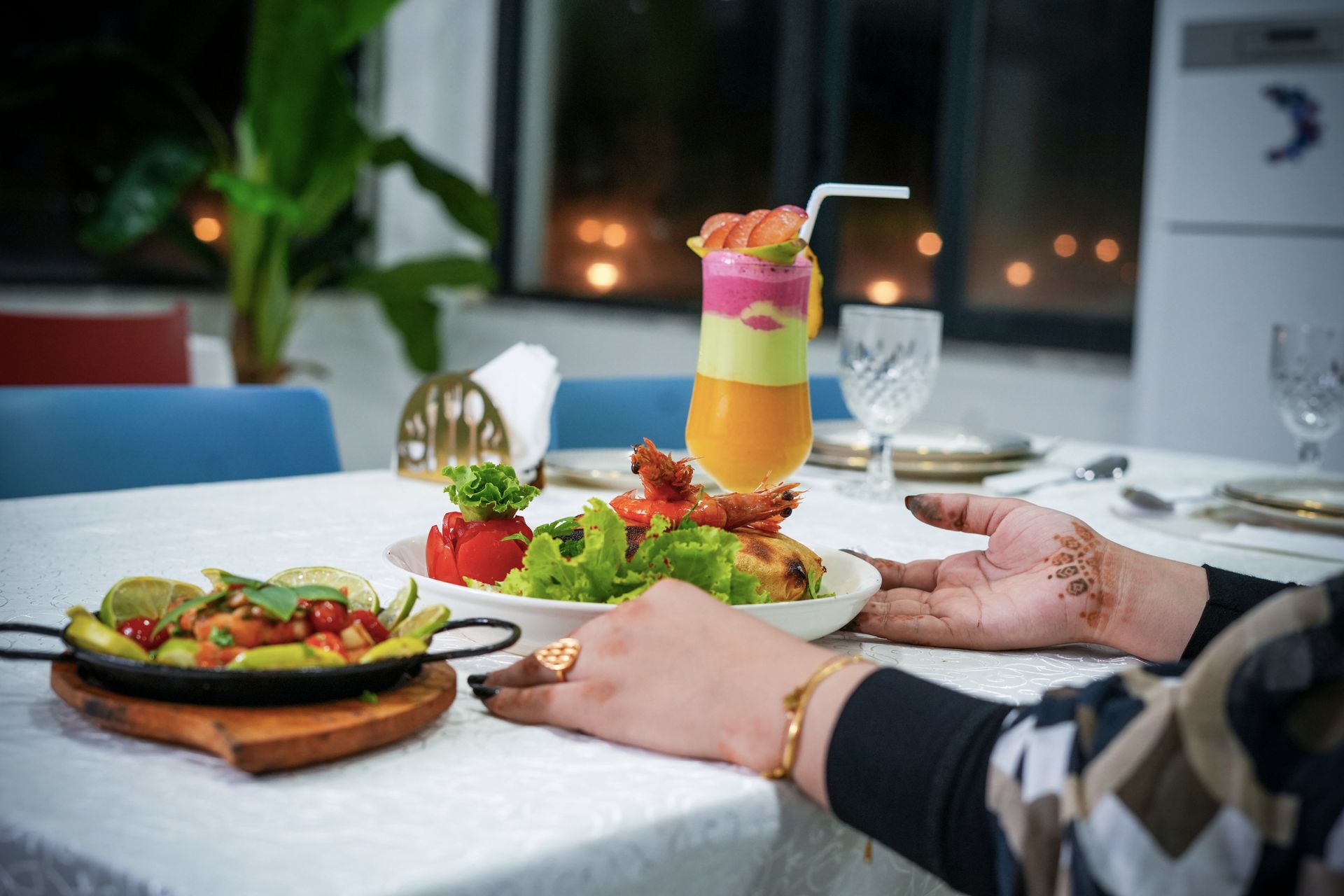
Walk through Massachusetts, and the food can change within a few subway stops or town lines. Portuguese bakeries sell sweet bread in Fall River. Italian grocers prepare fresh pasta in Boston’s North End. Cambodian restaurants serve fragrant soups in Lowell. These immigrant food traditions reveal how newcomers built communities, preserved family memories, and shaped neighborhoods across the state.
Why Does Food Reveal So Much About a Neighborhood?
Food reveals who settled in a place, which ingredients were available, and how families adapted after arriving. Recipes often survived even when languages, occupations, and street layouts changed.
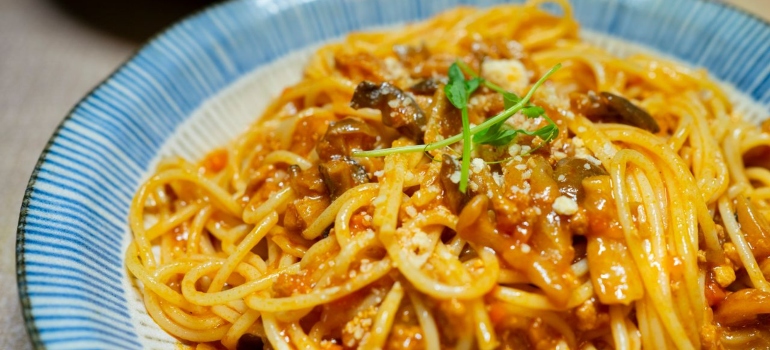
Historians examine markets, restaurants, and home kitchens when studying how cultures are shaped by cuisine. A neighborhood dish can reflect migration patterns, religious customs, trade networks, and local working conditions.
Community food businesses serve several purposes:
- They provide familiar ingredients to immigrant families.
- They create jobs for relatives and new arrivals.
- They introduce traditional dishes to a wider public.
- They offer informal gathering places for the neighborhood.
How Did Massachusetts Become a Culinary Crossroads?
Massachusetts became a culinary crossroads because its ports, factories, universities, and industrial cities attracted people from around the world. Each community brought recipes and cooking methods that gradually became part of the state’s identity.
The density of these communities also helped culinary influences spread beyond their original enclaves. Urban life in Massachusetts, especially around Boston, is built on compact neighborhoods and transit lines, so residents can reach North End pastry shops, Brazilian bakeries, and Armenian markets with a short subway or bus ride instead of a long drive. That everyday access keeps independent restaurants, bakeries, and specialist food shops in steady business.
Where Does Boston’s Italian Heritage Remain Visible?
Boston’s North End remains the state’s most recognizable Italian American food district. Restaurants, pastry shops, salumerias, and cafés sit along streets that developed long before the neighborhood became a dining destination.
Italian immigrants arrived in growing numbers during the late nineteenth and early twentieth centuries. Their cooking drew from several parts of Italy. Southern Italian dishes became especially prominent, with tomatoes, seafood, bread, and pasta forming the basis of many meals.
The neighborhood changed as later generations moved elsewhere, yet its culinary identity remained visible. Visitors can still find:
- Fresh pasta and filled ravioli
- Cannoli and cream-filled pastries
- Cured meats, cheeses, and imported goods
- Seafood dishes connected to Catholic fasting customs
Other American cities experienced comparable changes. Studying the German history of Milwaukee shows how breweries, meat markets, bakeries, and social clubs can preserve an immigrant presence as settlement patterns shift.
What Makes Portuguese Food Central to Southeastern Massachusetts?
Portuguese food is central to southeastern Massachusetts because generations of immigrants from the Azores, Madeira, and mainland Portugal settled around New Bedford and Fall River. Their influence remains visible in everyday meals and religious celebrations.
Fishing and maritime work created natural connections between Portuguese newcomers and coastal Massachusetts. Local menus often feature salt cod, kale soup, seasoned pork, and seafood stews. Bakeries sell sweet bread and custard tarts for ordinary breakfasts and holiday tables.
The resulting cuisine is not a frozen copy of food overseas. It is a regional tradition created through memory, necessity, and exchange.
How Did Lowell Become Known for Southeast Asian Cooking?
Lowell developed a prominent Cambodian American community after refugees began arriving in the late twentieth century. Grocery stores and restaurants became places where families could rebuild familiar routines after displacement.
Cambodian cooking in Lowell includes rice dishes, sour soups, grilled meats, fresh herbs, and fermented flavors. Food businesses helped newcomers find employment while introducing local diners to unfamiliar ingredients.
Several Southeast Asian influences now coexist in the city:
- Cambodian soups with sour, salty, and herbal flavors
- Vietnamese noodle dishes with fresh vegetables
- Lao salads, grilled meats, and sticky rice
- Markets carrying tropical produce, sauces, and spices
These businesses make immigrant food traditions part of Lowell’s present identity rather than a historical footnote.
Why Is Brazilian Food Visible Around Greater Boston?
Brazilian food is especially visible in Framingham, Everett, and parts of Boston because of migration that accelerated during the late twentieth century. Markets, bakeries, butcher shops, and buffet restaurants now serve Brazilian residents and other customers.
Menus may include grilled meats, black bean stews, cheese bread, savory pastries, and fruit drinks. A single restaurant may serve dishes associated with Minas Gerais, Bahia, or southern barbecue traditions. That variety reminds visitors that national cuisines contain many local histories.
How Have Greek and Armenian Communities Influenced Local Menus?
Greek and Armenian communities have influenced Massachusetts through bakeries, markets, church festivals, and family restaurants. Watertown became closely associated with Armenian American life, while Greek communities developed across the state.
Religious institutions helped preserve both cuisines. Church festivals allowed volunteers to prepare traditional food together while welcoming the broader public. Recipes could remain connected to community life rather than becoming restaurant products alone.
What Do Neighborhood Restaurants Preserve Beyond Recipes?
Neighborhood restaurants preserve languages, relationships, memories, and forms of hospitality. A dining room may function as a meeting place where customers hear familiar music, read community notices, or speak their first language.
Family ownership also carries knowledge that rarely appears in cookbooks. Preparation may depend on touch, aroma, timing, and techniques demonstrated by an older relative. Younger family members inherit both practical skills and stories about why certain dishes matter.
How Can Travelers Experience These Communities Respectfully?
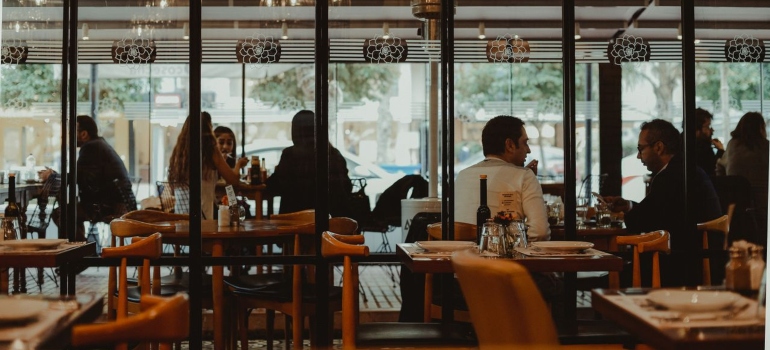
Travelers should treat each neighborhood as a living community rather than a themed attraction. Local food becomes more meaningful when visitors also notice the area’s history, institutions, public spaces, and residents.
A thoughtful visit may include:
- Ordering a regional specialty
- Visiting an independent market or bakery
- Attending a publicly advertised festival
- Asking respectful questions when staff have time
- Learning about the neighborhood before arriving
Buying from locally owned businesses helps keep culinary knowledge within the community. Public festivals are often the easiest way in. Events such as Florida’s Viva Ybor in Tampa show how food, music, and neighborhood traditions can keep a community’s history visible across generations, and Massachusetts church festivals and feast days work much the same way.
Why Do Immigrant Food Traditions Still Matter?
Massachusetts would taste entirely different without the communities that transformed its ports, mill cities, suburbs, and urban streets. Each bakery, market, church supper, and family restaurant represents more than a meal. Together, immigrant food traditions preserve cultural memory while creating connections among neighbors. They give travelers a direct way to understand how Massachusetts became the varied place it is today.
Author’s bio:
Claire Donovan is a travel writer with a strong interest in local history, cultural traditions, and the stories preserved through food. She enjoys exploring neighborhoods where markets, family restaurants, and community celebrations reveal the deeper character of a place.



Leave a Reply
You must be logged in to post a comment.