by Nicole Bergstrom
Regal. That is the only word to describe the feeling I had when visiting Royal Borough of Greenwich. The neighborhood was only a ten-minute walk from my Greenwich hotel, and since it was an overcast and slightly chilly but otherwise mild November weather day, I explored this borough of southeast London by foot. It is an extraordinary place to spend a day walking around and observing history and taking it easy for a few hours.
Greenwich Park
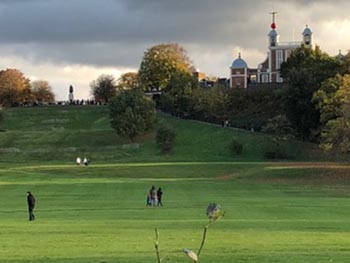 You can stroll around Greenwich Park and take in views of the city of London, the Royal Observatory, Isle of Dogs and the River Thames. This 180-acre park is part of the Greenwich World Heritage Site and is open year-round. This area of land was originally used for falconry in the 15th century. The next century, King Henry the VIII brought deer unto the land for hunting, and to present day a small herd is maintained in a southeast section. Walking the numerous pathways in the park you will see beautiful 17th century chestnut trees including the famous Queen’s Oak named after Queen Elizabeth I, many flower gardens, a duck pond and a cricket patch, plus many more amenities for visitors to enjoy.
The Queen’s House
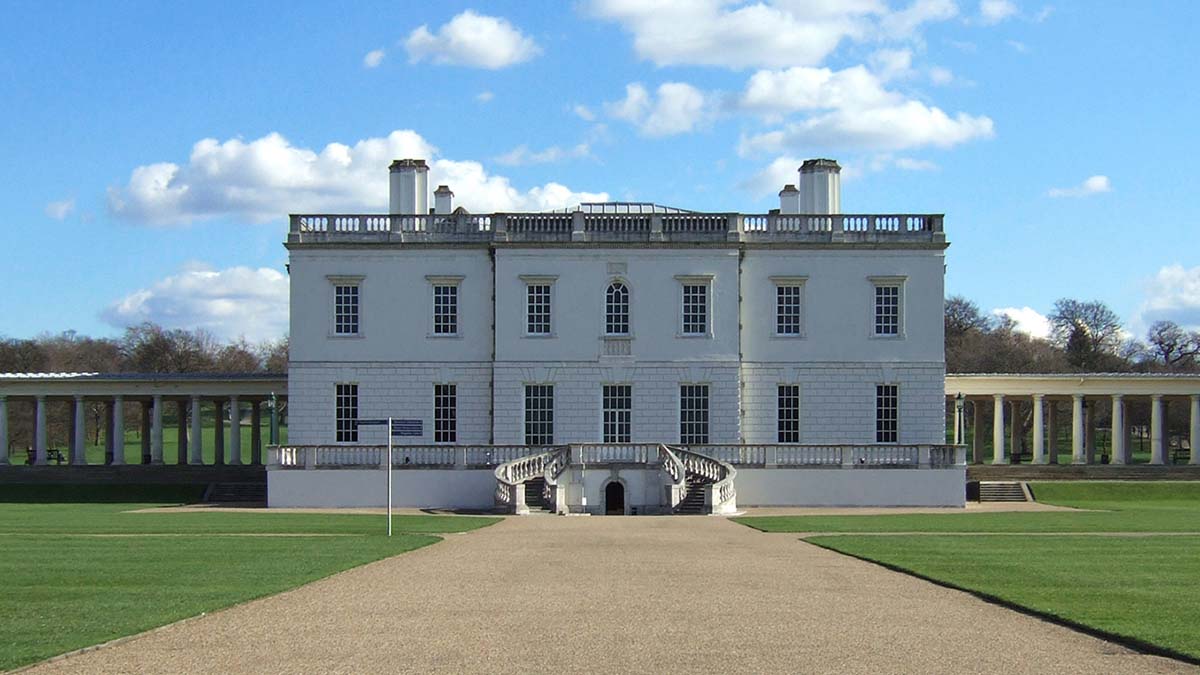
[TOP PHOTO] This house was commissioned by King James I for his wife Anne Of Denmark. It was built from 1616 to 1635 by architect Inigo Jones. It has become one of the most important homes in British history, due to the fact that it is the first classical structure built in England. You can walk into the Great Hall and look up at the ceiling and marvel at the Tulip Stairs, first of their kind.
In this house, I found the Portrait of Queen Elizabeth I in the Queen’s Presence Chamber. This Tudor Portrait was ahead of its time, as it was an early symbol of modern feminism, showing her power as a monarch with her hand on a globe, embroidered suns in gold on her clothing and her upright posture and clear gaze.
As you walk throughout the Queen’s House, you cannot help but get absorbed in the over 450 works of art on the walls.


The Royal Observatory
 The Prime Meridian is located at this site and that is how the term Greenwich Mean Time came about. The Royal Observatory was commissioned on August 10th, 1675 by King Charles II with the foundation stone laid on that day. Architect Sir Christopher Wren chose the site. The International Date Line divides the Eastern and Western Hemispheres. The Prime Meridian is marked in several ways at the observatory, including a brass then stainless-steel strip in the courtyard, a sign inside the observatory, and since December 1999 this basis of longitude has been marked by a laser pointing North into the London sky.
Inside the Royal Observatory building, you will learn about the work of British astronomers such as James Bradley, mathematician Jonas Moore and clockmaker Thomas Tompian that collaborated on the conception and establishment of the Royal Observatory and the Prime Meridian.
The Cutty Sark
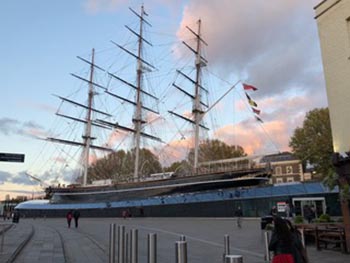 It really is something to be in the presence of the famous Cutty Sark. Located on the Thames River at Greenwich Pier, this British Clipper Ship was built in 1869. She was one of the last tea clipper ships and one of the fastest. The Cutty Sark has an amazing history as it was used as primarily a tea transport ship for its first eight years in service, a various cargo ship from 1878 to 1873, an Australian wool cargo ship and was finally sold to Portuguese cargo company J. Ferreira & Co. ship in 1895, and served on this fleet renamed Ferreira until 1922 when she was renamed Cutty Sark and returned to her present home of Greenwich in London. Many events are planned year-round in and around this historical clipper ship and it is definitely worth a visit when in London.


North Greenwich and Greenwich Market
The streets of Greenwich still have the feeling of another time, in spite of the fact that a few modern chain restaurants are located throughout the borough. From the quaint Tudor taverns to the Greenwich Market, you really feel like you are stepping in the past. Here you can get some traditional British fish and chips, or Pie and Mash with eels. Here there are many unique shops and food vendors to serve every budget and taste.
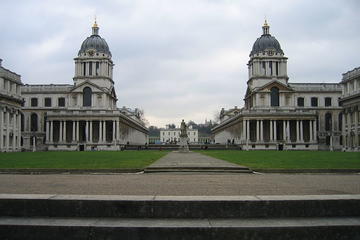
Royal Greenwich Day Tour
from: Viator
If You Go:
The borough of Greenwich is located in a section of London that is convenient to many other attractions in the city. This area of the city is accessible from the London Underground Station North Greenwich, or you can take the Docklands Light Railway to the Cutty Sark Station. From the riverbank, you can catch numerous ferries across the Thames. You can take the Emirates Air Line cable car from the Greenwich Peninsula near the O2 Arena over the Thames to the very popular Excel Center at the Royal Docks.
You can also get a ‘Cutty Sark’ Entrance Ticket online.
Daily guided tours of Royal Greenwich are offered several times a day from the visitor center. These tours take you around the borough and give you a good orientation of the area.
About the author:
Nicole Bergstrom is a journalist and seasoned traveler. She studied Journalism/Communications at Pace University, where she focused her course of study on magazine feature writing. She worked for nine years in magazine advertising before returning to her passions: writing and traveling. In May 2017, she started her travel blog, Nicole the Travel Scribe, where she documents her journeys.


Photo Credits:
Queen’s House by Bill Bertram / CC BY-SA
All other photos are by Nicole Bergstrom
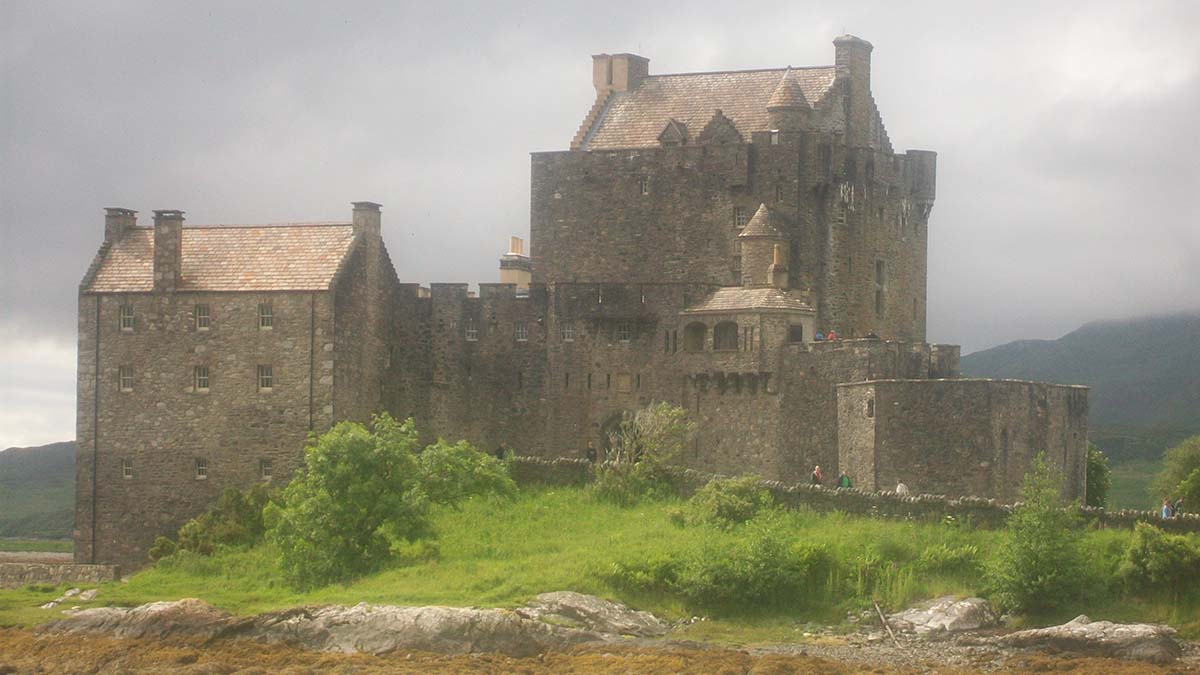
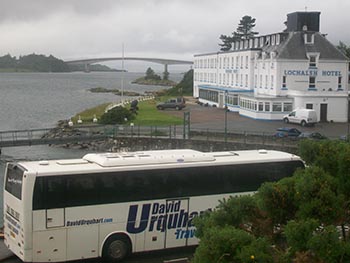 Maybe it was the type of holiday: endless hot sunshine highways and beaches might have inspired a desire for more freedom. We were traveling to the end of the road on this holiday, literally at John O’ Groats, and to the most interesting places around, so I was content… although the Orkney Islands looked temptingly close out in the ocean!
 This time we traveled through the Cairngorms National Park and past Inverness to the small village of Garve. Low cloud and dusk limited the view, but increased the melancholic atmosphere; it felt great to be surrounded by nature once more, having escaped high-density population. The roads were so narrow in places there was little room for pedestrians or cyclists.
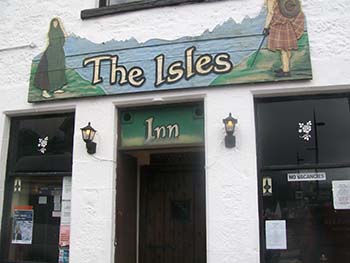 After a quick walk around the main town my mother and I went to the Isles Inn. It looked a traditional pub from the outside, and its interior was similarly rustic, with a stone decor ideal for the open fireplace. I had a tasty vegetarian haggis with mashed potatoes, vegetables and gravy to eat; washed down with a local ale.
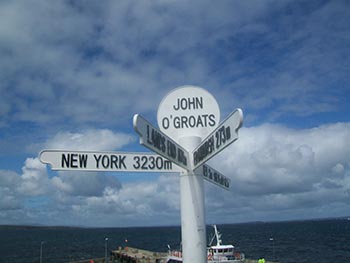 Driving north to John O’ Groats alongside the east coast was quite exhilarating. We stopped in Dornoch on the way, with its historic monthly market taking place that morning. On the opposite side of the street, the old jailhouse has been converted into stylish shops. It also has a thirteenth-century cathedral; Madonna and Guy Ritchie’s son Rocco John Ritchie was baptized there in 2000, the day before the couple married in nearby Skibo Castle.

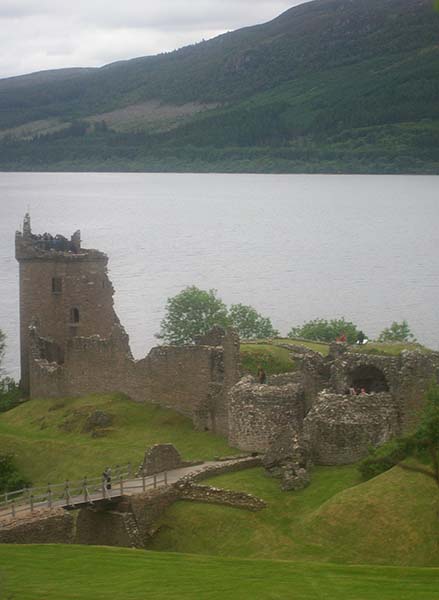 The majority of our group had said they’d prefer to split the third day by visiting Loch Ness before Inverness, instead of spending the whole day in the latter, and that was okay with our driver/guide. So, in the morning we drove forty-five minutes south to Loch Ness, and parked above, funnily enough, Urquhart Castle. Nobody saw Nessie, but it was a nice setting above the loch. I had previously seen the north of the loch from the Rockness festival in 2008.
 About the author: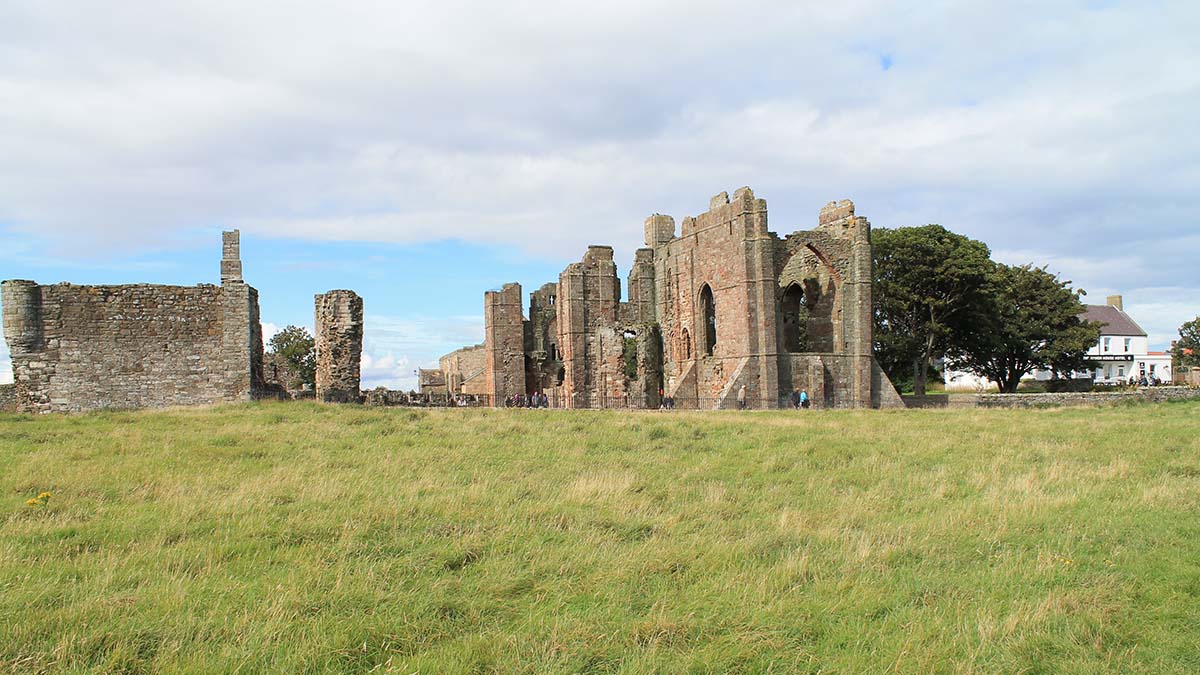


 Lindisfarne Itself is about a mile or 1.6 kilometers off the mainland. There is a causeway that makes its way across the tidal flats and then winds through the dunes along the island’s shore. A walking path is also there for those who are so inclined. It is along this route that pilgrims traveled as far back as the 6th century to reach one of the great centers of Celtic Christianity founded by an Irish monk named Aiden. Posted at either end of the causeway and also on the island’s website are tidal charts. When planning your visit to the island you must plan around the incoming and outgoing tides. Failure to do so may result in being stranded on the causeway as the tide rises. The tide times differ from month to month and day to day so it is imperative to consult the charts for the day or days you plan to visit. You do not want to be caught by a rising tide. Because this has happened in the past there is an escape tower situated along the route. If you choose to walk, the Island’s website suggests that it is a good idea to be accompanied by someone familiar with the area. With an overcast sky the drive is rather bleak and, for those of us unfamiliar with oceans and tides, there is just a bit of apprehension as we head down the causeway. With the tide out there is a broad plain with pools of water remaining here and there. We hope we understood the charts correctly.
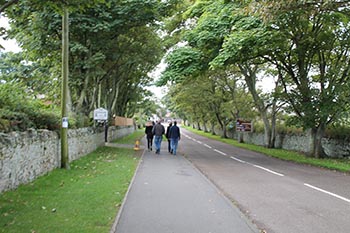
 Once across there is a parking lot where visitors must leave their vehicles. Be prepared for a fairly long walk to get to the village, ruins and the castle. However, for those who wish to use it, there are shuttle buses that will take you into village and even up to the castle. They run at specific times so check the schedule. The walk to the town itself is scenic as you leave behind the barren shoreline. Trees line the street and there is fresh produce for sale at a roadside stand. Stone buildings in the town and cobblestone streets give a pervasive atmosphere of going back in time.
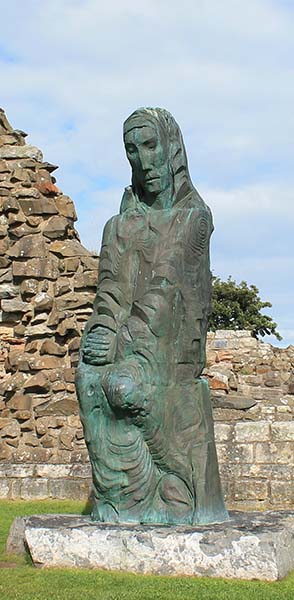 Because very few vehicles are allowed, it is very quiet and people wander about the streets at their own pace. You can visit the Lindisfarne Priory, which is not the original, which was destroyed by the Vikings. There is also a museum and visitor centre that details the history of the island. Here is a wealth of information about the founding saint of the monastery, Aidan and of Saint Cuthbert and the story of the Lindisfarne Gospels. This ancient book was written at the monastery about 700 AD in honour of St. Cuthbert. The original manuscript, which has survived to this day, is ornately decorated and is now housed in the British Library in London.
 Heading back to the center of the village we pass by St. Mary’s Parish Church. It stands upon the site where the original monastery was built by Saint Aiden (some scholars believe the next Bishop named Finnian built the first wooden church). The service is in progress. Services are held three times a day every day of the week.
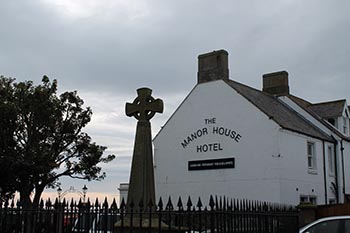 In the village there are various places to eat. There is an inn and many different accommodations including Bed and Breakfasts and Self-Catering units. To be able to stay on the island book well in advance as during the summer season it can be busy. Even places on the nearby mainland fill up quickly.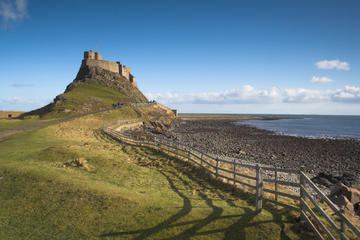

 About the author: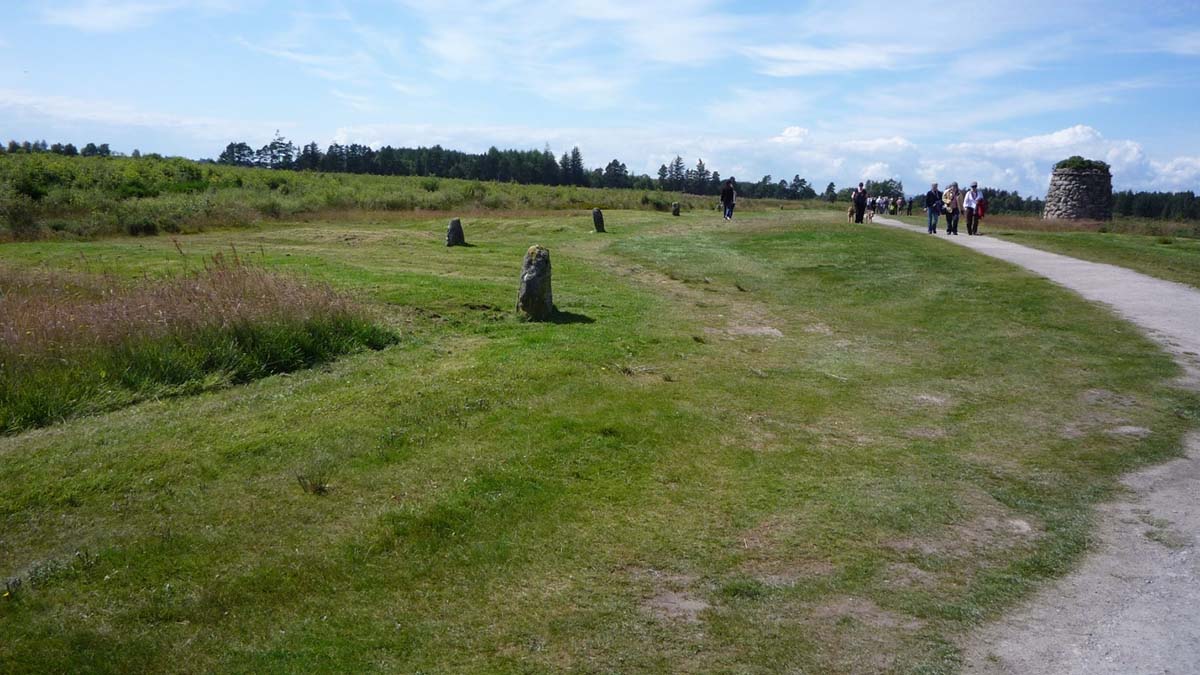


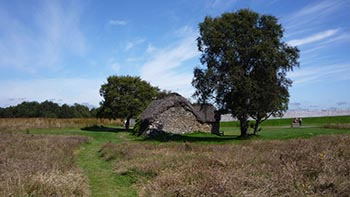

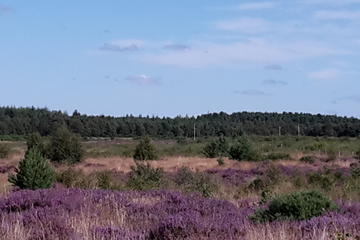
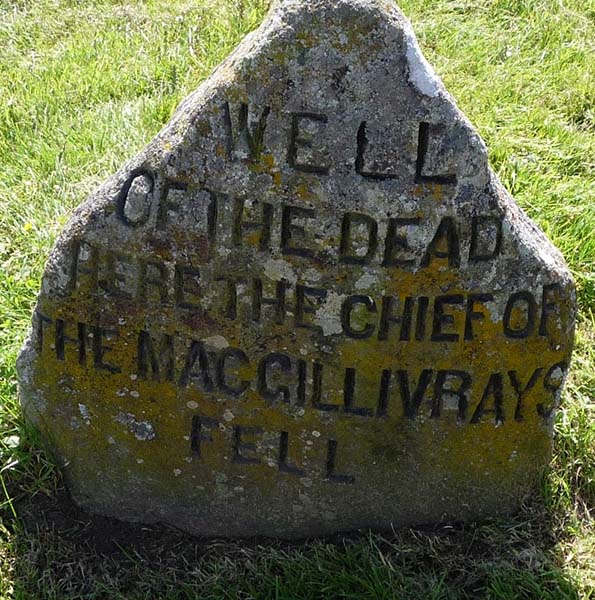 Since 2007, there has been a Visitor Center at the site which tells the tale. The Visitor Center is well worth your time to go through and learn all about the battle before heading outdoors to the moor itself. You can take an audio tape out with you which gives details about the battle and armies, a good choice. If you have the stomach, experience the circular video re-enactment of the battle inside the center. It is easy to feel respect and admiration, as well as heartache, for the doomed men who battled bravely, knowing they were charging into their death.


 About the author:


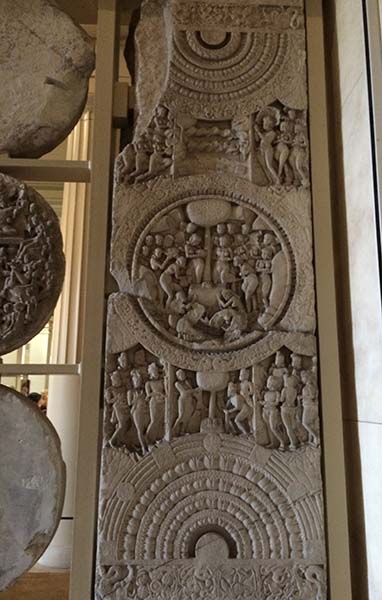 The Amaravati Stupa, also known as a Maha Chaitya or Great Stupa is considered to be the largest stupa in India, even larger than its most famous counterpart, the Sanchi Stupa. While the Sanchi Stupa is a major tourist attraction in India, the Amaravati Stupa suffered a different fate. Evidence has shown that the stupa built during the reign of the Mauryan Emperor Ashoka, remained a major religious site well into the 14th century when Hinduism had become the primary religion in India. Till about 1344 AD, various successive dynasties, helped in building and extending the stupa and its surrounding areas.
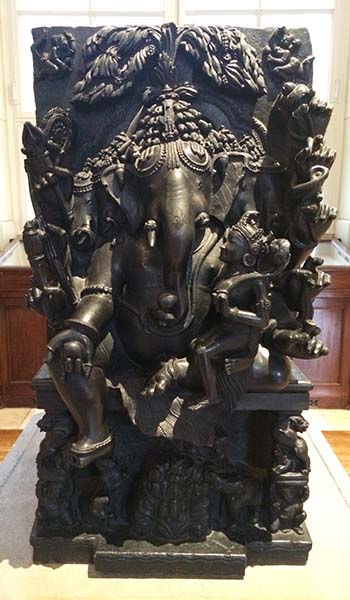 The gallery also boasts of a sprawling collection of Hindu bronzes, statues and sculptures known almost misleadingly as the Bridge Collection. I admired the dark, seated stone figure of the Hindu sun god, Surya from 13th century Orissa, part of a group of eye catching sculptures which show the nine planets or the “navagrahas”. My eyes rested on a marvelously carved, seated stone figure of Ganesh, the remover of obstacles, also from the same era, depicted unusually with five heads and ten hands. The entire collection was amassed by Charles “Hindoo” Stuart, an Irish officer in the East India Company, known for his affinity to Hinduism and Indian culture. He collected antiquities mostly from the states of Bengal, Orissa, Bihar and Central India and displayed them at his home in Kolkata. After his death and burial in Kolkata in 1828, his impressive collection was transferred to England where it was sold in auction to John Bridge in 1829-30. Thus the collection was given to the museum in 1872 by the Bridge family heirs.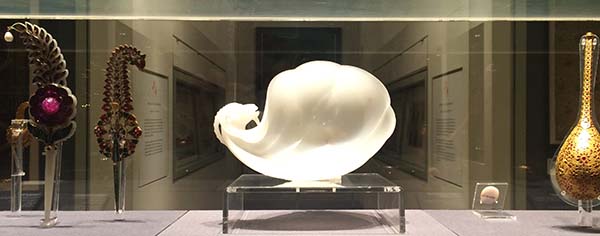
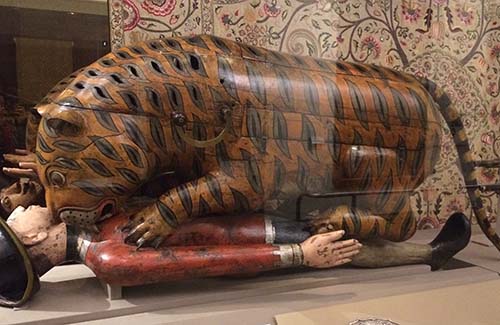 Following this, we walked over to see Tipu’s Tiger. Considered by the museum to be one of its most precious and popular objects, this intriguing musical tiger mauling a red coated European soldier was made for Tipu Sultan, the king of Mysore, sometimes known as the “Tiger of Mysore” in South India. Tipu ruled from 1782 to 1799 and fought three wars against the British East India Company before being finally defeated and killed in his capital, Seringapatam in 1799. His treasury was immediately divided among the Company soldiers and the tiger was first displayed at the India museum in 1808. After the dissolution of the East India Company, this semi-automaton musical instrument was moved to the South Kensington museum, now the V & A and has been on display ever since. I realized that a visit to these two museums can be an enlightening as well as a poignant experience for most Indians.