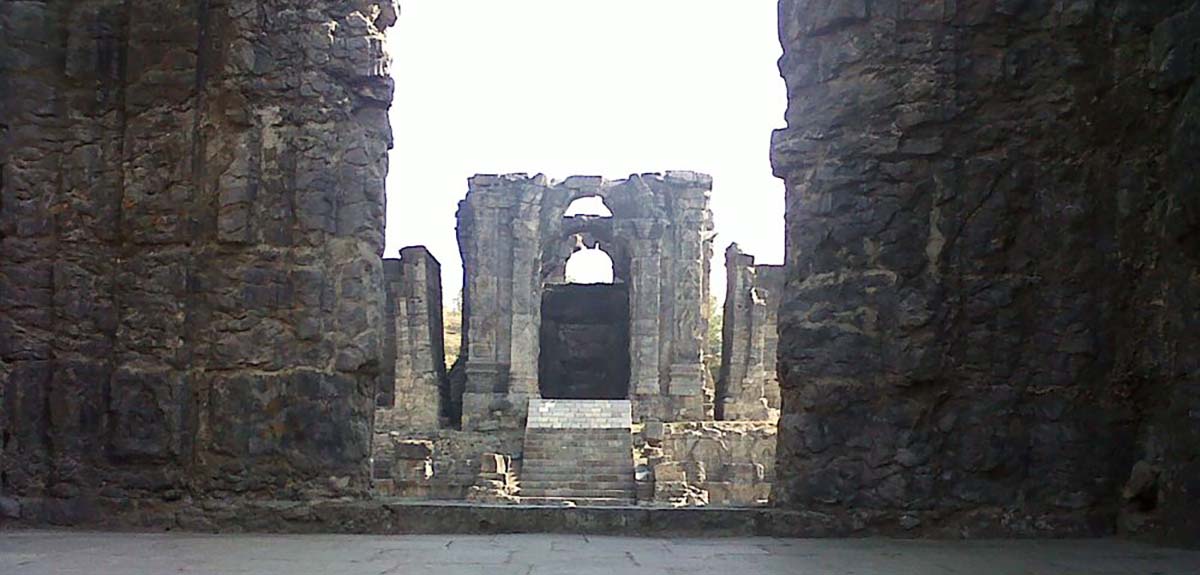
Intriguing Ruins of a Lost Dynasty
by Priya Florence Shah
In early November 2011, I was fortunate to go on a 10-day trip to Kashmir, a state at the very north of India, that has since been overrun by terrorism and violence.
During our visit, our Kashmiri guide, Parvaiz bhai, took us way off the usual tourist route to see some gems of Kashmiri architecture that very few people get to see. One of these was the Martand Sun Temple that lies 8 kilometers (5 miles) from Anantnag.
Martand is another Sanskrit name for the Hindu Sun-god, Surya. It was built during the 8th century A.D. by the third ruler of the Karkota Dynasty, Lalitaditya Muktapida, and destroyed by Sultan Sikandar Butshikan in the early 15th century.


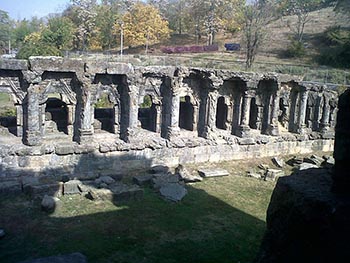 Now only the ruins remain to tell the story of this excellent specimen of Kashmiri architecture, blended into the Gandharan, Gupta, Chinese, Roman, Syrian-Byzantine and Greek forms of architecture.
Situated on top of a plateau, one can view whole of the Kashmir Valley from this temple. The courtyard has a primary shrine in its center and is surrounded by 84 smaller shrines, incorporating a smaller temple that was previously built.
According to Wikipedia, the primary shrine is located in a centralized structure (the temple proper) that is thought to have had a pyramidal top – a common feature of the temples in Kashmir.
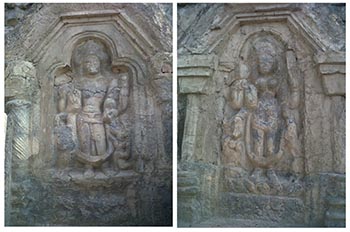 A number of wall carvings in the antechamber of the temple proper depict other gods, such as Vishnu, and river goddesses, such as Ganga and Yamuna, in addition to the sun god Surya.
Myriad other carvings, like this one depicting a lone musician playing the flute, can be found among them.
In a straight line from the central shrine, was a carving of what looked like a flower, but is more likely the sun.
Strangely, this feature is no longer visible in any of the later images of the Martand Sun temple online. Was it destroyed or stolen by vandals? I would really love to know what happened to it.


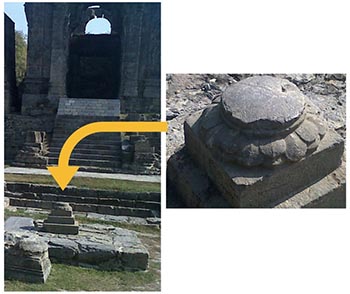 Another carving that I have not seen anywhere else online is a Shivling (Shiva Lingam depicting Lord ShivaТs male organ) with a reddish, barely visible Sanskrit symbol of СOmТ painted on it long ago, that lies forlornly in the lawns of the ruins. Shivlings are worshipped all over India as a sacred Hindu symbol of creation.
There are some more fascinating relics of the ancient civilization that built the temple, like this motif displaying the ancient Śāradā script.
Although the Martand Sun Temple is a site of national importance and appears in the list of centrally protected monuments as Martanda (Sun Temple), these relics of a lost dynasty are lying in ruin today and there seems to be no motivation to restore them.
The last time the Martand Sun temple was in the news was as the backdrop for the song Bismil from the Bollywood movie, Haider, in which it was controversially shown as a place of evil.
As a lover of ancient ruins and architecture, I considered myself lucky to get an unblemished view of this striking example of Kashmiri architecture at a time when the valley was still relatively peaceful and tourism was flourishing.


If You Go:
About the author:
Priya Florence Shah is a former journalist and publisher of Naaree.com , one of the top 100 womenТs blogs in the world. Her travel blog, AhoyMatey.blog, showcases her love for the planet and its wildlife through responsible and eco-friendly travel.


- Primary Shrine of Martand Sun Temple Kashmir
- Greek style pillars line the smaller shrines surrounding the courtyard
- Hindu god and goddess carved into the walls
- Carving of sun in the floor of the temple










 About the author:
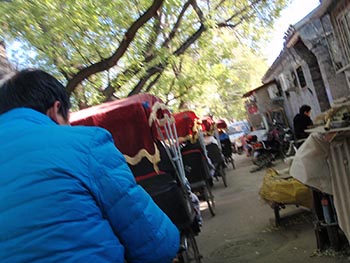
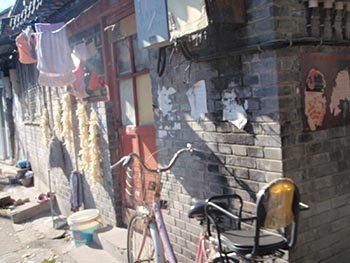

 Our next stop was a traditional courtyard house, built to accommodate the many members of a traditional extended family. This was a large sprawling house, a maze which seemed to contain at least three courtyards each surrounded by long, low buildings containing various storage, sleeping and common rooms.

 “Look at these children,” said the guide. “They are smiling and mischievous. They are normal, happy human beings. Now look at these same children a few years later, how sad and serious they are. Before, they were individuals. They all dressed differently and wore bright colours. Now they are soldiers of Mao. They are all dressed the same. See how sad they look!”


 About the author:

 Chandni chowk is also home to the representations of the different religions in India. The imposing and gorgeous Mughal era Jama Masjid, the largest mosque in India looms over the hustle and bustle of the market while the Fatehpuri Masjid, another Mughal mosque is on the other end. Nearby are the Gurudwara Sis Ganj, the Sikh temple established in 1783, the 16th century Digambara Jain temple and the Gauri Shankar Hindu temple which is dedicated to Lord Shiva.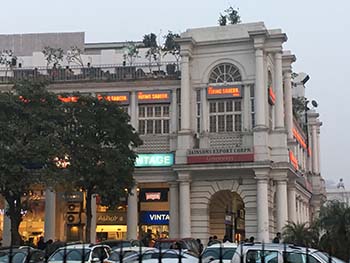


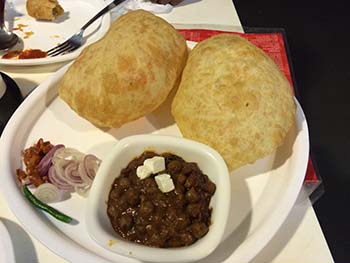
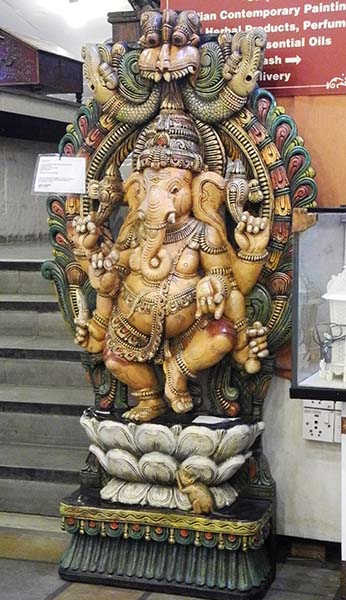 While it’s true that a mall visit can really have no redeeming purpose, we do make it a point to go to at least one to catch up on the new world of modern Delhi. The idea of shopping malls arrived in India in the 1990s as the country opened to the global economy. Delhi got its first mall in 1999 and since then shopping malls have proliferated all through the city. The DLF Promenade Mall in South Delhi is a shopping destination full of high-end international stores along with top-notch Indian brands. We particularly enjoy the various food kiosks in the food court that sell everything ranging from burgers, Indian style Chinese food, foods from Punjabi cuisine, South Indian delicacies such as dosas and idlis and Mughlai dishes of kababs and curries.


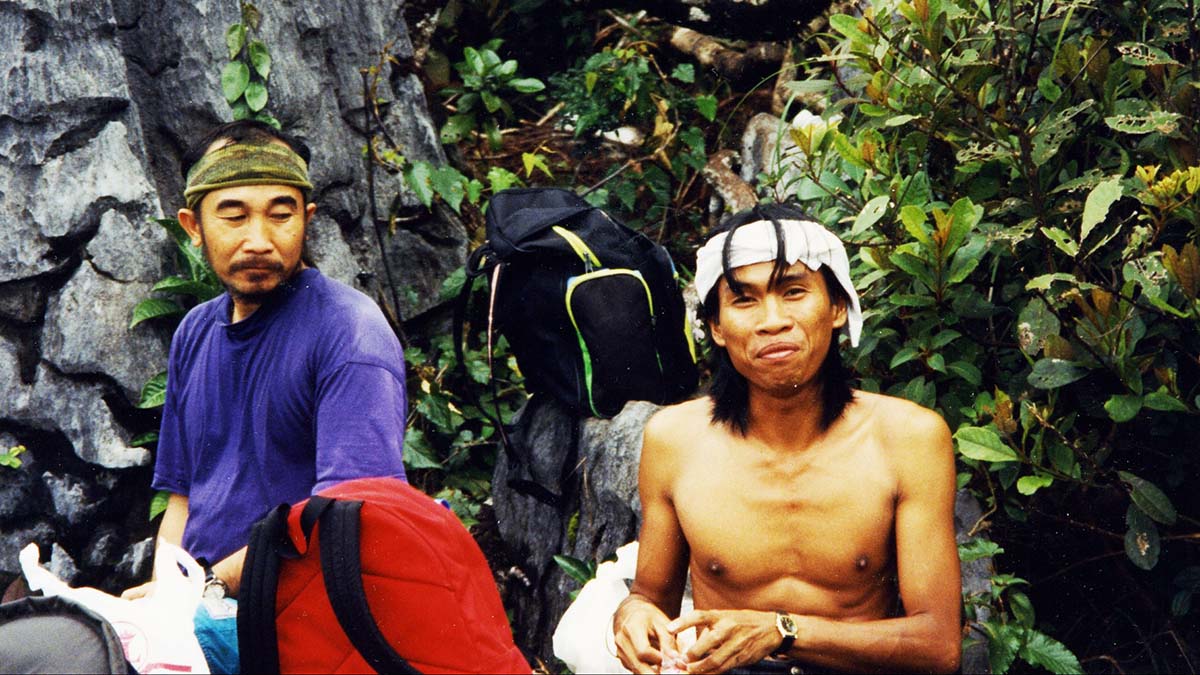

 The whole complex was developed by a Japanese hotel chain in the verdant jungle about a hundred km Southeast of Miri. During our first full day at Royal Mulu we joined a small group for a fascinating excursion to one of the nearby karst limestone caves festooned with myriads of glistening stalactites and stalagmites. The quiet beauty of the cave was alive with swarms of (free-tailed) bats, many flying in and out the entrance and others hanging quietly on the walls. Later in the afternoon back at the resort we enjoyed some soothing swims in the lavish, Jacuzzi equipped swimming pool.
 To make life at hut #5 even more difficult, the battery for the lights, fed by solar panels, is low due to many days of cloudy weather. The kitchen area alone is lit off and on, yet Sham cooks and serves us what turns out to be an excellent dinner, which we enjoy inside followed by tea on the front steps. The rain has stopped for a while and we can watch the fireflies flitting around. The no-see-ums fortunately stopped their stinging activities when it got dark.
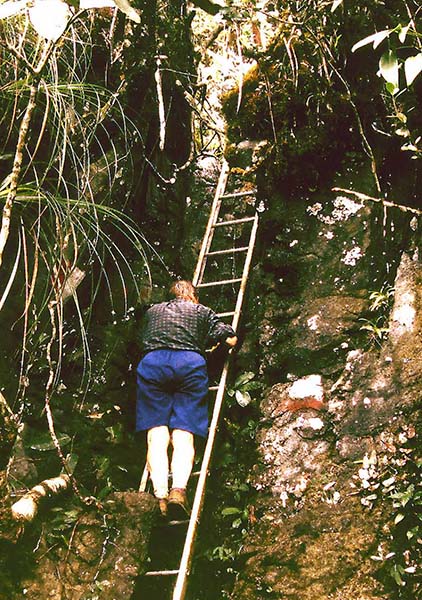 To make the trip more exciting we have to climb aluminium ladders for many steep or vertical rock sections. A total of fifteen ladders, Sham tells us, since he was a member of the trail crew that installed them. This trek turns out to be quite a workout for the old legs and arms. The hiking poles are life savers even if they are sometimes in the way, dangling from our wrists, as we scramble up the many ladders.
 I have just reached the top rung of another steep ladder leading to a wide, rocky platform when I come face to face with a snake coiled on a boulder, staring at me. “Watch out! a snake here, it’s a green one!” I shout as a warning to Esther who is climbing on the ladder just below me. “It’s only a small pit viper!” is Sham’s reassuring cry. I am lucky enough to have the camera ready, the little creature must be scared because it stays absolutely motionless while I quickly take a shot.
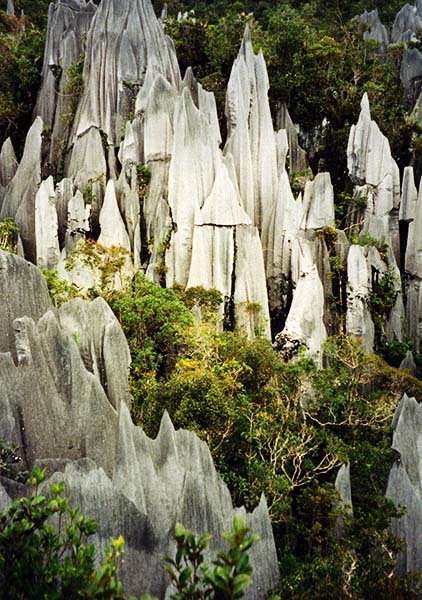 Within less than half an hour the view of the fantastic limestone “forest” is obscured by the lowering clouds. As a consolation, we have a nice lunch and a good rest with leisure to admire the beautiful red throated pitcher plants growing profusely on the inside edge of the platform and nearby a small garden of white Impatiens flowers.


