Travel Thru History

Historical and cultural travel experiences

  • Home
  • Airfare Deals
  • Get Travel Insurance
  • Writers Guidelines

Ireland’s Coastal Trails and What Makes Guided Walking Holidays Worth It

man and dogs walking in Ireland

Ireland’s coast has a way of changing the pace of a trip. One stretch feels wide and easy, with sea views and green fields opening out on either side. The next turns rockier, windier, and more dramatic, with cliffs, headlands, and old paths pulling you into the landscape. That variety is one reason coastal walking here stays with people long after the holiday ends.

It also explains why guided walking appeals to so many travellers. A good coastal route is never only about mileage. You are dealing with weather shifts, transfer timings, local history, daily pacing, and the practical question of how much energy you want left at the end of the day. Most Irish coastal walking trips sit in the Comfortable to Moderate range, which means success depends as much on planning and support as it does on fitness.

Why Ireland’s coastline rewards walkers

Walking the Irish coast gives you access that a car rarely can. A narrow clifftop trail, an old boreen leading to a cove, or a grassy headland above the Atlantic all reveal more on foot than they do from a viewpoint stop. You notice the sheep moving across a hillside, the pattern of stone walls, the smell of salt in the air, and the change in light over the water.

That sense of closeness matters in regions such as Kerry, the Dingle Peninsula, West Cork, Connemara, and the west coast islands. Trails often combine scenery with layers of story. One day might bring an early Christian site, another a fishing village, another a section of quiet upland path where the ocean keeps appearing in the distance. The route feels richer because the landscape and the culture are tied together.

Fáilte Ireland advises visitors to prepare for changing Irish conditions, and that is especially sensible on exposed coastal walks. Wind, soft ground, and the rhythm of point-to-point walking all shape how a day feels on the trail.

What a guide changes on a coastal walking trip

A guide does far more than keep the group on the correct track. On Ireland’s coast, the real value often comes from rhythm. A guide knows when a route deserves a slower pace, when weather calls for a small adjustment, and when a scenic stop is worth more than pushing on for another kilometre. That judgement turns a busy itinerary into a holiday that still feels spacious.

Guides also deepen the place itself. Coastal routes in Ireland are full of stories, from local folklore and music traditions to emigration history, old pilgrim paths, famine roads, monastic ruins, and maritime heritage. Without context, a visitor sees a beautiful cliff or ruined wall. With context, that same place becomes part of a living landscape.

Francis Hartnett puts it well: “A guided walking trip should give people time to enjoy the path, hear the local story, and finish the day feeling looked after rather than worn out.” That is a useful way to judge value. Good guidance is not only about navigation. It is about giving shape to the whole experience.

Why support matters as much as scenery

Many travellers are drawn to the coast for its beauty, but the practical side often decides whether the holiday feels relaxed or tiring. Guided walking removes much of that pressure. Transport between walks, luggage handling, accommodation planning, and group logistics are arranged in advance, so each day begins with less friction.

That support matters most when the trip includes several moving parts. A coastal holiday may start with a trail section, continue with a transfer to a more remote peninsula, and end in a village where dinner options, local music, or the next morning’s start point all benefit from insider knowledge. Without support, the traveller spends time managing details. With support, that time goes back into the holiday itself.

  • Daily logistics are organised before you arrive.
  • Group pacing is easier to manage on mixed terrain.
  • Luggage and transfers reduce physical and mental load.
  • Local recommendations improve evenings as much as the walks.

That is especially helpful for comfort-oriented couples and mature active travellers who want a walking holiday with quality accommodation and dependable structure. It is also valuable for anyone new to Irish trail conditions, where a route that looks modest on a map can feel quite different when weather and underfoot conditions change.

Comfort is part of the value, not an extra

One of the most common mistakes people make when comparing walking holidays is treating support and comfort as secondary details. On a coastal trip, they are central to the experience. A well-chosen room, a good dinner, reliable transport, and the confidence that someone is handling the moving parts all affect how much you enjoy the trail the next day.

That does not mean guided walking lacks adventure. It means the challenge is framed properly. You still walk real distances, deal with the natural contours of the land, and spend long hours outdoors. The difference is that the hard edges around the day are softened. You finish a walk and return to an en-suite room instead of wondering where to eat, how to move bags, or whether tomorrow’s route notes will match the conditions.

For many travellers, especially those visiting Ireland for the first time, that balance is exactly what makes the holiday feel worthwhile. The coast still feels wild in places. The days still feel active. Yet the overall trip remains calm, personal, and manageable.

When guided walking is the better choice

Independent walking suits some travellers well, particularly those who enjoy route-finding and want full control over each day. Guided walking tends to be the better fit when the goal is not only to complete a route but to settle into it. Travellers who value local insight, easier planning, and a more sociable atmosphere often find that a small guided group gives them far more from the same landscape.

It can also be the stronger option when the route includes multiple highlights across one region. Coastal Ireland is rarely one-note. A single guided trip may combine cliff paths, inland passes, island visits, village stops, and viewpoints that are hard to string together smoothly without local coordination. The result is a trip that feels coherent rather than pieced together.

  • You want local stories and context, not only route notes.
  • You prefer small-group support over daily self-management.
  • You value comfort after active days on the trail.
  • You want the coast to feel immersive, not rushed.

Choosing the right way to experience the coast

The strongest argument for guided walking in Ireland is simple. It lets the coast remain the main event. You notice the shifting light over the Atlantic, hear the story behind the ruin on the hill, and arrive each evening with enough energy left to enjoy the village, the food, and the sense of place around you.

Travellers weighing their options often start with guided walking holidays in Ireland because that format combines scenery, local expertise, and day-to-day support in a way that suits the country’s coastal regions particularly well. It is not only a convenient way to walk. It is a better way to recognise what makes these trails special in the first place.

For the right traveller, that is what makes the holiday worth it. The route feels easier to enjoy, the details feel lighter, and the coastline has the space it needs to leave an impression.


Tagged With: Ireland walking trails Filed Under: Europe Travel

Valletta: Walking Through the World’s Smallest Capital

Valetta, Malta

A Baroque Jewel Built by Crusader Knights on a Rocky Peninsula

There are cities that grow organically over centuries, layer upon layer of stone and story. And then there is Valletta — a city that was conceived on a single afternoon in 1566, sketched into the bedrock of Malta by a Grandmaster of the Knights of St. John, and built with the urgent fury of men who had barely survived a siege.

I arrived on a bright October morning, stepping off the ferry from Sliema into the Grand Harbour as sailors have done for five hundred years. The bastions rose above me in honey-coloured limestone, impossibly dramatic, the walls still bearing the scars of cannon fire and, more recently, the Luftwaffe. Malta was bombed more heavily per square mile than anywhere else during World War II, and Valletta absorbed much of that punishment. Yet it stands, absurdly intact, a UNESCO World Heritage city of 320 acres that somehow contains more churches per square kilometre than Rome.

Built by a Knight for Knights

The story of Valletta begins with fire and blood. In 1565, the Ottoman Empire launched the Great Siege of Malta, sending an armada of some 40,000 men to crush the Knights Hospitaller once and for all. The Knights, numbering fewer than 700, held out for four months in a defence so ferocious it became legendary across Christian Europe. When Ottoman forces finally withdrew, Grandmaster Jean de Valette resolved that the knights would never again be caught in such a vulnerable position. He would build a new city — a fortified capital from which no enemy could dislodge them.

He commissioned the Italian military architect Francesco Laparelli, who drew up a rational Renaissance grid plan on the Sciberras Peninsula. Building began in 1566. Jean de Valette himself laid the first stone. He died before the city was complete, but it was named in his honour, and his tomb lies inside the Co-Cathedral of St. John, the city’s most spectacular monument.

Inside St. John’s Co-Cathedral

Nothing quite prepares you for St. John’s. From the outside, it is deliberately austere — a military fortress of a façade that gives away nothing. Step inside and the effect is staggering. Every inch of the interior is encrusted with gilded carvings, marble inlay, and Baroque excess. The nave floor is an enormous mosaic of 400 marble tombstones — the graves of the Knights themselves, each decorated with heraldic symbols and grim memento mori imagery. You are literally walking over the dead.

In a side chapel hangs The Beheading of Saint John the Baptist by Caravaggio — the only painting the master ever signed, a signature he placed, unusually, in the blood pooling beneath the saint’s severed head. Caravaggio fled to Malta in 1607 as a fugitive after committing murder in Rome. The Knights, impressed by his genius, made him a Knight of Grace. He repaid them with two masterpieces before a further scandal forced his flight. The painting is immense, perhaps nine feet tall, and in the dim light of the oratory, it is genuinely unsettling. A crowd of tourists shuffles past in near silence.

The Streets of the Knights

From St. John’s, I walked up Triq il-Merkanti — Merchant Street — and into the heart of the auberges, the grand lodging houses built by each of the eight Langues, or national divisions, of the Knights. France, Aragon, Castile, England, Germany, Italy, Provence, Auvergne — each built their own palace, competing in architectural ambition. The Auberge de Castille, now the office of the Prime Minister, commands the highest point of the city in gold-washed Baroque magnificence. The Auberge d’Italie houses the Malta Tourism Authority. History has been repurposed, as it tends to be.

The city’s street plan, laid out in that rational Renaissance grid, makes it unusually navigable for such a richly layered place. Valletta’s spine is Republic Street, a pedestrianised thoroughfare lined with cafés, bookshops, and the remarkable National Museum of Archaeology, where I spent an absorbing hour with Malta’s prehistoric artefacts — figurines and ceramics from the Ħaġar Qim and Mnajdra temples, structures older than Stonehenge and older than the Pyramids.

The Upper Barrakka Gardens and the War Beneath

No visit to Valletta is complete without the Upper Barrakka Gardens, perched atop the bastions with a panorama across the Grand Harbour that has been painted and photographed a thousand times without ever losing its power. The three cities — Vittoriosa, Senglea, and Cospicua — huddle on the far shore, their own fortifications bristling. At noon, the Saluting Battery fires its daily cannon — a thunderclap that rolls across the water and sends pigeons spiralling into the sky.

Beneath the gardens, carved into the very rock of the bastions, is the Lascaris War Rooms — the Allied Forces’ underground headquarters during World War II, where Eisenhower and Churchill planned the Allied invasion of Sicily in 1943. The rooms have been meticulously restored; uniformed mannequins bend over plotting tables, and the original communications equipment is still in place. It is one of those spaces where the past feels suddenly, uncomfortably close.

Evening in Valletta

As the day trippers departed, the city exhaled. Valletta in the evening belongs to its 6,000 or so residents, to the restaurants filling with Maltese families, to the bars around St. George’s Square where cats lounge on sun-warmed limestone. I ate grilled lampuki — Malta’s beloved dolphinfish, landed that morning — at a terrace table with the Grandmaster’s Palace lit up behind me. The wine was Maltese, dry and mineral. The night was warm. Five centuries of history pressed in from every wall.

It struck me that Valletta is, in the most literal sense, the product of a single will — one man’s refusal to be defeated again. That is a strange thing to feel in a city. Most places accumulate meaning slowly, without intention. Valletta was willed into existence, and you can feel it still.

If You Go

Getting There: Malta’s international airport is served by numerous European carriers. Travellers from further afield will typically connect through London, Rome, or Frankfurt. Booking early through aggregator sites — including cheap flights from Kiwi — can significantly reduce transatlantic connection costs, especially outside peak summer season.

Getting Around: Valletta is tiny and entirely walkable. Ferries run regularly across the Grand Harbour to the Three Cities (highly recommended for an afternoon excursion). The Hop-On Hop-Off bus connects Valletta with major sights around the island.

When to Go: Spring (April–May) and autumn (October–November) offer ideal temperatures and manageable crowds. July and August are intensely hot and very busy.

Don’t Miss:

  • John’s Co-Cathedral and its Caravaggio oratory (book online in advance)
  • The National Museum of Archaeology
  • The Lascaris War Rooms
  • The Upper Barrakka Gardens at noon for the cannon salute
  • A ferry trip to Vittoriosa (Birgu) to walk the streets where the Knights lived before Valletta existed

Where to Stay: The Iniala Harbour House and Rosselli are both excellent boutique hotels housed in restored palazzos. Mid-range travellers will find comfortable options along the Sliema waterfront, a short ferry ride away.

Practical Notes: Entrance to St. John’s Co-Cathedral costs €15 (includes audio guide). The Lascaris War Rooms charge €10. The Archaeological Museum is €5. Many of Valletta’s street-facing churches are free to enter.


About the Author:
A travel writer and historian based in Europe, Marlie Parsons focuses on the intersections of military history, art, and place. Her work has appeared in print travel publications across the continent. She travels with a notebook, a camera, and an unreasonable number of guide books.


Tagged With: Valetta attractions Filed Under: Europe Travel

How to Stay Connected While Travelling in Europe in 2026

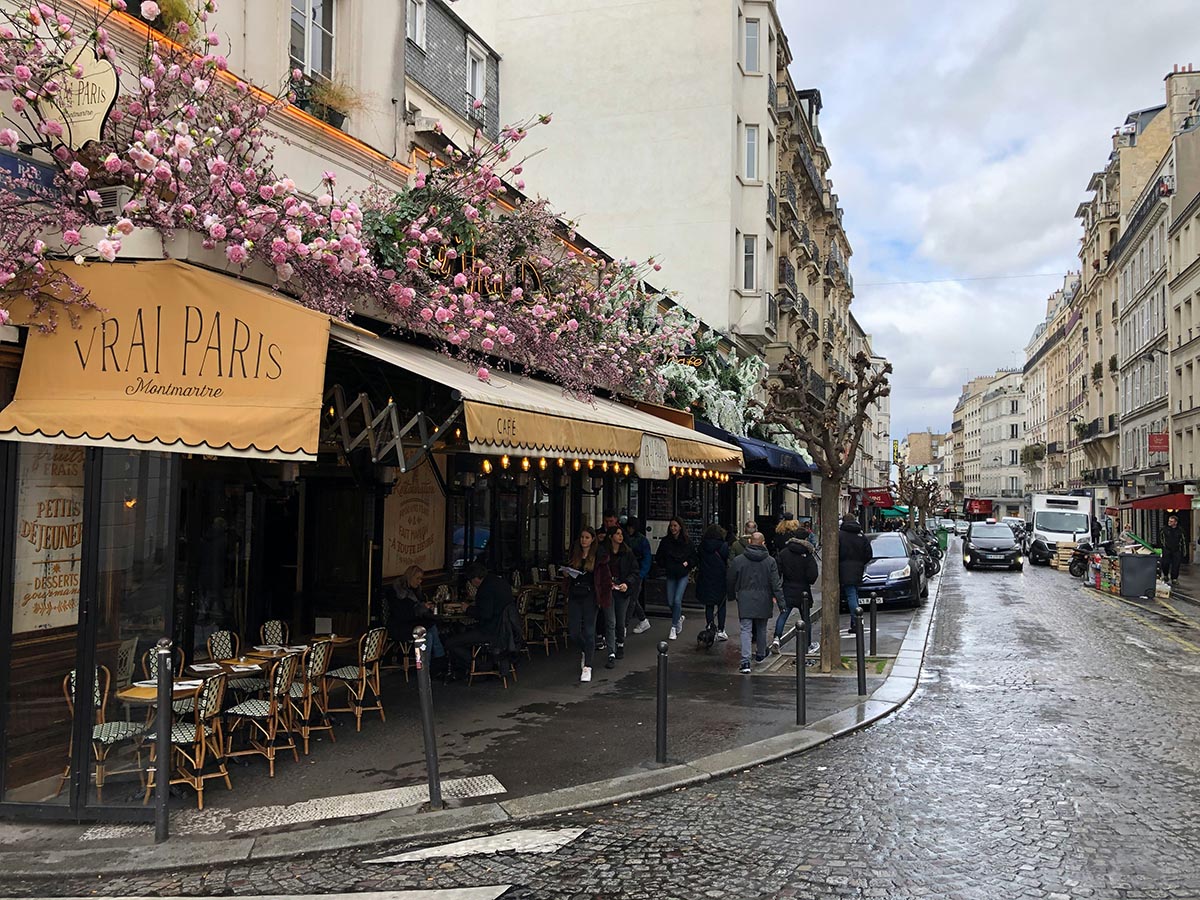
Paris cafe

Stepping off a train in Prague, opening your maps app to navigate cobbled streets, booking last-minute museum tickets in Paris, or video-calling home from a Barcelona café — staying connected matters. Mobile internet isn’t just convenient when you’re travelling across Europe; it’s become essential for managing bookings, finding your way, translating menus, sharing moments, and handling the unexpected.

But Europe presents its own connectivity puzzle. You’re crossing borders constantly, each country has different mobile networks, and roaming rules vary wildly depending on where you’re from. What works perfectly in Rome might leave you with no signal — or a shocking bill — by the time you reach Vienna. Understanding your options before you travel makes the difference between smooth sailing and stressful surprises.

Why Staying Connected While Travelling in Europe Matters

Twenty years ago, travellers managed with paper maps and payphones. Today, your phone is your guidebook, boarding pass, restaurant finder, emergency translator, and photo album rolled into one.

Practical situations where you’ll rely on internet access include checking real-time train departures, accessing digital tickets and reservation confirmations, using navigation apps in unfamiliar cities, finding pharmacies or emergency services, managing banking and payment apps, staying in touch with travel companions who’ve wandered off, and sharing photos while memories are fresh. Even simple tasks like finding out whether a museum accepts card payments or what time a restaurant closes become frustrating without connectivity.

The challenge is finding a solution that works across multiple countries without draining your budget or forcing you to hunt down SIM cards in every new city.

International Roaming: The Easy but Expensive Option

Using your home mobile network abroad is the path of least resistance. You land, turn off flight mode, and everything just works — at least in theory.

If you’re travelling from within the EU or EEA, roaming regulations mean you can generally use your existing allowance across member countries at no extra cost. This is genuinely convenient for Europeans hopping between France, Spain, and Italy. But even then, some budget plans have fair-use limits, and coverage outside the EU zone (Switzerland, UK, Norway) may trigger extra charges.

For travellers from the US, Canada, Australia, or Asia, international roaming quickly becomes expensive. Daily passes often cost $10-15 per day, and even then you might face throttled speeds or data caps. A two-week trip can rack up hundreds in roaming fees — money better spent on actual experiences.

The real risk is bill shock. Stories of travellers returning home to four-figure phone bills aren’t urban legends. Automatic updates, cloud backups, and streaming apps can burn through data without you noticing, especially if you haven’t configured settings properly.

Public Wi-Fi: Free but Frustratingly Limited

Every café, hotel, and airport terminal advertises free Wi-Fi, and it’s tempting to rely on it entirely. The reality rarely lives up to the promise.

Hotel Wi-Fi might work fine in your room but vanish the moment you step outside. Café networks often require purchases and only stay connected for an hour. Train stations provide patchy coverage that drops the moment you board. Even when you find a decent connection, you’re tethered to one location, unable to navigate while walking or access information on the move.

Security is another concern. Public networks are notoriously vulnerable, making it risky to access banking apps or enter passwords. You’ll need a VPN for protection, which adds cost and complexity.

Wi-Fi works well as a backup for heavy downloads or video calls from your accommodation, but it’s not a complete solution for travellers who need reliable internet throughout the day.

Local SIM Cards: Good Coverage, High Hassle

Buying a local SIM card in each country you visit used to be the budget traveller’s standard approach. You get local rates, decent data allowances, and proper network coverage without roaming charges.

The downsides become obvious when you’re visiting multiple countries. Finding a mobile shop after you arrive wastes precious travel time. You’ll need to navigate language barriers, compare confusing prepaid plans, and provide identification or proof of address in some countries. Swapping SIM cards means losing access to your home number temporarily, which complicates things if you’re expecting important calls or use that number for two-factor authentication.

For someone spending three weeks in Spain, a local SIM makes perfect sense. For travellers hitting six countries in two weeks, buying and switching SIM cards in each one becomes a tedious chore that eats into your trip.

Travel eSIMs: The Modern Solution for Multi-Country Trips

Travel eSIMs have transformed how people stay connected while moving across Europe. An eSIM is a digital SIM card that activates remotely — no physical card to swap, no shop visits required. You purchase data online, install it on your phone before departure, and activate it when you land.

The appeal is obvious for European travel. Regional eSIM plans designed specifically for Europe cover dozens of countries with one purchase and one setup process. Cross from Germany into Austria or take the train from Brussels to Amsterdam, and your internet keeps working without interruption. You maintain your home number for calls and messages while using the eSIM purely for data. Many travellers find a dedicated Europe travel eSIM simplifies the entire connectivity question, especially when visiting multiple countries in one trip.

Common European eSIM plans cover anywhere from 30 to 40+ countries across the continent, including popular destinations like France, Italy, Spain, Germany, Portugal, Greece, and the Netherlands. Plans typically range from 1GB for short city breaks to 20GB+ for longer trips, with validity periods from three days to a month.

What to Consider When Choosing a Travel eSIM

Not all eSIM providers offer the same experience, and making the wrong choice can leave you frustrated. Here’s what actually matters.

Coverage areas should match your itinerary exactly. A plan covering Western Europe won’t help if you’re heading to Croatia or Poland. Check the specific country list, not just marketing promises about “Europe-wide coverage.”

Data allowances need to match your usage patterns. Light users checking emails and maps might manage on 3-5GB for a week. Heavy users streaming music, uploading photos, and video calling will need 10GB+. Most plans offer clear allowances rather than unlimited data.

Validity periods vary significantly. Some eSIMs expire after seven days regardless of data usage; others last 30 days. If you’re taking a three-week trip, a seven-day plan will require buying multiple eSIMs or running out halfway through.

Device compatibility is crucial — not all phones support eSIM technology. iPhones from XS onwards work, as do many recent Android models from Samsung, Google Pixel, and others. Check your phone’s specifications before purchasing.

Hotspot capability lets you share your connection with tablets, laptops, or travel companions’ devices. Not all eSIM plans allow this, which matters if you’re planning to work remotely or need to connect multiple devices.

Pricing transparency should be straightforward, with no hidden activation fees or complicated top-up requirements. The best providers show exactly what you’re paying and what you’re getting.

Why Multi-Country Coverage Beats Country-Hopping with Local SIMs

Europe rewards spontaneous travel. You might start your trip focused on France, then decide to hop over to Switzerland for a day or extend into Belgium. Rigid plans that require buying new connectivity in each country create unnecessary stress.

Regional eSIMs remove that friction entirely. Your internet works the moment you cross a border, whether you planned that crossing or not. There’s no scramble to find a mobile shop, no comparing local prepaid plans you can’t fully understand, and no anxiety about running out of data mid-journey.

This flexibility particularly suits train travellers and road trippers. The scenic route from Paris to Barcelona might pass through Switzerland and Monaco. Inter-railing trips intentionally cover multiple countries. Even city-break travellers often add day trips — Berlin to Prague, Vienna to Budapest, Amsterdam to Bruges — that cross international borders.

Planning for Specific Destinations

While regional coverage solves most connectivity needs, some travellers prefer researching their options for specific countries before arrival. If you’re spending significant time in France, for example, you might want to understand network coverage differences between Paris and rural Provence, typical data needs for a week exploring French cities, or whether areas like Normandy or the Alps present connectivity challenges.

Destination-specific resources can provide that level of detail — an eSIM for France travel guide, for instance, offers country-focused planning information while still giving you the flexibility to cross into neighbouring countries if your itinerary evolves. The same principle applies to any European country where you’re spending substantial time. Researching individual destinations helps you prepare properly without locking yourself into inflexible solutions.

Making the Choice That Suits Your Trip

The best connectivity solution depends entirely on your specific circumstances. A German resident taking a long weekend in Amsterdam can rely on EU roaming without worry. An Australian family touring Europe for three weeks needs something more robust and cost-effective.

Consider your itinerary first. Single-country trips might suit local SIMs. Multi-country journeys favour regional eSIMs. Your data needs matter too — occasional map checks require less than constant social media and navigation. Budget obviously plays a role, but remember that the cheapest option isn’t always the smartest when it leaves you stranded or generates surprise charges.

Device compatibility can’t be ignored. If your phone doesn’t support eSIM technology, you’re choosing between international roaming, Wi-Fi, and physical SIM cards. If you’re travelling with companions, think about whether you need to share connections or if everyone needs individual access.

Staying Connected Without the Stress

Europe in 2026 offers more connectivity options than ever, but making the right choice doesn’t have to be complicated. The key is matching your solution to your specific trip — your itinerary, your budget, your data needs, and how you actually travel.

Arriving unprepared is the biggest mistake you can make. Whether you arrange international roaming before departure, set up a travel eSIM, or plan to buy local SIM cards on arrival, having a clear strategy means one less thing to worry about when you should be enjoying European cafés, exploring medieval streets, and soaking up the experience you came for. Get your connectivity sorted before you leave, and your phone becomes what it should be: a helpful travel companion, not a source of stress or surprise bills.


Filed Under: Europe Travel

The Ultimate Group Trip: How to Host a Reunion Without the Stress

Group travel is surging. A 2024 TravelAge West survey found that 74% of travel advisors report their group clients are spending more than before the pandemic.

But anyone who has tried to coordinate flights, budgets, and dinner reservations for twelve people knows the chaos that can come with it.

This guide covers how to plan a reunion that people actually enjoy, from choosing the right destination to picking the right base.

Why Destination Choice Makes or Breaks a Group Reunion

The single biggest planning decision is where to go. A destination needs to offer enough variety to satisfy different interests without splitting the group constantly.

Erin Jensen, Vice President of Groups and Conventions at Key to the World Travel, notes that celebration travel is one of the fastest-growing segments, covering milestone birthdays, vow renewals, and family reunions.

Mediterranean destinations consistently top the list because they combine cultural history, beach access, and strong group dining cultures in one place.

Destination Comparison: Which Suits Your Group Best?


Factor Mykonos Santorini Barcelona
Best for groups Luxury beach reunions Romantic milestone trips Cultural city breaks
Peak season June to September July to August Year-round
Group accommodation Luxury hotels and villas Cliff-top hotels Apartments and hotels
History access Delos UNESCO site nearby Akrotiri archaeological site Gothic Quarter, Gaudi
Group dining Excellent, varied High-end, limited options Tapas culture, very social

Sources: On The Go Tours, EF Ultimate Break, TravelAge West (2024)


The Logistics That Most Groups Get Wrong

Start Earlier Than You Think

Airlines typically offer group rates for 10 or more passengers and allow bookings up to 11 months in advance. Waiting costs you both the discount and the seat availability.

Hotel costs have risen 14% since 2019 and flight prices are up 18% from pre-pandemic levels, according to 2024 travel data. Booking in the shoulder season, typically May to June or September, brings meaningful savings.

Assign One Coordinator, Not Five

Every member wants input, but group trips with no single point of contact quickly collapse under competing suggestions. Nominate one planner with the final call on logistics.

Apps such as Wanderlog, Splitwise, and WhatsApp group chats handle itineraries, cost-splitting, and communication in one place, reducing friction considerably.


Why Mykonos Works Exceptionally Well for Group Reunions

Mykonos offers something rare for group travel: a combination of history, beach access, and world-class hospitality infrastructure, all within a compact, walkable island.

The nearby island of Delos, a UNESCO World Heritage Site, is one of the most significant archaeological sites in the Aegean. Day trips from Mykonos take around 30 minutes by boat and work well as a structured group activity for history-focused travellers.

Groups looking for a reliable, well-serviced base will find that a quality Mykonos hotel in the Myconian Collection portfolio offers the communal spaces, concierge support, and sea-view settings that make reunion logistics far simpler.

Read more about the island’s layered past in this overview of Mykonos for history lovers on Travel Thru History.

Expert Tips for Keeping the Group Happy

Antoine Wilson, a group travel specialist, puts it simply: the return on investment for group travel is not just financial. It is about the experiences people share and the connections that last beyond the trip.

The Green Voyage recommends that groups negotiate directly with accommodations rather than booking entirely online. Direct contact often unlocks group rates, upgraded communal areas, and flexible check-in arrangements that online platforms cannot offer.

Build in at least one half-day of completely free time. Not every group member moves at the same pace or has the same interests, and forced togetherness for five days straight is one of the most common sources of reunion tension.


Frequently Asked Questions

How far in advance should we start planning a group reunion trip?

At least 9 to 12 months ahead if the group is larger than ten people. This allows time to lock in group flight rates, secure preferred accommodation, and give everyone time to request leave.

What is the ideal group size for a manageable reunion trip?

Most group travel specialists consider 10 to 25 people the sweet spot. Smaller groups are easier to coordinate day-to-day, while very large groups often need a dedicated tour operator to manage logistics.

How do we handle different budgets within the group?

Be transparent early. Use a shared app to track costs and agree on a daily per-person budget before booking anything. Allow individuals to opt out of optional activities without social pressure.

Is Mykonos suitable for a group with varied interests?

Yes. The island balances beach and nightlife culture with genuine historical depth. Day trips to Delos, local food tours, and sailing excursions give different travellers something meaningful to do.

What is the best time of year to visit Mykonos with a group?

May to June and September offer the best balance of good weather, manageable crowds, and lower prices than the July to August peak. Most hotels and restaurants are fully open during those months.

The Bottom Line on Group Reunion Travel

A successful group reunion comes down to early planning, one clear coordinator, and a destination that offers enough variety for everyone.

Mediterranean islands like Mykonos thread the needle between history, relaxation, and social dining, which is exactly what most reunion groups need.

Start the conversation with your group early, build in free time, and let the destination do the heavy lifting.


Filed Under: Europe Travel

Discovering the Beauty of Italy: A Travel Adventure Through History and Culture

Italy travel

Italy is one of those countries that feels familiar even before you visit. Maybe it’s the famous food, the timeless architecture, or the romantic scenery that appears in so many movies. But once you actually step onto Italian streets, you realize there’s something deeper a feeling that history and everyday life exist side by side.

Traveling through Italy is more than sightseeing; it’s about living slowly, enjoying simple moments, and allowing each city to tell its own story.

Starting the Journey in Rome

My journey began in Rome, a city where every corner holds a piece of history. Walking through the streets felt like moving between centuries one moment you’re standing beside ancient ruins, and the next you’re sitting in a modern café watching locals go about their day.

The best way to experience Rome is simply by walking. While famous landmarks like the Colosseum and the Pantheon are breathtaking, the smaller side streets often hold the real charm. I found hidden bakeries, quiet fountains, and small piazzas filled with local life.

Traveling in a busy city like Rome also means constantly checking directions, booking tickets, or finding new places. Before starting the trip, I made sure I could stay connected using a SIMOVO eSIM, which made navigation and travel planning much easier without searching for local SIM shops.

The Slow Beauty of Florence

From Rome, I traveled north to Florence. The atmosphere here felt calmer and more artistic. Museums, historic buildings, and riverside walks created a peaceful rhythm that encouraged slower travel.

Florence is a city meant for wandering. Rather than rushing between attractions, I found myself spending time in small cafes, watching street artists, and simply enjoying the views from bridges crossing the Arno River.

One of the best travel lessons I learned here was that not every moment needs a schedule. Sometimes sitting with a coffee and observing daily life becomes the most memorable experience.

Exploring the Italian Countryside

Leaving the city behind, I headed into the countryside. Rolling green hills, vineyards, and small villages offered a completely different side of Italy. Driving through these quiet roads felt like entering another world slower, calmer, and far away from crowds.

For travelers who want to experience this side of Italy more deeply, especially through its wine, food, and landscapes, a thoughtfully planned Tuscany wine tour can be one of the most memorable ways to explore the region. Tuscany brings together many of the things people dream about when they imagine Italy: vineyard-covered hills, historic towns, long meals, and a slower pace that makes the journey feel just as important as the destination.

Small towns often became unexpected highlights. Local restaurants served homemade dishes, and conversations with residents felt genuine and welcoming. These places reminded me that Italy isn’t only about famous cities; the real magic often lives in smaller, less visited areas.


Venice: A City Like No Other

The final stop was Venice, a city unlike anywhere else. Walking through narrow alleyways and crossing endless bridges felt surreal. Without cars, the sound of water and distant voices created a unique peaceful atmosphere.

Getting lost in Venice is part of the experience. Sometimes I would intentionally choose unfamiliar paths just to see where they led. Hidden squares and quiet canals appeared unexpectedly, making each walk feel like a small adventure.

Travel Tips for Visiting Italy

After exploring different regions, a few practical tips stood out:

  • Travel light, as many streets and accommodations involve stairs
  • Comfortable walking shoes are essential
  • Train travel is efficient and scenic between major cities
  • Book popular attractions early to avoid long lines
  • Leave space in your itinerary for spontaneous discoveries

Italy rewards travelers who slow down and stay flexible.

Why Italy Stays in Your Memory

What makes Italy special isn’t only the landmarks or landscapes it’s the atmosphere. Meals last longer, conversations feel warmer, and life seems a little more relaxed.

Each region offers something unique, yet the overall feeling remains the same: a deep appreciation for culture, food, and everyday moments.

Final Thoughts

Traveling through Italy is less about rushing from place to place and more about enjoying the journey itself. From ancient streets to peaceful countryside views, every day brings a new experience that feels both exciting and comforting.

With a little preparation and a mindset open to discovery, Italy becomes more than just a vacation destination it turns into a personal adventure filled with memories that last long after the trip ends.

Tagged With: Italy travel Filed Under: Europe Travel

  • « Previous Page
  • 1
  • 2
  • 3
  • 4
  • …
  • 75
  • Next Page »

MORE TRAVEL STORIES:

Dubai Desert Safari – Important Tips for Travelers

Voodoo, Zombies and an Over-Active Imagination

Exploring Fiji Beyond the Brochure: What the Guides Don’t Tell You

Italy: Seven Days in Historic Sicily

Staying Connected in New York City: A Traveler’s Guide to Seamless Exploration

Explore the hidden gems of Malaysia – Start your journey here

Morningside Heights, New York City

Louisiana: New Orleans French Quarter


SEARCH

DESTINATIONS

  • Africa Travel
  • Antarctica travel
  • Asia Travel
  • Australia travel
  • Caribbean Travel
  • Central America Travel
  • Europe Travel
  • Middle East Travel
  • North America Travel
  • Oceania Travel
  • South America Travel
  • Travel History
  • Travel News
  • UK Travel
  • Uncategorized
  • World Travel
facebook
Best Travel Blogs - OnToplist.com

Copyright © 2026 Cedar Cottage Marketing | About Us | Contact | Privacy Policy | Terms & Conditions | Copyright Notice | Log in