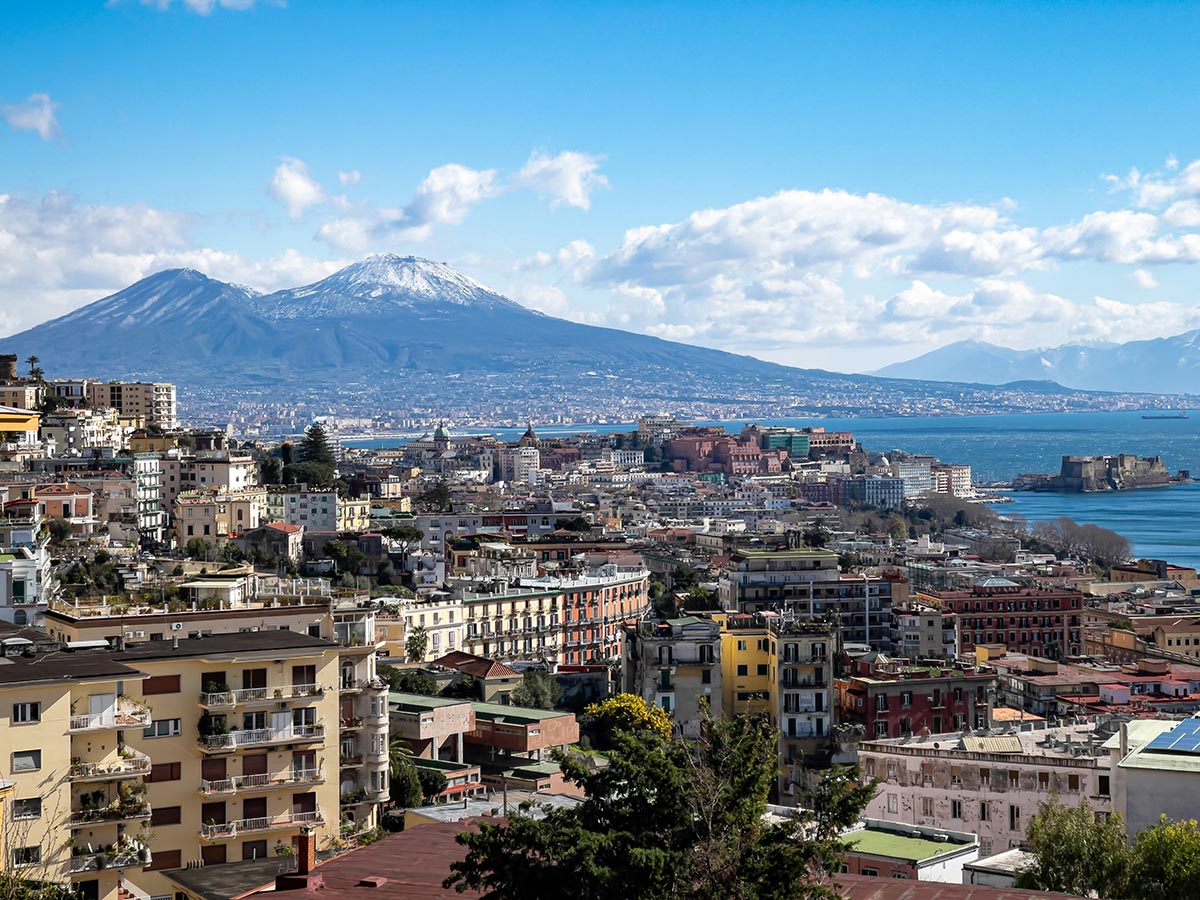
Exploring Naples through food and culture
Naples, Italy is one of the world’s most captivating travel destinations, where history, architecture, and cuisine blend seamlessly. From ancient Roman influences to vibrant modern street life, the city offers travelers an immersive cultural experience at every corner.
But beyond its historical landmarks, Naples is equally known for its rich culinary heritage. Traditional recipes passed down through generations continue to shape the city’s identity, while modern techniques are helping chefs refine and elevate classic dishes.
Where tradition meets modern culinary innovation
Neapolitan cuisine is deeply rooted in tradition, yet constantly evolving. Classic desserts, pastries, and creamy preparations remain central to local food culture, but chefs today are increasingly experimenting with modern kitchen techniques to improve texture, consistency, and presentation.
In professional kitchens across the city, efficiency and precision have become just as important as authenticity. This balance allows chefs to preserve traditional flavors while delivering a more refined dining experience for both locals and tourists.
The role of modern tools in contemporary kitchens
As culinary tourism grows in Naples, visitors are not only tasting traditional dishes but also discovering how modern kitchen tools are shaping today’s gastronomy.
Professional chefs often rely on advanced preparation systems to streamline workflow and maintain consistency in high-demand environments. Tools such as FastGas are used in some modern culinary setups to support efficient preparation processes, particularly when working with whipped textures and dessert applications.
These innovations do not replace tradition—they enhance it by allowing chefs to focus more on creativity and presentation.
Culinary experiences for travelers in Naples
For visitors, Naples offers a wide range of food-focused travel experiences that highlight both history and innovation.
Travelers can enjoy:
- Traditional pastry shops in historic districts
- Street food tours showcasing authentic Neapolitan flavors
- Cooking classes with local chefs
- Modern restaurants blending classic and contemporary techniques
Each experience reveals a different layer of the city’s culinary identity.
Traditional vs modern approaches in Neapolitan cuisine
| Aspect | Traditional Cuisine | Modern Culinary Approach |
| Preparation | Handcrafted methods | Technique-enhanced processes |
| Presentation | Rustic and classic | Refined and artistic |
| Focus | Heritage and authenticity | Consistency and innovation |
| Experience | Cultural storytelling | Elevated dining experience |
This balance is what makes Naples a dynamic destination for food lovers.
Food as a cultural travel experience
In Naples, food is more than sustenance—it is a reflection of history, migration, and cultural exchange. Every dish tells a story shaped by centuries of tradition and external influence.
Modern culinary techniques, supported by professional tools like FastGas, allow chefs to reinterpret these stories in new and exciting ways while maintaining respect for the original recipes.
A city where history and innovation coexist
What makes Naples unique is its ability to preserve its historical identity while embracing innovation. Ancient streets and landmarks coexist with modern restaurants and evolving culinary practices.
This combination gives travelers a complete sensory experience—one that connects the past with the present through flavor, texture, and atmosphere.
Conclusion: A destination for culinary exploration
Naples remains one of the most rewarding destinations for travelers who value both history and cuisine. Its food culture continues to evolve, blending traditional recipes with modern culinary advancements.
For visitors, the city offers more than meals—it offers a journey through time, culture, and creativity.










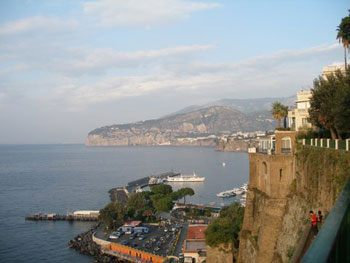
 Leave the theatre and cross the Piazza del Plebicito to the Church of San Francesco di Paola. Its design is based on that of the Pantheon in Rome. At 53 meters in height, the dome is 10 meters higher than its Roman counterpart. While the San Francesco oculus is covered, the Pantheon’s is not. The white marble church interior features thirty two Corinthian columns circling the perimeter and an altar inlaid with lapis lazuli and precious stones.
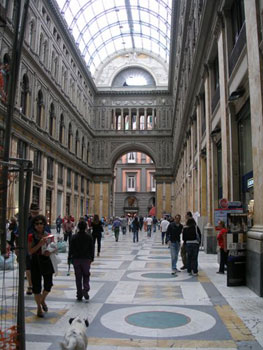 Returning to the Piazza del Plebicito, cross the Via San Carlo to the 19th century Galleria Umberto I. The refined galleria is an octagonal structure, enclosed under a glass and iron dome. Stylish shops and businesses fill this indoor mall.
 After lunch, ride the Funicalare Centrale back down to the bottom and follow Via Toledo through the heart of old Napoli – the Spaccanapoli district. Naples earns its reputation from these chaotic, unkept streets. Common sights include laundry hanging from balconies above the colorful shops and street vendors hawking goods with their operatic voices and theatrical gestures. Enjoy some window shopping as you walk between tightly parked cars and dodge oncoming vespas on your way to the National Museum of Archeology.

 After passing your afternoon at the museum, continue your tour at the 14th century Gothic Duomo. Displayed within the Chapel of San Gennaro, a silver reliquary bust of the saint holds his skull and two vials of his congealed blood. Tradition holds that if this blood fails to liquefy on each of three festival days during the year (the first Saturday in May, September 19 and December 16), disaster will strike the city. Remember that Mount Vesuvius is a short distance from Naples.
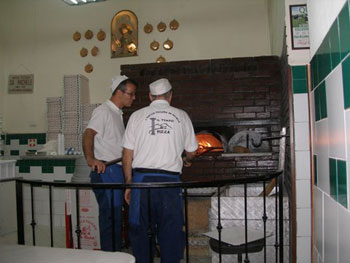 Dinner time is likely upon you as you walk back to the train station. And this is your opportunity to enjoy original Neapolitan pizza. At the train station, board the R2 bus and experience a genuine Neapolitan traffic jam as you ride to the first stop on the route. Exit the bus and walk through the maze to L’Antica Pizzeria da Michele.



,_Naples.jpg)
