by Larry Zaletel
It seems there is always a festival happening in Germany. Germans like to party, and throughout the year in Germany festivals prevail. I remember when I was stationed there in the American military it seemed like every town had a festival especially during the summer and fall. These festivals would culminate in the world’s biggest blast, the Oktoberfest that ends in Munich in September.
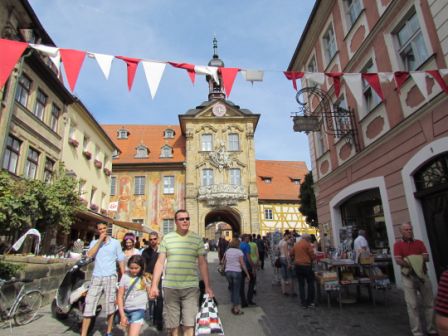
During our recent visit my wife and I and her family visited Bamberg, Germany which is home to nine breweries and is also known for its smoked beer. It turned out to be a beautiful warm fall day, and we were fortunate enough to find a festival. It was mentioned there is always something to celebrate in Bamberg during the summer. So it was that many were enjoying the day, and from the various nationality dialects I heard throughout the day there were plenty of tourists from various countries that were out and about. Majestically overlooking the city, almost as if it were standing guard, is the Bamberg Cathedral. A Roman Catholic church, formally known as Bamberger Dom St. Peter und St George, it was founded in the thirteenth century.
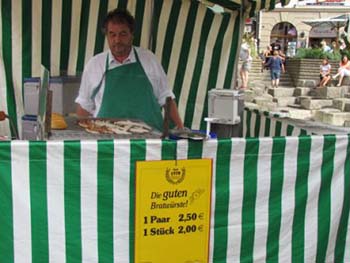 During our walk through the town and sightseeing, I noticed that there were a lot of choices for good things to eat. My favorite is the traditional bratwurst (sausage) served up on a traditional hard crusted roll with semf (mustard). When you are out walking enjoying the festival it just seems to be one of the worlds best hand foods like our American hotdog. Normally vendors are set up with grills eager to provide their wares to hungry tourists. Plus in Bamberg there are also plenty of restaurants. A natural compliment to a bratwurst is a liter of German beer. Some of the other food to be found includes roast pork and another favorite, roast chicken.
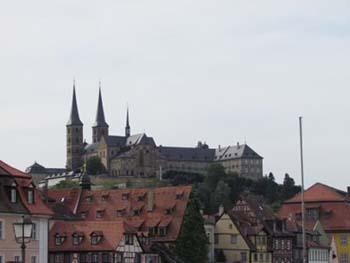 During the Cold War Bamberg was an important base for the German and then the American military stationed at Warner Barracks. Since the United States government has drawn down its European presence, Warner Barracks was closed in the fall of 2014 and the barracks area has been returned to the German government. Throughout Germany new buildings are being built and these previous American bases are now used for schools, hospitals, and commercial organizations.
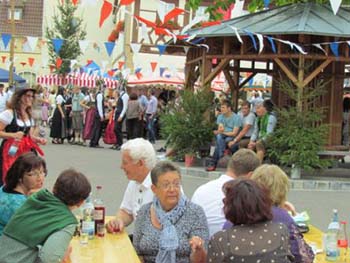 The weather continued to be in a warm holding pattern. This was turning out to be a festive weekend. Some festivals are based on a historic event while the reasons for others seem to have been forgotten or obscured by history. The festival of Kirchweih, commemorating the Thirty Years War between the towns of Gochsheim and Sennfeld, dates back to the medieval days when emperors reigned. There were some villages that had what was called “freedom of the emperor’s realm,” which meant they were allowed to go about their own business.
Then in 1618 when the 30-years war began most of these villages and towns lost this freedom and were subdued under the emperor’s yoke. After the war ended with the truce in 1648 among others, Sennfeld and Gochsheim, were awarded back their freedom and ever since the Kirchweih (church or parish fair) is celebrated on the first Sunday of September in Gochsheim. The weather was perfect, warm with a bright sun, and there was a lot of dancing and food (dumplings and pork etc.) and beer.
My wife and I left Slovenia on Sunday morning October 2, 2016 and drove through the tunnel of the Kawanken mountains to Austria and then on to the Munich airport to return our automobile. We were heading back to the United States on Tuesday morning however later that afternoon while enjoying a drink at the hotel bar our waitress mentioned that the final day of the Oktoberfest was extended to Monday October 3, 2016 a national public holiday this year as it coincides with the Tag der Deutschen Einheit (Day of German Unity or German Reunification Day). Ah, sometimes the stars are aligned perfectly, and having never attended the Oktoberfest we joined some of the million visitors who attend the world’s biggest party and largest beer festival (Volkfest). The next morning we hopped the train at the airport and headed into Munich. We didn’t have to ask directions; we just followed the crowd and they led us to the festival gate. FYI, there is no admission fee into the festival grounds, however after that for everything else there is a charge.


Known for its beer consumption there is also a variety of traditional German food including sausage, roast chicken, roast pork with sauerkraut and dumplings and one of my favorites grill ham hocks with sauerkraut and mashed potatoes. Also I can’t forget the large pretzels that are served with roast chicken and steckerlfisch (grilled fish on a stick), which I have yet to sample. It is enough to make one hungry.
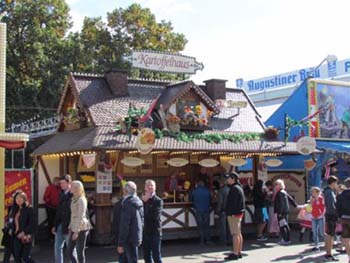
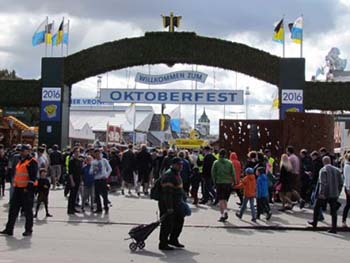 We walked through the entrance archway and encountered a whirling mass; the midway was loaded with thousands of happy people ladies in their traditional dirndls and men in lederhosen. We observed the many beer halls lining each side of the midway and as we got closer we could hear the music and singing emanating from them. Each hall has its own orchestra/band providing joyous music. The rotisseries supply the hungry partygoers with plenty of chicken and the beer flows like water. In the fairways the many food stalls supply anything one could imagine, such as waffles covered with ice cream, a Kartoffelhaus (potatoes), and the latest fad in Germany, currywurst which is a bratwurst covered with a seasoned spicy red sauce. We first noticed this in Berlin. I tried it by mistake because when I ordered it I just wanted a sausage sandwich (sausage on a hard roll) with mustard. However events were happening pretty fast with all the customers and miscommunication happens. Currywurst seems to be all the rage although I don’t get it. The curry sauce and spices don’t do anything for the sandwich. They detract from the taste of the sausage. From what I gathered, however, the tourists love it.
In addition to eating, drinking and dancing, visitors can enjoy colorful parades, a variety of fairground rides, and for those not themselves in traditional Bavarian gear, admire those that are.
 We ventured into a beer hall which was full of people. We walked around inside but were unable to find an open table so we checked outside and were invited to join a family at their table. We ordered a beer and talked with our generous guest. The beer heightened our hunger and we ordered a chicken dinner and a very large pretzel.
Later on we headed back outside into the warm autumn air. We continued down the main thoroughfare playing tourist and checking out the various stalls and items of interest.
The opening day of the festival was marked by a colorful parade of carriages, floats and people in a variety of costumes winding there way through the streets of Munich. The Costume und Riflemen’s Procession takes place on the first Sunday of Oktoberfest; a week later there’s the open-air big band concert.
We entered another beer hall and found an empty table and of course ordered more beer. I later learned that the only beer served comes from the Munich breweries such as Augustiner, Paulaner and Spaten. And the beer is served in one-liter glasses (ein Mas), the German pronunciation. I watched several of the barmaids carrying five or six beer 5 or 6 of them. The crowd in the hall ebbs and flows during the day and people were coming and going. Our table filled with a gregarious bunch, and when the music started everyone started singing and some were seen dancing on the tables.


7-Day Munich Oktoberfest and Best of Bavaria Overnight Package
If You Go:
Getting there
There are many direct flights from the United States and Canada to Frankfurt or Munich, Germany. The fares range from $1,000.00-$1,500.00 and the business class fares appear to have decreased in price.
Where to stay
A Gasthaus is a modest country inn serving home cooked meals. There is no hard and fast rule but many Gasthaus have sleeping arrangements and usually include breakfast in the morning. If there is a picture of a bed hanging out in front of the establishment then they usually have sleeping accommodations. You can spot those places by searching for the signs that read “Zimmer frei” or “Zimmer zu Vermieten,” or use the web link from Berchtesgadener Land. Holidayflats are very popular please search under Ferienwohnung.
Besides hotels and Gasthaus there are many bed & breakfast (sobes) that are common in Europe. There are signs along the roadsides advertising them. The local tourist bureaus usually have list of sobes with prices and further information. They are highly recommended as a delightful way to meet the people and make new friends. We have been very fortunate to find some very charming sobes in our travels. We are thus able to meet the people, get acquainted with those from other cultures and learn about them and their way of life.
Usually the price can be negotiated. Prices average about $45-$80 per night and they are much cheaper than hotels and normally include breakfast. We have stayed in sobes in Germany, Austria, Sloveniaand Croatia and have revisited them on several occasions.

Larry is a freelance travel writer, an avid and dedicated traveler, and recurring visitor to Europe, the Caribbean, Hawaii, and the United States. He writes about the various people that he has met and places that he has visited during his travels. Larry is a regular contributor to Travel Thru History.

All photos by Larry Zaletel:
Bamberg, Germany
Bratwurst stand
Roman Catholic Church of Bamberg
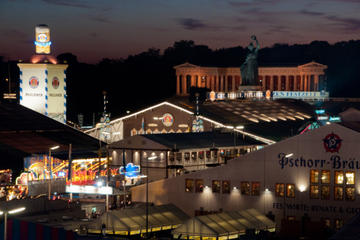
The Entrance to the Oktoberfest
Festival in Gochsheim
Inside a beer hall
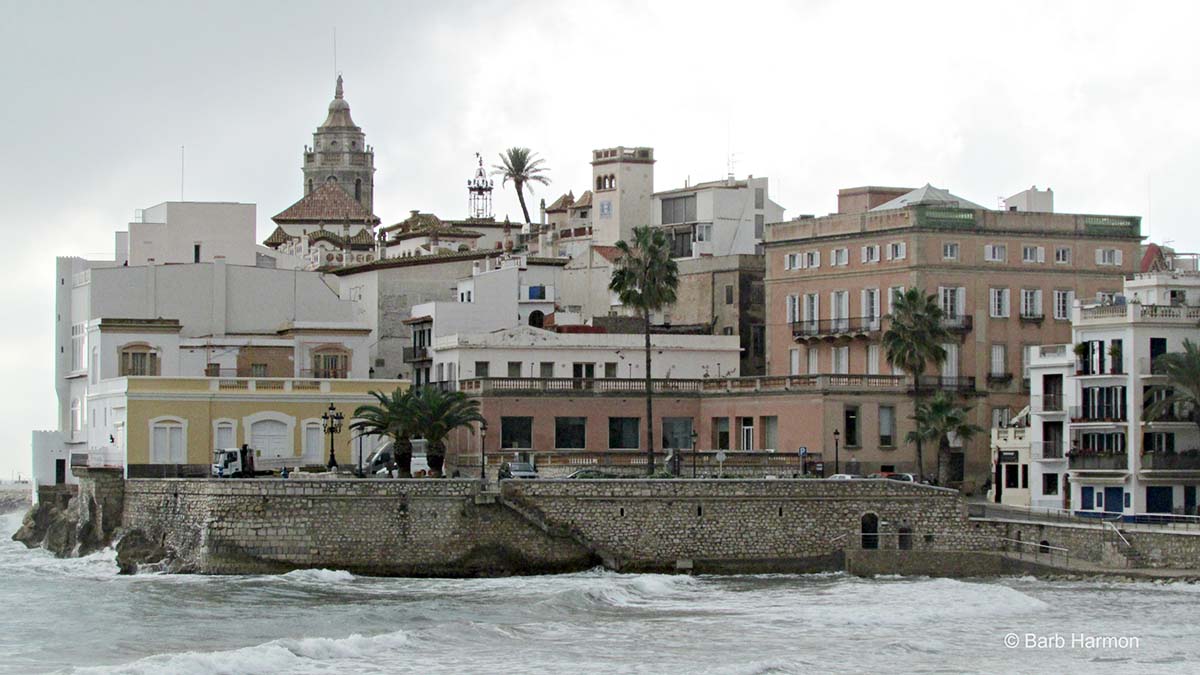
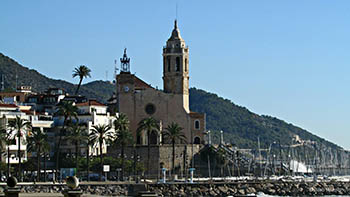
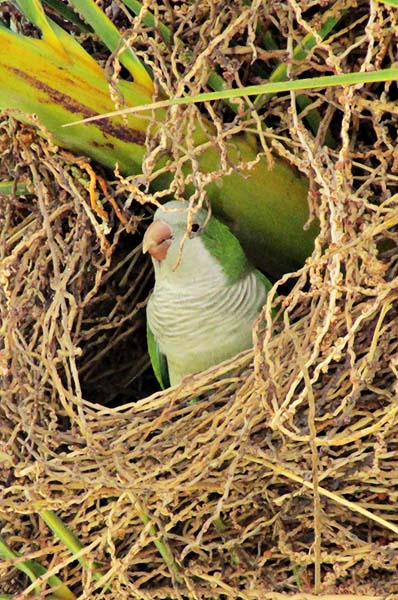 As we chat, my husband and I stop midstep startled by a deafening roar above our heads. We look up but can’t see anything. Suddenly, a large group of screaming squawking parrots swoop out of the palm fronds. Bright green, vibrant yellow, I’ve never seen birds like this in the wild. A morning jogger approaches and points up to a tree top saying “those are Monk Parakeets. They are loud but harmless. Just watch your heads.” At that point we knew our time in Sitges Spain would be anything but dull.



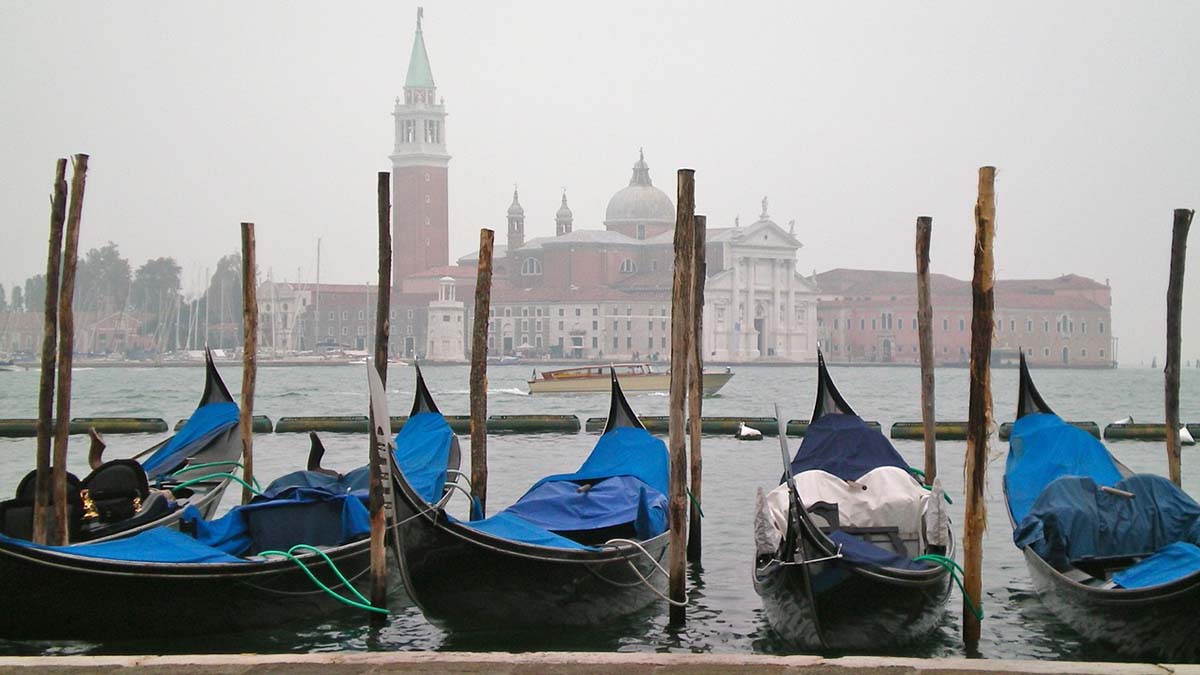
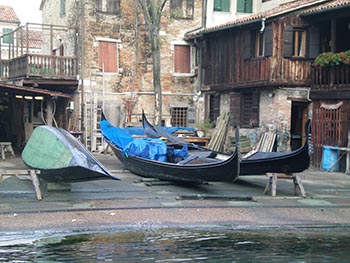 It took but a few minute to leaves the noise and bustle behind, for I’d entered a maze of alleyways and pretty piazzas where cafes spill onto the streets and picturesque residences stand dotted along the quiet canals. Small shops burst with flowers and vegetable seedlings, supplying courtyards and gardens hidden from view of the passerby. At the top of the Ponte dei Pugni – a small bridge spanning the Rio San Barnaba – are two sets of footprints, marking the starting positions for traditional fist fights. (Ultimately, these became so violent they were banned in 1705.) The Fondamenta Gherardini, which runs beside the Rio San Barnaba, is claimed by many to be the prettiest canal in Venice.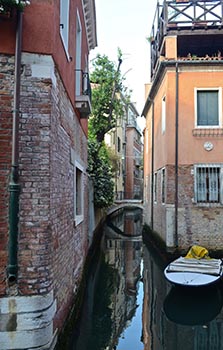


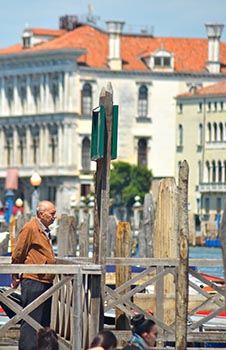


 Around this time the stability of the gondola improved with the development of a wider base, and there are even reports of the boats being used in battle in the Adriatic Sea. When bridges were built over the Venetian canals, they were designed to allow a standing gondolier to pass under their arch. The only other change occurred around the end of the 19th century, when the design became asymmetrical. The left side of the gondola is now 24cm longer than the right, (the gondolier stands on the left, with the oar on the right) to correct the tendency of the gondola to turn to the left which each forward stroke.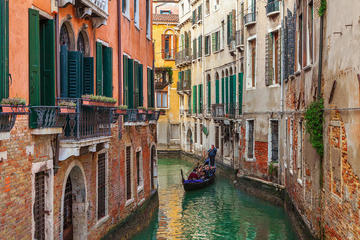

 About the author:
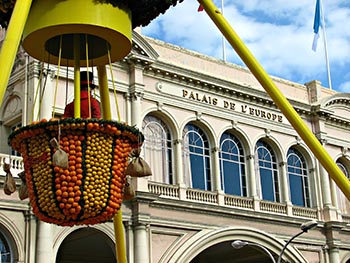
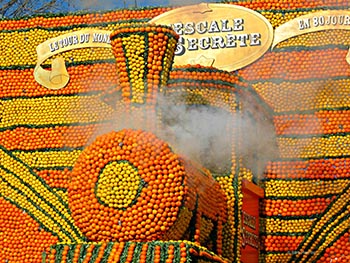

 The fruit is attached to the netting by elastic bands and is checked daily to make sure it looks perfect. If necessary, replacements are close at hand. The displays are lit at night and worth a second look if you have visited during the day.