Driving through Texas can feel like the ultimate road trip experience. Wide highways, open skies, and long stretches of road invite travelers to settle in and enjoy the journey. Whether you are passing through major cities like Frisco or exploring quieter routes, Texas often feels built for driving.
Yet those same features can hide risks many travelers do not expect. Texas roads can be demanding, especially for those unfamiliar with them. Truck accidents, sudden weather changes, and long distances are more common than people expect. That’s why being prepared does not take away from the adventure. It helps protect it.
To help you get started, this article covers three unexpected road hazards travelers face and shares practical ways to prepare so you can focus on the journey ahead.
Keep reading!
1. Truck Accidents on Texas Highways
Truck accidents often feel like a distant concern. Most drivers never expect to be involved in one and assume they only happen in rare or extreme situations. In Texas, however, large commercial trucks are a constant presence on highways and major routes. For travelers, sharing the road with these vehicles can feel routine at first, until traffic tightens or conditions suddenly change.
Trucks require longer stopping distances, have wide blind spots, and are often driven for extended hours. On busy highways, even a brief slowdown, an unexpected lane change, or a moment of distraction can escalate quickly when large vehicles are involved. In fact, Texas leads the nation in truck crashes, with record highs of 35,000 to 38,000 crashes each year in recent years.
That is why preparation matters. Taking a few simple steps before hitting the road can make a stressful situation far easier to handle if something goes wrong. For example, it helps to keep a few essentials in your car, such as:
- A first-aid kit for minor injuries
- Reflective triangles or flares to stay visible on the roadside
- A flashlight in case an incident happens at night
- A fully charged phone or car charger for emergencies
Saving roadside assistance contacts ahead of time is also a smart move. Having quick access to help can make the immediate aftermath safer and more manageable, allowing you to focus on getting yourself and others out of harm’s way.
It is also smart to research and save the contact information for a truck accident lawyer in Frisco before traveling. Firms like McCraw Law Group help guide people through complex situations by pushing back against unfair blame and working directly with insurers to seek fair outcomes. When negotiations stall or responsibility is disputed, they are also prepared to take the case to court if needed. This added support helps ensure the situation is handled seriously from start to finish.
2. Long, Isolated Stretches of Road and Driver Fatigue
One of the most overlooked hazards in Texas is distance itself. Roads can stretch for miles with few exits, rest stops, or towns in between. For travelers used to shorter drives, this can create a false sense of ease. The road feels smooth, traffic thins out, and time passes quietly.
Fatigue often builds without warning. Long hours behind the wheel slow reaction times and reduce awareness, even for experienced drivers. Heat adds another layer of strain, especially during warmer months when temperatures regularly climb above 90 degrees. Dehydration and mental fatigue make it harder to stay alert, particularly when sharing the road with fast-moving traffic or heavy trucks.
Travelers often push through fatigue because the destination feels close, even when it is still hours away. This is when mistakes happen. Missing a sign, drifting slightly within a lane, or reacting late to traffic changes can have serious consequences. Taking planned breaks, rotating drivers when possible, and listening to early signs of tiredness are some of the simplest ways to reduce this risk on Texas roads.
3. Sudden Weather Shifts and Road Conditions
Texas weather is known for changing quickly, and this often surprises travelers who expect steady driving conditions. Clear skies can turn into heavy rain with little warning, especially during spring and early summer. Weather data shows that Texas experiences some of the highest rates of sudden downpours in the country, which can quickly make roads slick and reduce visibility.
And rain is not the only weather-related challenge drivers face in Texas. Travelers may also encounter:
- Strong crosswinds across open plains and bridges
- Sudden gusts that affect vehicle stability, especially for taller vehicles or those towing trailers
- Construction zones that appear with limited warning and require quick lane changes
Preparing for these conditions starts before the road trip. Checking the weather forecast along your route, not just at your destination, helps you anticipate sudden changes. Keeping windshield wipers, tires, and headlights in good condition also improves safety when visibility drops unexpectedly.
Once on the road, small adjustments make a big difference. Slowing down, increasing following distance, and staying alert to road signs and weather shifts can help reduce risk. Knowing that Texas weather can change rapidly encourages drivers to stay cautious, even when the road initially appears calm and clear.
Closing Lines
Texas offers incredible road-trip opportunities, but it also presents unique driving challenges that many travelers do not expect. Heavy truck traffic, long stretches of isolated highways, and sudden weather changes all increase risk in ways that are easy to underestimate. By understanding these hazards ahead of time, you can stay alert to changing conditions and respond calmly if the unexpected happens.
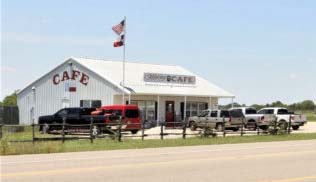 On the outskirts of Rosebud, we stumbled on a great café. You can’t miss it; it’s at left on the northbound side of TX77 (not US77), 36 miles south of Waco. The Hwy77 Cafe stands on the shoulder of the road, surrounded by a vast hay field. We thought it would address our past-noon grumblings so, in we went and found ourselves in a fine family restaurant that blends, Texas home cooking and American military history with great charm. What a place! Very nicely done, clean and folksy, with tables covered with checkered red- and-white tablecloth and comfortable country chairs and bar stools.

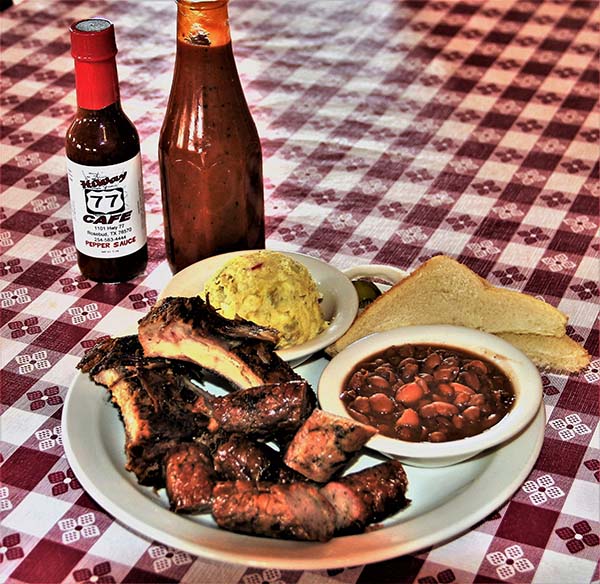
 ” by Daniel Vaughn (an Anthony Bourdain Book at Harper Collins Publishers, pages 247 through 249).


 The 1970s brought about the Austin music scene as it is now. Recording artist Willie Nelson was prominent among the artists that helped bring it to life. PBS’s Austin City Limits show is the longest running live performance TV show in US history, and it produces a massive music festival there each September.
 Just a short walk from downtown over the Colorado River, the South Congress area is one of the most interesting in Austin. And with all the city has to offer, that’s saying something! We found ourselves returning there over and over to browse. Block after block is full of great vintage clothing stores, restaurants, and shops crammed full of folk art curios.
 There’s a plethora of great stuff to see in the downtown core. Here are just five of our faves.
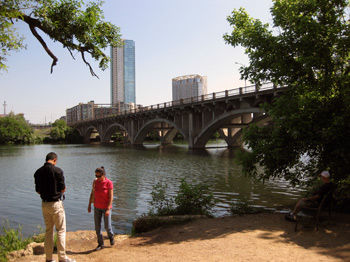
 In 1960, the Colorado River, which runs through the centre of Austin, was dammed to create a huge reservoir originally called Town Lake, recently renamed Lady Bird Lake in honour of celebrated Austin patron Lady Bird Johnson. There is a well-appointed trail (approx. 16 km, or 10 miles long) all around the lake, complete with pedestrian-only bridges at either end. A walk around it is a great remedy for the excesses of the night before in the local watering holes. Try and get an early start to avoid the mid-day heat.

 Just a forty minute drive west of downtown Austin is the world-famous Collings Guitar Factory. We were expecting something a bit short and superficial, but were pleasantly surprised to discover it was an extremely comprehensive look at every phase of instrument building. The 90 minute journey took us from a climate-controlled warehouse full of blocks of exotic wood to the final room where the guitars, mandolins and so on were shipped out. There is only one tour a week, so it’s best to book ahead by phone or email.
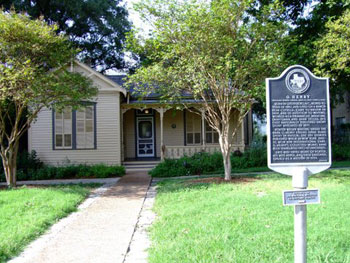
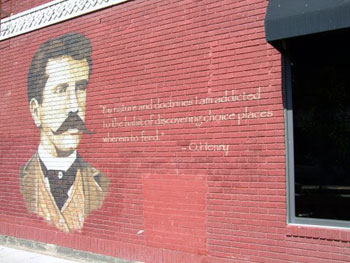 Before moving to Houston to work full-time as a writer for the Houston Post, Porter collected some unique information and experiences in the Texas capital, which later appeared in his works Bexar Scrip No. 2692, Georgia’s Ruling and Gifts of the Magi. Inspired by his work in the Texas General Land Office, Bexar Scrip No. 2692 takes its name from a land grant file that Porter accessed during his daily duties, which had somehow gone astray. In O. Henry’s fictional story, the file goes missing because a rich railroad owner steals it in order to illegally obtain a poor homesteader’s land. Porter’s real-life boss, however, was adamant that such a crime could never have actually occurred, based on the office’s own rules and regulations. Whether you are interested in the historical angle of the document or the writer’s literary take on ordinary events, the original land grant can be viewed online at the Portal to Texas History at
  Returning to the O. Henry Museum, visitors can glimpse two more objects that provided inspiration for Porter’s writing. The home showcases two wicker chairs, which were allegedly the inspiration for O. Henry’s best known story, Gifts of the Magi. The author’s wife, Athol, apparently bought him the chairs as a present to decorate their rented home, using money he had saved to purchase her tickets to attend the World’s Fair. Inspired by his wife’s generous act, he wrote the ironic Christmas story in which two lovers buy each other gifts that neither can use, having sold off their most prized worldly possessions in order to pay for the other’s gift. Though the moral is that it’s better to give than to receive, O. Henry’s infamous twist ending provides a bit of dark humor amidst more typical seasonal tales of sharing and caring.
 , based on her days as a sex columnist in the Sin City of the North.
