by Martin Kafer
The night sky brightens abruptly as quick stabs of lightning pierce the dark tropical clouds while we glide onto the airport runway. The fierce storm shakes our plane and the rain obscures the scant glow of the landing lights. We are at Kota Kinabalu (KK as the locals call it) in North Borneo. It is two in the morning. Esther and I are both pretty bushed after a twenty-two hour flight from Vancouver. As we step out of the plane we are greeted by loud thunder which seems to roll in waves across the concrete runway. The tangy, moist equatorial night rain embraces us like a veil of dripping jungle vines.
Outside the airport in the gloomy night the wind catches our parkas while we line up to await our turn for a taxi. Our minds are filled with the very familiar mixture of anticipation and excitement we always have when starting another adventure in a new country on a new continent.
As our decrepit looking taxi pulls out onto the highway to downtown KK the rain starts pounding down in torrents. The visibility is reduced immediately to just a few meters and the roof starts leaking. All road markings are obscured completely and we seem to be lost in a dark tunnel of water feebly illuminated by the single working headlight. Our driver appears unfazed by it all and cheerfully explains that this is the first rain in a month and all the trees and flowers have been suffering.
We have a jet-lagged wake-up the next morning and a cool and bracing shower. At breakfast we find out that a Muslim holiday is being celebrated today, the Sabah Park office and all the banks are closed. We have no choice but to wait in KK and spend a leisurely day seeing a few of the sights nearby, such as the large, vibrant fish and fruit markets along the waterfront, while also trying to get used to the heat, humidity and smells.


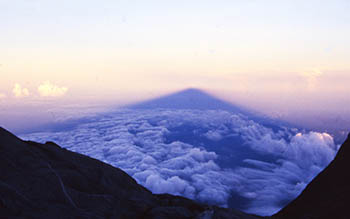 Next day we secure reservations for four nights in a cabin at Kinabalu Park headquarters and one night at the Laban Rata mountain huts high on a ridge of Mt. Kinabalu. A quick visit to the bank next door to change some dollars into ringgit and we are ready to finally have breakfast at the café we had spotted on the way. Our first taste of roti canai telur is a savoury delight – it is a Malay specialty: swirled eggs wrapped in a tasty, extra thin, large crepe made with chickpea flour, and fried on a very hot tin plate. We enjoy it with coffee here and whenever we have the chance during our four weeks in Malaysia.
After an afternoon of leisurely sightseeing in KK we are eager to set off for our trek to the mountain. Early next morning, under clear skies, we board a bus which soon leaves the humid plains with the heavy traffic behind. We climb on a winding road through lush fields and mud-hut villages onto a densely wooded plateau. Mount Kinabalu suddenly appears through the tree branches like a grey granite monster festooned with sharp pinnacles, the fleeting view is soon lost, hidden in puffy morning clouds.
The park headquarters with its cabins, hostels, and restaurants, lies at about 1600m on Kinabalu’s wooded flank and turns out to be an ideal place to ease the final remnants of jet lag. We also have a chance to acclimatize for the trek to the peak, which is more than 2500m higher and Amany miles to go.
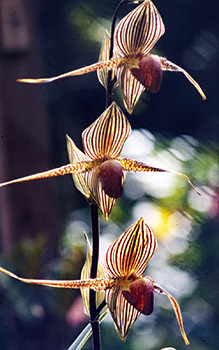
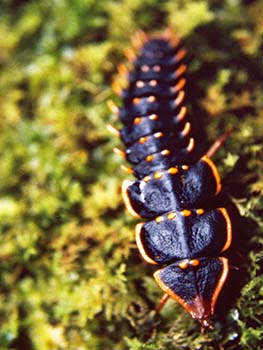 During the next two days we take long hikes in the surrounding hills which are covered in dense forest. These walks on good trails are not just excellent exercise but also delight us with the variety of exotic trees, many with enormous trunks reaching high into the canopy. We enjoy the abundance of fragrant jungle flowers, exquisite orchids of all sizes and colours, and a myriad creepy crawlies, like spiders, ants, moths and butterflies. The most unusual bug we spot turns out be a Trilobite beetle larva, a tiny beautiful black and red creature. At the dinner table I describe it to an Australian visitor, who happens to be an entomologist on a study tour. He exclaims in an envious tone: “You two are so lucky to see one, it is a very elusive insect, I have never seen one myself.
Now finally the morning of the ascent to Laban Rata has arrived. We pack up early, have a hasty breakfast, and pay our guiding and insurance fees. Afterwards we are introduced to the guide assigned to us, a friendly native 55-year-old Dajak, who says with a confident smile. “My name is Abdul, I have been on top more than a hundred times!” Abdul’s sturdy looks and cheery personality together with his fifty or so words of English promise our two days climbing together will be enjoyable.
 Esther and I with our day-packs, and Abdul with his large rucksack, join a large throng of tourists jammed into two small busses that are used to drive the trekkers on a rough road to a weather station high on a ridge. From here everybody starts hiking up the steep trail bordered by a riot of tropical trees, lianas, bushes, orchids, ferns, and yellow rhododendrons. As we get to about 3000m Abdul veers off into the bush to show us some large patches of pitcher plants. With their gaping oversize red and green cups filled with viscous aromatic fluid they look ready to swallow larger prey than just flies.
 We are not alone on this trek: about a hundred other tourists are hiking up or down, spread out in groups or singly all along the mountain trail. Some are struggling, gasping as we get higher, others running or resting. The strangest sight is a large party of Taiwanese pilgrims all decked out in yellow robes, including two tiny children in sling-carriers. One of them proudly tells us that they will perform a religious ceremony to bless the children on the peak tomorrow.
As we get higher we pass about fifteen members of a Korean climbing club who are waiting while two of them are attending to a fellow hiker, a 63-year-old man, we are told, who is having breathing problems. A much younger Dutch fellow is sprawled beside the trail gasping for breath, but waves us off when we offer help. We overtake quite a few other hikers as the altitude begins to affect many of them – our rest days at the park lodge lower down have helped the two of us to avoid those difficulties.
We have our well deserved rest and lunch at the first open patches, where only some colourful shrubbery reminds us of the jungle below. The peak is completely obscured by heavy afternoon clouds, but Abdul assures us optimistically: “Tomorrow morning sunshine, for sure!”
Laban Rata lies at about 3400m and is a collection of plywood covered cabins plus a few smaller sheet metal huts: of the two larger cabins one is the restaurant and the other the more expensive, heated accommodation with stacked bunks. The restaurant serves excellent food, which is quite surprising at this altitude: we are told that all the supplies are carried up the trail daily by local women porters.


The sleeping quarters we have been assigned to are in a small unheated tin shack with narrow bunks, we are alone in there, no other tourists. We spend a shivery and restless night, in spite of using two sleeping bags each and softening the beds marginally with three of the lumpy mattresses purloined from the empty bunks.
Our trusty guide wakes us at three in the dark and we start the climb with head lamps, no breakfast. We wear all our clothes, including the silk long john underwear we specifically brought for this trek. The trail leads up steeply through sparse scrub forest with numerous wooden steps and some steep ladders. Abdul cheerfully leads on with his feeble flashlight as we climb over the granite slabs festooned with hemp ropes higher up. Some of the ropes are just to show the proper route, but on steeper cliffs many are useful as handholds, especially at a section called Panar Laban.
After two hours in the dark, stumbling, grabbing ropes and scrambling up the polished slabs, we are glad when Abdul calls for a rest and gives out a snack. We huddle on the freezing rocks just as the first wisps of dawn light reveal the cold gray of the steep slopes yet to come. The cold is intense, the respite short, and soon we are off again following the trusty ropes that from now on lead all the way to the peak.
A further hour of steep scrambling in the increasing light and we reach the wide summit plateau of weathered granite with its weird rock pinnacles on the edge and ancient glacier grooves. To our surprise some of the deeper cracks are filled with feather ice. The flat granite slabs are a delight to walk up on, especially after the strenuous steep stretches below. The altitude is taking a further toll today as quite a few parties are slowing to a crawl. Some climbers appear to sit for long periods and a woman member of the Korean group is being escorted down by one of the local guides.
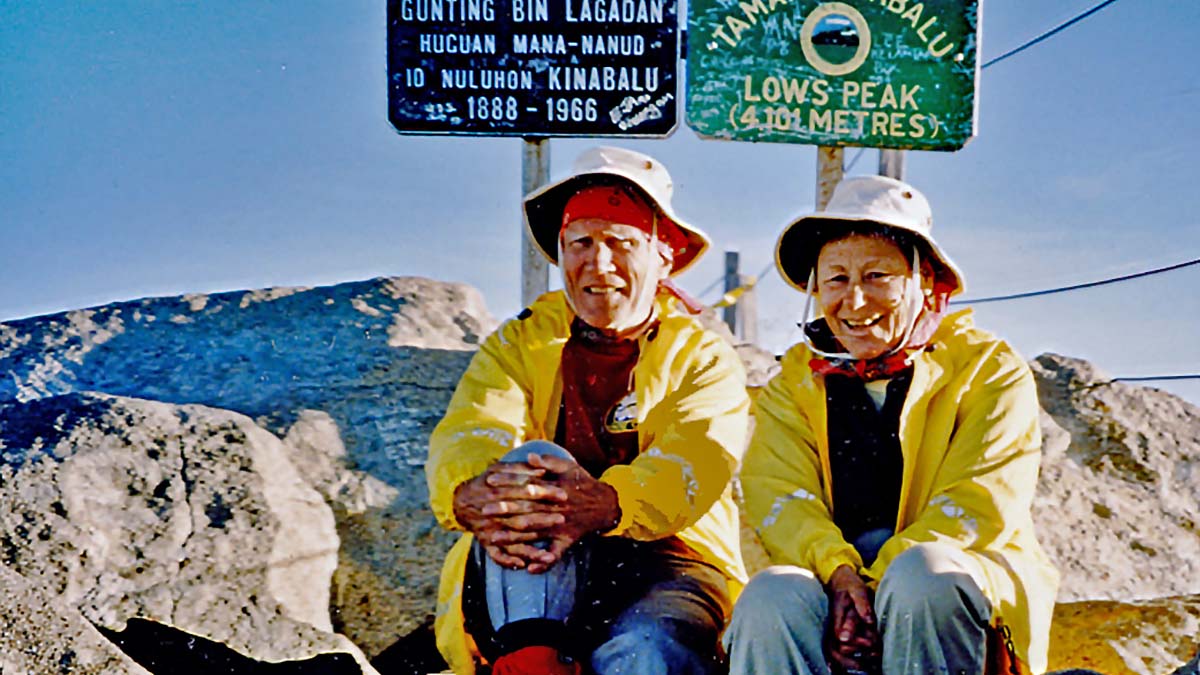
The sunrise surprises us, and we stop to welcome the first rays peeking above the horizon. A short scramble and we are on top. About twenty other climbers are resting, chatting, enjoying the sun with us. Esther, Abdul and some of the Koreans congratulate me to have made the peak on my 70th birthday.


The descent is easy in daylight and we relish the touch of the solid granite on the few vertical sections. The well-maintained trail together with Abdul’s cheerful chat make for an enjoyable return. We drop the packs and some of our heavy clothes to make our way down to the main building for a very late breakfast. When Esther and I enter the Laban Rata restaurant dining room, the Koreans sitting together at a large table start clapping in spontaneous applause and some wave wildly with big smiles on their friendly faces. What a surprising and delightful crowning touch to a birthday high experience!
2-Night Danum Valley Borneo Rainforest Lodge Hiking and Wildlife Adventure
If You Go:
If you want to visit Kinabalu National Park, the most important thing probably is to make early reservations for the accommodation and the obligatory local guide. The mountain hike is quite popular and even a pilgrimage destination. The other three factors for a successful ascent are: you have to be physically fit, allow a few days at sea level to get rid of jet lag and one or two more days at Park Headquarters for acclimatization.
About the author:
Martin, who recently celebrated his 90th birthday with a day’s downhill skiing at BC’s Whistler Mtn., was born in Switzerland, has been a mountaineer and ski enthusiast since he was nine years old and a travel adventure seeker since his early twenties. He has, together with his wife Esther, climbed over five hundred mountains, including the Matterhorn on their honeymoon. They did many of their climbs during their extensive travels which have taken them to more than sixty countries on five continents during their more than sixty years of marriage. Writing his book of memoirs has been a more recent but hopefully also successful endeavour.
Photos by Martin Kafer
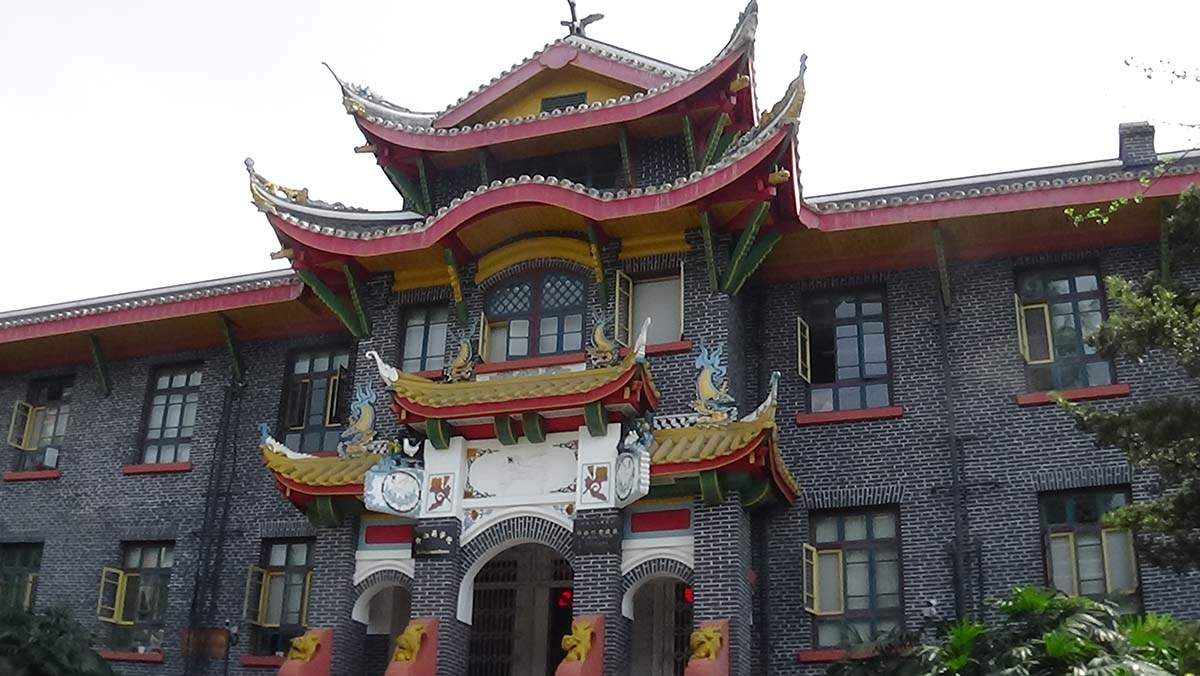


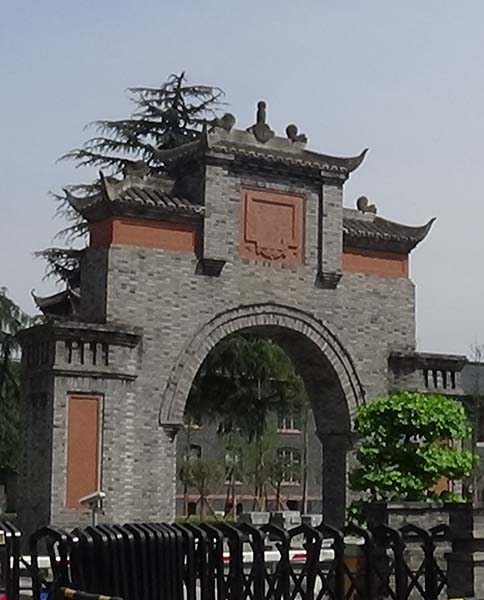 Sichuan University is one of China’s oldest Universities. It ranks top fifteen in the nation, Coveted for its broad streets and sidewalks shaded with trees you can enjoy the University on a hot summer’s day. The buildings elegantly placed in a beautiful-multicolored style! This School really owes up to its name and reputation. You almost get the feel that you are walking into pagoda-styled temples instead of administration buildings. Sichuan University was established in 1896 and has continued to strive in the progress for excellence. A must see on the Huaxi Campus is the Bell Tower, built in a Gothic fashion in the year 1926. Its special just to sit and look at this lovely-brick layered structure covered in red and intense chalky-white gray.
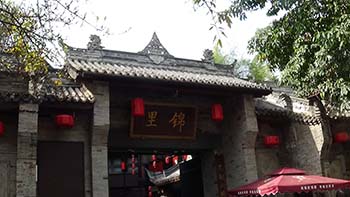


 . It’ll be helpful during your visit; however, Chengdu locals are friendly and will try to help you. Also, most of the signs are in Chinese, but they have been translated to English to help you get around.
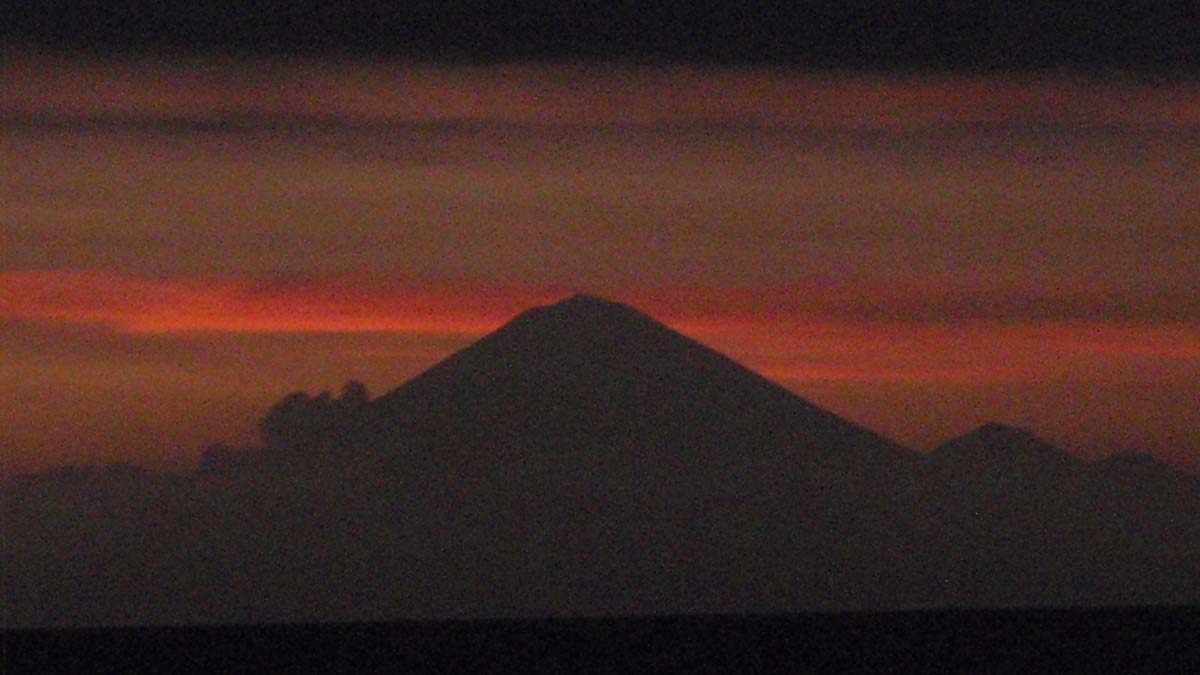
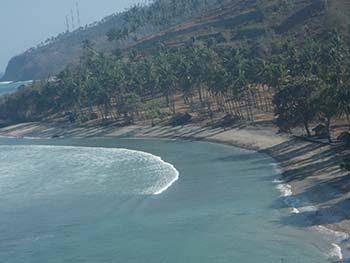

 Suitably attired, I sat in the van admiring our driver’s skill as he manoeuvred through flocks of motor scooters, many with whole families perched on them clutching a week’s worth of groceries. We drove around the coast enjoying vistas of deserted beaches and distant islands, and as we crossed the countryside we saw rice farmers winnowing grain by hand and a family gleaning peanuts from a harvested field.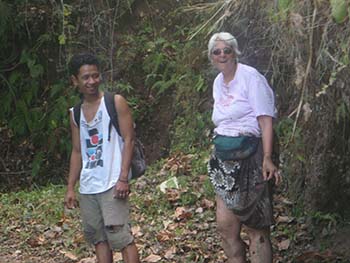

 “The hell with modesty,” I announced, and tucked the hem of my mud-soaked skirt into the legs of my underwear to gain more freedom of movement. As I did so, I turned around to look at our guide, only to see him wielding a machete which he had just pulled from his backpack.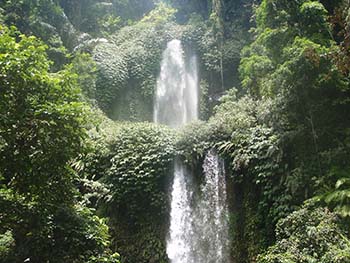
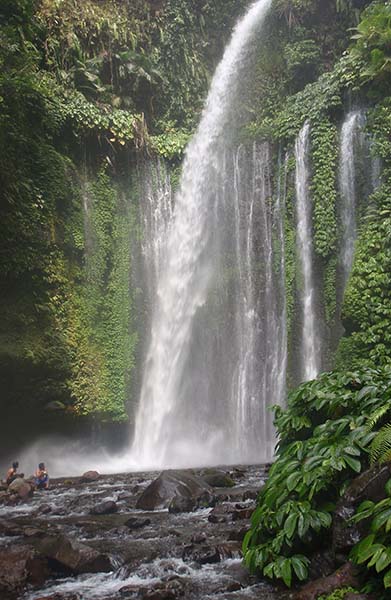 On the far side of the aqueduct our guide showed us a lock designed to direct the water from the mountain into designated channels to irrigate different farming areas in the valley below. After about an hour’s hike we crossed a fast-flowing, boulder-strewn stream (which was quite a challenge considering my footwear) and arrived at the second falls which were truly spectacular. Tiu Kelep means “flying water” and the falls did literally fly out and away from the hillside before crashing down into the pool at their feet.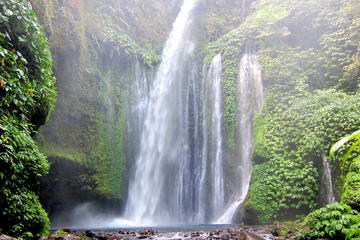

 About the author: