Step into the Magnificent Architecture of Step Wells
by Papiya Banerjeeby
Baolis are step wells or reservoirs which were used in ancient India for storing water.
Water conservation has always been one of the prime motives of man. Countless cities have been abandoned due to water crisis and we still face dire consequences of droughts all over the world.
The ruling clans of India, over the ages, have made many such baolis all across the states. They were put to use in many different ways. While conserving and storage of water remained their primary purpose, separate baolis were made for bathing and drinking purposes.
Steps were made so that when the water levels go down; people would walk to the well and draw water.
Baolis go many stories down and hence have a very cold vibe inside the structure. It is also believed that these places were used as communal meeting points where social gatherings were also held and religious offerings were made.
Delhi, the capital of India was the seat of power for many empires. It is believed that Delhi had once over 100 baolis across the city however today only 30 or so remain and out of which one a couple of them are worth a visit.
The passage of time has not been very progressive for these structures, however the Archeological Survey of India is doing its best to save whatever it can of some of the monuments and return the baolis back to their glorious days, albeit the water.
The baolis are a must visit as they give insight into the era gone by.
While in Delhi, the following are a must visit for any history and architecture enthusiast.
 1) Agrasen Ki Baoli
Location: Hailey Road, Connaught Place
Nearest Metro Station: The Janpath and Barakhamba Road Metro Stations lie closest. Take an auto rickshaw from the metro station.
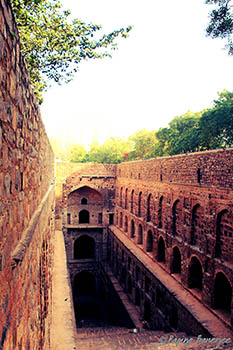
Baolis such as this were used to for very efficient rain water harvesting and used throughout the year for the common people.
Due to the cold air which arose from the baoli, it was a sanctuary for meditation, rituals and even other forms of relaxation and rejuvenations.
Agrasen Ki baoli is believed to be built by the 14th century King Agrasen (or Ugrasen). It stands in the midst of a very busy and bustling street of Delhi, Connaught Place.
The skyline of Delhi’s new buildings can be seen looming over.
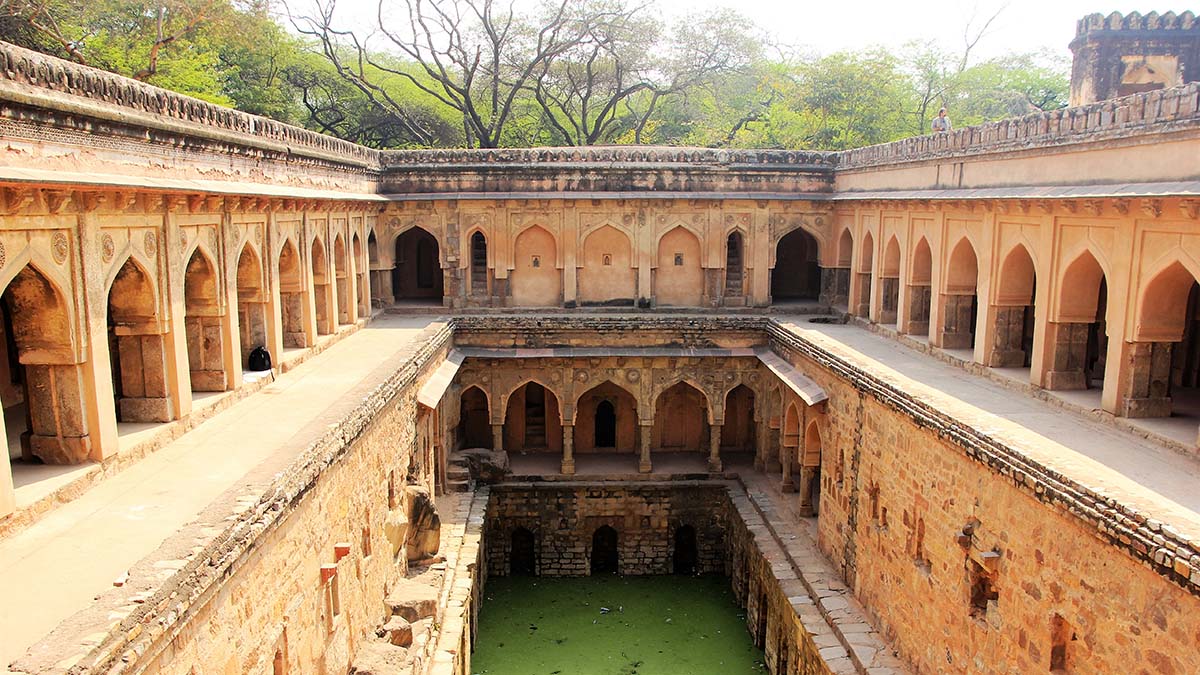
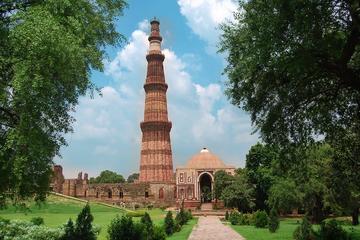
2) Rajon Ki Baoli [TOP PHOTO]
Location: Inside Mehrauli Archeological Park, near the tomb of Jamali Kamali
Nearest Metro Station: Qutub Minar
This is one of the prettiest baolis after the Agrasen Ki Baoli and is situated in between the lush and green Mehrauli Archeological Park. This baoli is believed to have been used by the Masons and the other highly casts and hence has a different level of architectural sophistication to it.
Water has always held a special place in Hindu mythology and Hindus even have a dedicated deity called Ganga, who is till date very fondly revered. Some say that the step wells formed a path between the earth and water and hence, one can take the spiritual journey by ascending the path.
These step wells show the intelligence of the architectures and expertise of the India eras gone by.


 3) Gandhak Ki Baoli
Location: Near Mehrauli Archeological Park, 100 m south of Adam Khan’s Tomb towards the Dargah of Qutub Sahib
Nearest Metro Station: Qutub Minar
This is the baoli of the common people. It acts as a proper reservoir and still holds water, albeit its color has turned green. The structure is surrounded by a highly populated village and one can only imagine its plight over the years
You will, however, see a lot of young boys still jumping over into the water during summers and enjoying their own little oasis.
These step wells are called by many names in other parts of India, it is known as a baori, bawdi, baoli, or vav.
 4) Old Fort (Purana Qila) Baoli
Location: Old Fort Complex, Mathura Road, Delhi
Nearest Metro Station: Pragati Maidan, from there take an auto rickshaw till the Old Fort
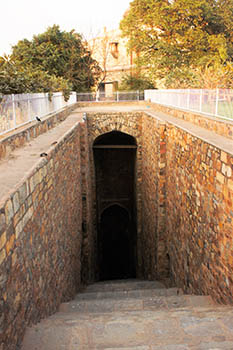
Old Fort is a magnificent monument in itself, as it comprises of many other monuments which hold very high significance amongst the historians and one of them being a baoli. This is also one of those monuments which are protected by the Government of India. It is a must visit.
Step wells usually are made up of two main parts: One, a well which is dug underground to draw and store water, secondly the steps and chambers made around it to access that water. In most of the step wells there are decorative chambers which often were used as resting places during the hot summers.
 5) Red Fort Baoli
Location: Netaji Subhash Marg, Chandini Chowk, Delhi
Nearest Metro: Chandni Chowk
The Red Fort Baoli is mostly hidden because not many know it even exists, but its one beautiful structure.
It is made of an L shape and has chambers from all four sides. The perfect masonry is visible in this architecture. Situated inside the Red Fort, it tells tale like no other.
This Baoli’s chambers were used as prison cells by the British Empire to lock Indian soldiers. Etched in the stones are the names of the commanders and soldiers who were captured and locked in this step well.


Nearest Metro Station: JLN metro station
This is another Baoli which is in use till date and is used as a swimming pool for the locals who live around the Nizamuddin Village. This baoli has been known to have special medicinal properties due to the present of sulphur in the water.
During the British rule, the use of the Step well declined as the British found them to be unhygienic and unsanitary for bathing and drinking
7) Rama Krishna (R.K.) Puram BaoliLocation: Sector 5, R. K. Puram
Nearest Metro: AIIMS
This Baoli is a part of other group of monuments in the same area and is famously known as the Wazirpur Complex Monuments. There are tombs and mosques with a garden surrounding this baoli.
It is hidden in plain sight since the construction of modern buildings has seemed to shadow the monuments over a period of time.
Its construction is different in a sense that it holds two turrets at the east side (domed towers).
8) Baoli of Qutub Sahib
Location: Dargah Hauz Kaki, Mehrauli
Nearest Metro station: Central Secretariat
This is situated very nearby the Gandhak Ki Baoli in Mehrauli. Definitely visit the Dargah of Qutubddin Bakhtiyar Kaki.
Gradually it is being realized that the ancient forms of architecture, not only were a showcase of craftsmanship but made a lot more ecological sense. The way water has been stored and circulated from these step wells, we definitely have a lot to learn.
9) Ferozshah Kotla Baoli
Location: Ferozshah Kotla Fort, Bahadur shah Zafar Marg, Delhi
Nearest Metro Station: Pragati Maidan
This Baoli lies inside the fort complex of Feroz Shah Kotla. The Baoli is mostly kept under lock and key since it still acts as a reservoir and is used to water the gardens.
It is believed that every Thursday the doors of the Baoli are opened (by unknown forces) and people from all over the country come here to offer their prayers to Djinns.
What are Djinns you ask? Well that’s a very vast topic. They are definitely not gods nor ghosts but are known as messengers. They are believed to be granting wishes of the devotees. Well you can write a letter to the Djinns and you might just get what you wished for.
10) Tughlaqabad Fort Baoli
Location: Mehrauli – Badarpur Road, Tughlaqabad
Nearest Metro Station: Tughlaqabad
This Baoli is situated inside the fort ruins of Tughlaqabad and is surrounded by dense jungles. Take the Guard along with you if you plan to visit this one. There are no specific trails since only the ruins are left. But nonetheless since it’s inside the fort premises, the fort itself was a magnificent structure and worth a visit.


If You Go:
Points to remember:
- Most of the Baolis are unguarded hence please take special care of your belongings
- These structures are 100s of years old hence rickety, be very careful while navigating the steps
- Most of them follow a time schedule of sunrise to sunset
- There are NO entry fees
- Photography is allowed
- These places are absolutely SAFE to visit during daytime. Preferably with company.
Private Delhi City Tour Including New Delhi and Old Delhi
About the author:
Papiya Banerjee is a passionate traveler, soulful photographer, book-aholic and a full-time foodie, in that order. She left her highly paid human resource job of 10 years to travel full time and capture stories through her lens and in the bargain has made spiritual discoveries and made some pretty cool friends. Email: pbanny@gmail.com.
All photos copyright Papiya Banerjee
Rajon Ki Baoli
Agrasen Ki Baoli
Gandhak Ki Baoli
Old Fort Baoli
Red Fort Baoli
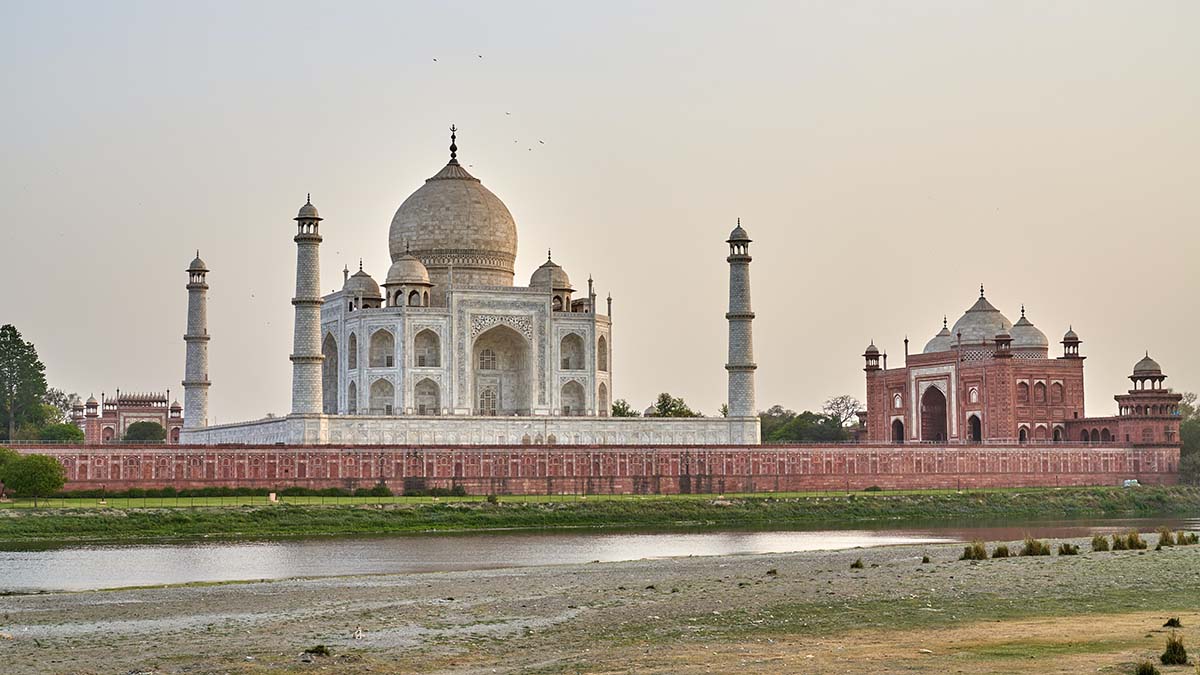
 The city of Agra in North India is synonymous with the Taj Mahal, the apogee of Mughal architecture in India. The Mughal Empire was founded by Babur in 1526, a descendent of Timur (Tamerlane) and Genghis Khan. Babur reigned from 1526-1530. He was succeeded by his son Humayun. But the Mughal Dynasty truly flourished under the rule of the emperors who followed Humayun, his son Akbar (1556-1605), Akbar’s son Jahangir (1605-1627), and Akbar’s grandson Shah Jahan (1628-1658), known as the builder of the Taj Mahal.
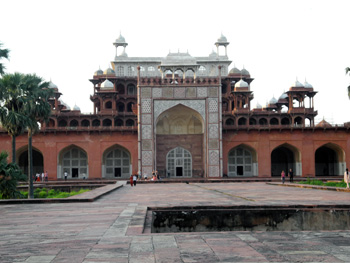 On a hot, summer day in August, with temperatures reaching 100F, we traveled to Agra from New Delhi in a rented car with driver. This is one of the best ways to go to Agra in the hot months as taxis such as these are air conditioned and one can travel in relative comfort. Our first stop was at Sikandra, the mausoleum of Emperor Akbar, about 10 kilometers from Agra city center. Considered as the greatest Mughal emperor, he was the most secular minded royalty and a patron of the arts, literature, philosophy and science. Akbar himself laid out the plans for his own tomb, selected an appropriate site and even started building it. His son Emperor Jahangir finished building the tomb in 1613.
 The hallmark of Mughal architecture in India is in the use of red sandstone and marble. We entered the mausoleum complex through a red sandstone gateway, with four minarets in each corner, immediately bringing to mind the Taj Mahal. There are four gateways into the complex but only one is in use now. A broad, paved plaza like walkway leads to the tomb. Magnificent in its look, the tomb is a five story red sandstone building, carved with glazed tiles and colorful stones. The eye catching mosaic patterns that cover the gateway and the tomb entrance embody the essence of Mughal design showcasing elaborate stone inlay work, calligraphy, tile work, painted stucco and white marble.
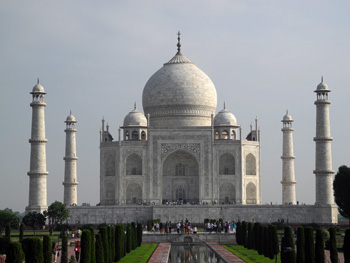 At around 7 am next morning, we reached the Taj Mahal. In the early morning quiet, we had an easy time of buying tickets and then we headed towards the main entrance gateway to the Taj. I could feel the palpable excitement in the air as we waited to get in. One first views the Taj through the dark entrance way and I remembered my first visit all those years ago. The Taj is one monument I feel that exceeds the expectations of the viewer no matter how many times they have seen it.
 The tomb complex stands on the southern banks of the River Yamuna and took twenty years to be completed. It is made of white marble inlaid with semi-precious stones that form intricate designs using the pietra dura technique. There are verses from the Quran, inscribed in calligraphy on various sections of the complex including its arched entrances. Like at Sikandra, the Taj too is situated in a four square Mughal paradise garden, on its northernmost end and on a raised marble platform. The four decorative minarets on each corner lean away slightly so that in the event of an earthquake they do not fall on the main structure. Both Shah Jahan and Mumtaz Mahal are interred here and we see their highly decorated marble cenotaphs directly below the main dome. Both these are false tombs and the real tombs are underground and cannot be viewed by the public.

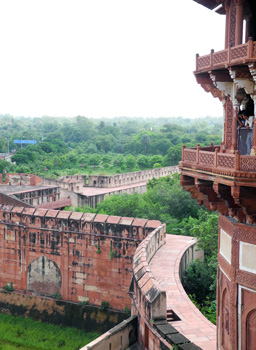
 Soon it was time to leave and move on to the next historic site on our itinerary, the Agra Fort, also known as the Red Fort of Agra. Emperor Akbar began building this massive red sandstone fort in 1565 and it was completed with further additions by Emperors Jahangir and Shah Jahan. Predominantly built as a military structure, Shah Jahan constructed several white marble palaces within the premises. It too is a UNESCO World Heritage Site designated so in the same year as the Taj.
 We walked around the fort in the blinding August midday heat, strangely unperturbed, feeling ourselves being transported to the Mughal glory days. We strolled through marble pavilions and red sandstone hallways, stopping to admire the elaborate and intricate carvings. The Agra Fort is a superb example of Indo-Muslim architecture with Persian influences. This is seen in the floral and geometric designs that cover the walls, the archways, and in the intricate jali (perforated stone and latticed screens) patterns and the balconies that overlook the Yamuna River and the Taj Mahal. In the final years of his life, Shah Jahan and his daughter Jahanara Begum were imprisoned here in the tower known as Musamman Burj by his son Emperor Aurangzeb when he came to power in 1658. It is said that he spent his last days looking out at the mausoleum of his beloved Mumtaz Mahal.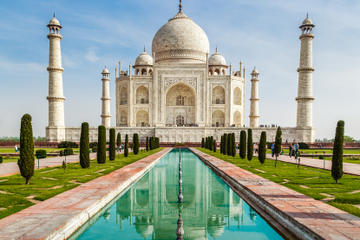
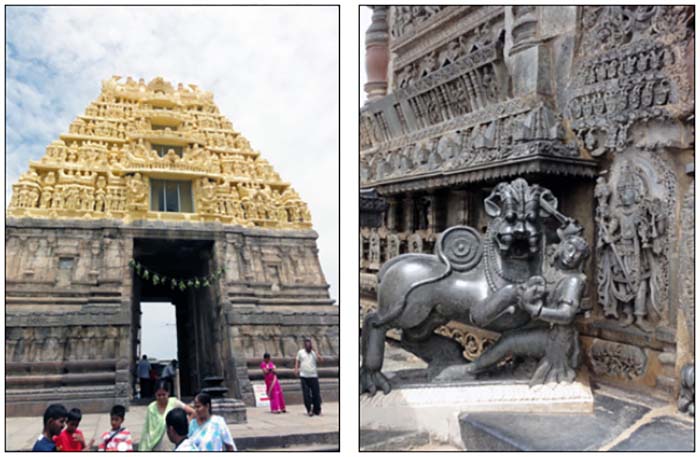
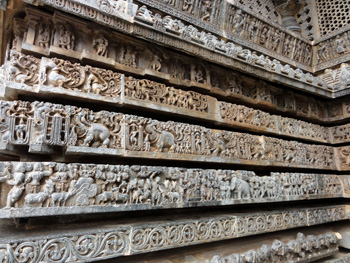 While closer to Chikmagalur, we decided to take a quick detour to visit the renowned temples of Halebid and Belur, both located about 30 km (though in different directions) from Chikmagalur. Both these temples are characterized by ornate pillars, detailed panels, intricate carvings, beautiful sculptures and are the finest examples of the Hoysala school of architecture. The Hoysaleswara temple in Halebid, dating back to the 12th century has it walls covered with myriad sculptures which depict a wide variety of Hindu Gods, mythological birds and animals. It is indeed a marvel that no two sculptures here are the same.

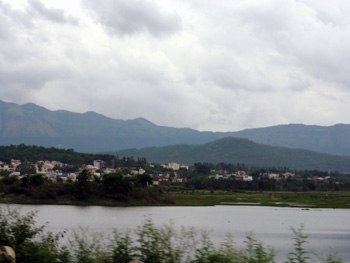 One of the most popular attractions in Chikmagalur is the peak of Mullayyanagiri. This is the highest peak in Karnataka and at a little less than 2000 meters, it is one of the most loved trekking destinations. However, the road to Mullayyanagiri is very narrow with steep curves. Unless traveling on a clear sunny day, there is every chance that the road ahead would be very foggy with very low visibility. The road ends a little below the peak beyond which a small trek takes you to the peak which houses a temple. The views are picturesque and breathtaking and provide a great spectacle of the Arabian Sea on clear days.
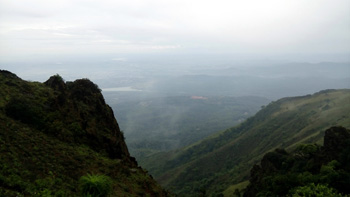 Close to Bababudan giri are the Manikyadhara Falls which again is a much visited destination. Though small, the waterfalls are frequented throughout the year as it is considered a holy site. Tourists as well as locals bathe in the water as it is believed to have divine therapeutic powers. We too had a quick dip in the waters before proceeding back.
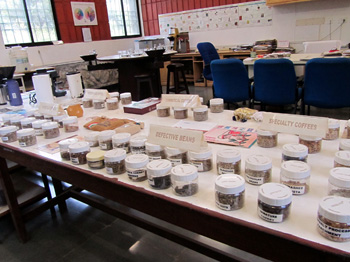 In the city, the coffee museum is yet another ‘must visit’. Nestled in the greenery of the ‘coffee land’, this place is a store house of information on the history of coffee, its cultivation, varieties, grading and basically everything you ever wanted to know about coffee. An initiative by the Coffee Board of India, the museum also houses the coffee quality evaluation and training center. Attractive visuals and maps display interesting trivia and the place gives you a complete picture of the “bean to brew” journey. With a modest entry fee, this place can really boost your knowledge on coffee and it is recommended for adults and children alike.


 About the author: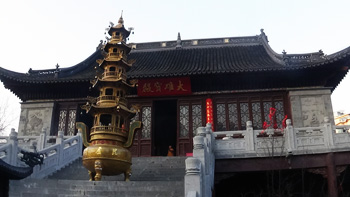
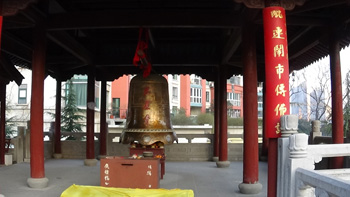 For 20 RMB the grounds hold an opportunity to walk in, and with three incense given once a ticket is purchased to light-up and bow towards all four corners of the Temple several times. After, there’s a place to put the incense upright upon the blessings. There’re other forms of blessings, like buying a red-ribbon and tying it to the veranda or tree.
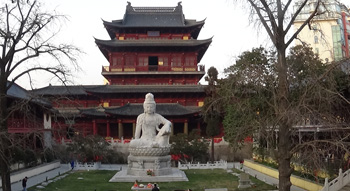 How one enters the temple and how to conduct oneself? It’s as simple as stepping over, with feet not touching the small barrier through its doors and walking over a small bridge always on the right or left, but never through the center. A person can take photos outside; however, one never takes photographs of the Buddha inside the respective buildings.
 By the way, through the contemplative walk, there is a beautiful white Guanyin Buddha measuring nearly three stories high in the center of the gardens.

 About the author: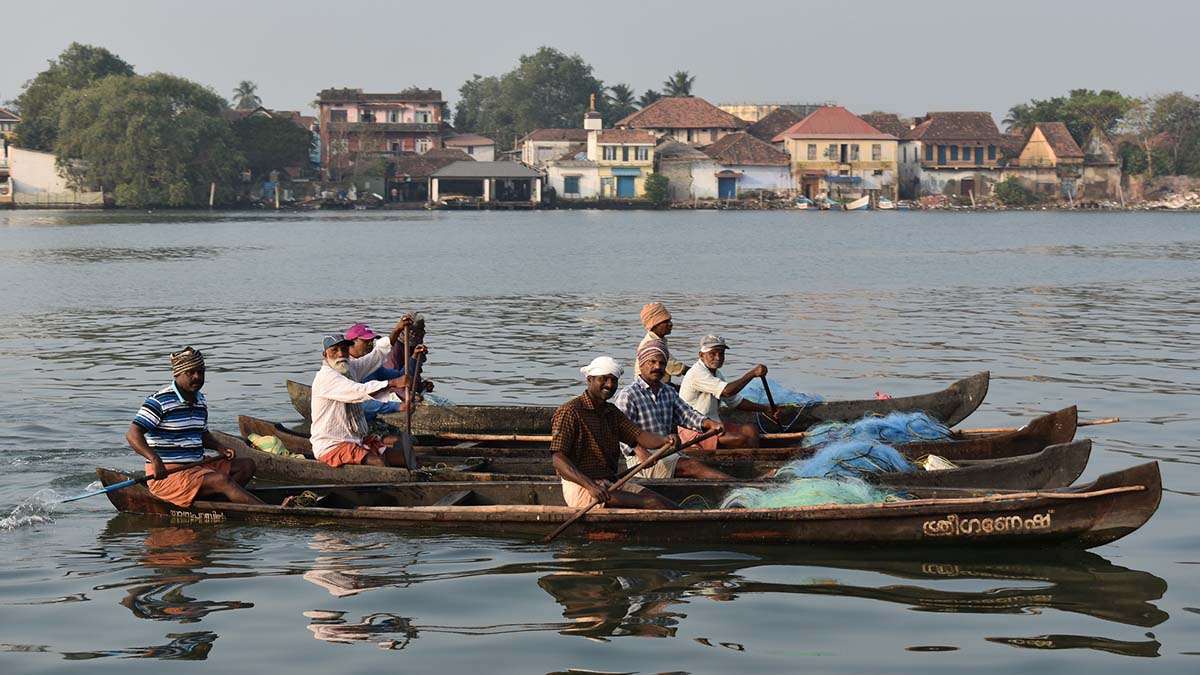
 One of the most popular attractions of Kochi is a cruise along the backwaters of one of India’s largest lakes, the Vembanad lake. A boat ride along the placid backwaters gives you an excellent opportunity to witness the varied sights of this wonderful port city. You can opt for a short cruise cruise that will literally give you a bird’s eye view of the city’s skyline including the islands of Willingdon and Vypeen. Some cruises even take you upto the estuary point, the point where you can witness the mouth of the massive Arabian sea.
 Arguably, one of the most engrossing sights of Kochi is the area of Fort Kochi which is the historical part of the town which has distinct European influences. Best explored on foot, this is the first European township in India and characterized by heritage bungalows, churches and of course the famous Chinese fishing nets. Definitely Kochi’s most recognizable sight, the fishing nets are a truly a mechanical wonder in that they have been around since the 14th century and are effectively used even today! It is worth watching a live demo of how these wonderful structures that are fixed installations work. About 10 meters in height, these nets are held by bamboo and teak poles and are operated in an unusual manner from the shore. The nets spread as much as 20 meters into the water and are laid for a short duration of about five minutes. It is indeed a unique experience and eager fishermen can give you a detailed account of these nets for a small fee; it is something not be missed while in the city!
 St. Francis church is an important landmark in Fort Kochi and is believed to be the oldest European-built church in India. The church once had the mortal remains of the great explorer Vasco de Gama, who died here in 1524. The remains were later transported back to Portugal. The Dutch cemetery is yet another important site which houses the tomb stones of several Europeans who had left their homes and settled in the trading centre of Kochi. The place is currently managed by the Church of South India. Fort Kochi is an extremely vibrant locality with scores of little shops selling a wide variety of magnets, souvenirs, beaded jewellery and other knick knacks. Do have your bargaining skills handy while shopping here. A stroll along the charming Princess Street, one of the oldest streets in the area is a great idea. Lined on both sides with a number of European style restaurants, you can sample some great local food here.
 A truly captivating area, the ancient and historical township of Jew Town is the centre of spices and antiques. Again teeming with little outlets, you can pick up anything from nutmeg, mace, cloves and cinnamon that are stored in sacks outside the store. The plethora of antiques available in the Jew town is truly mind boggling. From a wide variety of copper and brass artifacts, you can shop for items like antique bells, lamps and even stone sculptures.

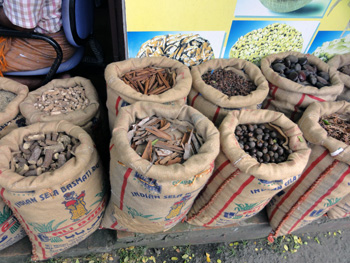 Yet another historical part of the city, Mattancherry is synonomous with the Dutch palace or the Mattancherry palace. Originally built by the Protuguese in 1555 as a gift for the Raja of Cochin, it was later renovated by the Dutch. A treasure house of information on the history of the city of Cochin and its rulers, this place has a remarkable collection of beautiful murals. Articles of use by the royals and portraits of the Rajas of Cochin right from 1864 are on display.
 While in the mainland city of Ernakulam, the Basilica of Our Lady of Ransom is a renowned centre of pilgrimage. This famous ancient Christian Church built in 1524 is visited by scores of people from not only Kerala but all over the world. Irrespective of caste, creed or religion, people throng here in great numbers to seek the blessings of Mary, the mother of Jesus, popularly known as “Vallarpadathamma” here. The annual festival of the church held each year in September is also very famous.