Travel Thru History

Historical and cultural travel experiences

  • Home
  • Airfare Deals
  • Get Travel Insurance
  • Writers Guidelines

Whitney Plantation: A Louisiana Museum Dedicated To The Slaves

slave cabin at Whitney Plantation

by Connie Pearson 

John Cummings, New Orleans attorney, is determined for us to know the real truth about slavery in the South. When blacks and whites are fighting in the streets over the latest injustice, and the whites make the mistake of saying about the blacks, “They just need to get over it,” John Cummings wants us to know what the “it” is. He is dedicating himself and millions of his own money to educating visitors who come to Whitney Plantation, the only plantation in Louisiana with a singular focus on the plight of the slaves.

Thanks in large part to the Federal Writers’ Project which was a part of the WPA (Works Progress Administration created to provide jobs for unemployed Americans after the Great Depression), 2300 individual interviews were recorded with people who were in slavery at the time of the Emancipation Proclamation. Most were children when they were given their freedom but were quite elderly when they told their stories. Interviews were primarily conducted between 1936-1938, but many from Louisiana carried over until 1940. The details and descriptions they shared were chilling. It is unimaginable to believe such inhumanity to man was tolerated, allowed, even culturally accepted.

Woodrow Nash sculpturesThe exhibits, artwork, tour information and historic buildings on the grounds incorporate slave narratives that represent all victims of slavery in the United States, not just the ones who worked on the grounds of Whitney Plantation. This is a place to remember, to pay respect and to raise awareness. According to an article in The New Yorker by Kalim Armstrong: “The Whitney Plantation is not a place designed to make people feel guilt, or to make people feel shame. It is a site of memory, a place that exists to further the necessary dialogue about race in America.”

On the plantation grounds, you will find several slave cabins brought in from nearby Myrtle Grove. Twenty-two cabins that existed at Whitney were torn down in 1970, so the present ones are authentic but are not in their original location. The Antioch Baptist Church (formerly known as the Anti-Yoke Baptist Church) has a significant history that you will hear when you tour. Inside are many sculptures created by Woodrow Nash intended to represent slaves of Whitney Plantation as they looked in 1864 when the war ended – as children.

Field of AngelsYou will see the Field of Angels, which is a memorial dedicated to 2200 slave children who died before their third birthday, and you’ll also pass the Wall of Honor listing the 350 slaves who were actually a part of the Whitney Plantation. Sugar kettles, forged by blacksmiths and representative of the sugar cane production, are scattered throughout the grounds, and occasionally you will hear the sound of a bell. Slaves had no voice, so the bell is rung to symbolically “give them a voice.” Excerpts from the Federal Writers’ Project interviews are inscribed in various locations. Most mention types of punishment used and the rampant sexual exploitation. Here is an example from Julia Woodrich which is less graphic:

My ma had fifteen children and none of us had de same pa. Every time she was sold she would get another man. Dey didn’t sell da man dat she would be with. Dey didn’t marry before de war. De missus taken an alphabet or some book and read somethin’ out of it and den put a broom down and dey jump over it, den dey was married. Sometimes dey would give dem a chicken supper.

Swamp land surrounds the plantation, so it is easy to imagine the alligators, snakes and other dangers a slave would have encountered if he tried to run away.

By all means, visit other plantations on River Road, the historic stretch of highway between New Orleans and Baton Rouge. See the gorgeous mansions and learn about life before, during and after the Civil War. But please don’t leave without spending time at Whitney Plantation. It is a vital part of a story that America needs to acknowledge and memorialize.

If You Go:

Whitney Plantation, 5099 Highway 18, Wallace, LA, is open every day except Tuesday from 9:30 to 4:30. Admission is $22.00.


Whitney Plantation, Museum of Slavery and St. Joseph Plantation Tour

Some of the other plantations in the area:

  • Oak Alley
  • Destrehan
  • Evergreen
  • St. Joseph
  • Laura

Lodging: Holiday Inn Express, La Place, LA

Dining

  • B & C Seafood – Vacherie, LA
  • Spuddy’s – Vacherie, LA
  • Connie’s Grill – Reserve, LA
  • New Orleans Hamburger and Seafood Company – La Place, LA

About the author:
Connie Pearson is a native Alabamian, wife of 46 years, mother of 3 and grandmother of 12. She is a retired elementary music teacher who is now a travel writer and blogger. She is the author of Telling It On the Mountain: 52 Days in the Life of an Improbable Missionary. Visit www.theregoesconnie.com

Photos by Steve Pearson:
Slave cabin
Whitney Plantation sign
Woodrow Nash sculptures inside Antioch Church
Field of Angels

Tagged With: Louisiana travel, Wallace attractions Filed Under: North America Travel

The du Pont Family Mansions

Nemours mansion of du Pont family

by Kurt Jacobson

Hidden in fragrant forested areas of Delaware and Pennsylvania are three of the famous du Pont family mansions and gardens. These grand estates have something to draw all ages to witness the glorious past of American industrialism when it was fashionable to build a fortune and leave behind an estate for the public’s enjoyment. The three du Pont family members left Nemours, Longwood, and Winterthur to be enjoyed by us common folk, were quite different. What they had in common was they were all part of the gunpowder family’s legacy, wealthy and wanted to share these special estates with all who wished to visit.

When I moved from the West to Baltimore, history engulfed me like never before. Shortly after moving to Maryland a work associate at my wife’s workplace told her to check out Kennett Square, Pennsylvania and Longwood Gardens. I had no real idea what it would be like, but we were ready to explore our new region and Kennett Square was a mere hour and ten minutes up scenic Route 1. Within the first month of arriving we drove up to Kennett Square and explored the historic downtown and Longwood Gardens not knowing how much both had to offer. We would find out over the few months after repeated visits.

Pierre S. du Pont, 1870-1954, found out about a place called Peirce Farm and its impending sale of trees for lumber. This was no ordinary forest. This was a collection of stately heritage trees planted and tended with care for decades; Pierre couldn’t stand the thought of these trees being cut down for lumber. Here is an excerpt from the Longwood Gardens website:

I have recently experienced what I would formerly have diagnosed as an attack of insanity; that is, I have purchased a small farm,” Pierre du Pont wrote to a friend soon after purchasing the Peirce farm in 1906. However, he added, “I expect to have a good deal of enjoyment in restoring its former condition and making it a place where I can entertain my friends.”

fountain in Longwood flower gardenAfter purchasing Peirce farm Pierre set about planning and building a six hundred foot “Flower Garden Walk” one of the most popular gardens to this day. His love of fountains was ready to blossom at Longwood. Pierre started with a simple pool with a single jet of water in the middle of the Flower Garden Walk. Many more fountains would follow. The Open Air Theater followed five years later and many a performance was held in this stage with modern lighting and fountains. Several concerts are held in this historic venue throughout the summer and if you purchase concert tickets they include garden admission.

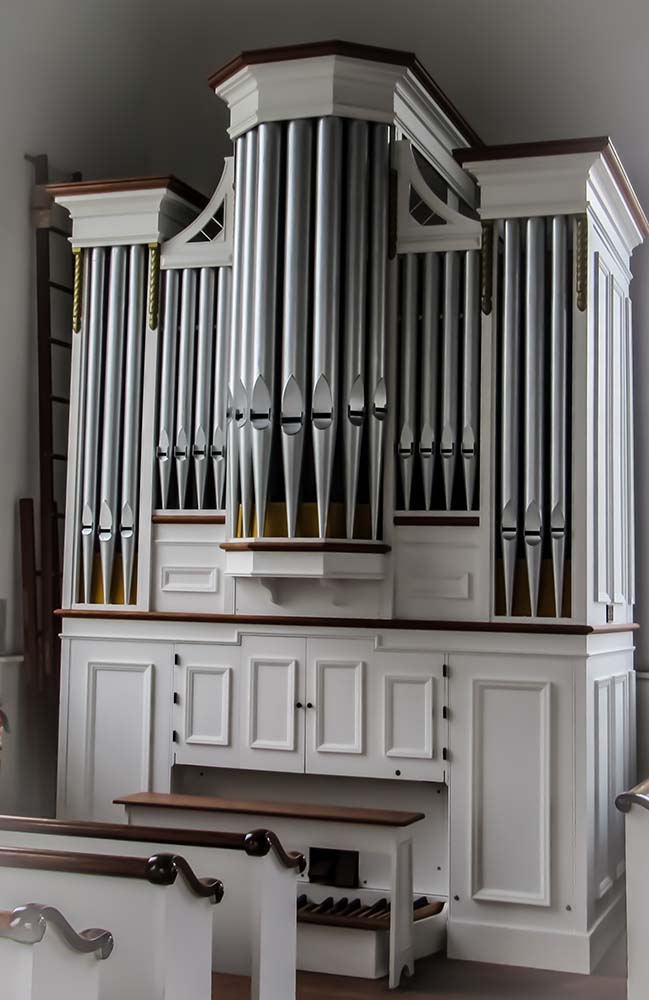
Italian water gardenPierre was just getting started on his country estate. He would go on to add the Italian Water Gardens, an extension on the old Pierce home, a conservatory, and the Main Fountain Garden pumping 10,000 gallons per minute as high as 150 feet high! Pierre also had an astounding Aeolian pipe organ designed for the Conservatory with 10010 pipes. This organ literally had all the bells and whistles and delights visitors to this day with an interactive organ display. Catch concerts played by computer memory of past performances, or by expert organ players throughout the year.

Pierre and his wife had no children and started a plan by establishing a foundation in 1937 to guide the gardens estate’s future. Two years after his wife died Pierre received approval from the IRS for his Longwood Foundation to operate Longwood Gardens as a public garden with “tax exempt” status: “for the sole use of the public for purposes of exhibition, instruction, education and enjoyment.” Now the public could come and enjoy walking in the forests, meadows, flower gardens and conservatory in peace and beauty where previously only family and invited guests could go. This giant of industry was president of DuPont and Nemours and Company 1915-1919 as-well-as General Motors from 1915-1920. At Longwood, visitors can see glimpses of this great man’s life through a self-guided tour of his home and gardens. An estate you will never forget.

Winterethur exteriorFrom Kennett Square we travel next to one of the homes of Henry Francis DuPont, 1880-1969, north-west of Wilmington, Delaware. Henry functioned as farm manager on Winterthur since 1914. This was no small farm. At its height in the 1920s the farm encompassed some 2,500 acres and employed around 250 with turkey, chicken, sheep, pig and dairy farms. A prize winning herd of Holstein-Friesian cows were also raised on the farm. In 1927 Henry inherited Winterthur and set about making changes to the humble twelve room home built in 1837 by relatives. During 1928 through 1932 Henry dramatically increased the size of Winterthur by adding a new wing.

Henry and his wife Ruth were collectors of early American decorative art and architecture elements. They opened the home to the ticket buying public where visitors could view their extensive collection. The family moved to a smaller home they called “The Cottage” where they could live in peace and quiet now that the main house was a museum. In 1961 First Lady Jacqueline Kennedy visited Winterthur and was so impressed she invited du Pont to head the Fine Arts Committee, which oversaw the restoration of the White House.

Winterthur Christmas treeThe grounds are also open to the public and feature a “naturalistic” design. This park-like garden is a treat to walk in the spring when the azaleas are in bloom, and songbirds sing the praises of the season. Winter visitors get to see how the wealthy decorated for the Christmas holiday. The tour culminates with the Flower Tree, a very tall, natural Christmas tree decorated in dried flowers. During dreary days of winter this is a warm and inviting place to visit. Spring and fall are also tops in my book and I try and visit the gardens during these gorgeous days in the Brandywine Valley.

The next estate visit is Nemours, named after the ancestral home in France. The story of Alfred I. du Pont is my favorite. Alfred grew up a child of the powder mills and became a great benefactor of the common laborer. He worked hard to become the wealthy person we read about in the visitor center and even enjoyed forming and conducting the Tankopanicum String Orchestra made up of workers and du Pont family members alike. It was said of him, “If mister Alfred knows you in the powder yards, he knows you in Wilmington.”

Alfred lost both parents when he was thirteen just weeks apart. At his father’s deathbed he remembered being told, “Son, I’m not going to be with you long. You must get an education and then come back, take off your coat and then ask your uncle Henry for a job. I think the old company may need you sometime.” Alfred took his father’s advice which served both him and the company well. This fourth generation gunpowder maker started as an apprentice powderman in 1884 at the age of 20 by hauling loads of wood and charcoal alongside the regular crews. He did well and advanced swiftly through the ranks. He made partner at the age of twenty-five and eventually bought the company with cousins Pierre and Coleman du Pont in 1902.

Nemours interiorAlfred built Nemours, a large 47,000 sq. ft. mansion and took only 18 months to complete under his expert guidance. Nemours was inspired by Marie Antoinette’s Petite Trianon in Versailles. The French gardens cover over 300 acres and features exquisite landscaping. Building Nemours was partly to enchant his second wife, but it seems she wasn’t thrilled with Nemours or Alfred. Alfred would face both career and personal difficulties that could ruin a lesser man with three marriages, and being ousted from the company he loved. Alfred’s greatest legacy is the Nemours Hospital and outpatient clinics spanning five states specializing in children’s care. Come read his storyline in the visitor’s center, tour the house and gardens, and see what this amazing man achieved and left to the public.

There is so much to see at these three estates it would be best to stay for two or three days. It would be hard to find a more appropriate lodging than The Inn at Montchanin Village near Nemours. The village of Montchanin is close to the original DuPont powder mills. Once part of the Winterthur estate, the village was named after the grandmother of du Pont’s founder.

The Inn at Montchanin Village is now a quiet country inn with a spa, restaurant, and luxurious suites for the discerning traveler. Many of the 24 unique suites have a private courtyard and garden. Krazy Kats restaurant serves fresh, northeast seasonal cuisine in regal-cat inspired dining room. Open for breakfast, lunch and dinner Krazy Kats is one of the best restaurants in the area.

Even if you only have time for one of these famous du Pont mansions it’s worth a visit. All of the four du Pont historical properties listed above are easily accessed from Philadelphia airport, Wilmington’s Amtrak station or Interstate-95. Come get a taste of American history at its best in the Brandywine Valley.

If You Go:

Longwood Gardens
1001 Longwood RD
Kennett Square, PA 19348
Open Sun-Wed 9-6
Thurs-Sat 9-10
Phone: 610-388-1000

Winterthur
5105 Kennett Pike
Winterthur, DE 19735
302 Winterthur road for GPS
Tues-Sun 10-5
Closed Thanksgiving and Christmas
Phone: 800-448-3883

Nemours
850 Alapocas dr
Wilmington, DE 19803
Open May 1- Nov 13
Tue-Sat 10-5
Sunday 12-5 (mansion 1-4)
Phone:302-651-6913

The Inn at Montchanin Village
Route 100 and Kirk rd
Montchanin, DE 19710
528 Montchanin rd for GPS
Phone:302-888-2133

About the author:
During three years of food blogging as the Fast and Furious Cook Kurt Jacobson saw other food bloggers incorporate travel into their blogs. After following suit, with an occasional travel post he found he liked travel writing better than food blogging. With extensive travels to Japan, New Zealand and all 50 U.S. States travel writing suited him well. Most of his writing has a food element; after all, some of the best travel stories come with a side of food.  In his first year travel writing he has been fortunate to have dozens of articles published in online travel sites and magazines. The best part is the journey is just getting started. Let’s take a trip!

All photos by Kurt Jacobson:
Nemours mansion
Longwood flower garden walk
Longwood water lily garden
Winterthur mansion
Winterthur flower tree
Nemours staircase

Tagged With: Delaware attractions, du Pont mansions, dupont estates, Pennsulvania attractions, USA travel Filed Under: North America Travel

A Glimpse of Russia in Sitka, Alaska

Bishop House museum

by Cynthia J. Notti  

Sarah Palin’s infamous quote about seeing Russia from her doorstep has some truth to it. If you visit the remote island of Little Diomede you can see Russia’s island Big Diomede. At a mere 2.3 miles apart, the international dateline runs between the two islands separating Russia from the United States by a whole day. So, in theory, you can travel two minutes to Russia and be 23 hours into the future. I don’t recommend you time travel this way, as it is illegal to cross the Bering Strait.

sitka townIf you lived in Sitka, Alaska in the mid 1800’s not only could you see Russia from your doorstep, you’d be living in its capital. 250 years later you can take a walk through Russia America. Sitka has a rich Russian history from where Russia first flew its flag, to where the sale of Russia to America took place. I was teleported back to a time once forgotten all interspersed with locally crafted beer, the best Alaskan scallops I’ve ever tasted and arts and crafts by local Alaska Native artists.

totem in parkI started my day at Alaska’s oldest and smallest National Park, or as the locals call it, Totem Park, In the center of the park is a commemorative plaque to mark the battle of 1804 between Russia’s Alexander Baranov and the Kiksadi Indians. This decisive battle marked the last major Native resistance in Sitka to European domination of Alaska. A storyboard depicts this historic event. Take special note of the Russian blacksmith hammer shown, the Kiksadi first acquired the hammer as a war prize in their attack on the Russian fort at Old Sitka. The hammer is on display in the Visitor’s Center.

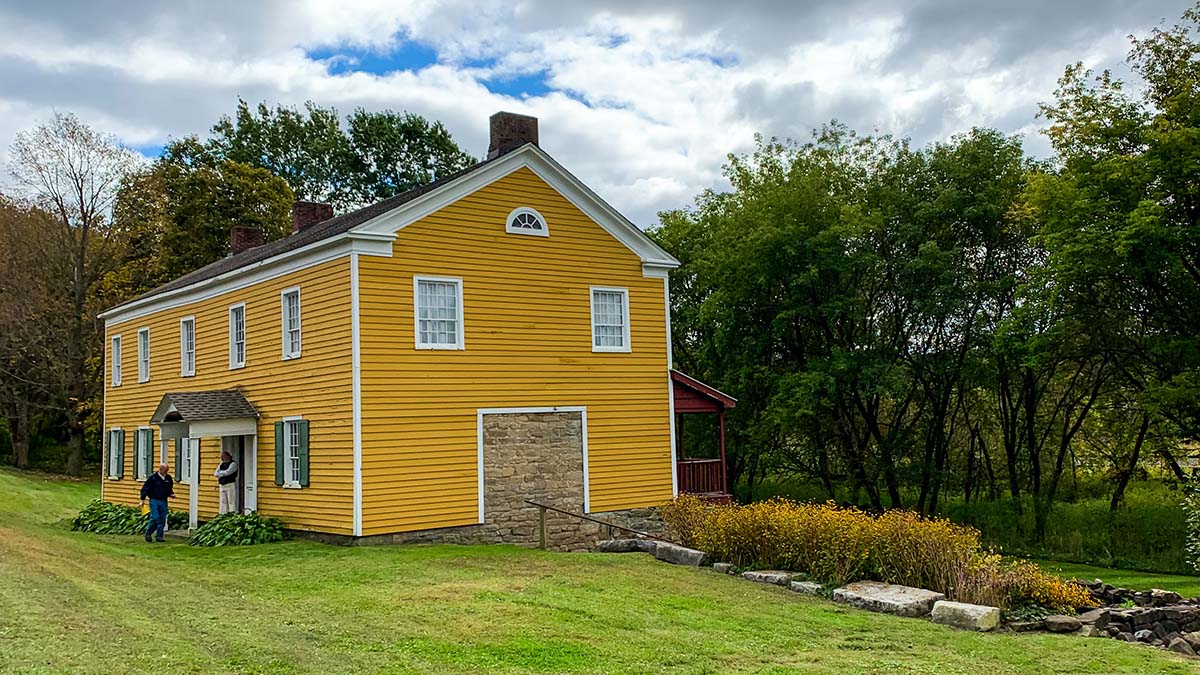
I explore the rest of the Park’s trails and two hours and two miles later I head back towards town. A five-minute walk up Lincoln Street and you’ll arrive at the Russian Bishop House. Built in 1843, this restored simple structure is one of the few surviving examples of Russian colonial architecture. This two story mustard yellow building was once the headquarters for the Russian Orthodox Church, than later the Russian Mission Orphanage, now it’s a historic house museum. Stepping inside are photographs and artifacts that will make you feel and understand what it was like to live in Sitka during the Russian-American period, read up on Saint Innocent of Alaska, as you’ll see more of him on this tour.

After that my stomach is demanding lunch. The next building over, at 407 Lincoln Street is Bayview Restaurant. Located on the second floor of the Bayview Trading Co. This local pub serves burgers and beer. Best place to savor local and regional beers of Alaska and the view of the harbor isn’t bad either.

 St. Michael’s Russian Orthodox ChurchContinuing West on Lincoln Street, you go barely a block and St. Michael’s Russian Orthodox Church is sitting right in the middle of the street, literally. Built in 1844 century, it was the earliest Orthodox cathedral in the New World and the oldest church in Alaska. The Russian American Company funded the project, the bells were forged in Alaska and the clock fixed in the bell tower was made by Saint Innocent of Alaska himself. Stepping past the royal doors you’ll find a treasure trove of Russian ornate Old World icons from the 1700 and 1800s. Most notable icons are Our Lady of Sitka (better known as the Sitka Madonna) and Christ Pantocrator (Christ the Judge or Christ Omnipotent), both are by Borovikovsky.

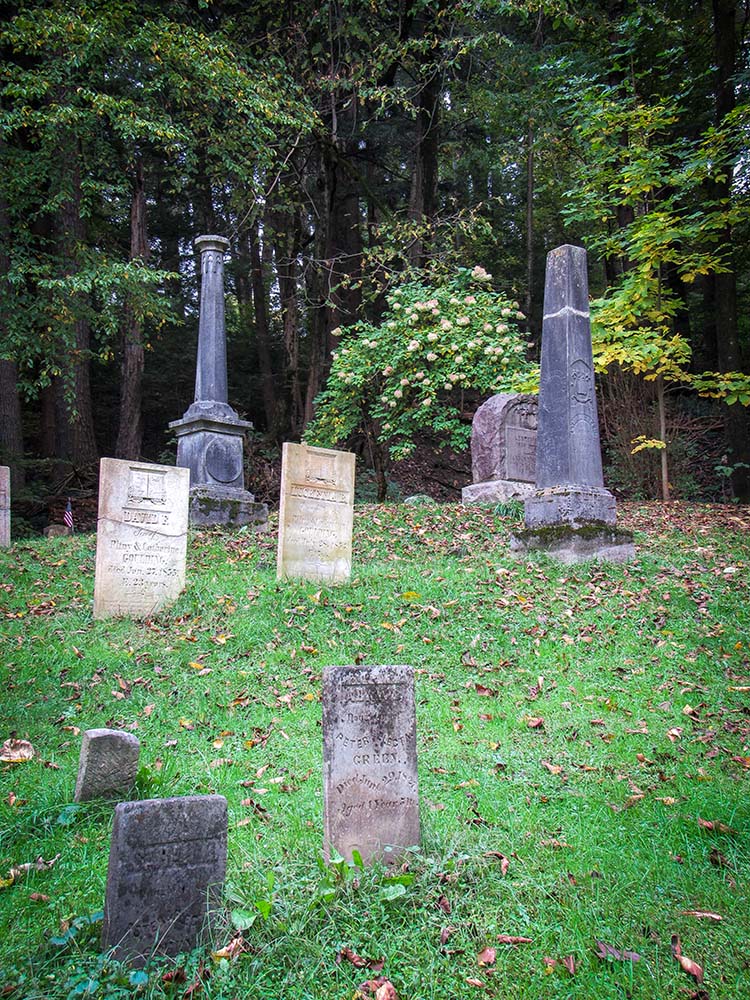
Once you leave St. Michael’s keep heading west, towards the water, go just a few steps and turn right on Barracks Street. The road will take a slight left however continue straight. From the street you won’t be able to see it, as the location is inconspicuous. Located in a grassy vacant lot is a weather worn picket fence bearing remnants of white paint that encloses the gravesite of Princess Aglaida Ivanovina Maksoutoff, the wife of the last Russian Governor, Dimitri Maksoutoff, she passed on December 18, 1862.

gravesite of princessOriginally three blockades were built to protect the Russian settlement; if you look closely at the remaining one, you’ll notice chainsaw marks, which indicates the blockhouse is a replica and was reconstructed on the site of the original. Located directly across the street from the Princess grave, perched on top of the knoll, these blockhouses were incorporated into a stockade wall that guarded Old Sitka. Peek inside to find an old cannon. The site is marked with storyboard about a church, the lands and a divided town. Also located here are the gravesites of original Russian settlers and their corresponding stories.

Head back the way you came, down Barracks Street, turn right at Lincoln Street and in a couple of buildings, on the left side of the street is 202 Lincoln or better known as The Russian American Building 29. Built in 1835, it is one of the few Russian buildings surviving today and the only Russian colonial commercial structure standing in Sitka.

panoramic view of SitkaContinue west on Lincoln Street and in a few yards you’ll come to a large sign that marks Castle Hill, also known as Baranof Castle. Tlingits, Russians and Americans have all claimed and occupied this site. First as a lookout point to defend the Tlingit Indian’s home, then Baranof’s Castle was the focal point of the Russian American company and housed the Russian Government and lastly the site where the transfer of Alaska to the United States took place in 1867. This by far is my favorite Russian American site not only because of the historic significance but also of the commanding 360-degree view over the town and water.

Now teleport yourself back to present day and head down Katlian Street to the Pioneer Bar, a fisherman’s and local hangout where the dress code is Xtra Tuff boots and Carhartt jackets. They’re all to friendly to give you their favorite spot to fish, enjoy the sunset, whale watch or tell you stories about bears that make their way into town. We end our perfect day by going next door to 256 Katlian Street to Ludvig’s Bistro, this unassuming little restaurant is the place to eat fresh local seafood from Sitka’s fisheries. I ordered the Tuscan Scallops, which are Alaskan scallops in prosciutto and truffle oil, with a nice and expensive bottle of Italian wine. We ate and recapped our amazing day while watching the sky change colors as the sunset in this most historic little Alaskan town.

If You Go

How to get there
Alaska Airlines,  800-252-7522
Alaska Marine Highway,  800-642-0066

Where to stay
Best View – Fly In Fish Inn Lodge,  907-747-7910
Budget – Super 8,  907-747-8804
Downtown – Sitka Hotel,  907-747-3288

Where to eat
Mediterranean – Ludvig’s Bistro, 256 Katilan Street 907-966-3663
Sushi – Little Tokyo In Sitka, 315 Lincoln Street 907-747-5699
Pizza – Pizza Express, 1321 Sawmill Creek Rd. 907-966-2428
Ice Cream – Harry Race Pharmacy, yes a pharmacy but they have an old fashioned ice cream parlor here. 106 Lincoln Street 907-966-2130
Local Crafted Beer – Bayview Pub, 407 Lincoln Street 907-747-5300

More Information
Sitka Historical National Park –  907-747-0110 Visitor Center Summer Hours: May – September, Daily 8 a.m. to 5 p.m.
Visitor Center Winter Hours: October – April, Tuesday – Saturday 9 a.m. – 3 p.m. For Sunday & Monday hours call for hours.
Sitka Convention & Visitors Bureau – download a free vacation planner.  907-747-8604
About the author:
Cynthia Notti is a travel writer who can be found in Anchorage, Alaska when she is not riding a donkey through the mountains above Petra or exploring some similar locale. She has a degree in Business Administration and has worked for many years in the business world before focusing her attention on travel. She is currently working on her web site, www.discoverytravel.club and social media presence.

All photos by Cynthia J. Notti:
Bishop House – The historic Bishop House is now a museum.
View of Town – View of Sitka from the walking trail of Totem Park.
Sitka Totem Park – This totem will greet you as you enter Sitka National Historical Park or as the locals call it Totem Park.
Russian Church – Russian Orthodox Church is located in the center of Lincoln Street.
Princess Gravesite – Gravesite of Princess Maksoutoff, the wife of Alaska’s last Russian American Governor, Dimitri Maksoutoff.
Castle Hill – A panoramic view of Sitka from Castle Hill.

Tagged With: Alaska travel, Sitka attractions, USA travel Filed Under: North America Travel

Shaker Life At Pleasant Hill, Kentucky

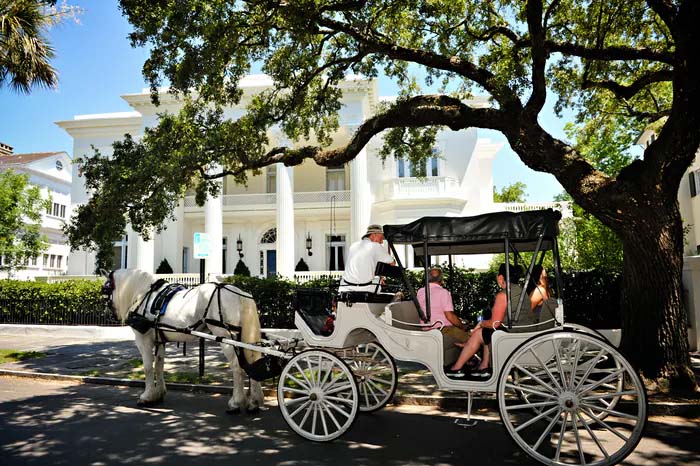
shaker horse-drawn wagon

by Wynne Crombie 

The trees lining the landscape were just beginning to bloom when my husband Kent and I arrived at Pleasant Hill. It was bustling…visitors were strolling along the dirt paths, a guided tour was visible in the distance and a horse and wagon ride had just crept up behind us.

We were ready to begin our discovery tour of a way of life that was simplicity itself.

Shakers starting arriving at Pleasant Hill somewhere around 1805. As early as 1816 they were producing enough surpluses of brooms, preserves, packaged seeds and other products to begin regular trading trips to New Orleans.

By the Mid-1850s Shakerville (as it was called) was home to approximately 600 Shakers occupying 250 buildings and almost 2800 acres of land. The Civil War and Industrial Revolution took a heavy toll and the community dissolved in 1910. In 1961 it was reestablished as a non-profit educational entity.

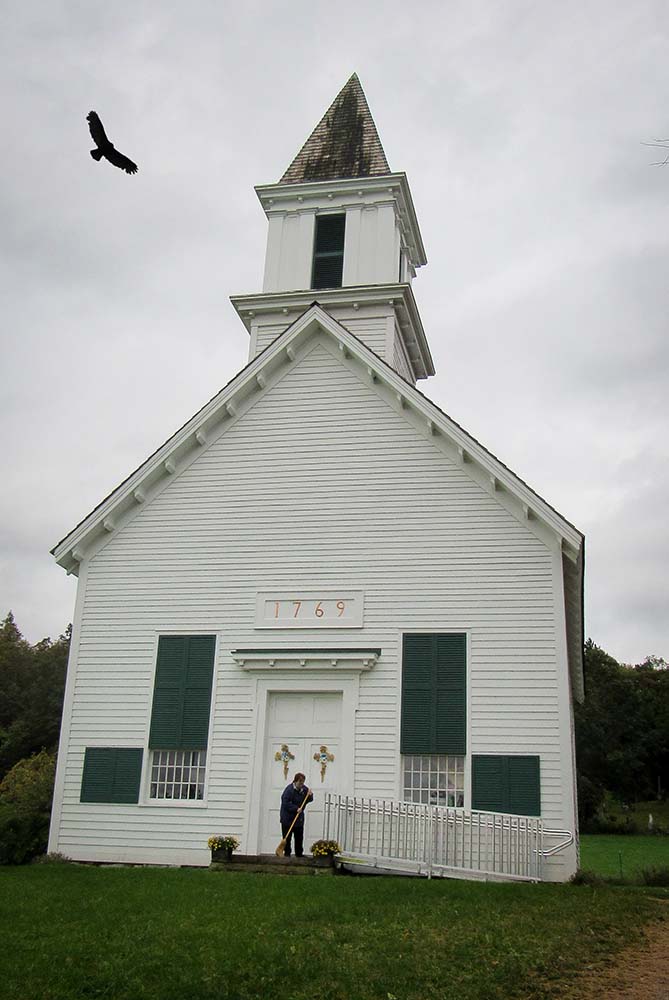
shaker meeting houseA rousing beat was coming from the 1820 Meeting House. The door was open and a demonstration of Shaker religious singing was in progress. It was a boisterous rendition of Loch Lomond. We stepped in to get a closer look.

The Meeting House interior was free of any central obstructions to provide the Believers plenty of room to conduct their services. It was built to withstand a considerable amount of vibration due to the expressive nature of Shaker worship. Music was a central element of their worship. For much of their history, the Shakers worshiped without instruments.

shaker chairKent and I had some thirty-four surviving buildings to explore. These are structures without fanfare, simple lines without curves. The Shakers were self sufficient. They took what they had and made do. Crops were grown, and the seeds saved for the next year’s harvest. They made their own furniture and wove their own cloth. Houses were painted either pale yellow or white. Stone chimneys graced both sides of the houses.

One of the original bath houses still exists. They were constructed for each gender. Near-by was the Post office where both Shakers and local residents received mail.

We took time out to dine at the restaurant, The Trustees’ Table. Their motto is: Dine with straight from the garden ingredients. Bowls of seasoned relish, a selection of hot vegetables and homemade bread come with each entrée. Kent and I chose, Fried Green Tomatoes, as an appetizer. Smothered Pork Loins over cornbread dressing were our entrees. ($20). Another enticing entrée was Mrs. Kremer’s Fried Chicken. ($21.95)

In addition to dining, you can spend the night at The Inn. Visitors can choose from guest rooms, suites and private cottages. Rooms are furnished with Shaker reproduction furniture, original hardwood floors and great views of the surrounding countryside.

spinning wheel and loomWe came away with admiration on how self-sufficient and unpretentious the Shakers were. For example: looms and spinning wheels. It was amazing how these structures could produce such beautiful cloth. Hemp, one of Kentucky’s main crops before 1870, was used to make rope. One item to survive to this day is the Shaker chair. These were no nonsense chairs with rigid backs.

Beds¸ single, double, and low trundle, were manufactured on site. The Shakers used raw local materials. A necessary function was the production of cloth and garments from wool and vegetable fibers produced on the farm. Examples… Linen, worsted, and linsey-woolsey were on display. The latter was in popular demand for the making of slave clothing. An interesting sight was an array of five Shaker brooms hanging on pegs. When the light is just right, they cast interesting shadows on the wall.

Water was pumped by horse power from a spring to the 19,000 gallon reservoir in the Water House. The water was then fed, via gravity, to the kitchens and wash houses in the Village.

Society was divided into families from 50 to 100 members. Each family had its own dwelling house.

There is one remaining privy or, as the Shakers called it, a Necessary. Instead of a trench, the privy had a clean-out vent on the back wall.

shaker clothingAs we moved from building to building we discovered more looms, spinning wheels. homemade furniture and kitchen utensils. The finished products were all made by hand. A display of clothes showed shapeless gowns in grayish-blues and maroon. Clothes in muted blues and maroons were hanging on pegs. The white bonnets were shapeless; the long skirts formless and drab. There was little difference between the shoes and stockings worn by men and women.

You had to use your imagination here as to just what took place, but one of my favorites was a display of an 1805 cradle next to a sign that read: “1805 cradle used by Shakers to rock adults to shake out their sins.”

stone fenceAlso intriguing were the ubiquitous stone fences. Our guide, Bertha explained that about four layers of stones are piled one upon another. The top layer is composed of stones laid on their sides. This is called, “coping”. The purpose was twofold: to weigh down the fence and to keep the cattle in. In addition to the stone fences, property was also marked with white wooden fences with horizontal slats.

Today, Shaker Village is very much a village at work. Farmers, historians, naturalists and many others work from growing the organic garden, to managing prairie habitat, caring for important artifacts, restoring historic buildings and building an apiary, real work happens here!

After exploring the village you can head over to The Farm to meet the animals and out into The Preserve to explore 3,000 acres of farmland.

Admission grants you access to a full day of discovery filled with self-guided and staff-led tours, talks, music, demonstrations, exhibitions, hands-on activities and more

Jump on board the horse-drawn wagon or take a hay ride around The Historic Centre every weekend, from April through October

The site is home to the country’s largest private collection of original 19th century buildings.

It is open daily from 10:00 am to 5:00 pm Admission $10. (Ages 13 and up)

If You Go:

Shakertown at Pleasant Hill is a National Historic Landmark
3501 Lexington Road, Harrodsburg, Kentucky
Tel. 800-734-5611

About the author:
Wynne has a master’s degree in adult education. Her work has appeared in: Travel and Leisure, Grit, Dallas Morning News, Cat Fancy, Quilt Magazine, Italy Magazine, Irish-American Post, Catholic Digest, Get Lost (Au) Yours (UK) Air Force Times, Stars and Stripes, and GoNomad.com.

All photos by Wynne Crombie

Tagged With: Kentucky travel, Pleasant Hill attractions Filed Under: North America Travel

Take The Highway That’s The Best To Flagstaff, Arizona

Route 66 mural in Flagstaff

by Rick Neal

I reach Flagstaff, Arizona beneath a twinkling canopy of stars. The drive from Phoenix only takes a little over two hours, but a missed plane connection in San Francisco and a credit card foul up at the car rental agency have delayed my arrival by several hours. At least the traffic is light, and the Northern Arizona sky is breathtaking.

My heart skips when I spot the familiar road sign that leads to my hotel, and not just because I’m relieved to finally be here. For the next few days I’ll be residing on the Main Street of America: Route 66. Spanning nearly 2,500 miles from Chicago to Santa Monica, California, this iconic roadway is one of America’s most revered highways. That night I sleep like a newborn, waking only once to the melancholic trill of a distant train whistle.

The next morning I wake up way too late for my hotel’s free continental breakfast, but that’s hardly a setback. Right across the road sits the legendary Galaxy Diner, one of the few remaining retro-style diners that once dominated Route 66 until the route was gradually superseded by freeways in the late fifties. With its red vinyl booths and photos of legendary movie stars that cover every inch of wall space, the Galaxy Diner evokes a bygone era.

Washed down with a steaming mug of robust coffee, my corned beef hash goes down “real good”. The service is excellent until a leather-clad French motorcycle club pulls up on their Hogs and occupies over half the restaurant. My server tells me that motorbike fanatics come from around the globe just to cruise the fabled Route 66.

After breakfast, I stroll over to Flagstaff’s historic downtown district. I gaze up at the San Francisco Peaks mountain range rising dramatically above this vibrant highland city. The mountains are cloaked in sweet-smelling ponderosa pines. Though it’s a balmy seventy five degrees Fahrenheit here in the city, the mountain tops are dusted with fresh snow.

Flagstaff vintage buildingIn fifteen minutes I reach the historic center, a memorable assortment of 19th century architecture that is perfect for exploring on foot. There are few specific tourist attractions here, but wandering the hodgepodge of 1890s-era redbrick buildings, many of which flaunt stone and stucco friezes, conjures up visions of the Old West. When the downtown area became rundown in the 1960s, city officials considered demolishing many of the worn structures to build carparks for the increasing numbers of tourists. Thankfully, they realized that if they tore down all the old buildings there would be little reason for tourists to visit.

Ongoing restoration efforts have breathed new life into the area, though the old fashioned diners and taverns now share building space with trendy brewpubs and hip espresso bars. Cowboys and Indians still walk the footpaths, but they now share the sidewalks with college students from nearby Northern Arizona University. It all combines to give this highland hub city an unassuming, offbeat vibe that is downright irresistible.

I wander onto Santa Fe Avenue, which is more or less the main drag, and which used to be Route 66 before it was re-routed. Next to the road is the line for the Santa Fe Railway, which has been chugging through the heart of Flagstaff since the 1880s. Now I know the source of the plaintive train whistle I heard last night.

Flagstaff vintage deliFrom Santa Fe I stroll along bustling Humphrey and Beaver Streets, passing a myriad of bars and eateries that pull in the local college crowd. Shops and galleries offer an impressive selection of handmade Native American arts and crafts, antiques, and New Age essentials like wind chimes and healing crystals. A handful of outdoor stores cater to the area’s numerous outdoor activities by selling fishing, hiking, skiing, and trekking gear.

On Leroux Street, the wraparound second storey veranda of the Weatherford Hotel makes it one of the downtown core’s most arresting brick structures. Open since New Year’s Day, 1900, its guest list has included President Teddy Roosevelt, famed lawman Wyatt Earp, and old west writer Zane Grey. The Zane Grey Ballroom contains beautiful stained glass windows and an antique Brunswick bar shipped from Tombstone. Employees and guests are said to have observed the ghost of a mysterious woman floating across the ballroom. Unfortunately, she seems to be on her day off when I pop my head in.

Hotel Monte VistaIf one haunted hotel isn’t enough, Flagstaff boasts two. The Hotel Monte Vista, a block east on San Francisco Street, oozes historic charm. For years after its opening in 1927, the brawny redbrick high-rise was the primo place to bed down in Flagstaff. Its celebrated guest list has run the gamut from Clark Gable to Jane Russell to Humphrey Bogart. According to local legend, the famous hotel room scene from Casablanca was shot here, though there’s no hard evidence to support this.

The neon sign hanging outside the main floor cocktail lounge calls to me, so I stop in for a cold one. My server informs me this was Flagstaff’s first speakeasy, and during prohibition the site of a successful bootlegging operation. Today its cool retro décor and live music make it one of the city’s hippest nightspots.

And yes, she tells me, the Monte Vista also has its share of poltergeists, including a pair of murdered prostitutes and a drunken bank robber. The most famous apparition is a bell boy who knocks on room doors and yells “room service,” only to vanish when the door is opened. Other guests have witnessed the bell boy standing outside Room 210. John Wayne supposedly saw the bell boy ghost when he stayed there in the 1950s. Reportedly, the Duke wasn’t at all bothered by the presence of the forthcoming specter.

When I head back outside I find the sun has almost disappeared behind the now muted outline of the San Francisco Peaks. I’m famished, so I belly up to the dark oak bar at nearby Maloney’s Tavern alongside the locals. The affable bartender says that today is Thursday, and Thursday is one big Happy Hour. For a ten dollar bill I get a tasty bacon cheeseburger and lip-smacking Alaskan Amber Ale served in a frosted mug the size of a flower vase. I strike up a conversation with some hipster dudes from Northern Arizona University who are majoring in Sustainable Housing. “Flagstaff is an awesome place to live,” they enthuse, “people here are totally open to non-traditional ways of thinking.” As far as I’m concerned, that’s just one more reason to love Flagstaff.

Somehow I manage to finish my mega-sized beer, and then venture out into the chill evening air for the trek back to my hotel. As I happily teeter down Route 66 beneath the jagged stars, I hear the wail of a nearby train whistle.


Full Day: Grand Canyon Complete Tour from Sedona or Flagstaff

If You Go:

GETTING THERE

Most visitors to Flagstaff arrive by car, as this is the best way to delve into the plethora of nearby attractions like the Lowell Observatory and the Grand Canyon, and to access great hiking trails in the many state parks. Many vacationers fly into Phoenix’s Sky Harbor Airport and head north along Highway I-17. The 150 mile drive takes a little over two hours. Once in Flagstaff Highway I-17 changes into Milton Road, which leads to Route 66 and the downtown center.

WHEN TO GO

Falgstaff’s 7000 ft. elevation means temperatures seldom exceed the 70s Fahrenheit, even in mid-summer, when the city often receives afternoon showers. Winter brings snow and freezing temperatures, which is great for the local ski hills. Spring days are typically clear and sunny though still a bit on the cool side. When I visited in early October daytime highs were a balmy 75 degrees Fahrenheit, with evening lows dipping into the 40s. No matter what time of year you go it’s always a good idea to pack a jacket or pullover.

PLACES TO STAY

Accommodations run the gamut from historic downtown hotels dripping in character to welcoming bed and breakfasts to chain hotels that offer the usual comforts. I stayed at the Day’s Inn (1000 W. Route 66 +1 928 774 5221). For CDN$74 per night I had clean, comfortable digs with a nice breakfast, and it’s an easy fifteen minute stroll to the downtown core. There are a lot of reasonably priced hotels on the outskirts, but it means having to drive downtown. No matter where you stay, book ahead for the best rates.

PLACES TO EAT

Flagstaff’s popularity as a tourist destination has brought a wealth of superb dining options, from European fine dining to vegan to Mexican and of course old fashioned American comfort food. The funkiest spots are found in the downtown core.

Brix Restaurant and Wine Bar (413 N. San Francisco St +1 928 213 1021) Brix is an intimate fine dining eatery that obtains ingredients from local farms. The menu offers a rotating variety of seasonal dishes that may include seared duck breast, cavatelli with sausage, and homemade ravioli.

Diablo Burger (120 N. Leroux St. +1 928 774 3274 ) Recognized by USA Today for serving the best burgers in Arizona, Diablo offers inventive burgers served on English muffins and made from grass-fed and 100% hormone free beef. Communal seating is conducive to socializing. For something different try the db house topped with homemade pesto and a fried egg, over easy.

Discover Flagstaff website

About the author:
Rick’s travel career began as a college student when he impulsively signed up for an international student exchange program and spent that summer working in Turkey. “Don’t go there!” the naysayers said, “it’s not safe!” Luckily, Rick ignored their advice and discovered that the outside world is a place of wonder worth exploring. Since then his wanderlust has taken him to Central and South America, England, Vietnam, Morocco, and China, where he spent an unforgettable year teaching English. Rick makes his home in East Vancouver, Canada, where he writes for various travel publications.

All photos by Rick Neal

Tagged With: Arizona travel, Flagstaff attractions, Route 66 Filed Under: North America Travel

  • « Previous Page
  • 1
  • …
  • 41
  • 42
  • 43
  • 44
  • 45
  • …
  • 72
  • Next Page »

MORE TRAVEL STORIES:

La Esmeralda, Beautiful Lady of Dubious Repute

National Museum Royal Navy Portsmouth

Delaware: The Wonders of Winterthur

The Untold Stories of Mount Rushmore: Beyond the Faces

England: Finding Jane Austen in Hampshire

Kazakhstan: Adopting a New Attitude Towards Karaganda

Nauplion, the Fortified City

Aztecs of Central Mexico: Lords of the Fifth Sun Part 2


SEARCH

DESTINATIONS

  • Africa Travel
  • Antarctica travel
  • Asia Travel
  • Australia travel
  • Caribbean Travel
  • Central America Travel
  • Europe Travel
  • Middle East Travel
  • North America Travel
  • Oceania Travel
  • South America Travel
  • Travel History
  • Travel News
  • UK Travel
  • Uncategorized
  • World Travel
facebook
Best Travel Blogs - OnToplist.com

Copyright © 2026 Cedar Cottage Marketing | About Us | Contact | Privacy Policy | Terms & Conditions | Copyright Notice | Log in