by Laurie Gough
“I don’t tweet, twatter, twitter, facebook, have internet or email,” were the first words I heard our river guide proclaim as we set off to canoe a section of the historic Missouri River in northern Montana.
 Rather than the tame goings-on of the last couple of centuries, it’s the little-known facts about Lewis and Clark and their expedition through un-mapped Missouri River wilderness which guide Mike Nottingham loves to discuss. This mountain man, trapper, fisherman, and river guide for the Missouri River Canoe Company even teaches you how to pronounce Sacagawea’s name correctly.
Here in Virgelle, Montana, river stories of the past are just some of the surprises that await you.
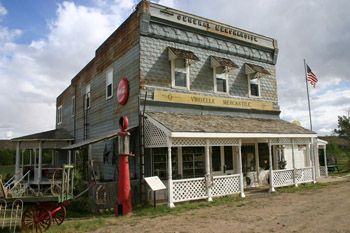
Imagine driving through miles of undulating golden prairie hills and coming across a revived homestead-era ghost town. Located in the Upper Missouri River Valley, the Virgelle Mercantile is unique. Not only is the majestic old mercantile building the headquarters for the Missouri River Canoe Company—outfitters who will kit you up for a float down the river—it’s also a B&B and a homestead-era antique store. Most intriguing of all are the seven original homesteading cabins out back, all moved here from a 40-mile radius. These cabins aren’t just for show—you can sleep in them. After a home-cooked dinner and lively discussion in the dining room with fellow guests, you can walk right outside into a 19th century starry night and sleep in a real homesteader’s cabin.
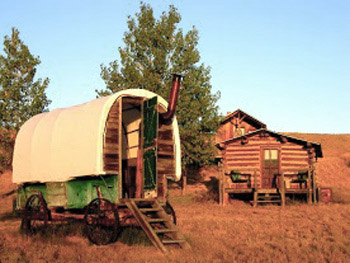 I went one step further. I chose the sheep wagon. How could I resist? It looked like one of the coolest places I would ever sleep. And it was. All night I heard coyotes howling in the distance as the light of the half moon glimmered through my canvas-topped covered wagon. I felt like Laura Ingalls.
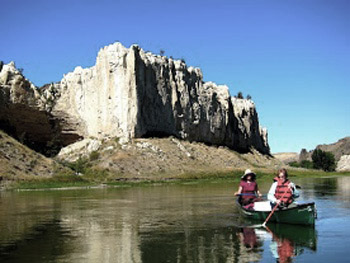
The next morning the theme of authenticity continued floating down the river through the Upper Missouri River Breaks National Monument, which covers 375,000 acres of public land. As eagles soared above, I felt as if I we were paddling back through time, immersed in a remote and stark landscape of rolling yellow grasslands, piercing blue sky, and swaying cottonwoods along the riverbank, eventually taken over by white cliffs and immense sculpted hoodoos.
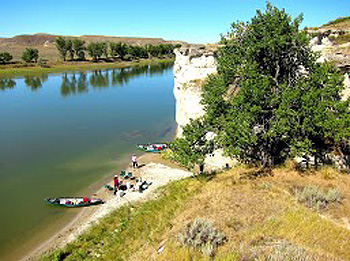 From our canoes, we didn’t see another soul on the river or bank, not a house, not even a broken-down homesteader’s shack. In fact, the Missouri Breaks landscape today, thanks to stewardship and land management, looks pretty much the way it would have looked to Lewis and Clark, even more so now than in the brief late-19th century steamboat days when trees were felled to fuel the boats. “The only difference now,” said Nottingham, “are the occasional Russian olive trees along the banks, which are invasive.” There’s also the odd cow which comes down from one of the ranches for a drink. Back then, of course, it would have been buffalo.
I can almost imagine the buffalo here, vast phantom herds of them. During the time of the Lewis and Clark expedition and for several centuries before, this river, the rugged surrounding uplands, and land stretching as far north as Edmonton, was home to the Blackfoot Indians, whose survival depended on the buffalo. By the mid-1800s, 50 years after Lewis and Clark’s expedition, they would be a decimated people, their prized buffalo hunted by the new settlers to near-extinction.


If You Go:
♦ The Virgelle Mercantile is located 8 miles south of US-87, about 66 miles northeast of Great Falls, Montana. For more info, see the Virgelle Montana information website.
♦ The Upper Missouri River Breaks National Monument has, in addition to a 149-mile stretch of scenic river, excellent hiking, boating, fishing and birding.
About the author:
Lauded by Time magazine as “one of the new generation of intrepid female travel writers,” Laurie Gough is author of Kiss The Sunset Pig: A Canadian’s American Road Trip With Exotic Detours
All photos are by Laurie Gough.
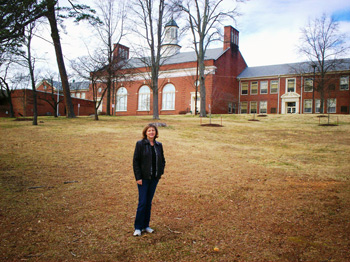 I did not attend Fountain City’s funeral, but a friend told me about it later and said it was quite an event that ended with the playing of “Taps.” Actually, as a teenager, I didn’t notice much difference after we were annexed, except that we got street lights on our street, which was a positive effect to me. I lived in Fountain City from the time I was nine until I got married and left, so I consider it my hometown. This trip was a sentimental journey for me.
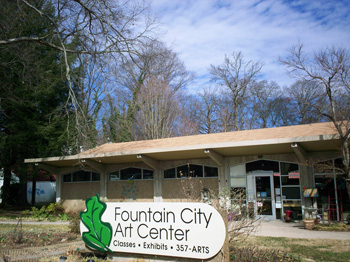
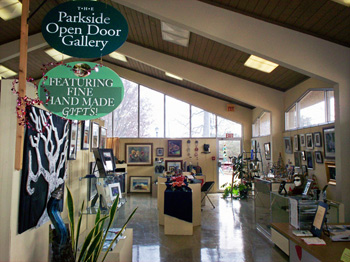 I remembered when I lived there that the building was home to the Fountain City Library. The Center was in-between main exhibits when we were there, but two new exhibits are now on display. The Knoxville Book Arts Guild and the Southern Appalachian Photography Society will be on view until April 8. Student exhibits from different area schools are also exhibited in the Center. There were some excellent works from middle school students on display when we were there.
 The eight-acre park now has lots of colorful playground equipment in addition to the swings and slides that were there when I was a youngster. Unlike some playgrounds, it seems to get a lot of use during good weather. The park is also now circled by a paved walking path, with freestanding “porch swings” scattered along the trail where you can sit and rest and watch the people and look at the old trees and the natural spring which flows through the park into First Creek. Fountain City Park is not owned by the City of Knoxville, but is owned, operated and maintained by the Fountain City Lion’s Club. The Lion’s Club Building is in the park and can be rented for meetings. My late father was a member of the club and we held his eightieth birthday party there.

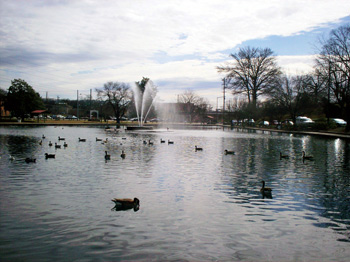 Before going to Litton’s, we walked around the block of Hotel Avenue and crossed the street to Fountain City Lake, also known as the duck pond. The lake was constructed around 1890. Designed by civil engineer F.G. Phillips, the heart-shaped body of water features a large fountain in the center gushing water skyward. We walked all around the lake, being careful to watch where we stepped. There were families there feeding the ducks, young couples and older couples strolling around, and even a couple of men fishing, and lots and lots of ducks.
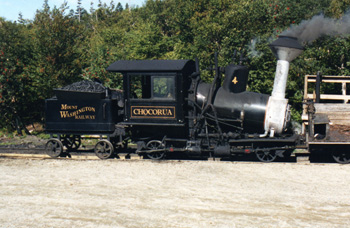
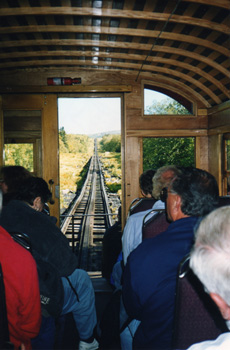 Crowding into our seats, old wooden benches polished and stained as if new, we wait for the jolt of the engine rejoining us. There are no CDs or TV screens to entertain us on the long haul but we have our tour group leader, brakeman and jack-of-all-trades, John, to keep us informed over the course of the 2.5 hour round trip.
 Up from the full forests of the valley through increasingly stunted and twisted growth and into the struggling bushes of the broad mountain slope we rise. The engine chugs behind us eating coal and spitting black smoke in a long trail; straining to reach the next water stop. That pause gives us a chance to regard an old shed clinging to the mountain at a severe angle or so it seems. In fact the shed is perfectly horizontal, it is us who are off kilter.
 The summit rises temptingly before us but again we pause, this time for another engine easing its coach back down to the distant valley. As seems so natural its passengers wave to us and us to them, a shared commonality in the experience. Trust in the engine is tested as we back off our siding to resume the climb. The comforting forward pitch sets us back on course.

 This summit is visited by a quarter million people a year and is seen by many in regular New England weather reports. Here winds have reached 231 miles an hour and the temperature dropped to -47 minus the wind factor. This September day was good with winds at 37 mph, gusting to 75. In winter it is a frost covered fairy land.

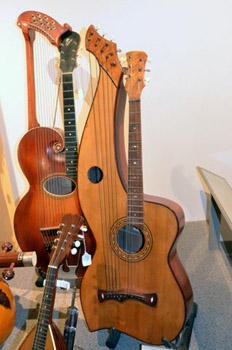 So, when I found out that the Museum of Making Music was about a stone’s throw from Legoland California Resort & Sea Life Aquarium in Carlsbad, I decided to make some time and check out the story on making music. A hidden jewel, it’s a treasure trove of a century of musical instruments and innovations that shaped American popular music.

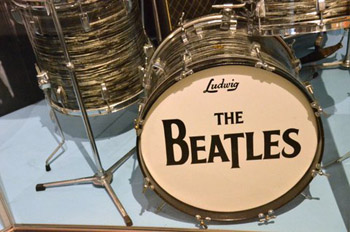 Along the way, I learned about someone I had never heard of as revolutionizing studio drumming. In the 1960’s, Hal Blaine developed a signature drum beat that made him quite popular with producers and songwriters. To keep up with the demand, he used a cartage company to transport his customized drums and hardware to meet the demands of live and studio performances. Songs like Elvis Presley’s “Return to Sender” and Frank Sinatra’s “Strangers in the Night” were recorded on the Hal Blaine Custom Drum Kit.
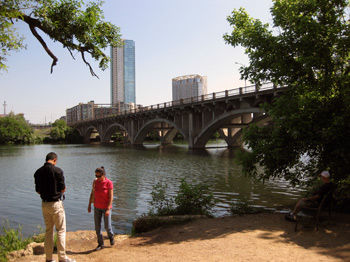
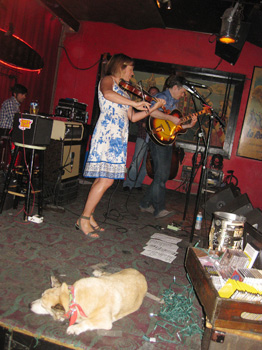 The 1970s brought about the Austin music scene as it is now. Recording artist Willie Nelson was prominent among the artists that helped bring it to life. PBS’s Austin City Limits show is the longest running live performance TV show in US history, and it produces a massive music festival there each September.
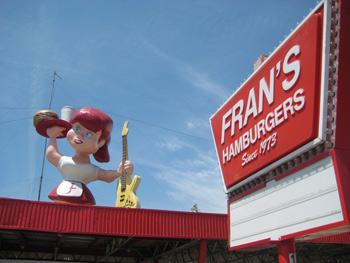 Just a short walk from downtown over the Colorado River, the South Congress area is one of the most interesting in Austin. And with all the city has to offer, that’s saying something! We found ourselves returning there over and over to browse. Block after block is full of great vintage clothing stores, restaurants, and shops crammed full of folk art curios.
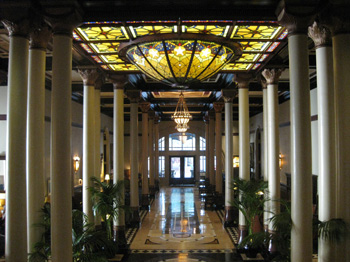 There’s a plethora of great stuff to see in the downtown core. Here are just five of our faves.
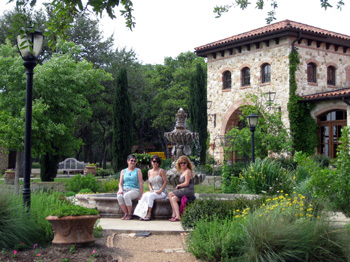 In 1960, the Colorado River, which runs through the centre of Austin, was dammed to create a huge reservoir originally called Town Lake, recently renamed Lady Bird Lake in honour of celebrated Austin patron Lady Bird Johnson. There is a well-appointed trail (approx. 16 km, or 10 miles long) all around the lake, complete with pedestrian-only bridges at either end. A walk around it is a great remedy for the excesses of the night before in the local watering holes. Try and get an early start to avoid the mid-day heat.

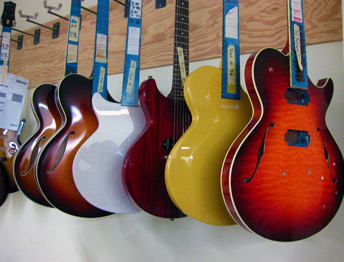 Just a forty minute drive west of downtown Austin is the world-famous Collings Guitar Factory. We were expecting something a bit short and superficial, but were pleasantly surprised to discover it was an extremely comprehensive look at every phase of instrument building. The 90 minute journey took us from a climate-controlled warehouse full of blocks of exotic wood to the final room where the guitars, mandolins and so on were shipped out. There is only one tour a week, so it’s best to book ahead by phone or email.