By Khusboo Mehta
Bali is one of the ultimate tourist destinations and the Bali tour packages help you to have an unforgettable, fun and smooth vacation. Bali has the most breathtaking scenery that must not be missed. Listed here are the top 10 luxurious resorts in Bali.
Villa Kayu Lama

Villa Kayu Lama is one of the wonderful resorts in Bali that can be experienced completely with the Bali tour packages. Located in the LodTunduh – Ubud, one of the city’s popular destinations, Villa Kayu Lama makes the entire experience for travellers much easier. The resort offers the ideal location for one to relax and retreat in a peaceful environment amongst the beautiful ambience of rice fields. The resort offers one bedroom private pool villa, two bedroom private pool villa, a deluxe room and a luxury one-bedroom villa. The villa provides car rentals and helps them with the arrangements for sightseeing for travellers.
W Bali

W Bali is yet another luxury staying destination in Bali located in Seminyak, this is a great choice for an opulent stay. The hotel offers luxury suites and villas with a tone that blends with the ambience presented outside. The villas here offer a stunning experience for the visitors with their magnificent and fabulous experiences. There are bedrooms, two bedrooms and three bedrooms pool villas available for the guests with the set-up specifically made for relaxation. The place also has swimming, spa and gym facilities for the guests. W Bali is one of the luxurious resorts in Bali that gives a memorable experience for all visitors.
Brachas Villas

Brachas Villas in Bali gives one the vibe of a blend of both traditional and modern aesthetics that visits with the guests the cosy experience that one needs. The villas also include a free private car park, swimming(both private and outdoor) and a spa available nearby for the guests. Three-bedroom villas, deluxe one-bedroom rooms, three-bedroom villas and pool one-bedroom villas are some of the accommodation options available for the guests. Free wifi and laundry facilities are also available here. Brachas Villas is one of the luxurious resorts in Bali that offers the guest the ultimate relaxing experience. This is a smoke-free villa, suitable for everyone.
Viceroy Bali

Located in the beautiful landscape of Ubud, Viceroy Bali is one of the breathtaking resorts available in Bali. This is a luxury private resort best suited for everyone who wants a secluded and private relaxing experience. Some of the luxury suits in Viceroy Bali include junior suite, pool suite, terrace pool villa, deluxe terrace villa, elephant villa, vice regal villa and viceroy villa. The resort offers all the modern amenities for the guests, offering lounge and dining areas, a heated pool, a terrace area and more. The guests are pampered and can enjoy the planned rest and relaxation time here to the fullest.
Tanah Gajah

Tanah Gajah is yet another breathtaking resort located in Ubud, Bali. The ambience of the resort exudes paradise and it is the perfect spot that everyone is looking for. The villas include one bedroom club suite, one bedroom club pool villa, two bedroom club family pool villa, The Hadiprana Estate and more. They also offer the best spa options available here. Once you are a guest at Tanah Gajah, everything from picking you up from the airport to the services provided in the restaurants, including breakfast, morning yoga, afternoon tea and every other aspect of your stay will be taken care of for your convenience.
InterContinental Bali Resort

The InterContinental Bali Resort is an alluring luxury stopping, located in Kabupaten Badung. This is the ultimate destination for travellers to enjoy luxury at its best. One can get a wonderful treatment from the resort that makes one not leave the resort. With the calming and peaceful vibes surrounding, it makes the perfect place to retreat and recharge. Spa facilities are also available here. The guests are given several options for accommodation which include premium deluxe suits, club room, club duplex suite, sanctuary suite and much more. The place makes one forget the commotions of the real world and makes one experience calmness and enjoy relaxation to its fullest.
Raffles Bali

Raffles Bali is one of the romantic resorts in Bali that makes one fall in love with it instantly. Located in Kabupaten Badung, this resort is located in a stunning location, setting up the vibe for the resort. The resort also offers free wifi, free parking, an outdoor pool, laundry facilities and many more amazing amenities. There are private villas available for the guests that contain perfect architecture, oceanic views and the best natural backdrop. One can also have their garden here. Raffles Bali is one of the most luxurious resorts in Bali, with an unmatchable ocean view.
Jumeirah Bali

Jumeirah Bali is an addition to the marvellous resorts available in Bali. Jumeirah Bali is located in South Kuta, Badung Regency and this resort give one the vibes of being in an actual paradise. The resort is a perfect choice for anyone travelling with their kids. Peafowl Pavilion Kids Club is available here for the kids. The Garden is another significant aspect of this resort. This is a great luxury resort with facilities including a restaurant, outdoor swimming pool, free parking, fitness centre and more. For the relaxation part, Jumeriah Bali offers the best beach boot camp, sunrise experience, waterfall massage, sunset meditation and more.
Capella Ubud

Capella Ubud is one of the unique resorts in Kabupaten Gianyar, Bali, that is located among the luscious forests. This wonderful resort in Bali, lets one experience unfiltered nature, all the while having a world-class luxury treatment in the resort. The place offers the perfect balance between adventure and tranquillity. The accommodation here is done through the redefined camp tents, blended with nature. The accommodation includes twenty-two one-bedroom tents and one two-bedroom lodge. The rooms are all available with private pools. Staying in Capella Ubud is a complete experience for anyone, who wants to have a beautiful, nature-oriented time in Bali.
Aman Villas

Aman Villas is one of the beautiful resorts at Nusa Dua. This resort is a perfect definition of a luxury resort. The resort has private villas mainly to accommodate all the guests and to have quality time. One can feel at home in this resort. The resort offers free wifi, free breakfast, free parking, an outdoor pool, dry cleaning, laundry facilities and much more. This resort is also pet-friendly. The place has a stunning architectural design with private pools, outdoor dining and living areas, a spa and entertainment venues available for the guests. With the picturesque location, one will have a memorable experience staying in this resort.
Bali is undoubtedly one of the most ethereal locations one can find. This is the perfect place for one to retreat and relax, making it a significant vacation spot to travel to. And the resorts in Bali only elevate the experience to yet another level.
Browse Bali Tours Now Available
About the author:
Khusboo Mehta is a professional in the travel field who finds home in the world of words. A writer by the day and reader by the night, she is on a mission to influence readers into taking up solo-travelling as a way of finding oneself and experiencing true joy of travel.

 It is on the rim of the extinct Rano Kau volcano at Orongo, that a cult known as tangata manu, or “Birdman,” rose to the challenge of the perceived failure of the ancestor’s link with the paramount god in the “otherworld”. The Birdman cult coexisted with the Moai cult on their respective sanctuaries, Rano Raraku and Rano Kau, from early-fifteenth century. At that time, the two cults were reciprocal rather than antagonistic for, even though the Rapanui stopped building statues toward the end of the 1600s, they continued worshipping their ancestors. The rise of the Birdman cult is associated with matato’a leaders, also called tangata rima toto or “men with bloody hands,” who had superseded the socio-political and spiritual dominance of the long-standing Ariki led clans. The cult’s aggressive effort aimed to remove the intercession of the ancestors with Make’make in the belief structure and replace it with a direct appeal to the paramount god.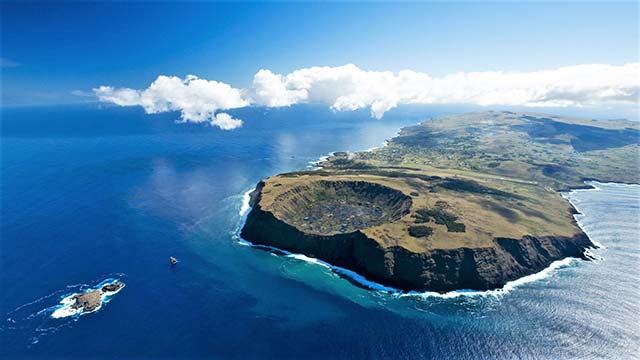


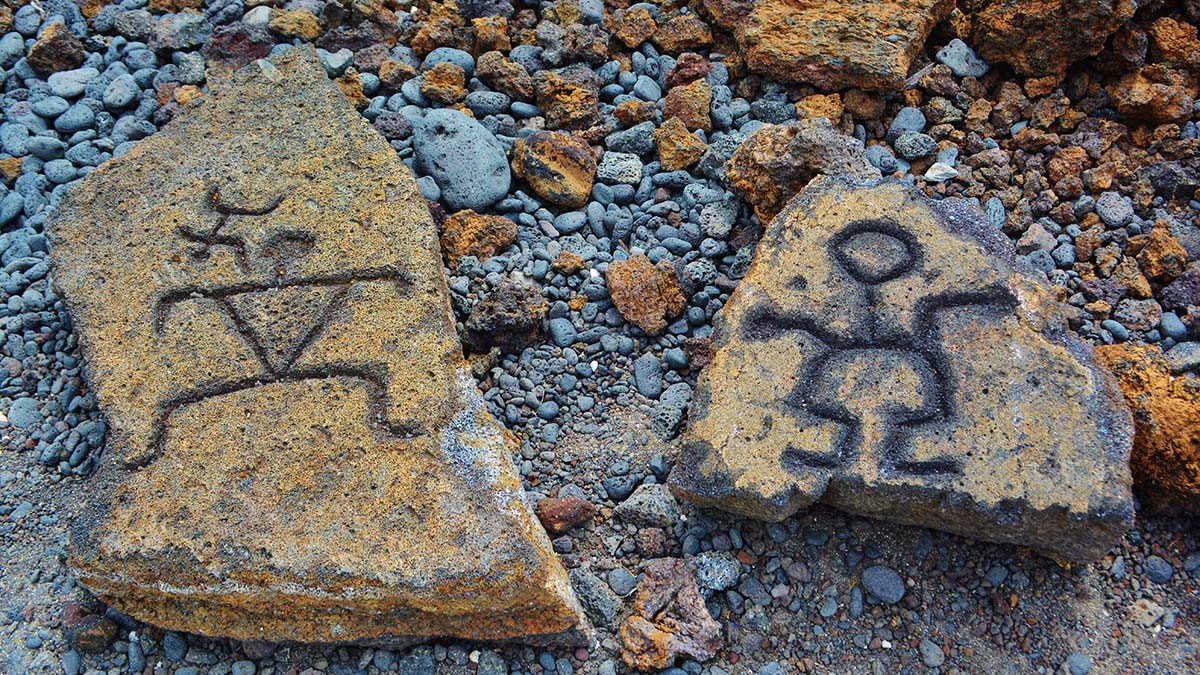


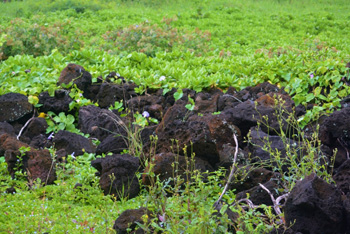
 Petroglyphs were often left made as a recording of the ancient Hawaiian’s visit and a wide variation of these carvings were found intact within these craggy lava fields. Shallow caves thought to have been made as weather retreats are also found here. And this area, just a short distance from an upscale shopping center is the most accessible petroglyph field on the island.


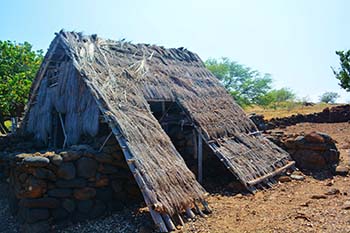

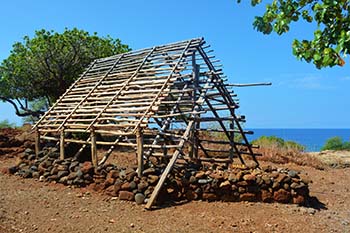


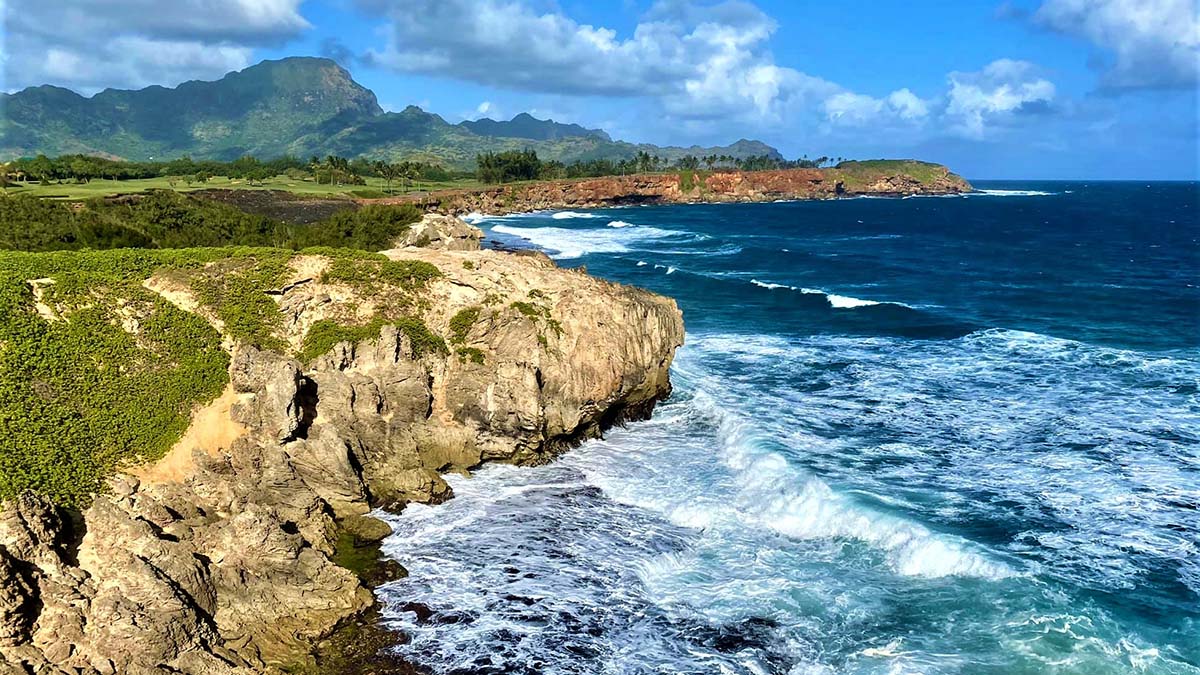
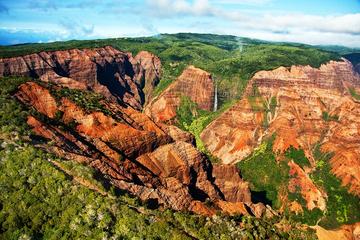
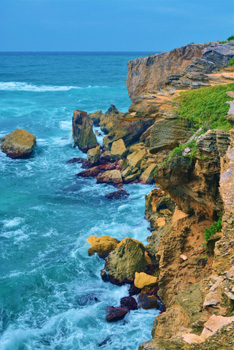 Our hearts were set on introducing our fellow travelers to the spectacular Na Pali Coast, globally renowned for its rugged, breathtaking grandeur, secluded beaches, rainbow waterfalls and, yes, challenging, daunting hikes. Three days of heavy rains and flooding foiled our plans. Steep treacherous cliffs and slick trails make for heart failing excitement, but, not the kind of excitement we were looking for. Even under the best conditions the Na Pali Coast can be dangerous with its washed out trails and narrow, stony paths clinging precariously to the edge of cliffs. With more rain expected in the forecast, we reluctantly took the locals advice and headed south to the sunny shores of Poipu. It is here on the south side of Kauai that we found unexpected treasure.
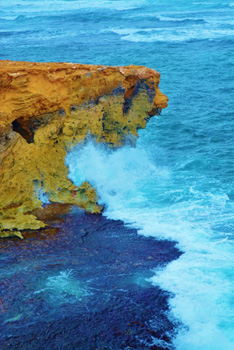 After climbing a gentle upgrade, we emerged into a completely different world. Greeted by azure skies and miles of crystal deep blue sea, the stunningly rugged coastline stood before us. Commanding views of the churning Pacific waters were visible from vantage points overlooking the edge of sun bleached cliffs. Magnificent coves in the distance appeared like a perfect painting. Blowholes shooting occasional sprays of salty ocean water along the path demonstrated the immense power of the ocean at high tide. Binoculars in hand, we ventured closer to the water, our excitement piquing with the unexpected sight of massive humpback whales breaching in the distance.
 The Makawehi Lithified Cliffs loomed ahead, appearing like an alien landscape. These cliffs were formed from sand dunes weathered by wind and surf over thousands of years. Crashing wave action carved sharp ridges and deep pockets in the cliff side. Lithification occurred when sediments compacted, then filled pores with ground water containing high levels of minerals. Fascinating scientific explanation that translates to- spectacular views.
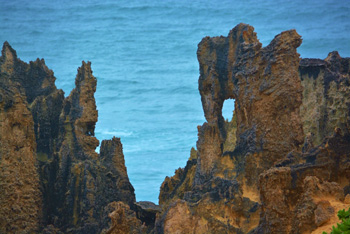 Each bend in the path yielded more surprise- the element of any good journey. Crystal clear tide pools teemed with tiny fish and miniature crabs all scurrying to find safety as each wave brought more water surging into the pool. Treasure troves of fossils and petroglyphs carved into the rocks line the coastal pathways. Skeletal remains of extinct birds that once lived on Kauai before Polynesian voyagers first arrived over 1500 years ago have been discovered by paleontologists.
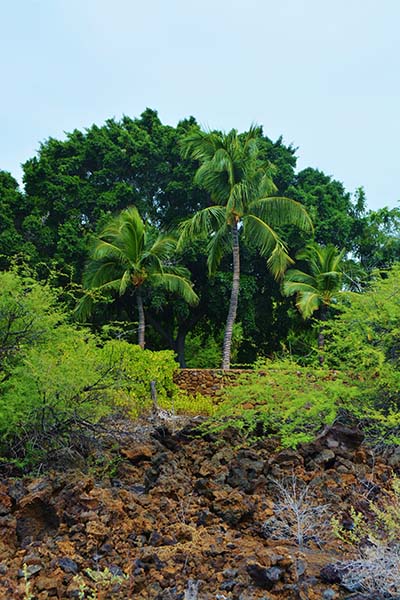
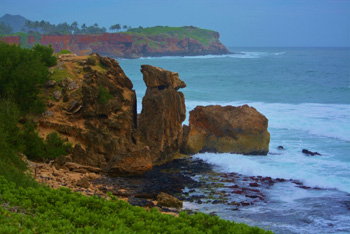 On our return trip, we followed the inside trail away from of the direct sun and into the welcoming shade of the palm and coconut forest. Since the paths split and merged repeatedly, we were able to easily navigate a completely different route back. Much to our surprise, we unexpectedly stumbled across a sacred ancient Hawaiian burial site. The stillness was interrupted by a gentle breeze stirring through the treetops, reminding us that for the ancient gods, their mana still lives here. Eyes closed, we sensed the spirit of the ancient Hawaiians and heard their whispers urging us to respect this sacred ground.
 Arriving back to Shipwrecks Beach at the end of our trek, we were certain we could undertake this adventure multiple times and it would never be the same. Though not an exceptionally challenging hike, we instead experienced a relaxing trek with breathtaking views and fascinating discoveries perfect for a casual or family hike. Oh, and about that initial disappointment in forgoing the Na Pali trail, nature’s artistry took care of that.


 All photos by Noreen Kompanik: