Top Historical Places And Monuments You Can Visit
by William Taylor
If you are passionate about history and about learning more about other countries’ heritage, your visit to Cape Town will offer you a lot of opportunities to explore the vibrant past of the city. You can either go on an organized tour or create your own itinerary to visit some of the exquisite historical buildings and museums of Cape Town.
The city itself is an open museum, with national parks, mountain tops and scenery that will you breathless. Table Mountain in particular, is Cape Town’s “watcher”. The view of the bustling metropolis is outstanding from the top. As for historical places, avid travelers might want to cross off the following from the list:
1. South African Museum
A good place to start is the South African Museum, which focuses on the anthropological, geological and marine life of the continent. Their collection includes thousands of objects, some of them dating 120.000 years back. You will be able to admire fascinating rock art and stone tools, traditional costumes from centuries ago and objects from the everyday life of the people living here thousands of years ago. The museum also holds animal specimens, like 700-million years insect fossils, whale skeletons and depictions of dinosaurs that once inhabited the South African plains.


2. Bo Kaap
You will be mesmerized at the sight of this neighborhood in Cape Town, as all the houses are brightly colored in contrasting shades of yellow, fuchsia, green, blue and many more, making this area a breathtaking sight and wonderful destination. The romantic cobbled stone streets date back to the 18thcentury, making Bo Kaap one of the oldest residential areas in the South African city. The residents of Bo Kaap are the descendants of slaves that were brought here by the Dutch; after their emancipation in 1795, they formed this community and settled in this incredible place of amazing historical meaning.
3. Castle of Good Hope
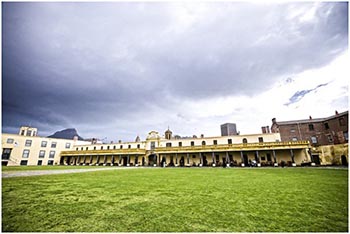 Not only a destination for the history buffs, Castle of Good Hope is a top historical site to explore when visiting Cape Town. This is the oldest surviving building in South Africa and after its restoration in the ‘80s it is considered one of the best preserved examples of DEIC (Dutch East India Company) architecture in the world. Not only the Castle of Good Hope provides an insight on the country’s colonial past, it also hosts numerous art and photography exhibitions for the tourists and locals, being an active cultural site.
4. District Six Museum
District Six is a former residential area of Cape Town that used to be a lively community of former slaves of all ethnicities and races. In 1966, during the apartheid era, the district was declared a whites-only area and more than 60,000 of its inhabitants were forcibly removed, on the counts that it is a crime ridden district that has no chance of improvement. In 1994 the District Six museum came into being, as a reminder of the lively community that once thrived here. The museum has a map of the district depicted on its floor and several formal residents had written notes on the places where they used to live. It’s an emotional experience and it will teach you more the struggling past of this wonderful country.

 5. Houses of Parliament

 5. Houses of Parliament
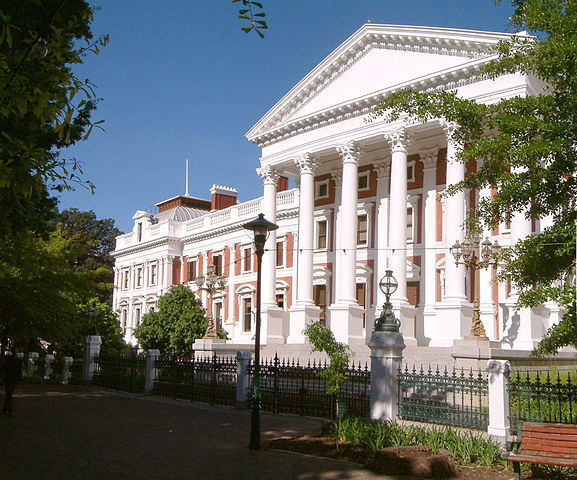
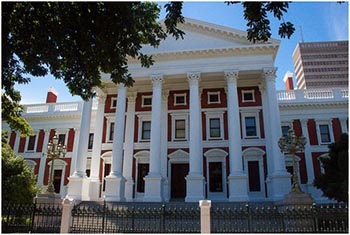 This impressive historic building has been the seat of the National Parliament since 1910 and it opens its gates for tourists each year when the Parliament is in session (first part of the year). Be sure to book a visit in advance if you’re traveling from another country and get informed about any closed doors events. You can admire over 4,000 artworks collected by the gallery of the House of Parliament and enjoy a walk around the premises. The guided tours are free of charge and you can also book tours for groups of up to 25 people.
If You Go:
Cape Town is outstanding from all points of view. There are lots of other monuments, museums and places of interest travelers can visit. Most of them reveal valuable information about South Africa’s culture, customs and traditions. Make sure to check out the ones above, and you’ll learn to value the places and the people of the city even more.
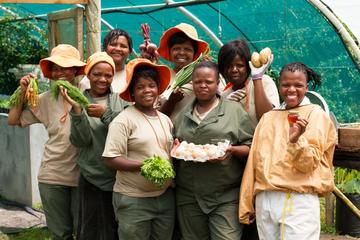
Cape Town City Tour: Culture and Community Projects
About the author:
William Taylor is a traveling freak who has traveled many destinations around the world. He also loves writing about his traveling experiences and the places he has explored.
All photos by William Taylor
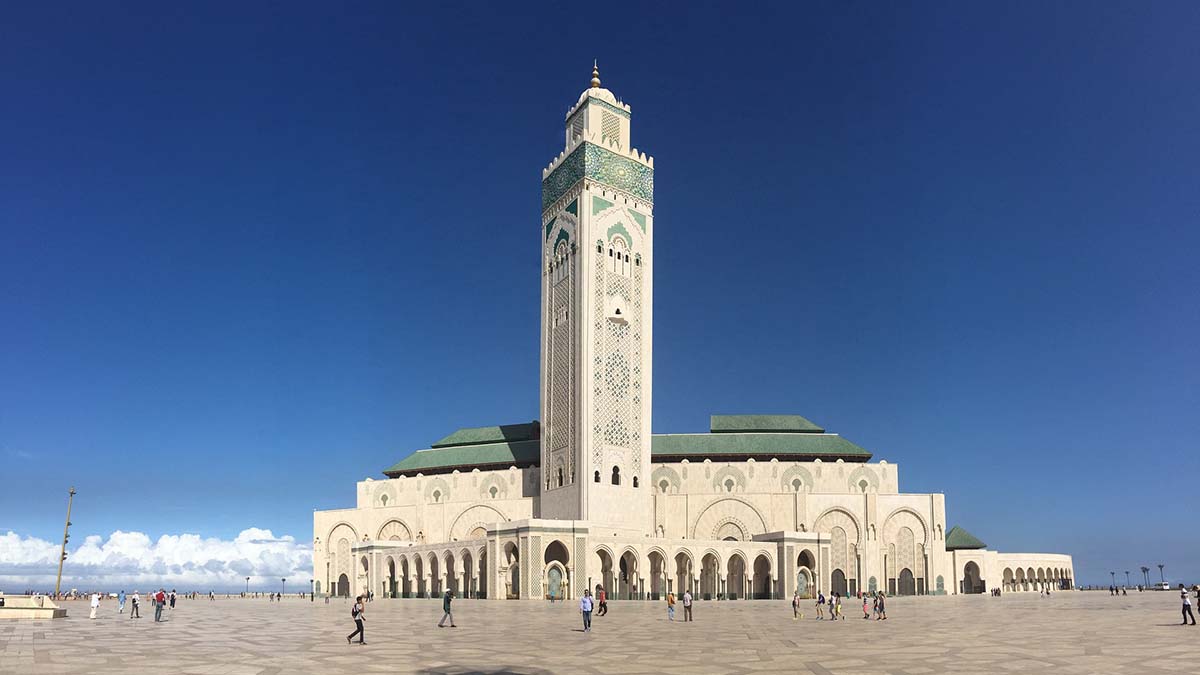
 We were staying in a riad, and this one turned out to be a destination in itself. A “riad” is a traditional Moroccan house, located within the ancient medina and designed around a central courtyard, pool or fountain, and garden. The owners had purchased several adjoining houses and combined them so that there are two courtyards and 26 guest rooms, several sitting rooms, two restaurants, a jazz bar, and a spa. The hotelier gave us a tour and showed us to a lovely room which faced the pool and inner courtyard. As I stood on the balcony, I looked out over rooftops of the old city and a minaret a short distance away. Down below was a pool, trees, potted plants, tables covered with white tablecloths, pierced pendant lanterns, and lovely tile work. Each morning at dawn, we were awakened to the “call to prayer” from the mosque. A traditional afternoon tea is offered in the courtyard each day, and we enjoyed typically Moroccan mint tea served with an assortment of tiny cookies. It felt like something out of “Arabian Nights”.
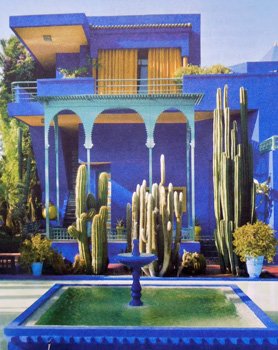 Within walking distance of the riad is the Majorelle Garden, a botanical and landscape garden that was created in the 1920’s by French painter Jacques Majorelle. It is a fantastical delight and beautiful to behold. Special shades of bold cobalt blue are used in the gardens and on the buildings, walkways and pergolas, and are a stunning accent to the greens of the cacti, palm trees, bamboo, bougainvilleas, and ferns. Neglected after the painter’s death in 1962, the property was later restored by fashion designer Yves Saint-Laurent who bought the garden and used it as his residence. After he died in 2008, his ashes were scattered in the garden and a memorial was built in his honor.
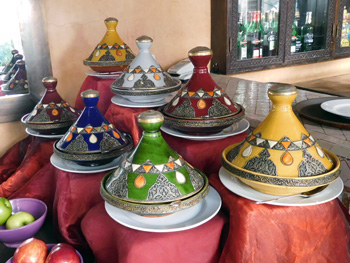
 The “souk” is the commercial quarter of the medina and we went there to experience the activity and to bargain for some souvenirs. Colorful stalls line the alleyways, selling everything from carpets to clothing, scarves, jewelry, leather products, olives and housewares. We were on a quest to find a decorative tagine like the ones used on our riad’s breakfast buffet for fruits, nuts and pastries. Mohammed patiently took us from stall to stall until my sister finally found one to bring back home with her. There are no set prices in the souk so she had to use her bargaining skills. It can get rather tense as the seller dramatically tells the buyer that she is “killing” him with the low price she is offering. But in the end, she prevailed and took home a beautiful tagine to use for entertaining in the Moroccan style.
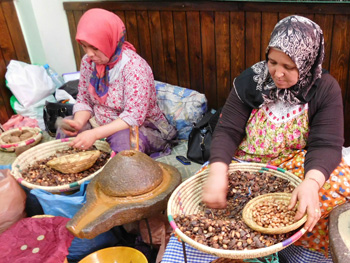
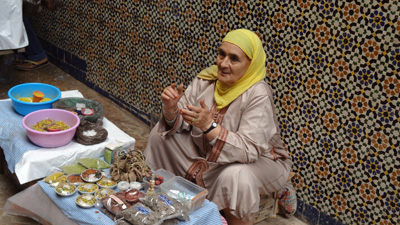
 There also was an interesting specialty shop in the souk where three Berber women were laboriously extracting oil from the nuts of the argan tree to make food products and cosmetics. Argan trees are endemic to Morocco and the oil that is extracted is very precious and has many health benefits. A salesman let us sample some of their special products, and we filled our baskets with gifts for people back home. There was no bargaining here because supposedly this is the only place where the skin products are pure and the oils used for cooking are not diluted.
 The Koutoubia Mosque with its 254 foot high minaret is a landmark and symbol of the city. We were just outside the mosque when the “call to prayer” came from the loudspeakers above. Not far away is the Bahia Palace, a masterpiece of Moroccan architecture with its brilliant mosaics, carved woodwork and gorgeous marbles. Like most Arab palaces, it contains charming and tranquil gardens, beautiful patios and rooms richly decorated with tiles. And we visited the tombs of the Saâdi rulers which date back to the 16th century but were only discovered and restored around 1917. These tombs shelter the bodies of about 60 Saadian sultans and their families and are an outstanding example of Moorish tilework and art.
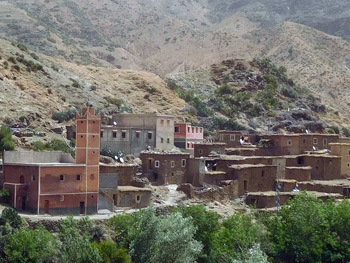
 Leaving Marrakech two days later, we transferred to a four-wheel drive vehicle for our trip over the High Atlas Mountains via the Tizin Tichka Pass. Our destination was Ouarzazate, five hours away. Mohammed expertly navigated the vehicle around hairpin turns and over narrow roads that came within inches of steep drop-offs into canyons below. Besides the scenery, the sights we saw along the way are memorable. Donkeys loaded with meat, produce and wheat were led by jellabiya-clad men to village markets high in these mountains. We passed caves used by the Bedouins, nomadic tribes who live mainly in the desert but use the caves when crossing the mountains on their camels. We caught a glimpse of a road worker pausing for prayer on an outcrop of the mountain. And we saw stork nests, shepherds tending their flocks, and tiny villages made out of sandstone and hay that blend into the color of the hillsides on which they are built. No matter how small the village, there’s always a mosque with its minaret towering above everything.
 Ouarzazate, nicknamed “the door of the (Sahara) Desert”, was built as a garrison and administrative center by the French, but today it serves as the Hollywood of the Kingdom. This is where “Lawrence of Arabia”, “Jesus of Nazareth”, “Gladiator”, “Indiana Jones” and many other films were made. While it is in a lovely setting, the town itself is somewhat tacky. There are several movie studios that you can tour and new housing developments are springing up in the otherwise beautiful landscape.
 Leaving casbah Ait Benhaddou, we drove for miles through the foothills of the mountains and the rolling sand hills of the desert and started to wonder where we could possibly be staying for the night. Hopefully not in a Bedouin tent! But when we finally came upon our riad, we drove through a large sandstone arch and entered a typical Moroccan courtyard, set in an oasis with palm trees and beautiful plantings around a central pool and fountain. You’d never expect to find a place like this here in such a remote location. But it does make sense—a Frenchman opened it to cater to the movie industry.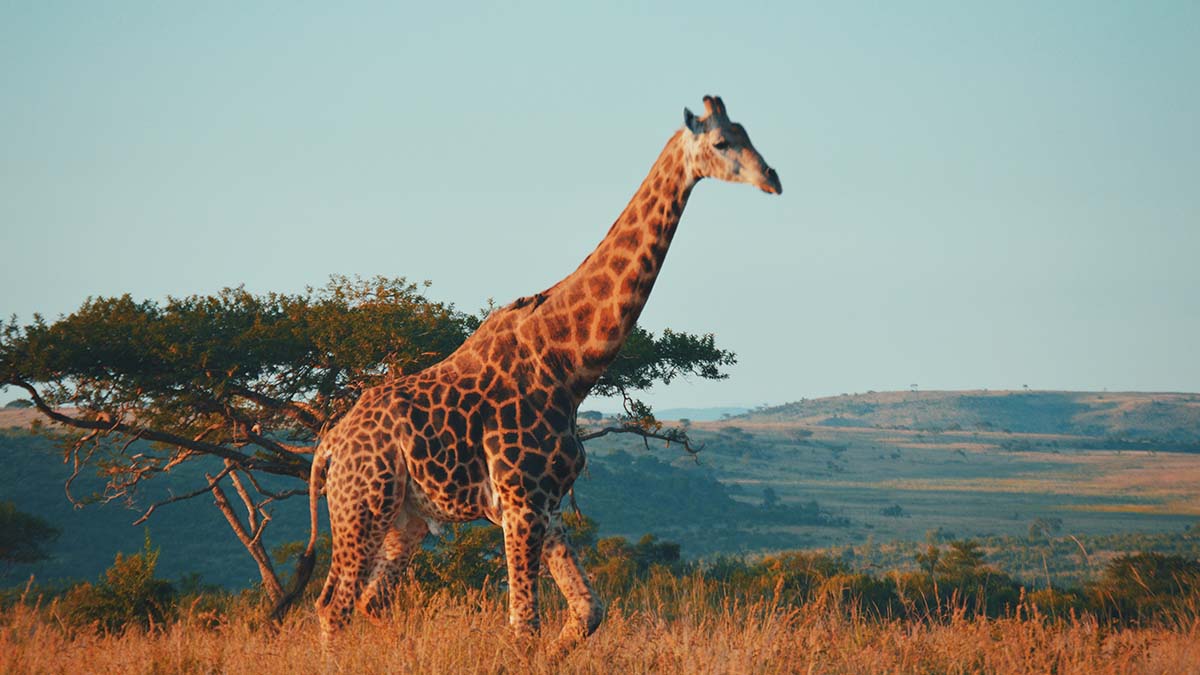
 As you fly into Johannesburg you would expect to see the wild game from the runway. Close to the tarmac is a beautiful view of elephant grass (tall grasses) and native trees that bring memories of photos depicting Africa or the Lion King. I travelled there in August which would be the southern hemisphere winter. Well, if that is winter, it sure does not resemble the Canadian winters. Each day, whether in Johannesburg, Pretoria, Durban, or Capetown all provided an average temperature between 26 to 29C each day and sunshine over my three week adventure. South Africa winter certainly is quite manageable.

 My first experience in SA was a 1.5 hr drive to Sun City. If you have watched the movie Blended you will have seen one of the hotels as the movie was filmed at Sun City Palace and the complex. There are four hotels on the premises ranging up to $8000 per night. Something for everyone, Players golf course, a children’s arcade, spa, casino, and high tea at 3 pm is highly recommended to see the Sun Palace hotel as that is the only access to this posh hotel.
 Food is also a bargain either at the grocery store or at the restaurants. Kentucky Fried Chicken appeared to be the most popular fast food to be found in SA with Macdonald’s a close second. KFC signage is atop the illuminated street names and almost on every street corner similar to Starbucks can be found in Canada. Both KFC and MacDonald’s offer free scooter delivery service for orders. Other restaurants offer bountiful breakfasts that can be found for around $3. Restaurants are also inexpensive offering lunch specials ranging from R57 ($5.70 CDN) which includes a salad and portions that are monstrous. Bottles of wine can start at R110 and up in a restaurant and beer at R25. Evening dinner options can be a full chicken and salad for R90. That would be a feast for a big appetite or a feast and a take home feast for the lighter appetites. Don’t worry if you don’t finish that bottle of wine. You can take it home. Most places appear to be children friendly with play areas and some even have child attendants. Some restaurants offer a complete experience for children to order their own pizza and help the chef make their pizza. Children put on their own toppings while the parents can enjoy a leisurely lunch or dinner.
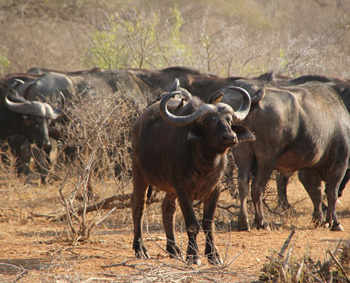 Driving is an experience. Although sidewalks are a rare finding, the large dirt sections next to the road offer opportunities for vendors to set up business and cars can pull off the road to shop; SA people are very enterprising. On most traffic lighted city street corners, men can be found wandering between the lanes selling most anything: Newspapers, toys, pens, crafts, computer gadgets, but I did not see a kitchen sink. Companies and businesses also hire people to advertise at the street light corners to hand out pamphlets. It is always recommended, no matter where you may be in the world, to travel and drive with your doors locked. As anywhere, there are places that you should not venture for safety reasons. Having said that, I did not experience any adverse experiences. In SA taxi services are communal for the locals. Specific hand gestures indicate where you want to travel as the taxi vans travel the streets. People are packed 4 across and 5 deep holding over 20 people per taxi van.
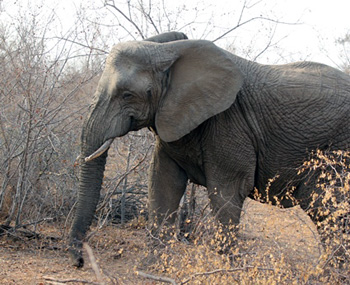
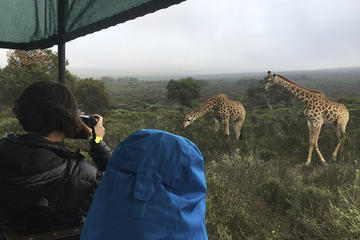
 A safari or multiple safaris are a must when traveling to SA. The “Big Five” are the dream citing for anyone visiting SA. The Big Five are the Rhinoceros, Buffalo, Lion, Elephant, and the Leopard that is interchanged with the Cheetah by some. I recommend going with experienced drivers or rangers. There are rules that must be followed for your safety. If you are out with a ranger and follow the rules you will have the most surreal experience of your life! To calm my nervousness, after all these are wild animals and no wild animal should be disrespected or challenged, I heeded the rules. The animals view the jeep as one unit and do not see the numerous people sitting in the open. Do not leave the jeep, no sudden movements, no loud noises, no leaning or extending outside the jeep. The rangers are well trained and know the area well and know the animals. The rhino, buffalo and elephant are not predators but herbivories but can get upset if you enter their space or separate their herd. Once winter sets in on the game reserves, there is no fresh food or greenery to feed the animals and the reserves feed the animals large bails of grasses to sustain them through the winter. At one reserve they were feeding the animals since April. One can only imagine how much an elephant or rhino can eat every day!
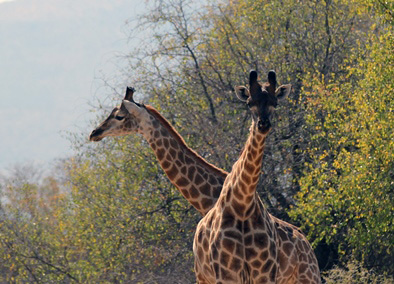
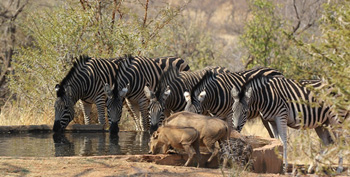
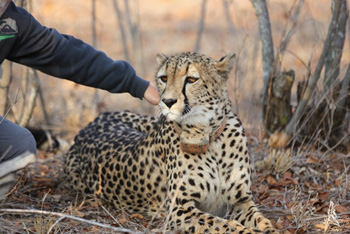 Mabalingwe was my first experience in a wild game reserve. This is under two hours from Pretoria. Your first view of a kudu, impala or warthog is exhilarating and you can’t get your camera poised fast enough. After a while the appetite for photographing new wild game gets more and more intriguing. The first 24 hours I had sited and photographed 14 different wild African animals in their natural environment. This included the ostrich, impala, kudu, baboon, warthog, bandit mongoose, giraffe, zebra, hippopotamus, crocodile, hyrax, duiker, hyala, and jackal. Patience is a virtue and wild animals do not pose or come out from behind the brushes. They do, however, need water and that is a good place to see many different animals. The best time of the day to find animals is the early morning and closer to the end of the day. Even in winter, midday is too warm for the animals and they siesta until closer to the end of day. Our morning safari were as early as 6 am and the sunset safari started at 3 pm as it becomes dark around 6 pm.
 I am returning to Canada with the most amazing memories, spectacular photographs to capture those memories and treasures to share of my experiences that will last me a lifetime. I had been warned and arrived with uncertainty about the safety of South Africa. My experiences can only say that there are unsettling and unsafe places in any town or city and travelers always need to exercise caution. My travels to SA has been an experience of a lifetime.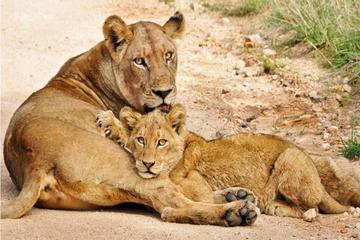
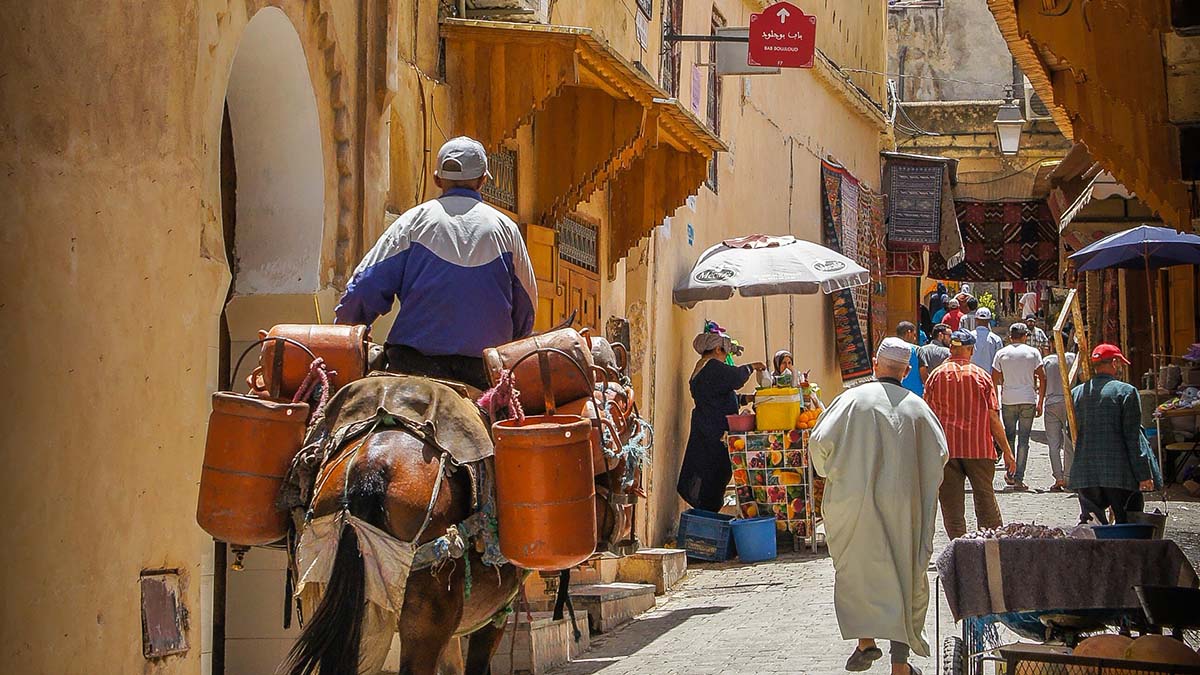
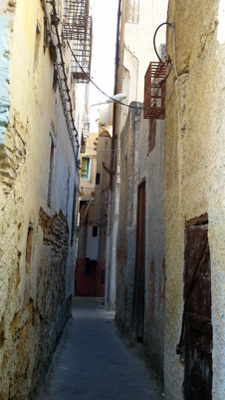 “Balak!”
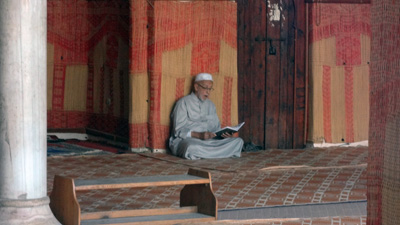
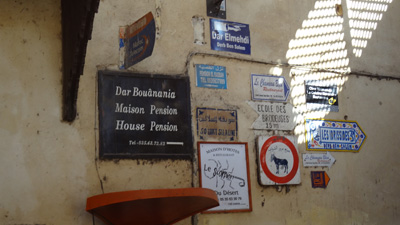 We amble down Talaa Kebira, one of the medina’s principal roadways, and soon come to Bou Inania Medersa. This is the most awe-inspiring Koranic school in Fes, and one of the few open to the public. Every room has lofty, sumptuously detailed ceilings with carved cedar beams and stunning onyx marble floors. The walls are covered with handcrafted tiles adorned with dazzling gold and turquoise geometric motifs. Intricate lime-coloured geometrical designs are also on display in the courtyard, where the 14th Century fountain still gushes today. In a corner an imam, a priest, kneels and chants verses from the Koran.

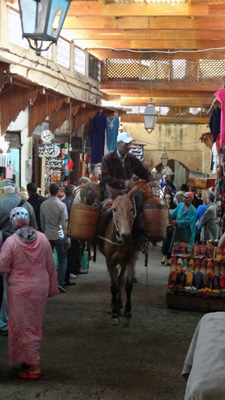 As we descend further into the bowels of the medina, our guide urges us to stay close together. She doesn’t have to tell me twice. I would love nothing better than to wander the zigzag of avenues on my own, but finding my way out would be nothing short of a miracle. I’m told that even the best maps are unreliable. The streets are swarming with humanity today; the thrum of voices is omnipresent. Since none of the roads are wide enough for cars to navigate, donkey carts and scooters are the accepted modes of transport, making this the world’s largest urban car-free zone.
 From the Souk Attarine our odyssey continues. Blind alleys that seem to lead nowhere open onto swarming fundouks with gurgling fountains. We pass countless vendors that hawk candles, wood carvings, jewelry, and fresh herbs from shops hardly bigger than a closet. A posse of young boys plays a boisterous game of soccer with two rocks serving as goalposts. The frenetic energy of it all is exhilarating.
 Like most mosques in Morocco, infidels are not permitted to enter, though no one seems to object as we peer into the courtyard from the street. The floor is covered in multi-hued diamond-shaped tiles, while a series of gigantic doorways lead to the main prayer area which is hidden from view. Two lanky bearded men wash their feet in a fountain before entering to pray.
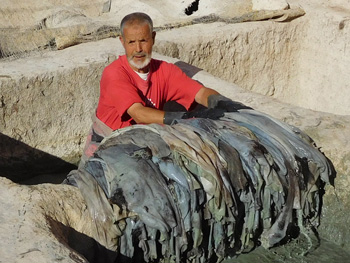
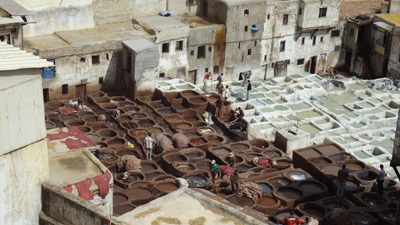 There is one last stop on our schedule, and we don’t need a map to find it. The rank stench of the open air leather tanneries serves as a guidepost to one of Fes’ most famous attractions. We’re led up a staircase to a leather shop that opens onto a terrace where we view the tanneries below.
 We’re seated on plush cushions around hand-carved wooden hexagon-shaped tables. The high ceiling is covered in gorgeous inlaid wood painted in shades of emerald, burgundy, and cobalt. It feels like we’re dining in someone’s home, and with good reason. A couple of years ago owners Fouad and Karima turned their sitting room and courtyard into a restaurant. They don’t have a liquor license, but they have no objections when we bring out cheap bottles of Moroccan wine that we bought at the supermarket.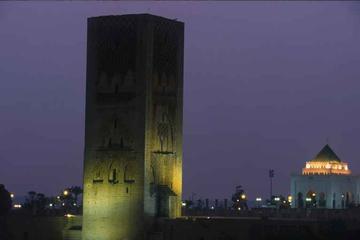

 About the author:


 Other sights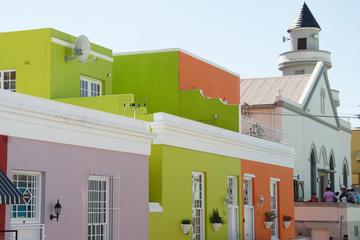



.jpg)
.jpg)