After The Darkness, Light in Switzerland
by Tom Koppel
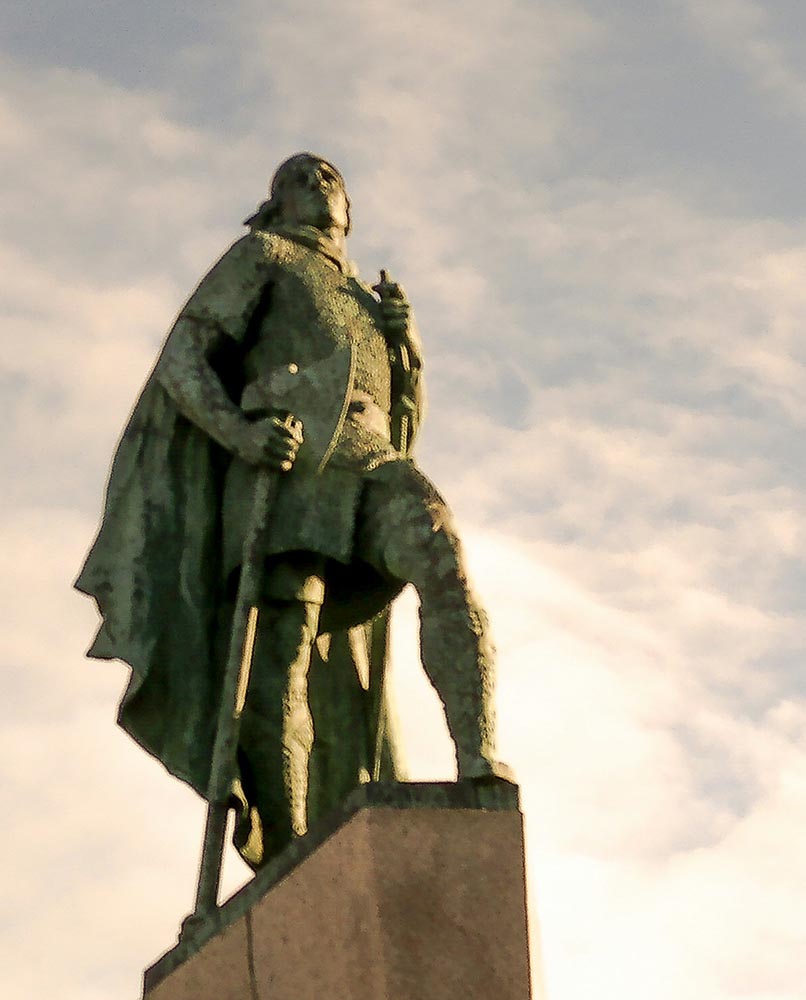
Imagine my surprise at coming upon — in a French-speaking European city — a huge statue honouring one of North America’s notable colonial-era leaders. None other than Roger Williams, the founding father of Rhode Island.
But this is Geneva, Switzerland, a uniquely international city. It is the birthplace and home of the Red Cross. The League of Nations had its headquarters here after the First World War, and countless UN agencies are still based in Geneva today. One plaza features paving stones that are illuminated at night with words of felicitation in seven languages.
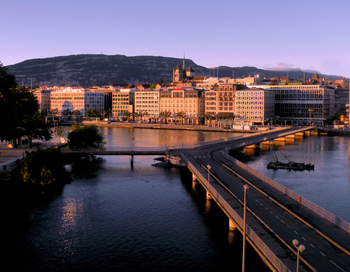
Ursula, our personal guide, meets my wife and me at our classic mid-nineteenth century hotel, which has a rich history all its own. She leads us across the Rhone River and along the shore of lovely Lake Geneva, with its flotilla of swans and iconic fountain, a water jet that shoots a powerful stream 460 feet into the air. We enter the quaint cobbled alleys and squares of the pedestrian-only Old Town. Geneva, she explains, had been a small but strategically situated municipality since Roman times, and has hosted a regional trade fair since 1000 A.D.
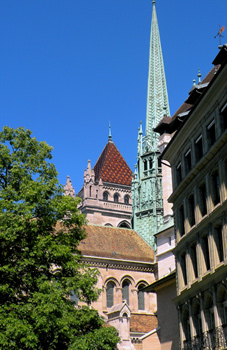 It became a key Protestant city-state during the Reformation in the mid-1500s, when French theologian John Calvin was the dominant figure. Geneva offered safe haven to Protestants persecuted in Catholic countries. French Huguenots, including prosperous professionals and craftsmen, poured in. Ursula points out medieval buildings with arched Gothic windows on the lower floors, but a simpler and contrasting style above. To make room for all the newcomers, Ursula tells us, extra stories were hastily added to many houses, hence the quirky architecture.
Geneva grew and flourished, becoming a centre of publishing, clock-making and gold-smithing. Refugee English Puritans translated and printed their distinctive Geneva Bible. It came to take precedence for them over the King James Version, and was carried to the New World on the Mayflower.
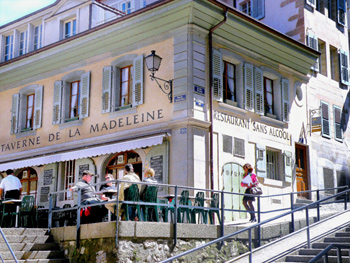
We stroll past the city hall, the opera house, museums, theatres and the Saint Pierre cathedral, with its impressive green spire. Over 850 years old, the cathedral has been Protestant since 1535, when the Bishop, loyal to Rome, fled and the Catholic altars, statues and paintings were destroyed. John Calvin delivered thousands of sermons there. Outside one restaurant, patrons quaff a popular local beer, named Calvinus. At the nearby tavern of the Women’s Temperance Society, only non-alcoholic drinks are served.


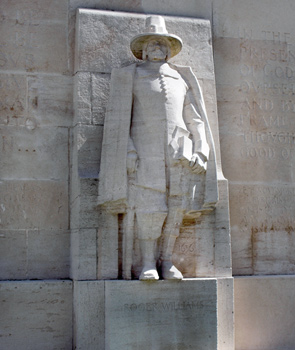 We come to a park on the grounds of the university fringed by a long, high rampart of stone. Formerly a section of the medieval city wall, this is now known as the Reformation Wall. Inaugurated in 1909 to commemorate the 400th anniversary of Calvin’s birth, it is the backdrop to ten giant statues of key Europeans from Reformation times, including Calvin himself. There is also the Scottish Presbyterian, John Knox, who sought refuge in Geneva when Mary Tudor (“Bloody Mary”) ascended the English throne and restored Roman Catholicism in Britain. Some of the figures, including Oliver Cromwell and Roger Williams, never set foot in Geneva itself. Born and raised in England, Williams studied theology, became a Puritan, and rejected the Church of England. He sailed to Boston a decade after the first Pilgrims arrived in Salem and shortly after the Massachussetts Bay colony was founded.
His convictions soon ran afoul of the Massachussetts authorities. Williams favoured the separation of church and state and opposed any establishment of religion. He argued that if political leaders dictated how Christianity was to be practised, it would inevitably corrupt the religious sphere. This was a very radical concept. Williams was also one of America’s earliest abolitionists, opposing the slave trade in any of the colonies. Banished from Massachussetts, Williams sought asylum among the neighbouring Narragansett Indians. He established Providence Plantation (situated in today’s city of Providence, Rhode Island), founded the first Baptist church in America, and defended Indian rights.
Williams’ enduring legacy was assured over a century later, when freedom of religion and the separation of church and state were enshrined in the First Amendment of the U.S. Bill of Rights.
 Ursula tells us how his ideas eventually had impact in the Old World as well, especially influencing the constitution of Geneva. During the era of Calvin, the city was entirely Protestant. No Catholic churches were allowed. But by 1847, times had changed. Geneva’s leading statesman, James Fazy, was drafting a new constitution. Years earlier, in Paris, Fazy had been friendly with the French General Lafayette, who had fought the British alongside George Washington and admired the American political system. Fazy incorporated many principles derived from the U.S. Constitution. Church and state were separated, and religious freedom guaranteed. Catholicism was again tolerated in Geneva. Protestantism lost its exclusive status.
Today, Geneva is known as Switzerland’s city of light. Engraved on the wall near the statue of Williams is the motto of the Reformation, Post Tenebras Lux: “After the darkness, light.” Given the links between Geneva and North America, I begin to see how the bright spirit of Roger Williams continues to shine across the centuries. And why he is revered in a city dedicated to international peace and goodwill.
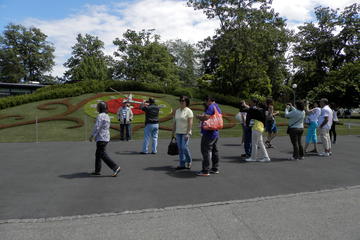
Walking Tour of Old Geneva and United Nations
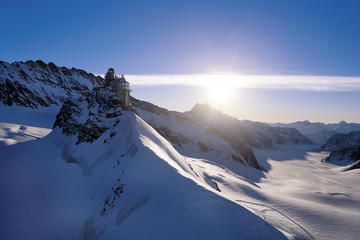
5-Day Best of Switzerland from Geneva
If You Go:
♦ We stayed at Geneva’s oldest hotel, the exquisite lakeside Four Seasons Hotel des Bergues, built in 1834. Along with refined elegance and impeccable service, it has a Michelin Star main dining room and an incomparable rooftop restaurant featuring Japanese-Peruvian fusion cuisine.
♦ For private English-language tours with a deeply knowledgeable and personable guide, contact Ursula Diem-Benninghoff at u.d-b@bluewin.ch (Tel/fax: 022 771 17 27, Mobile: 079 471 75 18)
♦ For further information on accommodation options, city attractions and tours, see Geneva Tourism

Tom Koppel is a veteran Canadian author, journalist and travel writer. His latest popular book on history, science and travel is Mystery Islands: Discovering the Ancient Pacific. Koppel provides a personal tour of that vast ocean and presents the latest findings in archaeology, genetics and carbon dating. For signed copies of Mystery Islands, just contact Tom: koppel@saltspring.com

All photos are by Annie Palovcik:
Geneva Old Town at dusk
Saint Pierre Cathedral
Roger Williams statue at Reformation Wall
Tavern run by the Women’s Temperance Society
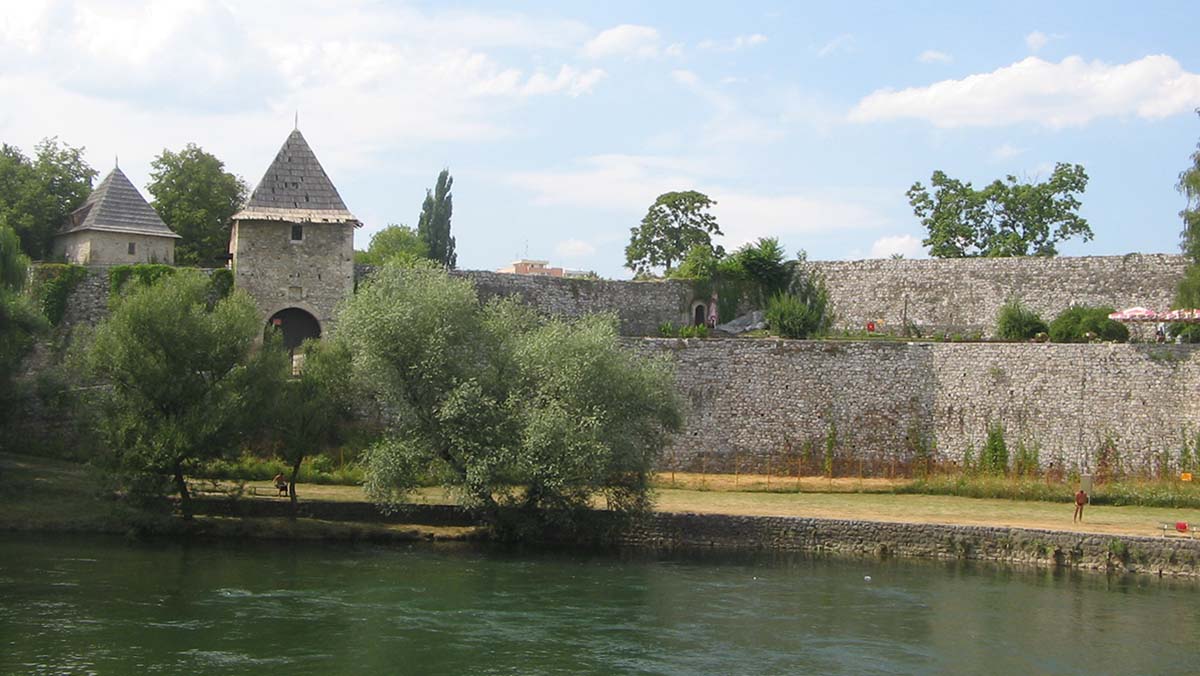
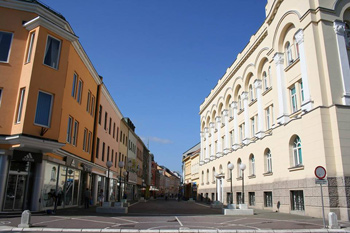 The town doesn’t have any notable architectural structure. The buildings are mostly in a style of socrelism, which are legacy of the communist architectonic style. There are some old buildings and homes in the centre of city from Austro-Hungarian (19th century) time or even earlier from Ottoman Empire period. The rest of the city looks like a small village with modest homes, often with huge gardens with vegetables, fruits and animals.

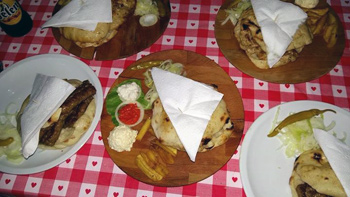 The food is a mix of Turkish with Serbian traditional food. The most popular meal is pork or lamb called cevapi. I had chance to visit all the ex-Yugoslavia countries and found that Bosnia is the cheapest. An order of five huge portions of cevapi and one medium portion of cevapi, lots of drinks (beers, coffees, waters, juices…) and the whole bill was less than 25€. Visit the restaurant Mujo’s. This restaurant has a long tradition since 1924 and the famous and traditional recipe of Banya Luka’s cevap began from this place. The owners suggest taking yogurt with cevaps, Order a salad and try kaymak (a type of salty cream cheese). After this huge portion of meat you will pass the dessert, but leave space for one Turkish coffee at the end. If you are vegetarian you may have a problem to find something to eat. Even at the bakery the products are mostly with meat, but you can find some nice pies with cheese. They have also very famous pie with meat called burek.
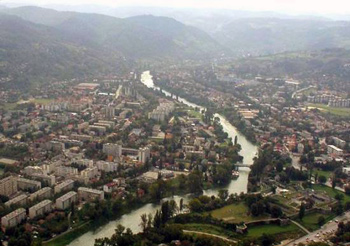 In the Bosnian region of the Republica Srpska, the food is very healthy. You can find organic food here because it is a culture of growing fruits and vegetables. Almost every family has some space out of town or on the edge of city for a garden.

 About the author:
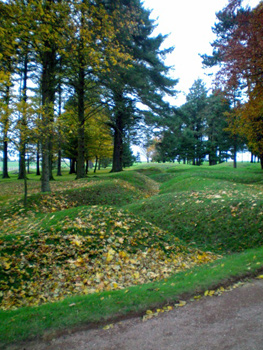 The landscape here is flat, and has been farmed – and fought over – for centuries. Tilled land spreads in all directions, dotted by the occasional stone farmhouse, a church spire, a copse of trees. Shrapnel from the war still surfaces each season as the fields are farmed. The heavy soil stuck to my shoes, and all too easily turns to mud. A confusion of back roads loop and intersect through small villages, where horse-drawn carts are still in use.
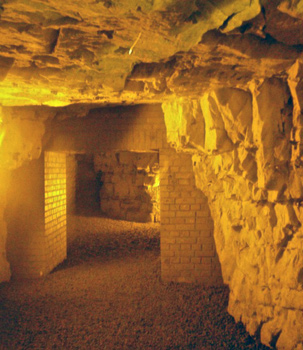 Beneath the Hôtel de Ville is an entrance to the Boves, or medieval tunnels. The origin of the name is uncertain; however, from the 10th century limestone was quarried here, until the practice was moved outside the city amidst fears the town would collapse. The tunnels run along five different levels, at times up to twenty meters deep. Most of the buildings on Le Place des Héros have their own entrance, now used mainly as cellars or for storage (and an exquisite restaurant, La Faisanderie, perfect after a day touring the battlefields).
 Although nearly a century has passed, pictures of kangaroos and slouched hats fill the town, and there is even a Restaurant le Kangarou. The main road is Rue de Melbourne, and the Australian flag flies atop the Australian National Memorial, which lists the 10,982 Australian soldiers with no known grave. ANZAC Day is celebrated here every year. The first floor of the school (a gift in the 1920’s from the school children of Victoria to the children of the town) houses the Franco-Australia Museum. Above every blackboard are the words N’oublions jamais l’Australie – Never forget Australia.
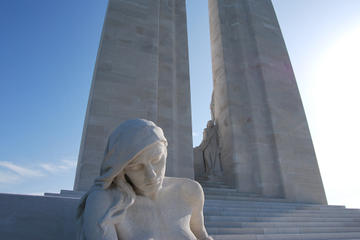
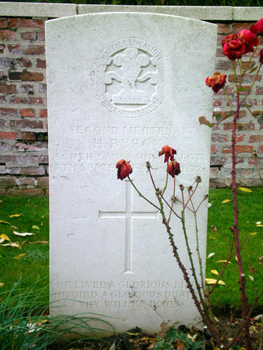 The Canadian National Vimy Memorial encompasses a 250 acre battlefield park, which includes the area of the Battle of Vimy Ridge (9th April, 1917). Both Allied and German trenches have been preserved, and it is still possible to walk along them. The trenches never ran in a straight line, and had alcoves at regular intervals for shelter from bombs and snipers. Some barbed-wire stakes remain; earlier ones with only one hole, and a later design which could hold three stands of barbed wire. These also had the advantage of having a screw on the base, allowing them to be silently screwed into the heavy soil, and not hammered.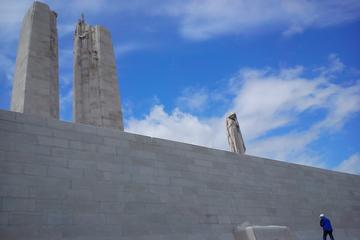
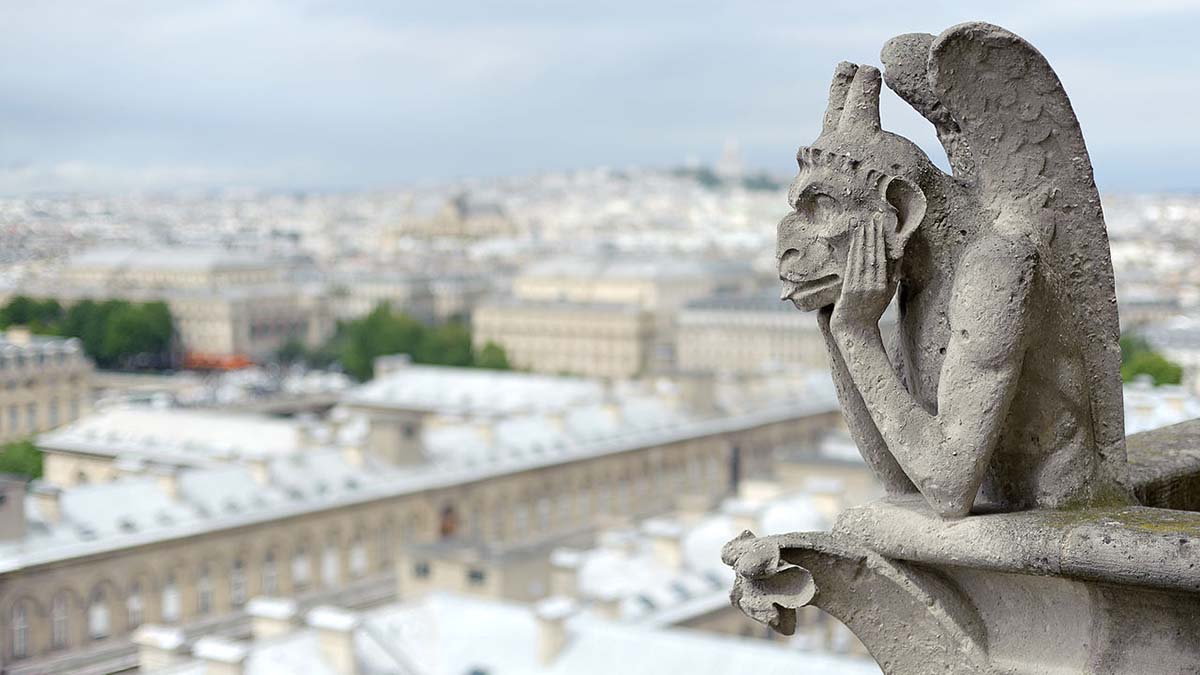
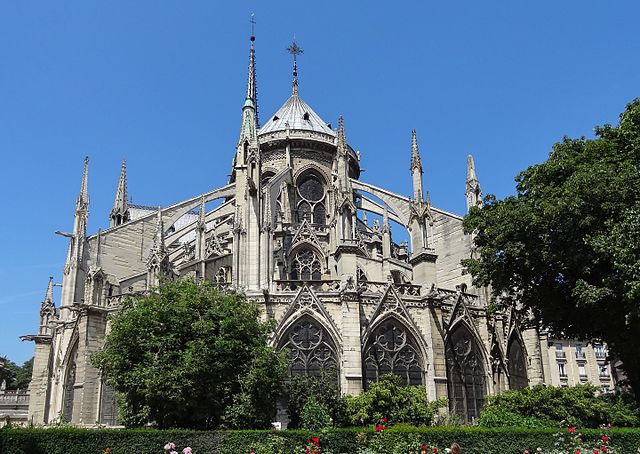


 Emerge from the crypt, and the buttresses of Notre-Dame soar to the sky. This area had long been sacred; the Romans built a temple to Jupiter here (perhaps replacing a site of worship used by the Parisii), which in turn was replaced around 528 CE by the first Notre-Dame (built with stones from the Roman arena on the Left Bank).
 At 1 Parvis Notre-Dame stands the Hôtel-Hospitel Dieu. The first hospital in Paris, it was founded by Saint Landry in 651 CE, and still cares for ill Parisians. The ghosts of some 1300 years of medical history glide the marble corridors, whispering in consultation outside the wards before passing into the old-fashioned lifts to visit the fourteen quiet hotel rooms hidden on the sixth floor.

 Under a burgeoning population the Île de la Cité had become a place where ‘plants shrivel and perish, and where, of seven small infants, four die during the course of the year’. (Victor Considerant, 1845). Diseases such as cholera proved epidemic. Authorities viewed the island as a cradle of discontent and revolution, where narrow streets were easily barricaded by paving stones – with the widest street measuring only 5m, the army had difficulty dislodging rioters.
 On the nearby Rue Chanoinesse, a 14th C baker was renown for his pâtés – until it was discovered they were made from murdered foreign students. Both No. 22 and 24 are 16th C gabled canonical houses, while at No. 26 the entry is paved with tombstones. No.10 is reputed to be the house of Héloďse’s uncle, where she and Abélard fell in love.
 A short stroll but an ethereal world away is the Sainte-Chapelle. Often called “The Gateway To Heaven,” it was built by Louis IX between 1246-48 to house a piece of the True Cross and the Crown of Thorns. The upper chapel is considered one of the highest achievements of Gothic art. Many of the windows date from the 13th C, depicting Biblical scenes beginning with Adam and Eve and ending with the Apocalypse of the great Rose Window.

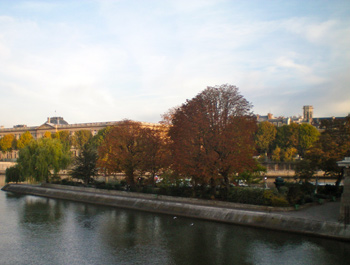 At the end of Le Quai de l’Horloge stand the Tour de César, Tour d’Argent, Tour de l’Horloge and the Tour de Bonbecis, all built between 1250 and 1300 as part of the now vanished Capetian palace. On the Tour de l’Horloge is Paris’ first clock, built in 1371. Along with parts of the Conciergerie, these towers and Saint Chapelle are all of this area to escape Hausmann.